


Digital Storytelling Gives Heritage a New Voice
Through digital media platforms such as Facebook Reels, TikTok, YouTube Shorts, and Zalo Video, heritage has continuously spread and resonated within an open knowledge ecosystem.
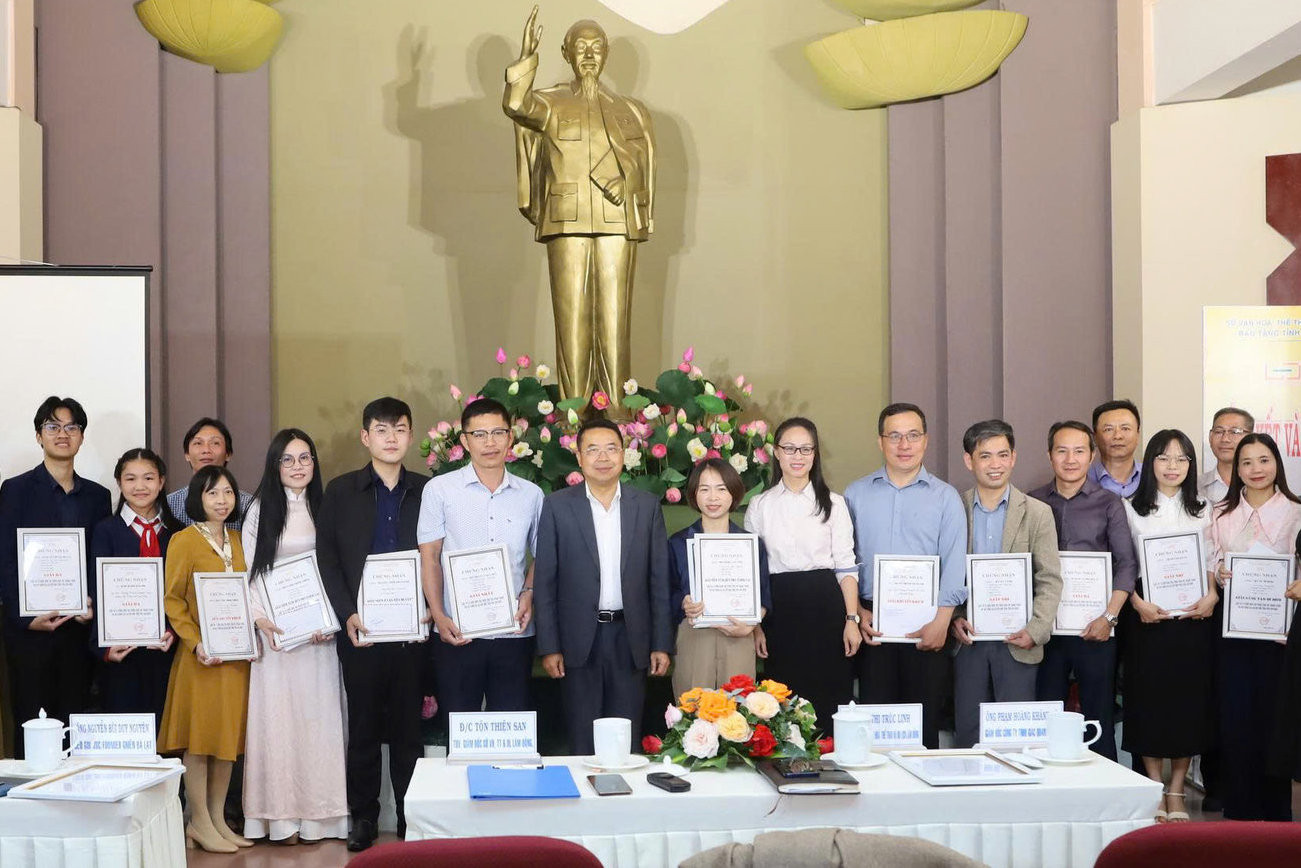
Instead of approaching heritage in traditional ways—visiting the museum in person, listening to tour guides present artifacts, or scanning QR codes to access automated audio guides about their historical and cultural significance—the 14 teams taking part in the Creative Ideas Competition for Communications to Attract Tourists to Lam Dong Museum, organized by the Lam Dong Museum, explored heritage to retell its story in a new format.
Accordingly, they told stories of heritage through short videos, livestreams, podcasts, and infographics—forms of communication shaped by the digital age that help bring cultural values to wider audiences.
By proactively sourcing cultural elements from heritage assets and combining them with artificial intelligence (AI), virtual reality (VR), augmented reality (AR), and digital data in the production of digital media products, members of the 14 teams are contributing to bringing heritage out of familiar display spaces to reach a mass audience on the internet, ensuring easy access for everyone.
According to some viewers of the digital media products created by the 14 teams, the appeal of these works lies in the creators' dual perspective: viewing heritage through the eyes of cultural researchers and digital communicators alike.
A storytelling style close to contemporary life, adapted to different audience contexts, created impressive emotional touchpoints for listeners and viewers.
Through creative methods ranging from short videos and podcasts to livestreams and infographics, heritage is no longer merely a genre of culture, a destination, or an exhibition space, but has transformed into a cultural ambassador narrating the story of identity and distinct cultural values in Lam Dong.
Tran Tien Giang, a TikToker, remarked, "If we stop at viewing heritage communication merely as an information dissemination activity to promote heritage values for tourism and cultural industry development, such an approach is not quite complete. Heritage communication must be seen as a process of meaning-making, where heritage values become brand equity, helping the community recognize its responsibility to participate in preserving, creating, and continuing the story of heritage."
According to Giang, the digital media products participating in the Creative Ideas Competition for Communications to Attract Tourists to Lam Dong Museum went beyond merely introducing the value of individual heritages to become a vibrant cultural experience.
"Today's community, especially the younger generation, no longer wants to watch, listen, or read about heritage passively. What young people desire is to interact and co-create alongside heritage. Understanding this, members of the 14 teams transformed the core cultural values of heritage into emotional experiences... It is the core cultural values of heritage that have directly resonated with technological products, creating distinctive tourism products for Lam Dong Museum," Giang asserted.