


Digital Transformation in the Cultural Sector
The project titled “Digital Transformation in the Cultural Sector to 2030, with a Vision to 2045” has been approved by the Government.
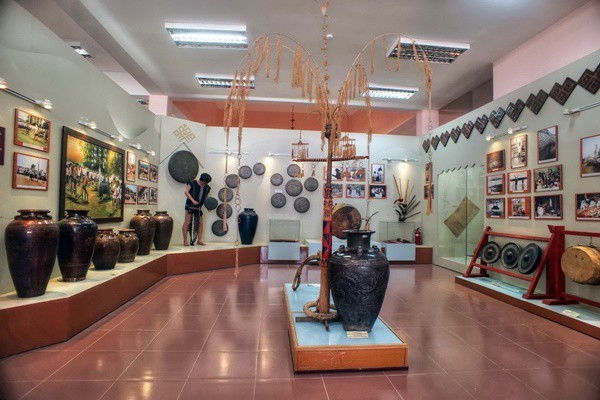
The initiative aims for all cultural sectors to adopt shared digital platforms by 2030. All digitized cultural heritage assets must comply with the national data framework and be shared in accordance with relevant regulations.
Furthermore, 80% of publicly accessible digital cultural heritage assets will be assigned digital identifiers to clarify ownership, improve rights management, and encourage wider participation from individuals, organizations, and businesses, thereby supporting market development. At least 80% of intangible cultural heritage elements of ethnic minority communities will be digitized and preserved in specialized cultural databases.
By 2030, 100% of state management agencies in the cultural sector are expected to be connected and synchronized with specialized databases. All public administrative entities and service providers in the cultural domain will create suitable digital transformation plans and timelines.
Additionally, national library systems, national history and culture museums, and public museums will continue developing digital libraries and digital museums, moving toward smart models and improving data integration, connectivity, and sharing within national and international networks.
The initiative also requires that a minimum of 70% of museums, libraries, theaters, art groups, sports organizations, tourist attractions, press agencies, and digital content businesses will contribute and integrate their data with the Ministry of Culture, Sports, and Tourism's shared data system.
It further seeks to ensure that at least 75% of individuals in remote, border, and island regions, and 80% of communities in ethnic minority and mountainous areas, can access and engage with cultural activities through digital platforms.
Additionally, all leaders, civil servants, public workers, artists, and students within cultural and arts institutions will undergo training in digital knowledge and skills.
By 2045, the project aims to build a comprehensive, smart, and interactive digital cultural ecosystem that not only preserves and promotes national identity but also shares Vietnamese culture globally while integrating with international systems.
Digital culture is expected to drive holistic human development and strengthen the nation’s soft power. The cultural industries and creative economy are envisioned as sustainable pillars of growth, contributing 9% to GDP, with digital cultural products accounting for more than 80% of the sector’s total output.
The initiative outlines essential tasks and strategies that include enhancing institutions and policies; effectively mobilizing and utilizing financial resources; building human capacity for the digital transformation of culture; improving digital infrastructure while ensuring cyber security; and fostering international collaboration and integration in the realm of cultural digital transformation.
Furthermore, the initiative identifies specific tasks and strategies within eight primary areas: cultural heritage; performing arts and literature; visual arts, photography, and exhibitions; cinema; libraries; journalism and media; grassroots culture; and cultures of ethnic minorities.
Overall, the project aims to comprehensively modernize the national digital cultural ecosystem to preserve and promote the values of Vietnamese culture—advanced, rich in national identity, and creative—while proactively integrating into the global community. At the same time, it seeks to position digital culture as a new driver of sustainable development, to promote cultural industries, and to ensure that cultural resources are widely digitized, effectively shared, and accessible to people, businesses, and society.