


Digital Transformation Takes Root in Lam Dong's Fields
From smartphones in farmers' hands to sensor networks, electronic production records and QR-code traceability, digital transformation is steadily reshaping agricultural production across Lam Dong Province, paving the way for a more modern, transparent and competitive farming sector.
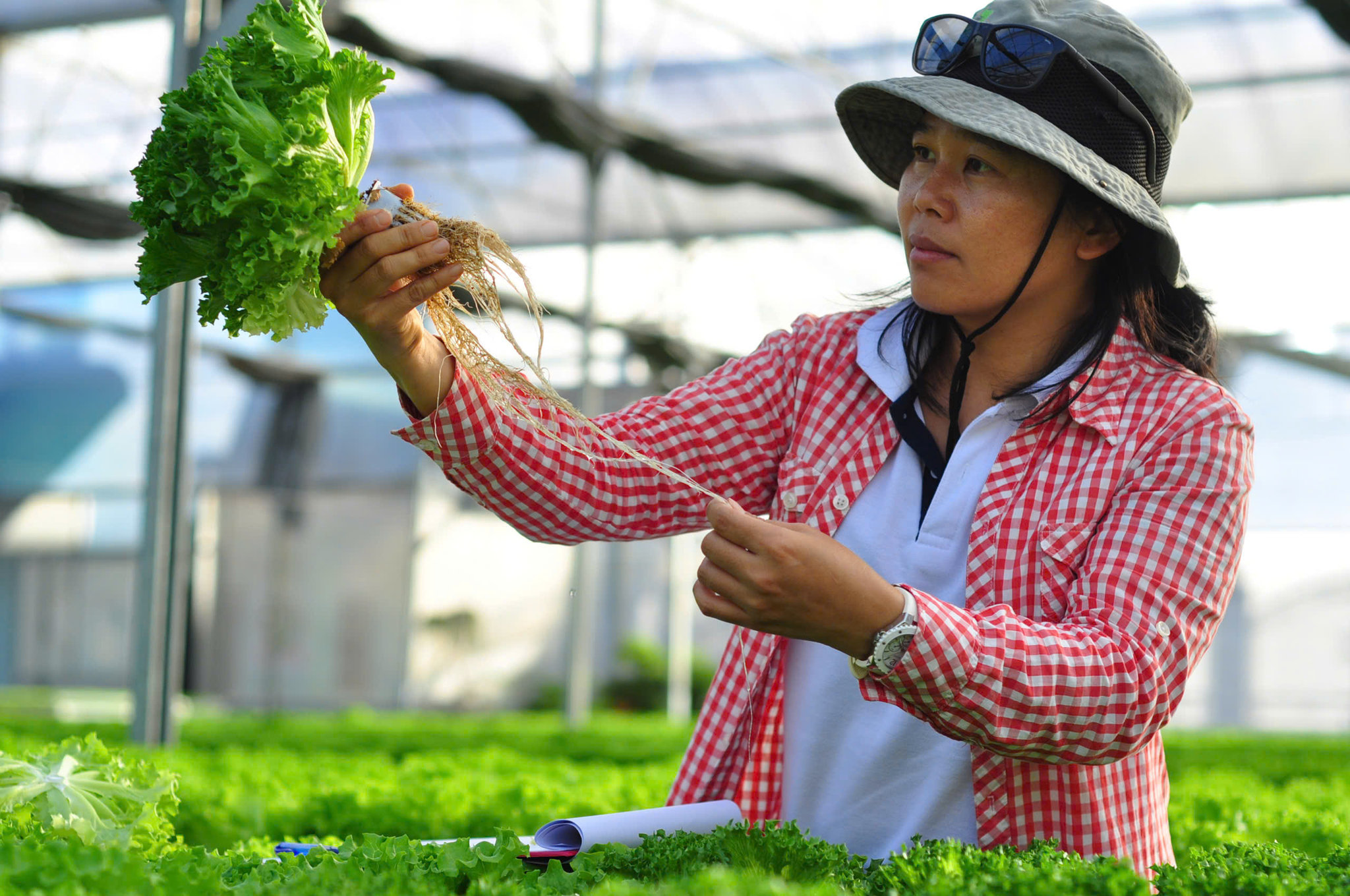
Bringing Technology to the Fields
Nguyen Van Hung, a durian grower in Da Huoai 2 Commune, said that his family now manages its farming operations using a smartphone app. Information on fertilizer use, irrigation volumes and crop protection products is digitally recorded and stored.
"Digitizing production records has made orchard management much more efficient. Whenever buyers or regulatory authorities need information, we can provide complete production data with just a few taps," Hung said.
Meanwhile, the family of Le Van Dai in Dam Rong 3 Commune cultivates more than four hectares of durian. Since obtaining a certified planting area code, the family has benefited from improved technical guidance and stronger collaboration through farmer networks.
"By simply scanning the QR code displayed in the orchard, buyers and regulators can access detailed information about the farm owner, cultivated area, production process and cultivation status," Dai said.
According to Nguyen Thi Thao, Head of the Technology Transfer and Training Division at the Lam Dong Agricultural Extension Center, digital transformation in farm management and planting-area administration is gaining momentum across the province.
Many farming households, cooperative groups and agricultural cooperatives have successfully adopted digital management software, electronic farming logs and QR-code traceability systems. Farmers are also making extensive use of digital platforms and Zalo groups to access technical guidance, receive pest and disease alerts, monitor weather forecasts and connect with agricultural markets.
The establishment and management of planting area codes are laying an important foundation for a digital agricultural ecosystem capable of meeting traceability and export requirements.
Nguyen Thi Thao, Head of the Technology Transfer and Training Division, the Lam Dong Agricultural Extension Center,
.jpg)
Building Smart Agriculture
Across Lam Dong, many agricultural enterprises have introduced Internet of Things (IoT) technologies to develop smart farms equipped with sensors that monitor soil moisture, temperature and nutrient levels, enabling automated irrigation, fertilization and environmental control.
These technologies have helped reduce fertilizer and chemical crop protection inputs by 10–20 percent, cut irrigation water consumption and labor requirements by 30–50 percent, and increase profits by 15–20 percent.
In recent years, digital transformation has become one of the agricultural sector's top priorities. However, efforts to extend digital technologies to all farming households continue to face significant challenges.
Agricultural production remains fragmented and small in scale, while many farmers still have limited digital skills. At the same time, the high costs of investing in equipment, software and digital infrastructure remain a major barrier for many producers.
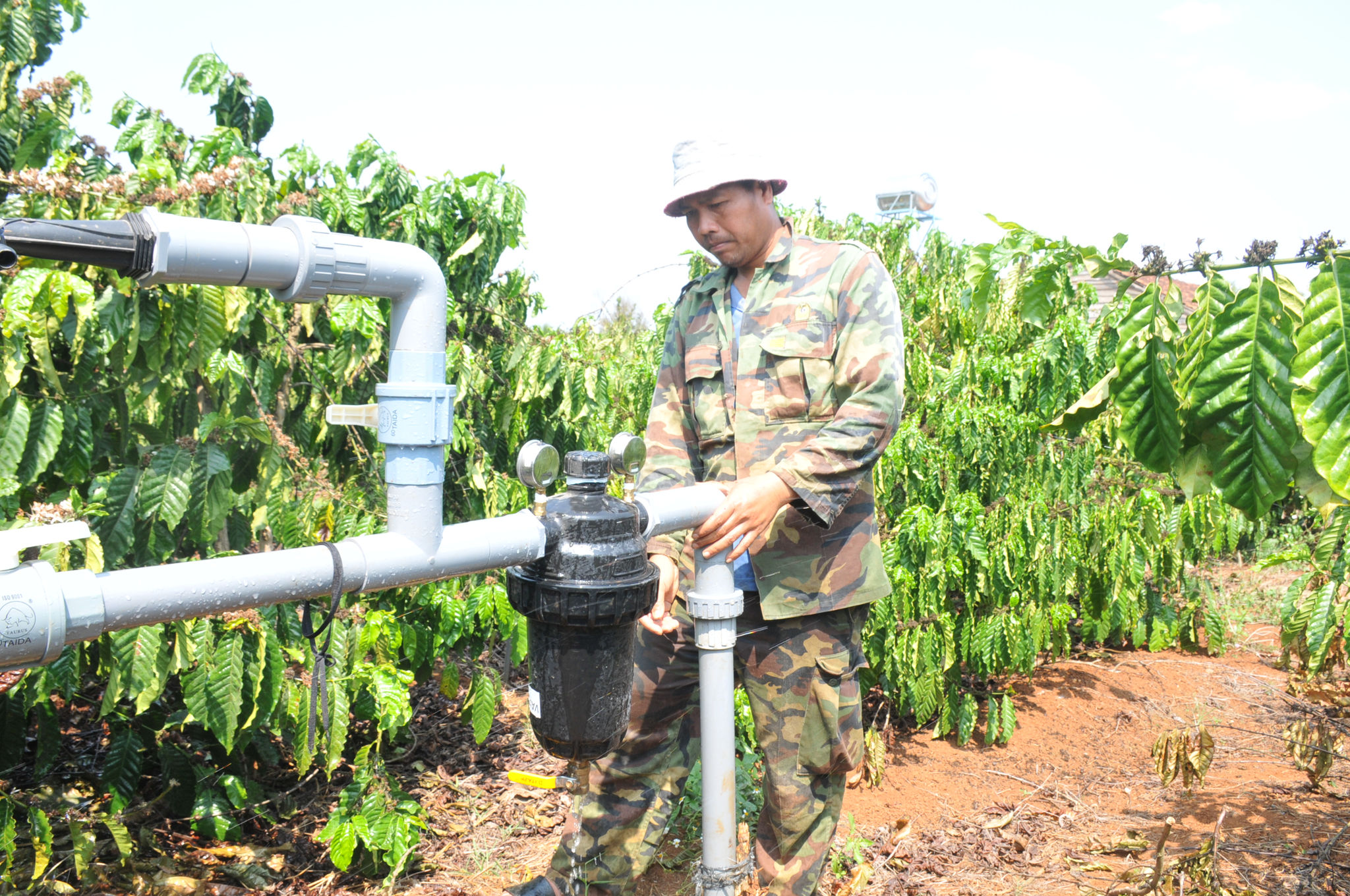
Le Trong Yen, member of the Provincial Party Standing Committee and Standing Vice Chairman of the Lam Dong Provincial People's Committee, called on the agricultural sector to further promote the application of science and technology in agricultural production.
He emphasized the need to prioritize digital transformation in high-tech, organic and circular agriculture, as well as climate-resilient farming, to enhance value creation and contribute to the province's goal of achieving double-digit economic growth.
From QR codes displayed in orchards and electronic production records stored on farmers' smartphones to IoT-powered smart farms, digital transformation is becoming increasingly visible across Lam Dong's agricultural landscape.
As digital technologies evolve from policy concepts into everyday production tools, the province is steadily moving closer to its goal of building a modern, transparent and globally competitive agricultural sector.
Currently, 153,928 hectares of farmland across the province are certified under sustainable production standards. This includes 23,600 hectares certified under GAP and equivalent standards, 4,050 hectares certified as organic, and 126,278 hectares certified under UTZ, 4C and Rainforest Alliance (RA) standards.
Many farming areas have also adopted smart technologies, including IoT systems based on the RATA IoT-3G/4G platform, while advanced production models from Israel, Italy and France continue to support the modernization of Lam Dong's agricultural sector.