

Dinh Ba Ba Temple- A Convergence of Cham and Vietnamese Culture
Rooted in migration waves in the late 17th century, some of the earliest communities in the area took shape along rivers and coastal areas. Over time, communal shrines were built as places of worship and remembrance for the pioneers who helped establish these settlements. One of them is Dinh Ba Temple, now located in Phu Thuy Ward, Lam Dong Province.
As early settlers traveled by water through days of rough seas and raging storms, reaching the shore safely was a source of immense relief and joy. Deep in their hearts was a firm belief in the sea goddesses, who they believed would protect them from towering waves and violent tempests.
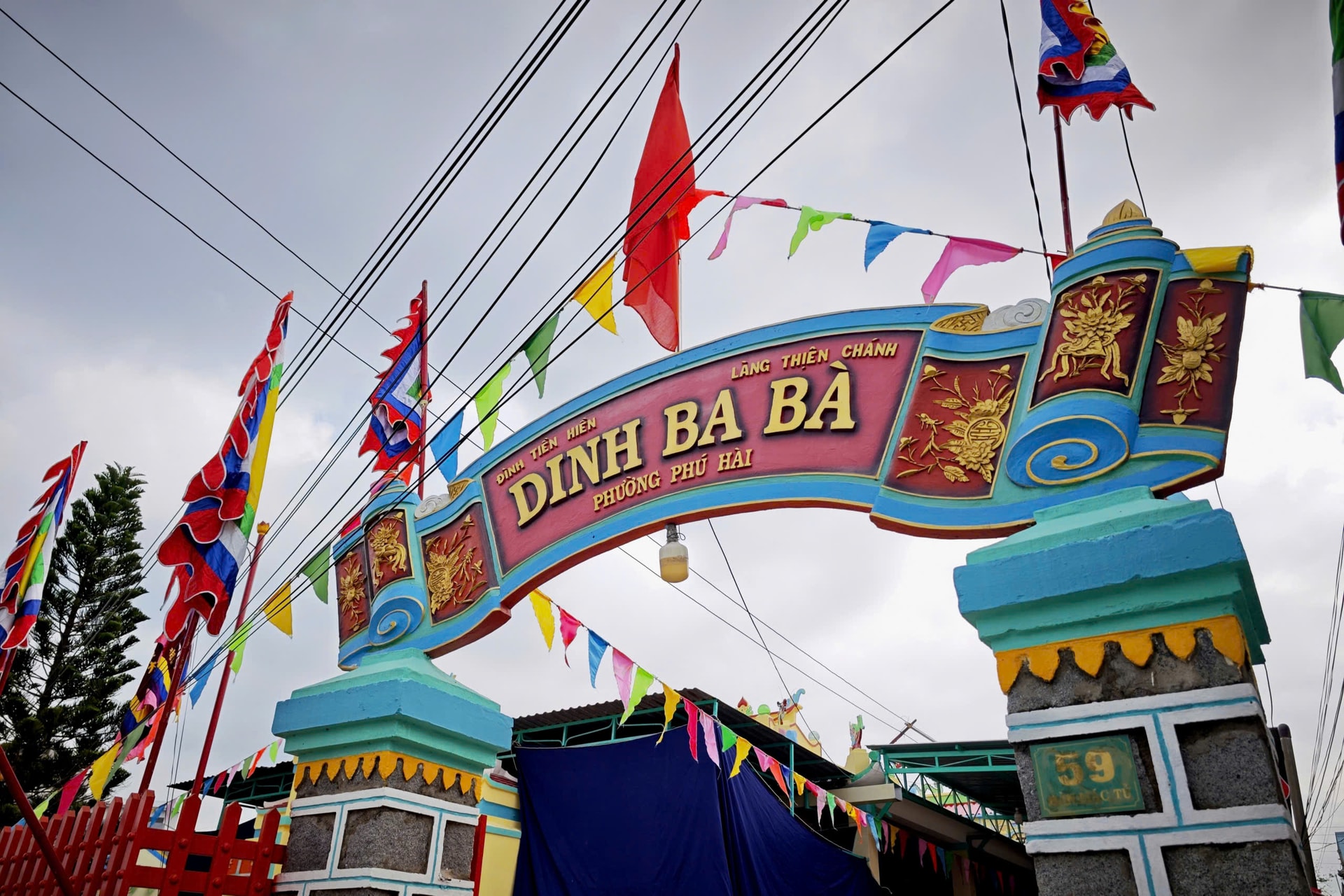
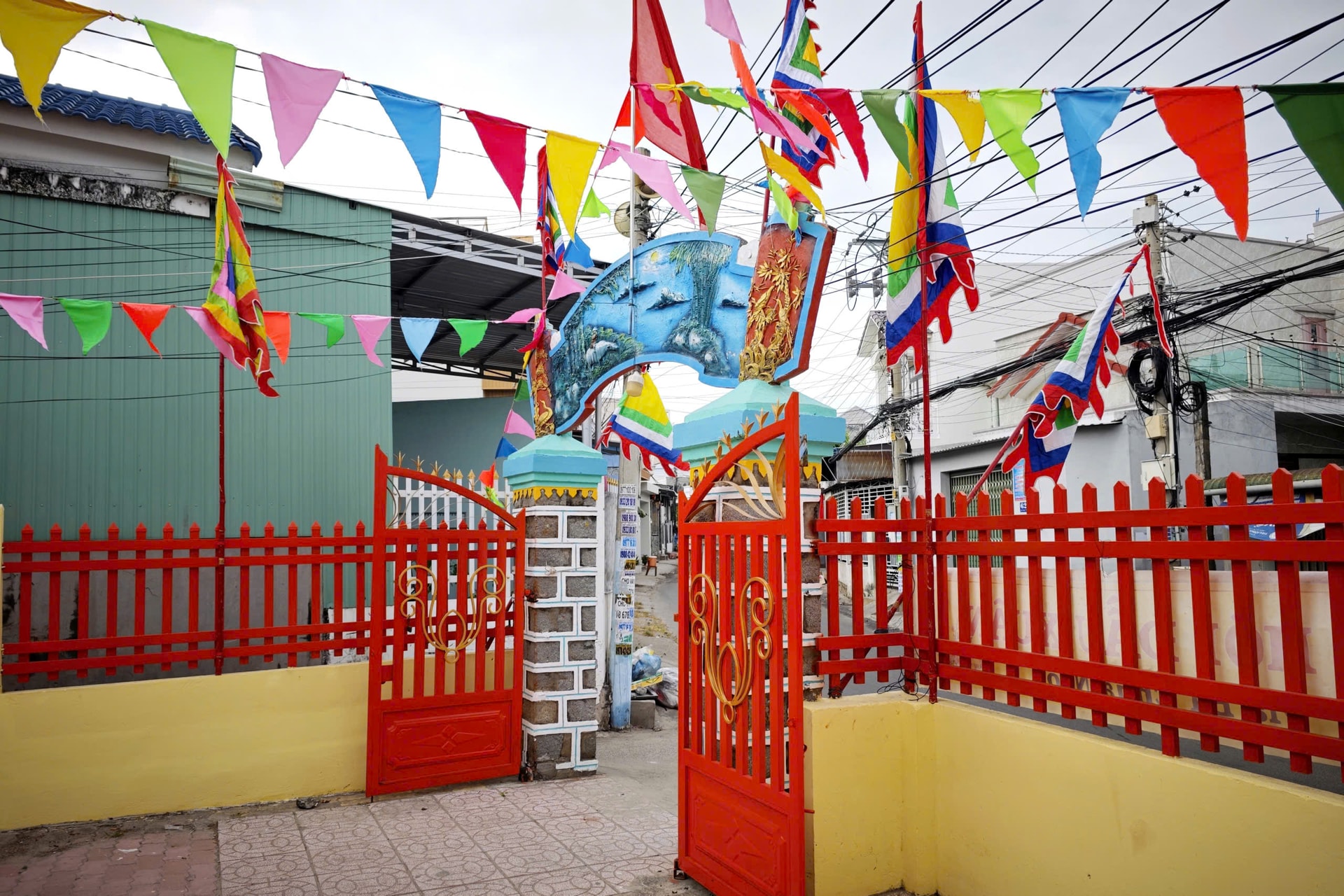
During long sea journeys across vast waters, some vessels anchored off Phu Hai, where the historic Thien Chanh Village later took shape. Today, the area is part of Phu Thuy Ward in Lam Dong Province. Each year, on the full moon of the first lunar month, local residents gather at Dinh Ba Ba, also known as Thien Chanh Village Communal House, to offer incense and pray for favorable weather and abundant fishing harvests.
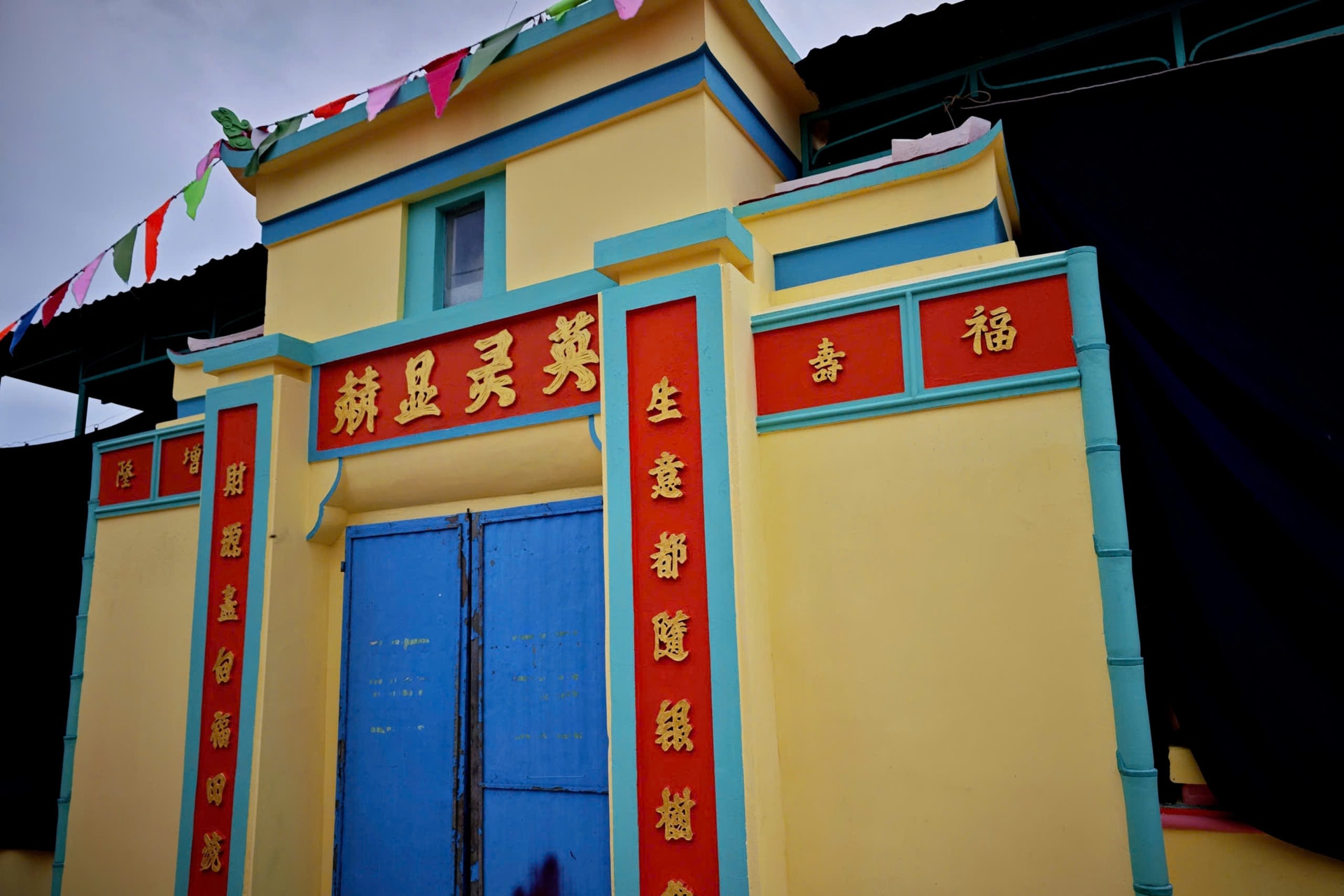
Which deity has been worshipped at Dinh Ba Ba and revered by local communities for generations? Historical records by Phan Thanh Gian, a noted scholar of the Nguyen Dynasty, show that the shrine is dedicated to Holy Mother Thien Y A Na, also known as Goddess Po Nagar.
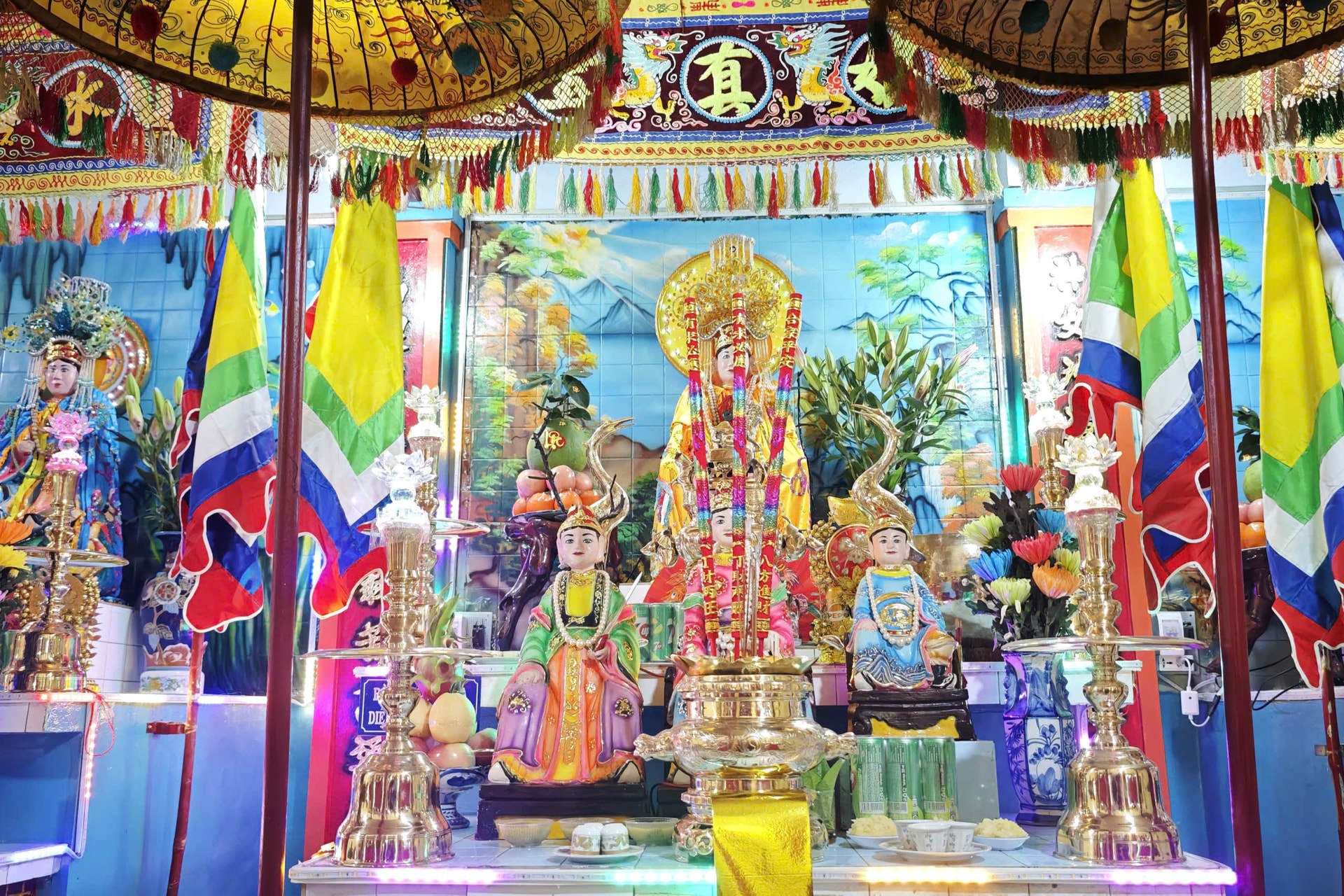
The tale of the Holy Mother is a captivating narrative in the historical landscape of Central Vietnam, showcasing the rich cultural interactions between the Cham and Vietnamese communities. According to tradition, she frequently appeared to assist individuals in overcoming difficulties and to safeguard vessels from fierce tempests. It is this embodiment of compassion that has rendered the name Thien Y Holy Mother revered in the hearts of coastal communities.
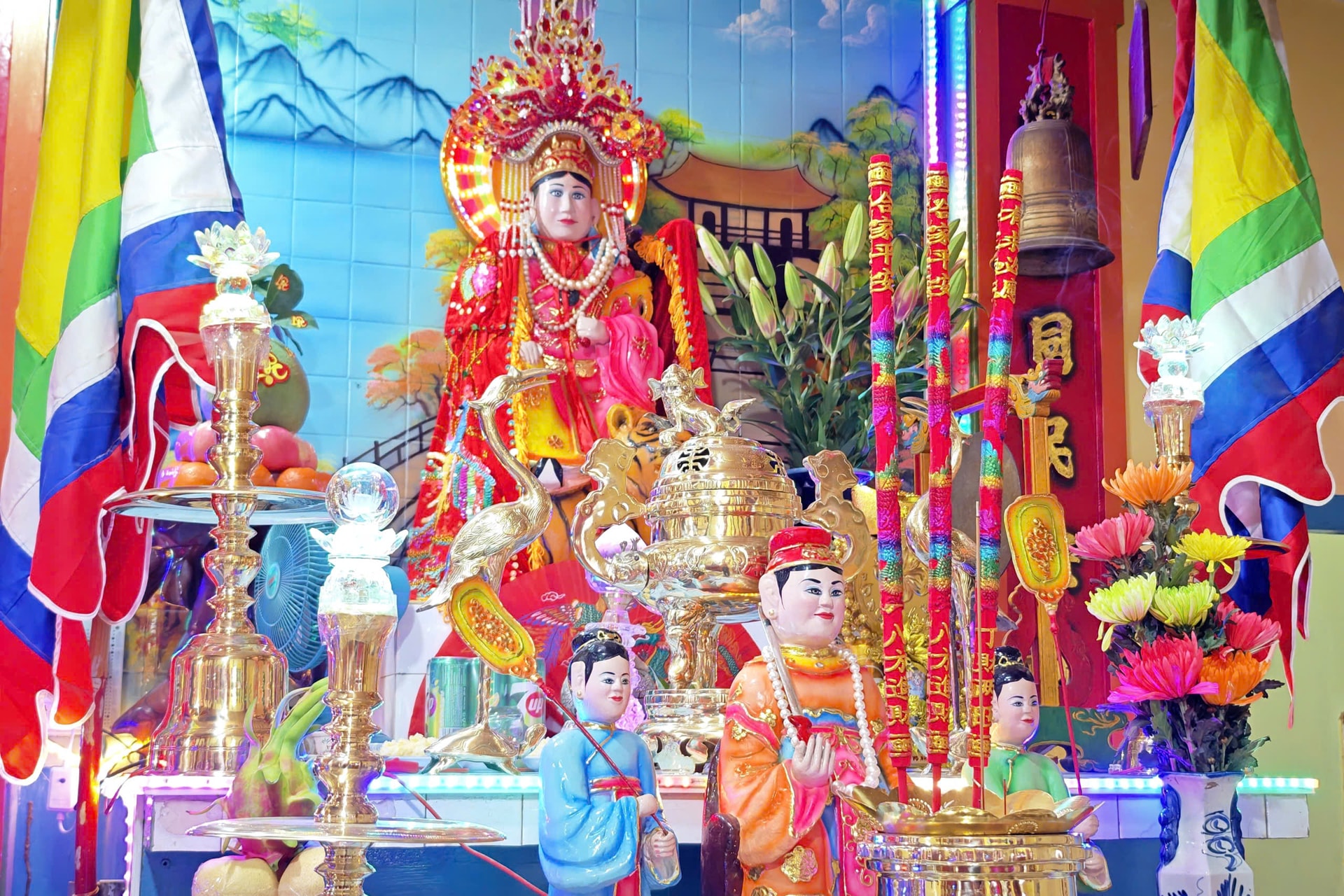
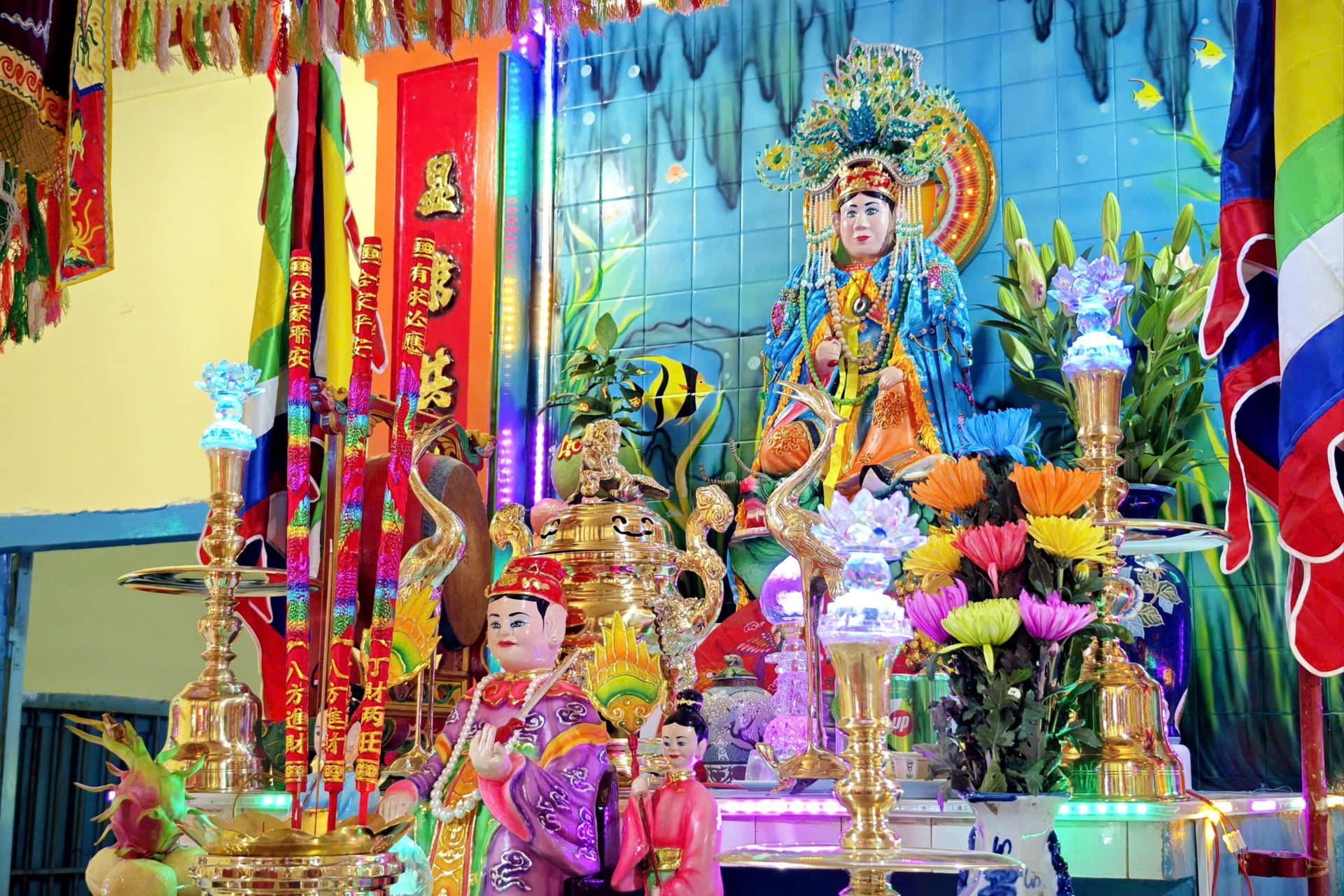
In addition to the Holy Mother, two other female deities—Thuy Duc Nuong Nuong (Water Virtue Goddess) and Hoa Duc Nuong Nuong (Fire Virtue Goddess)—are also deeply revered. One is believed to watch over the rugged mountains, while the other guards the expansive seas, together offering spiritual protection to the land.
Reflecting the Vietnamese moral principle of “honoring one’s origins,” this year’s Dinh Ba Ba festival is celebrated from the full moon of the first lunar month until the 17th day (which falls from March 3 to March 5 in the Gregorian calendar). This occasion brings the local community together to perform rituals collectively and offer incense as a gesture of gratitude to the early settlers who founded and developed the village.
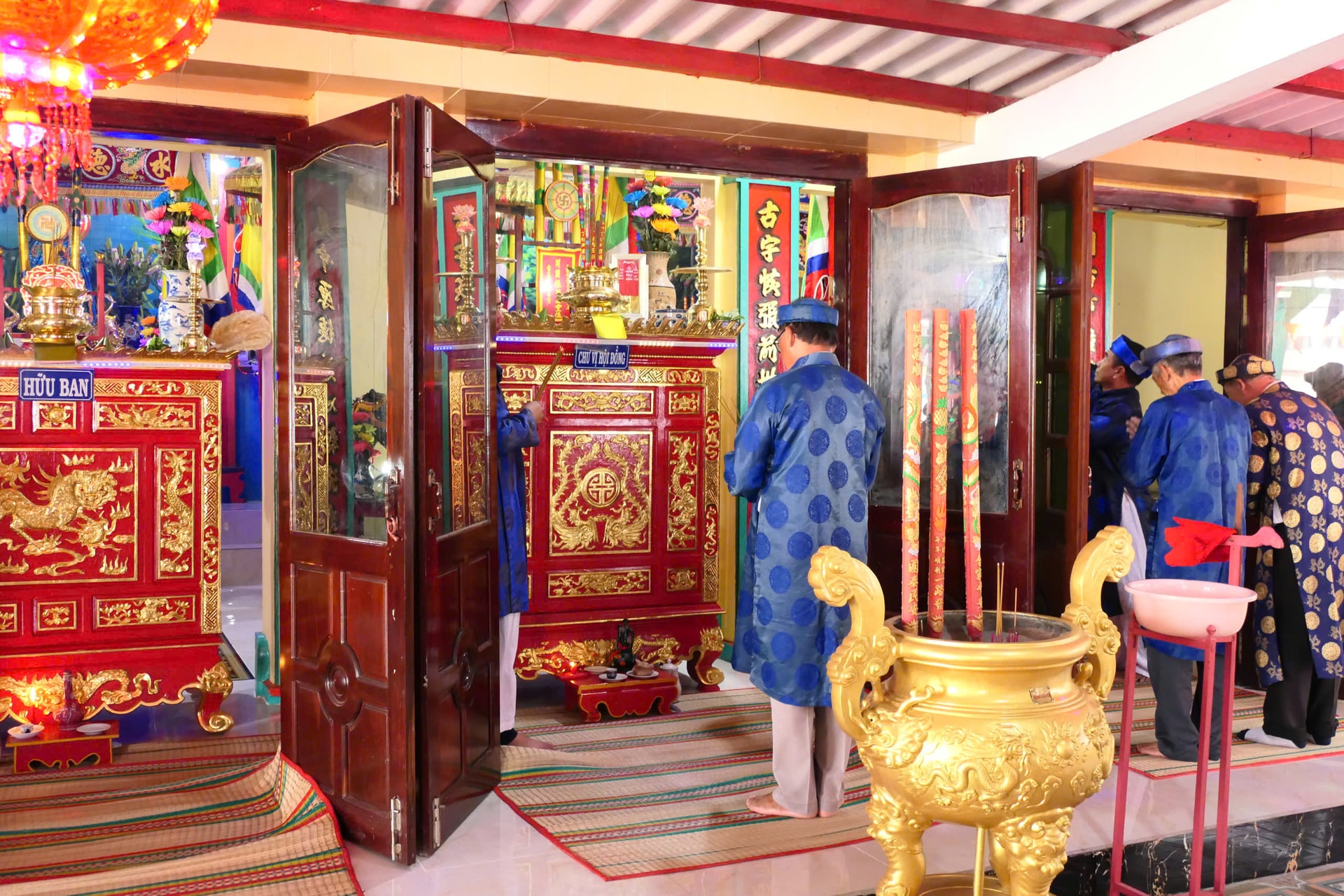
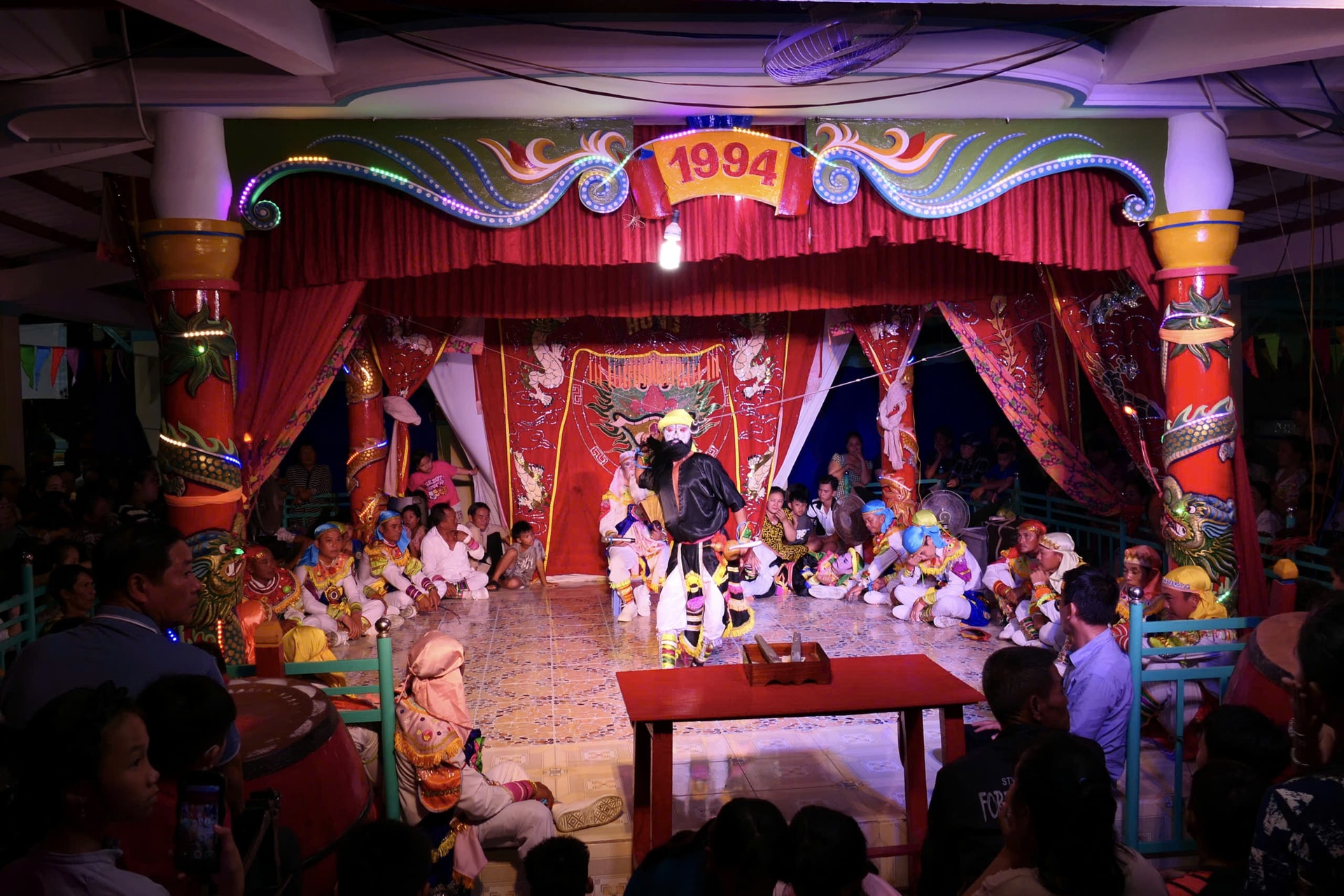
The festival begins with a respectful procession honoring the Holy Mother, succeeded by the spirited beats of the traditional Ba Trao singing, reminiscent of the sea's waves. Following the main ceremony on the 16th day of the first lunar month, both locals and tourists can relish in performances of hat boi (classical Vietnamese opera), which continue to narrate the enduring gratitude of the coastal community.
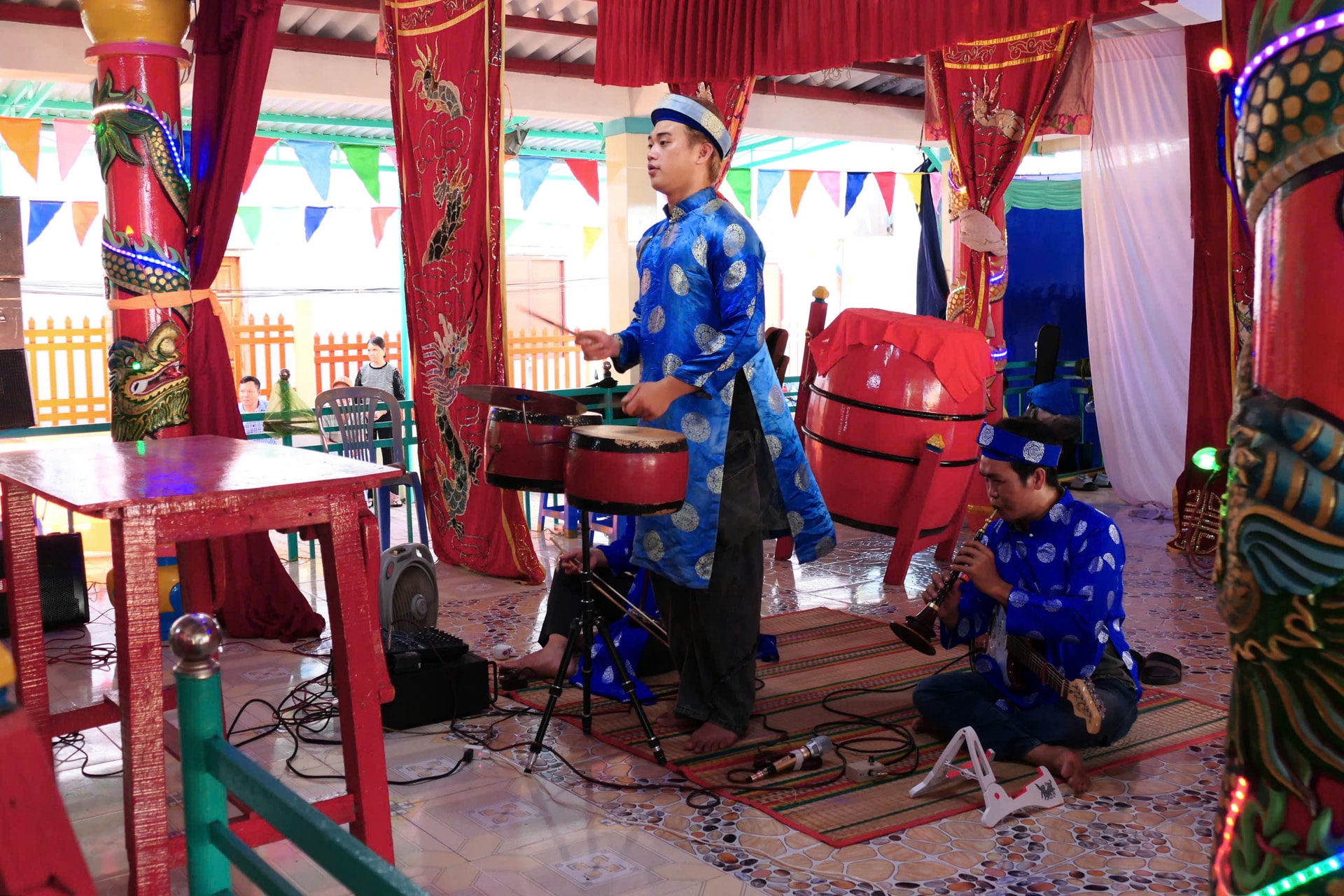
Amid the pace of modern life, the Dinh Ba Ba festival remains a bridge between past and present. More than a celebration for prayers of safe voyages and favorable winds, it also serves as a spiritual bond that strengthens community ties and nurtures a deeper attachment to the nation’s seas and islands.
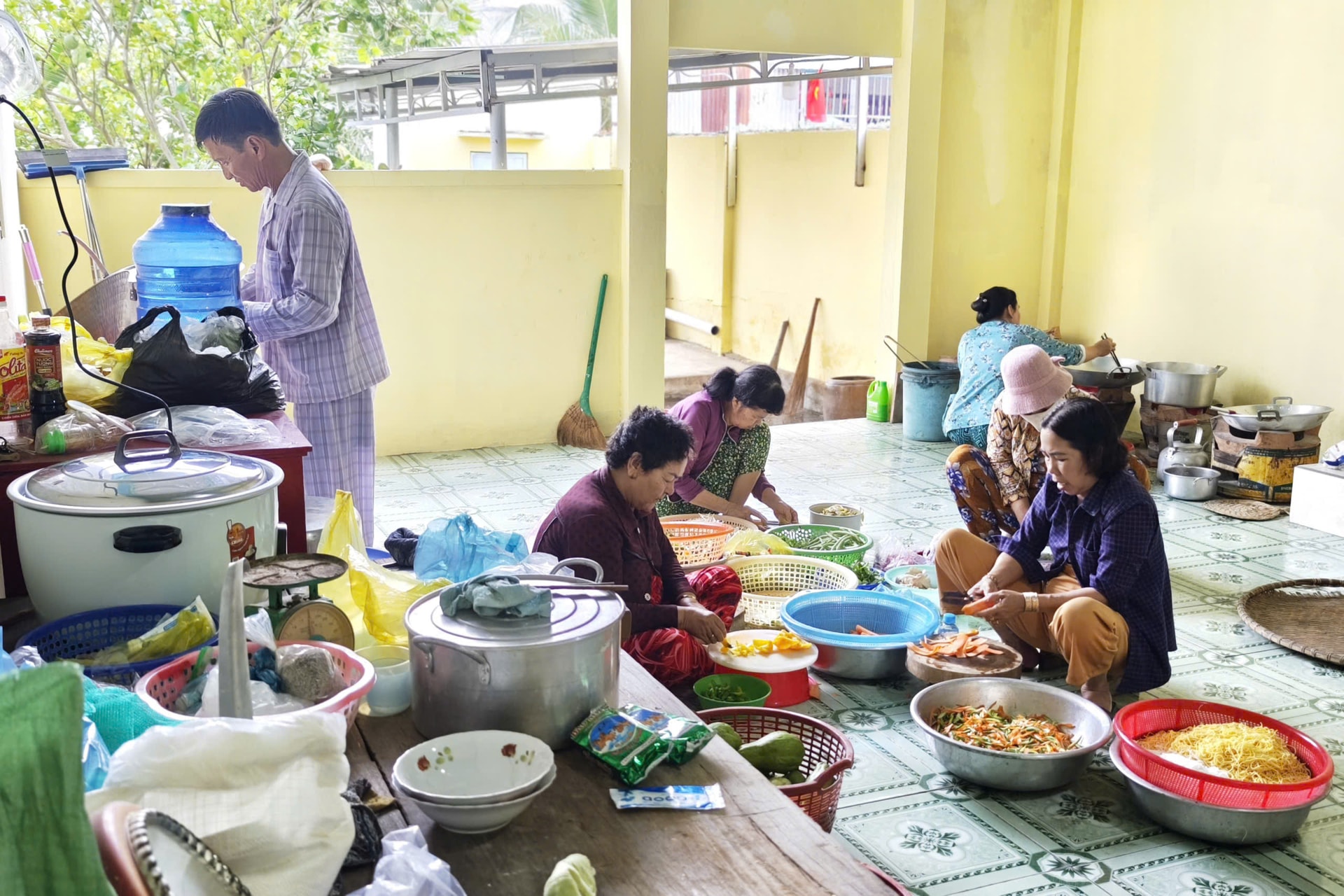
Each stick of incense offered and each rhythm of the Ba Trao chant is a powerful affirmation of the enduring vitality of traditional cultural heritage. When the festival ends, the people of Thien Chanh Village once again set sail with confidence, carrying in their hearts the protection of the Holy Mother and pride in a land rich in cultural identity—where the waves of the sea and the spirit of the people blend together in a song of hope for peace.