


Discovering Cinematic Beauty Inside Da Lat’s Forgotten Railway Tunnel
Hidden among the pine forests of Da Lat, far from the city’s colorful flower gardens and bustling tourist streets, the old Railway Tunnel stands as one of the highland city’s most atmospheric and mysterious landmarks.
A Historical Witness Along Vietnam’s Legendary Cog Railway
Located in Da Tho Hamlet, Xuan Truong - Da Lat Ward, around 20 kilometers from central Da Lat, the Railway Tunnel is not a modern tourist attraction built for entertainment purposes. Instead, it is a surviving relic of one of Vietnam’s most remarkable railway engineering projects.
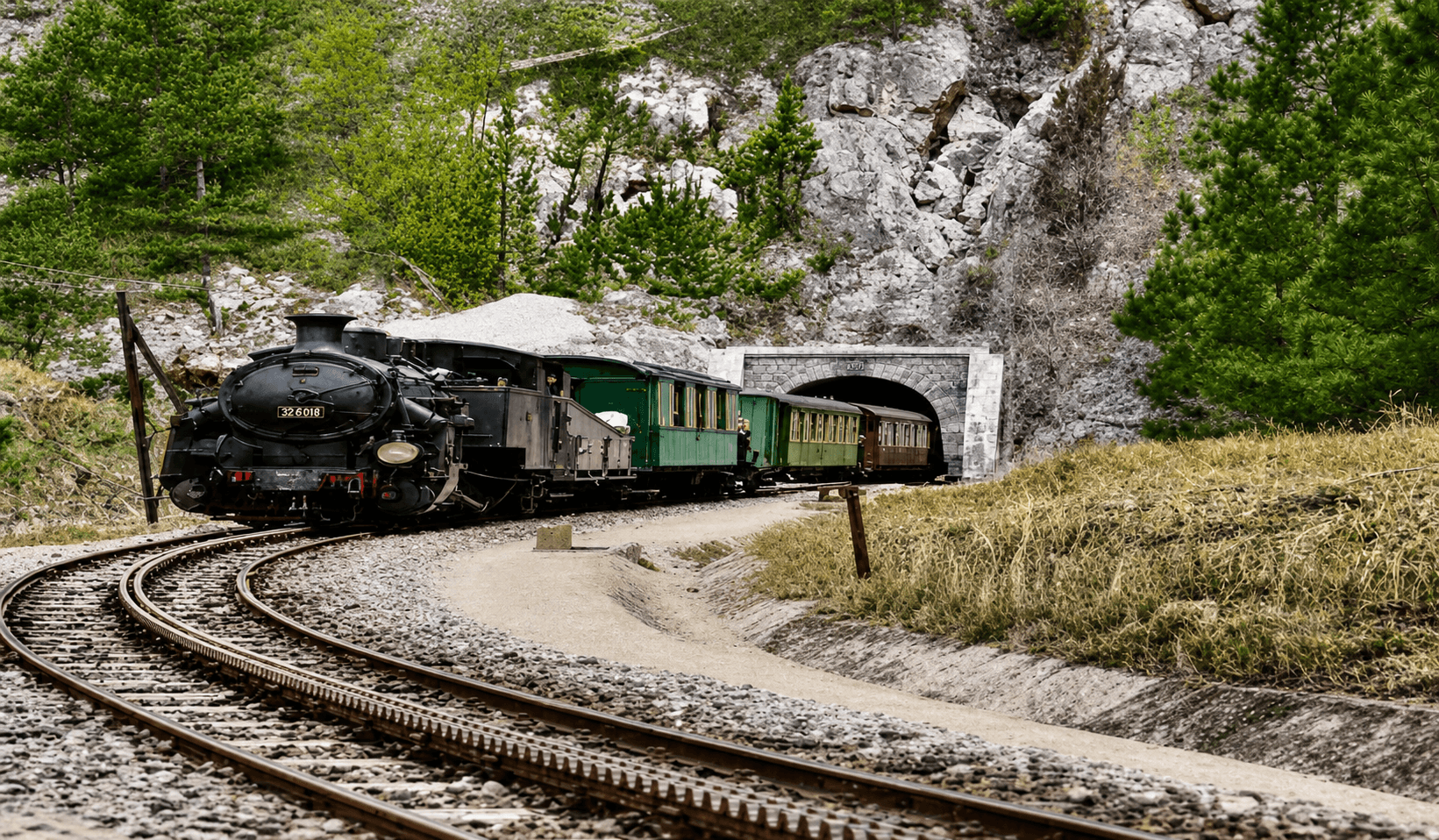
The tunnel was once part of the historic Thap Cham – Da Lat Railway, the legendary cog railway connecting Vietnam’s south-central coast with the Lang Biang Highlands.
Construction of the railway began under French colonial authorities in 1908 and the full line was completed in 1932. At the time, it was considered one of the most technically challenging transportation projects in Indochina.
To allow steam locomotives to traverse steep mountain slopes and rugged terrain, engineers carved directly through mountainsides, creating a series of solid stone tunnels along the route.
After decades of war, historical upheaval and the eventual suspension of railway operations, the Thap Cham – Da Lat line was abandoned, leaving sections of tunnel isolated deep within the forest.
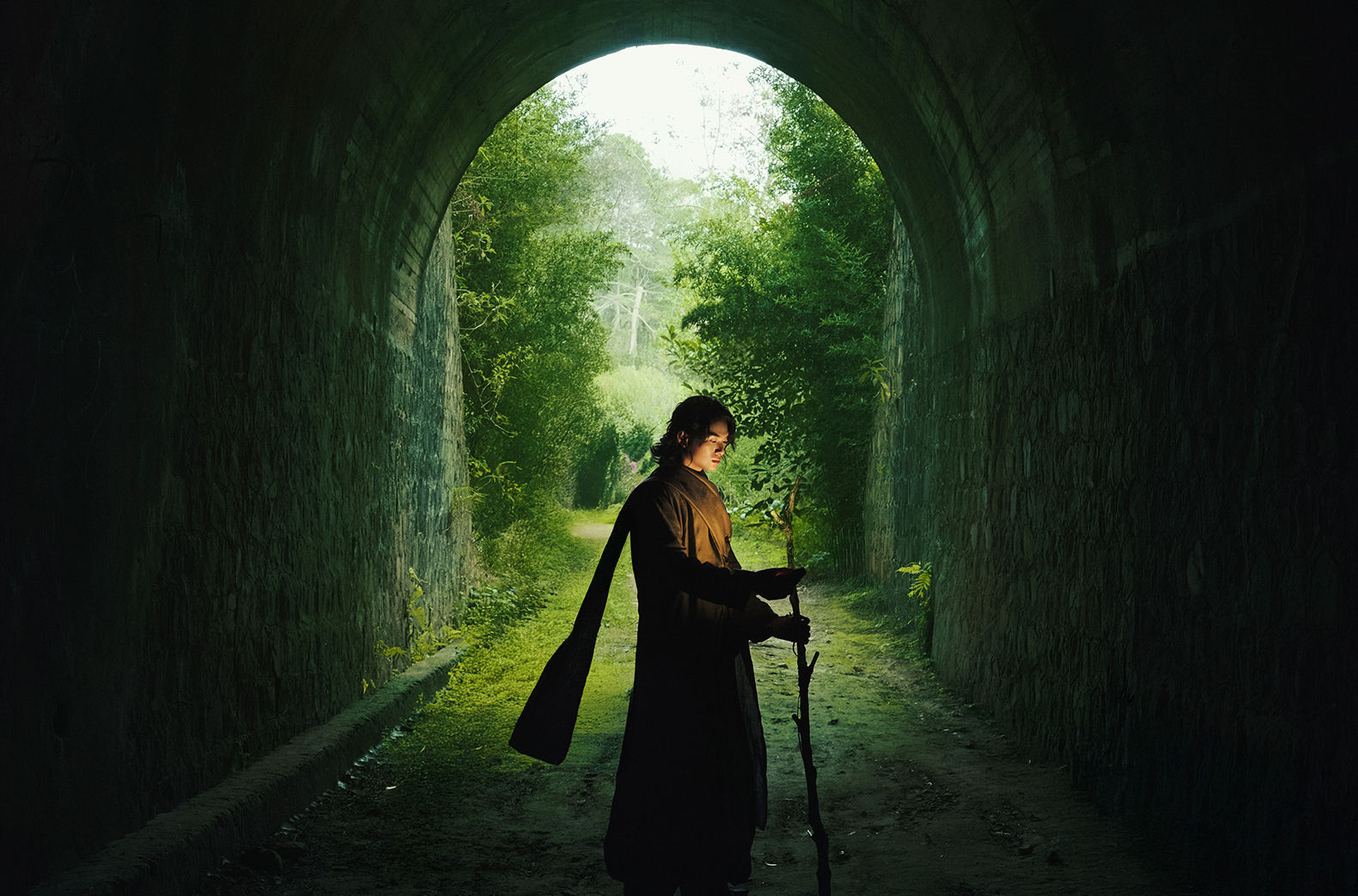
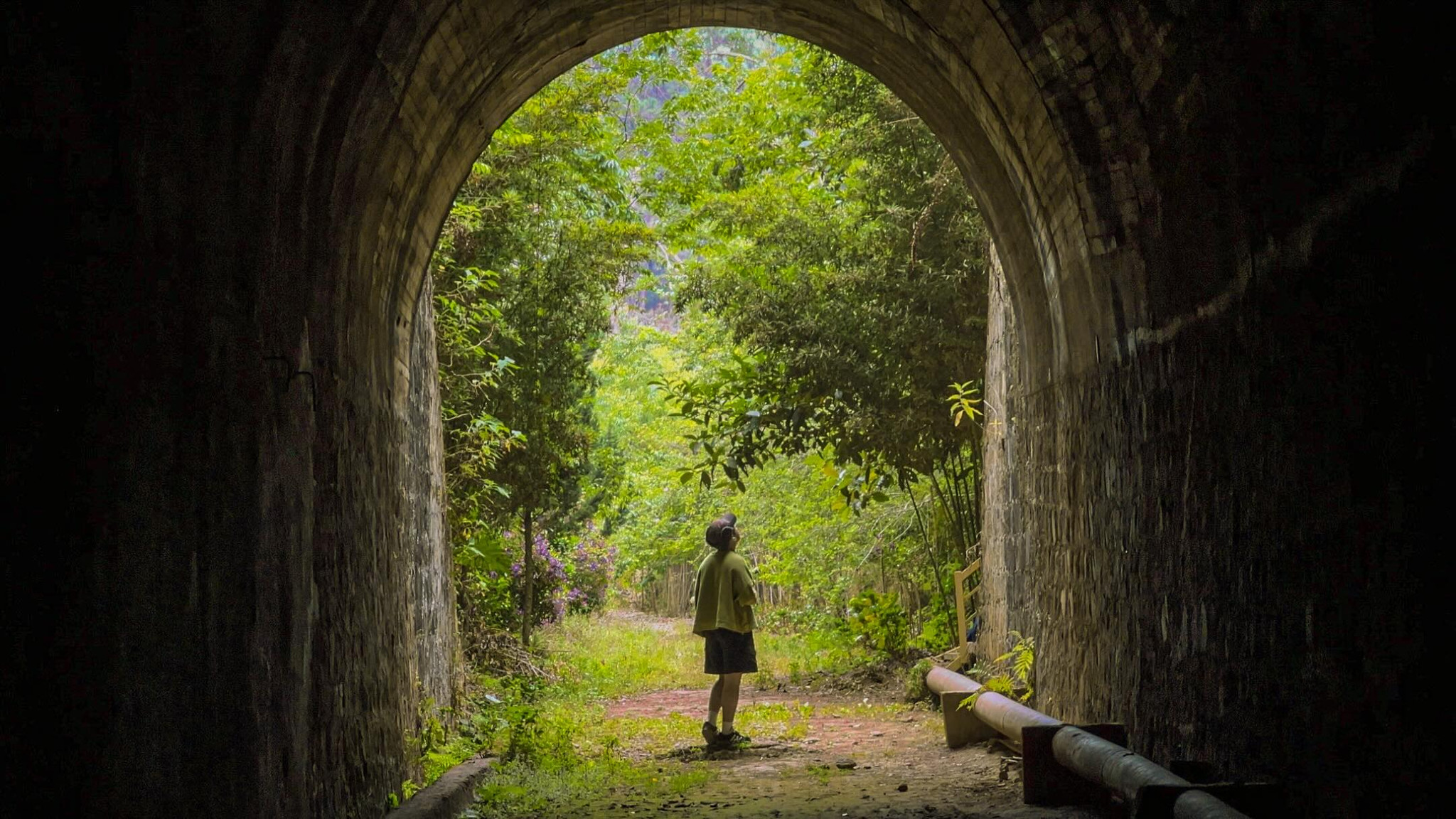
Nearly a century later, the weathered stone structures are now blanketed in thick green moss. Cracked walls, fading textures and narrow beams of light filtering through both ends of the tunnel create a hauntingly beautiful atmosphere that feels suspended in time.
Ironically, years of abandonment helped preserve the tunnel’s raw and untouched character, allowing it to remain separate from the fast-paced development surrounding modern Da Lat.
A Viral Destination for Cinematic Photography and Digital Storytelling
In recent years, the railway tunnel has unexpectedly emerged as one of Da Lat’s most sought-after “check-in” destinations, drawing large numbers of young travelers, photographers and content creators.
Its appeal lies in the dramatic visual contrast between darkness and light, ancient stone textures and the vibrant greenery of ferns and wild vegetation.
From inside the tunnel, the exit frames the surrounding forest like a cinematic scene — a glowing natural doorway opening into an almost mythical landscape.
The tunnel’s mysterious and nostalgic aesthetic has also attracted filmmakers, photographers and music producers, becoming the backdrop for multiple artistic photo series and music videos.
Notably, the tunnel appeared prominently in the music video Hoa Ra by Vietnamese singer Grey D, helping reignite public interest and turning the location into a viral topic across social media platforms.
Beyond photography, visitors say the site offers a deeply emotional and immersive experience.
Vu Tran Khanh Linh, a tourist from Hanoi, described the atmosphere as surreal: “Arriving here felt like stepping into the magical world of a Ghibli film. I was especially moved listening to local residents share stories and legends connected to the tunnel.”
The combination of historical value and social media visibility has given new life to the century-old relic, transforming it from a forgotten relic into one of Da Lat’s most visually distinctive destinations.
At the same time, its sudden popularity is also raising concerns about preservation and sustainable tourism management, as local authorities and visitors seek to protect the tunnel’s fragile and untouched environment.
Although the site remains relatively remote and the route can be challenging, travelers interested in history, nostalgia and cinematic landscapes increasingly view the journey as worthwhile.
For many visitors, the railway tunnel offers more than a photo opportunity — it provides a rare chance to experience the quiet soul of a historical structure hidden deep within the forests of Da Lat.