


Driving sustainable agricultural growth
For the rest of 2026, Lam Dong's agriculture and environment sector will roll out a range of measures to achieve its 5.01% growth target, thereby supporting the province's goal of double-digit economic growth.
Exceeding the target by 0.41%
Results from the implementation of the 2026 growth scenario show that the agriculture, forestry and fisheries sector expanded by 5.3%, exceeding the target by 0.41%. The total cultivated area was estimated at 914,059 hectares, including 279,564 hectares of annual crops and 634,495 hectares of perennial crops, up 1.4% and 0.3% year on year, respectively.
Across the province, nearly 4,000 hectares have been converted to or newly planted with high-value crops. Of the 109,500 hectares under high-tech agriculture, 1,400 hectares apply smart farming technologies. Notably, 16 production zones and seven high-tech agricultural enterprises have been certified.
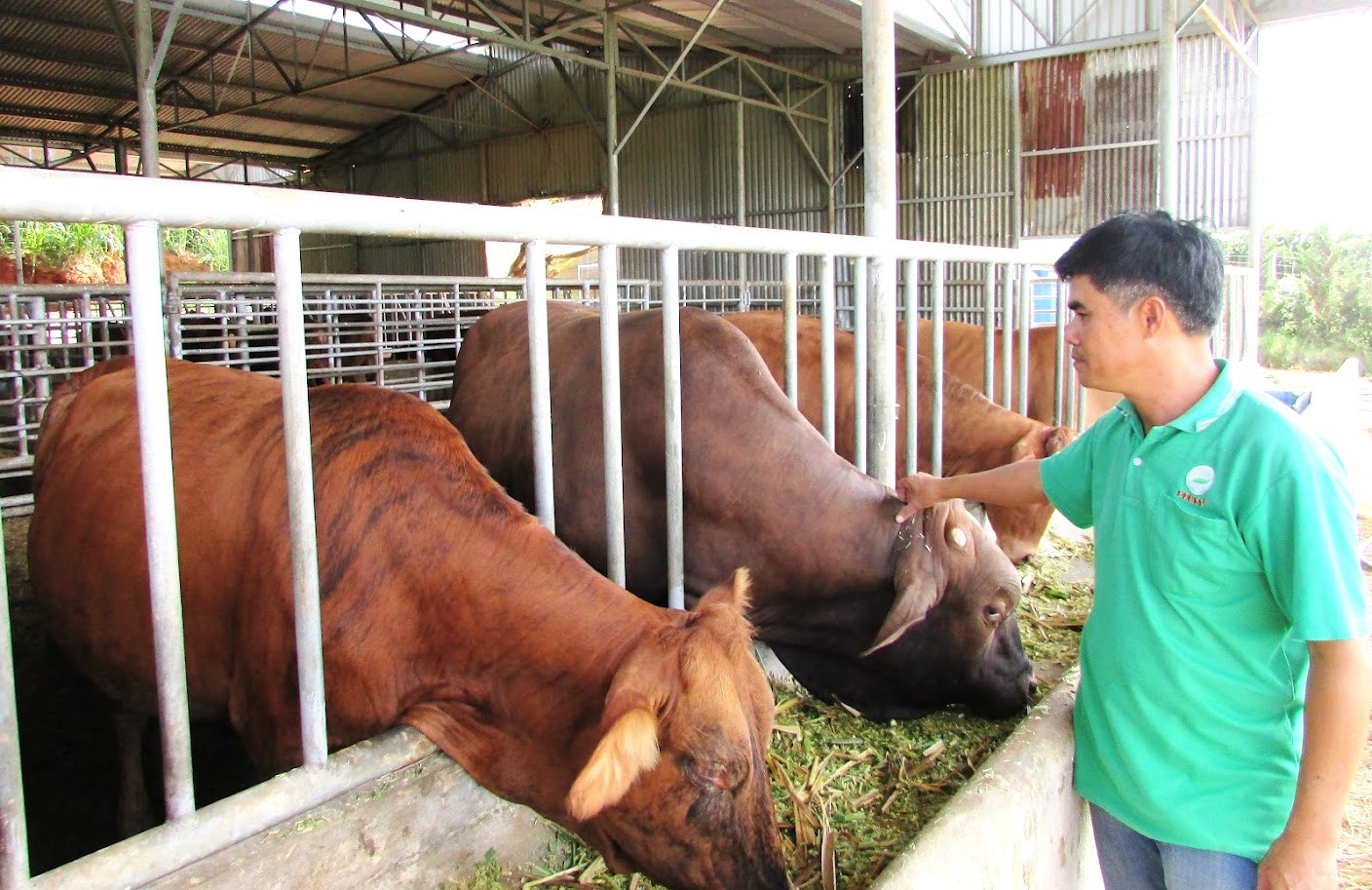
Since the beginning of 2026, 23,600 hectares of crops in the province have been certified under GAP or equivalent sustainable and safe production standards, along with 4,050 hectares under organic cultivation. The livestock sector has 37 farms certified under VietGAHP or organic standards and 125 disease-free farms. The total livestock population is estimated at 2 million animals, while the poultry population stands at 23.6 million, up 11.4% and 9.8% year on year, respectively.
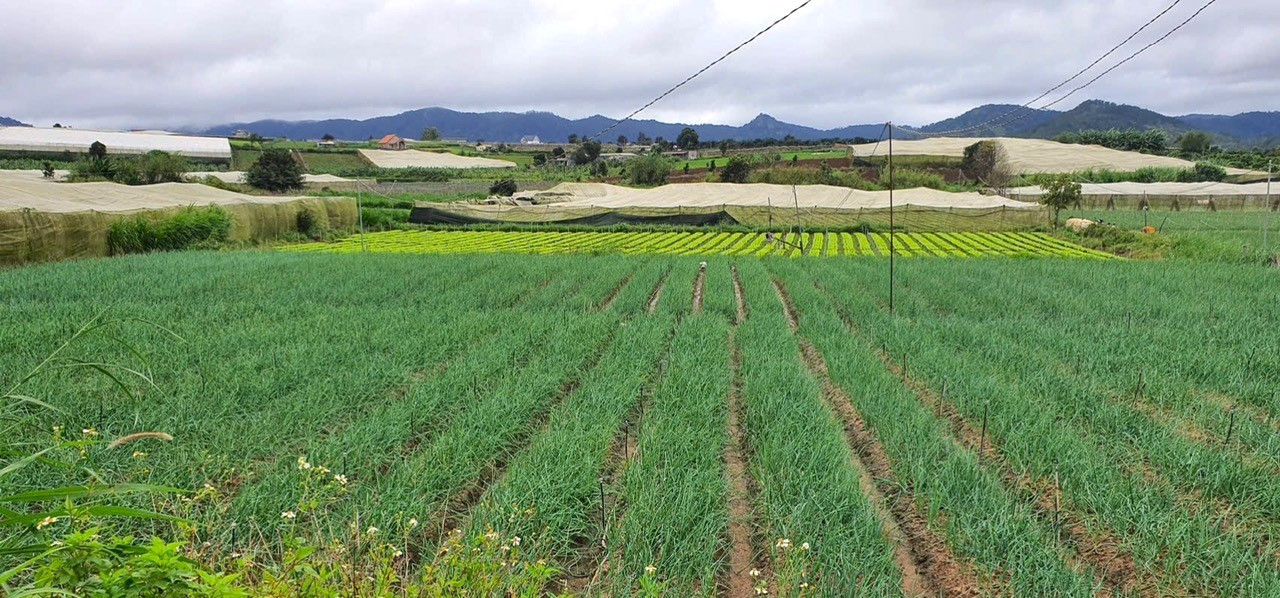
Tran Quang Duy, Deputy Head of the Lam Dong Sub-Department of Plant Protection, said that since the beginning of 2026, proactive forecasting and timely responses to prolonged heatwaves, heavy rainfall and localized tornadoes have helped agricultural production stay on track to meet its growth targets. The shift toward higher-value crops that are better suited to local soil conditions and market demand has also contributed to more sustainable and efficient agricultural development. For the whole of 2026, crop production value is projected to increase by around 5.5% compared with 2025, while the average production value per hectare is estimated at about VND 207 million.
Accordingly, the province's total cultivated area is expected to reach around 1,064,591 hectares this year, an increase of 1.52% from 2025.
A foundation for sustainable growth
The sector's performance since the start of 2026 provides a solid basis for maintainng its growth momentum in the remaining months of the year while laying the groundwork for sustainable growth in the years ahead.
To achieve the 2026 growth target, Phan Nguyen Hoang Tan, Director of the Department of Agriculture and Environment, emphasized a range of key measures, including expanding the transfer of advanced technologies and sustainable, efficient farming practices to producers; promoting high-tech agriculture, emission reductions and digital transformation; and strengthening oversight of growing areas and packing facilities to ensure food safety and the traceability of export products. The department will also optimize livestock production costs by developing on-site feed sources, selecting fast-growing breeds, applying advanced livestock farming technologies to enhance disease safety, improving herd management, strengthening production and marketing linkages, and making better use of agricultural by-products to support a circular economy.
The province will also ensure the effective implementation of the 2026 southern fishing season while preparing for the 2026 northern fishing season. Efforts will focus on improving fishing efficiency, increasing the productivity of offshore and nearshore fleets, and extending fishing trips. Along coastal waters, marine resources will continue to be exploited sustainably alongside the expansion of community-based co-management models for fisheries resource protection.
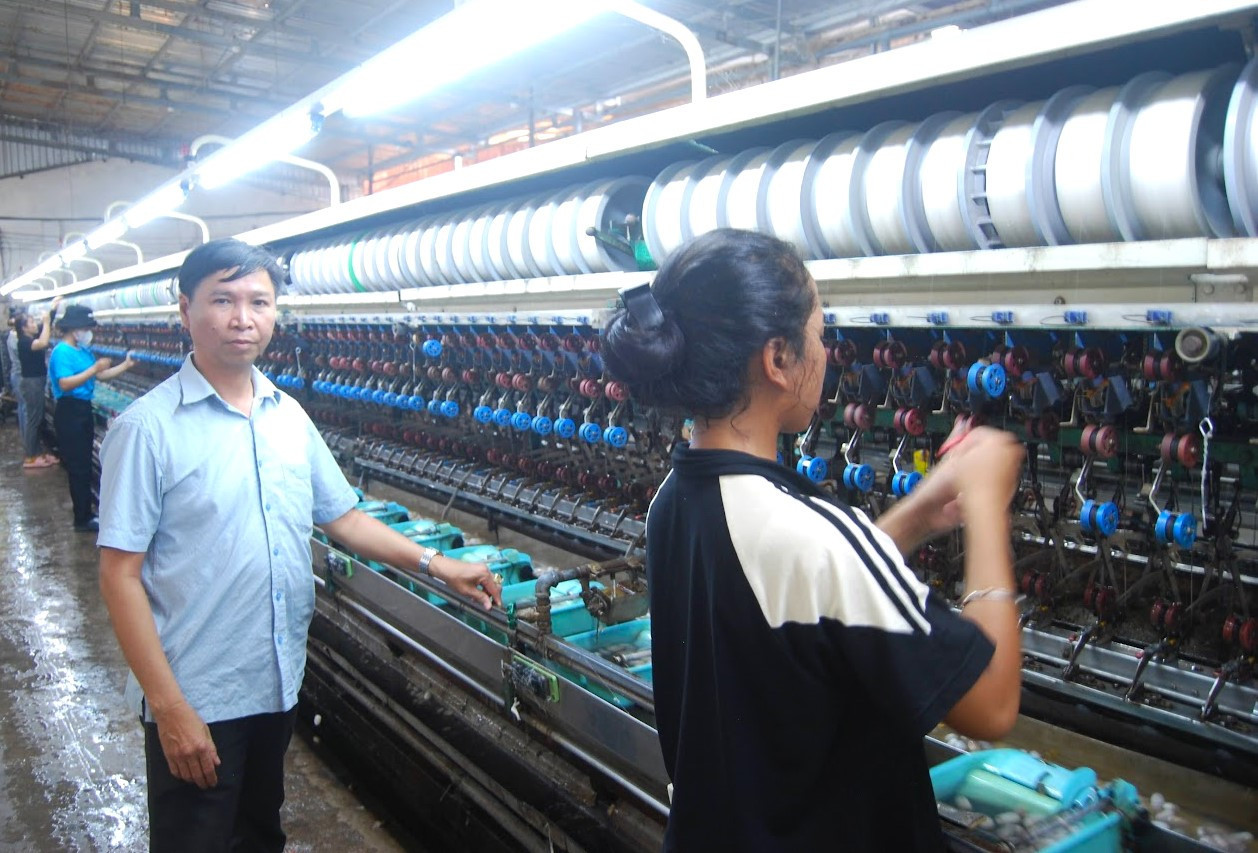
In addition, the province will step up the application of science and technology to increase the value of agricultural products across supply chains, diversify export markets, and work with partners to bring its key and high-potential agricultural products to global retail shelves. At the same time, it will prioritize investment in high-tech production and promptly remove bottlenecks to ensure agriculture remains a pillar of the economy and makes a strong contribution to the province's double-digit growth target.