
Duc An Turns its Ambition into Reality to Become a "Pepper Capital"
With the advantage of a large, concentrated pepper-growing area, Duc An Commune in Lam Dong Province is reorganizing production and building a sustainable value chain to realize its ambition of becoming the province's "pepper capital."
Transforming a 4,500-hectare pepper-growing area
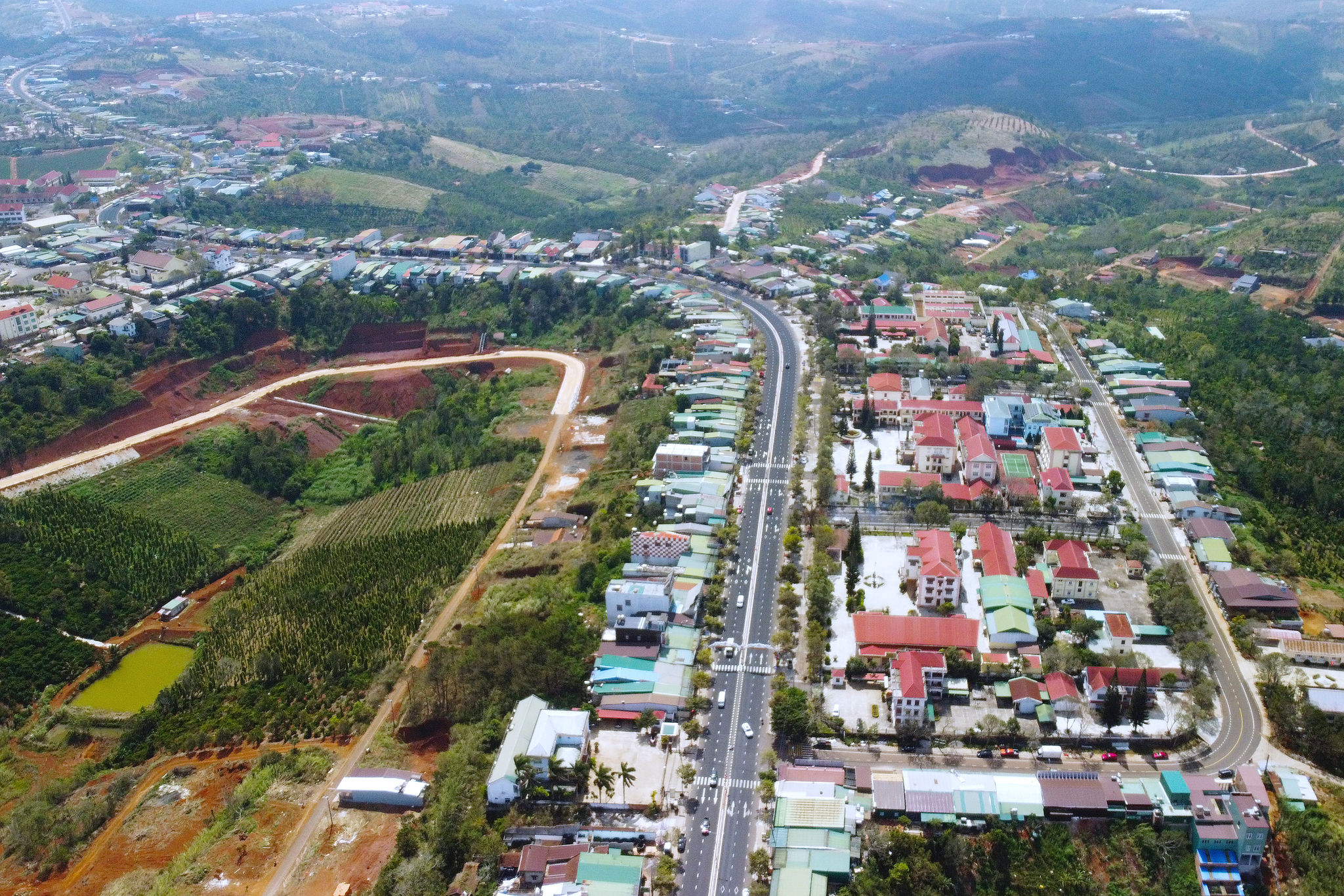
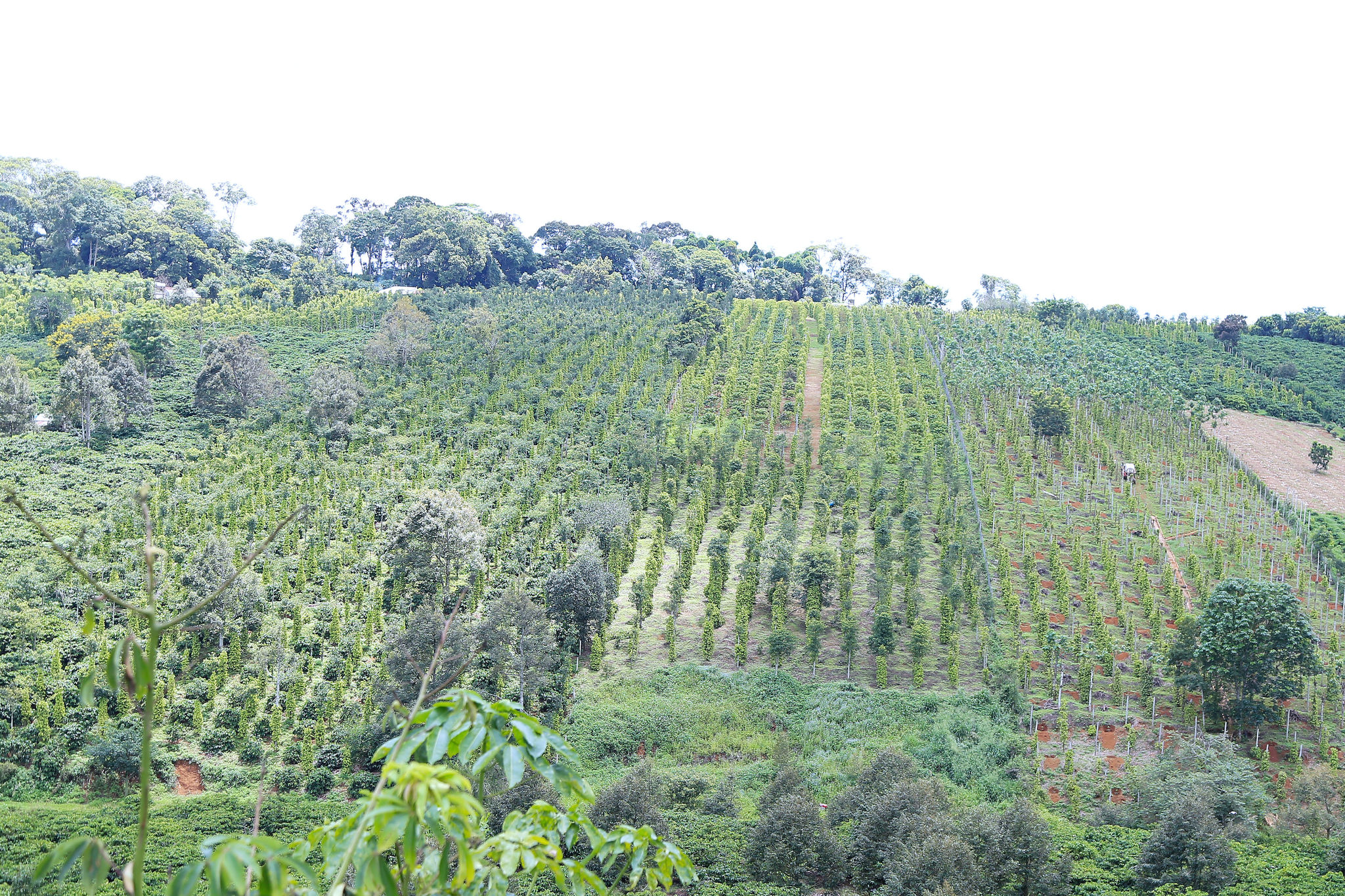
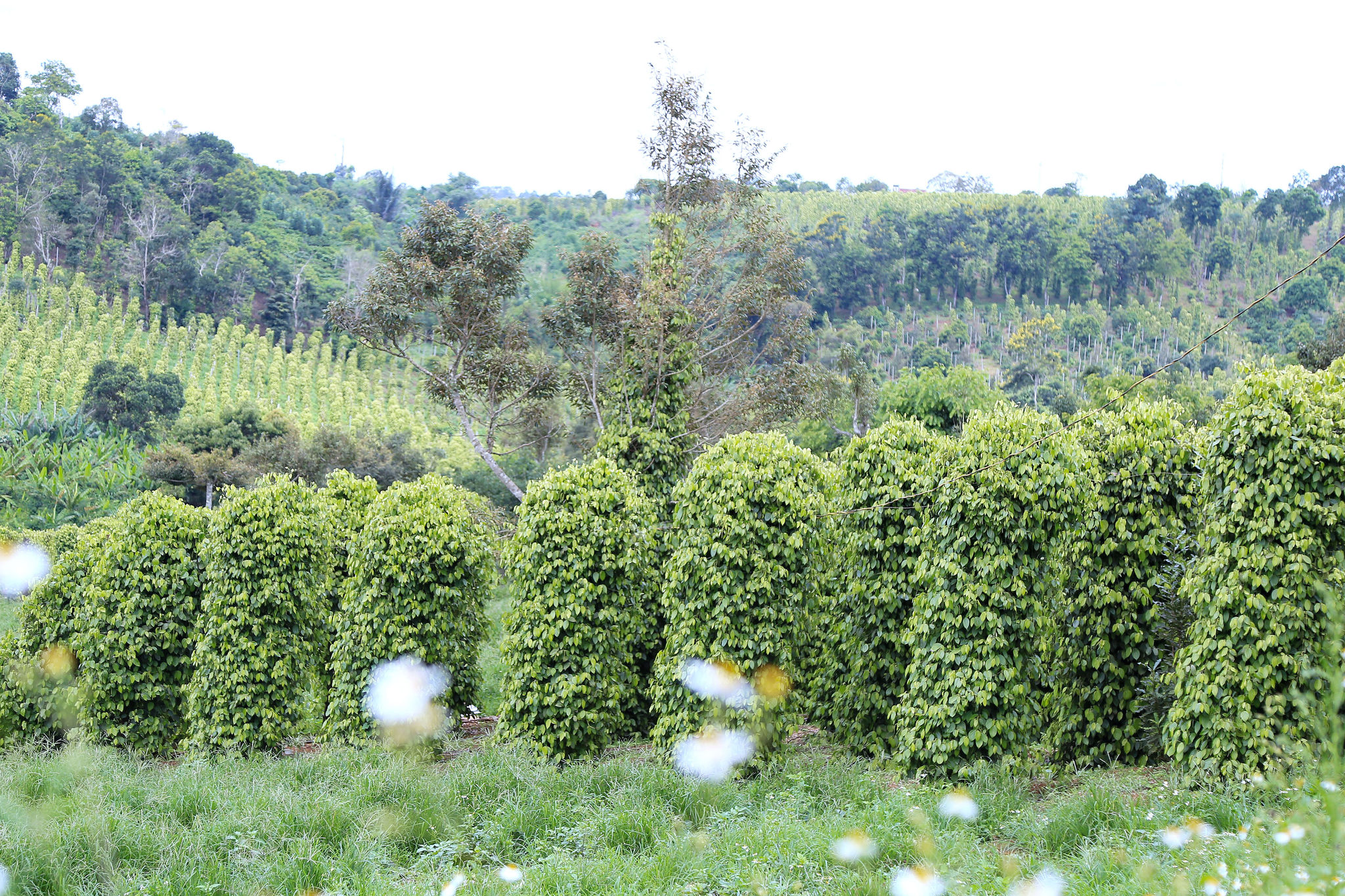
Across the production areas of Duc An Commune, the green pepper vines stretch across the red basalt soil. Rows of pepper plants lining residential areas create a distinctive landscape in a region where generations of local residents have been closely attached to the crop.
Duc An Commune was formed by merging Nam Binh Commune, Dak N'Drung Commune, and Duc An Town, encompassing an area exceeding 16,000 hectares and housing more than 33,000 residents. This newly expanded space offers advantageous conditions for organizing agricultural production on a larger scale, with pepper identified as one of the primary crops.
For many families, pepper serves not just as a source of income but also as a way of life shaped over many years. Farmers have gone through seasons of both soaring and plummeting prices, along with times when they needed to adapt their agricultural methods to keep their plantations thriving. This situation further illustrates that having an extensive production area does not automatically lead to high value or guarantee sustainable development.
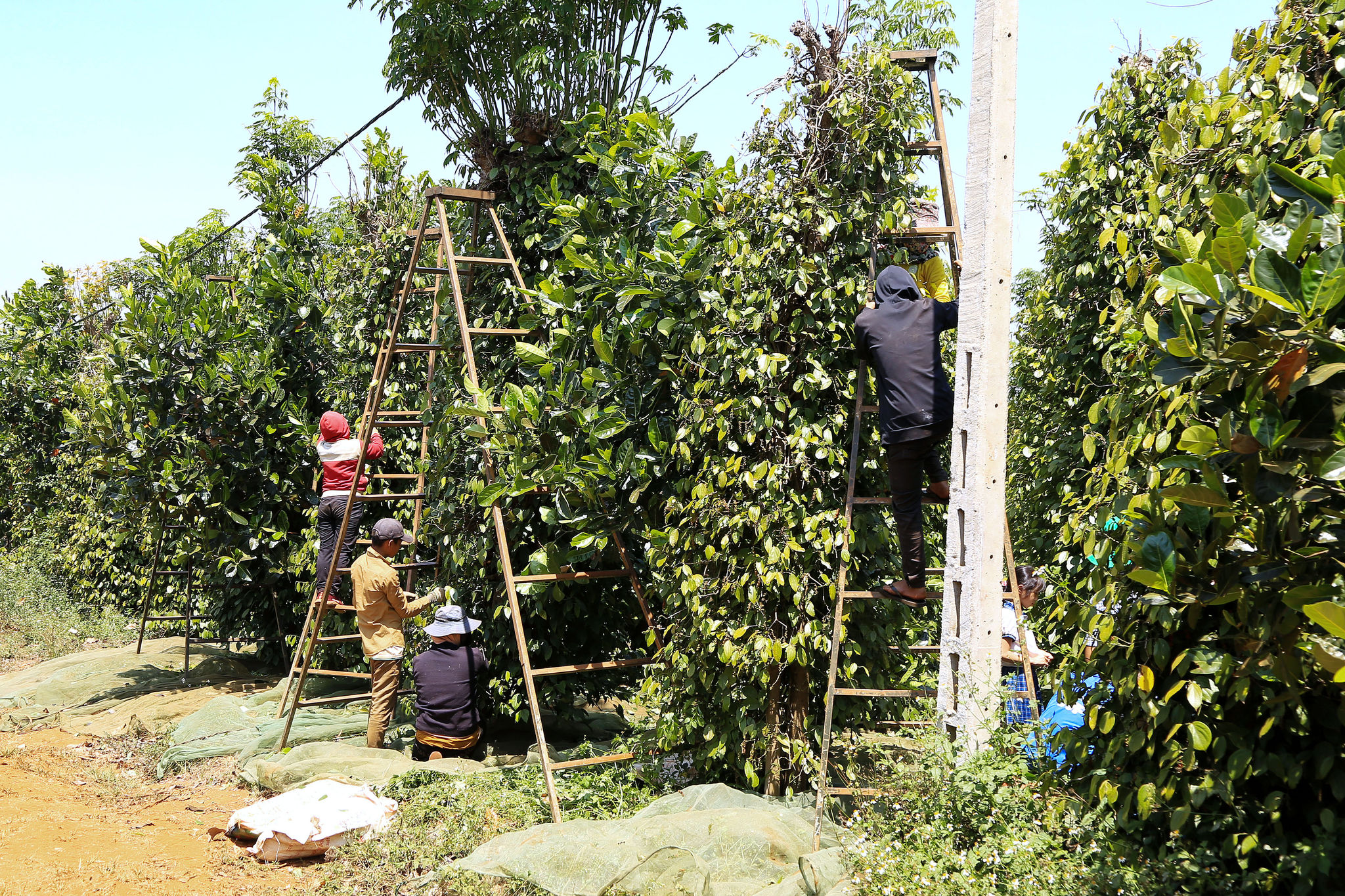
As a result, Duc An is redirecting its efforts from expanding land area to enhancing the quality and value of production per unit. This change starts on each pepper farm, where there is a greater emphasis on using organic fertilizers and biological products, implementing water-saving irrigation techniques, and more rigorously managing the use of plant protection chemicals.
Farmers receive training and technology transfer support focused on improving soil health, managing pests and diseases, optimizing input usage, and maintaining production records. An increasing number of pepper fields are adopting VietGAP, Vietnamese and international organic standards, Rainforest Alliance, Grown for Good and other certification schemes.
According to Le Hoang Vinh, Vice Chairman of the People's Committee of Duc An Commune, the key change lies not only in farming techniques but also in production mindset. Whereas growers previously focused mainly on how many tons of pepper could be harvested per hectare, they now have to consider standards, traceability and the requirements of export markets.
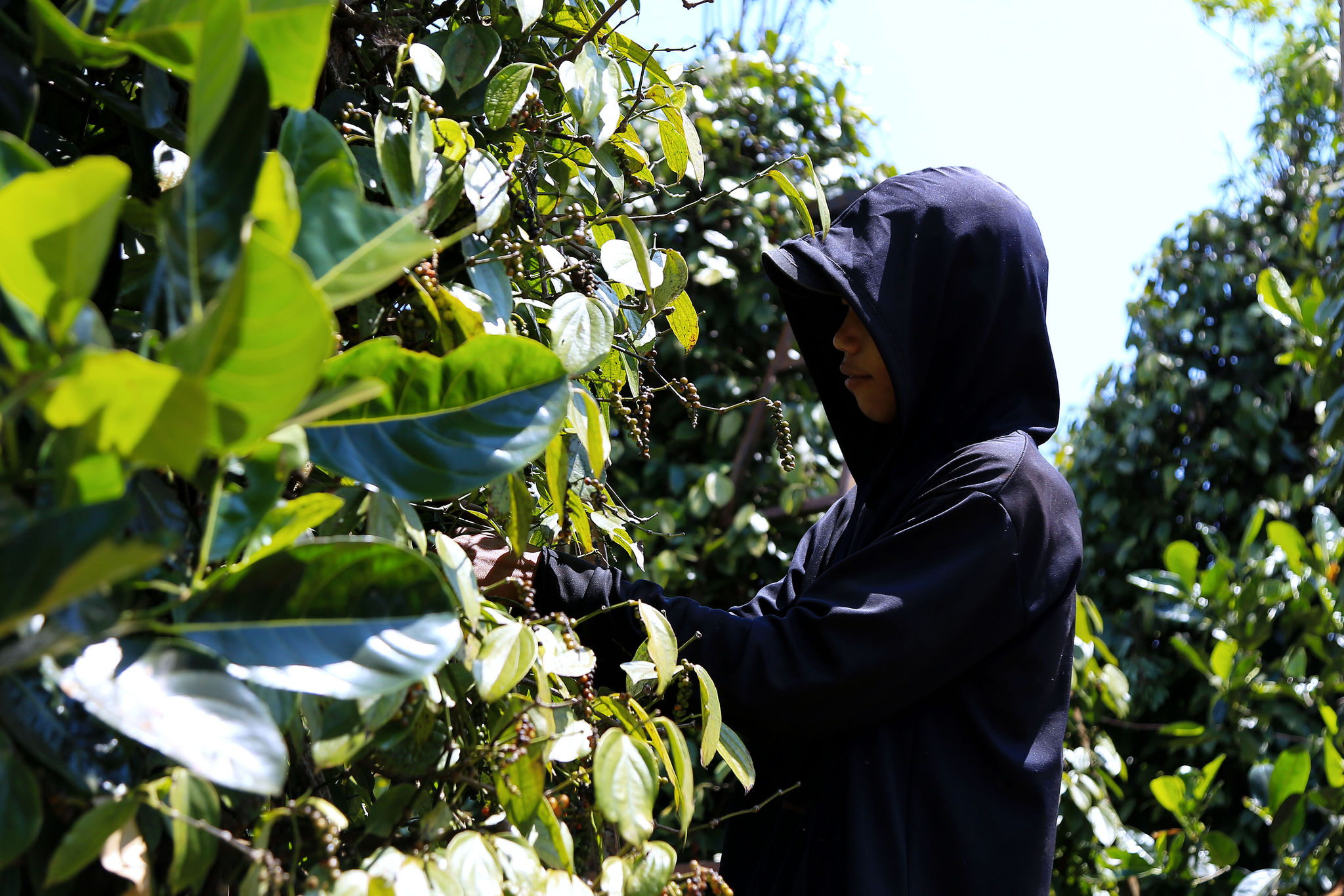
Farmers must diligently manage inputs, keep a record of every production phase, and adapt their traditional farming practices. Nevertheless, this is the way to have Duc An pepper recognized for its quality rather than just its quantity.
However, changes on individual farms are only the first step. To increase the value of the 4,500-hectare production area, growers must be linked through a value chain that ensures quality control and market access.
According to the Lam Dong Department of Agriculture and Environment, the province currently has around 37,200 hectares dedicated to pepper cultivation, producing approximately 85,200 tons annually. With over 4,500 hectares and an annual output of 11,000–12,000 tons, Duc An accounts for about 12% of the pepper-growing area in the province and 13–14% of the overall production.
Building a value chain to enhance the value of Duc An pepper
In the past, many pepper farmers depended on their own expertise and primarily sold their crops to traders during the harvest season. This production method made it challenging to maintain consistent quality across the extensive cultivation area, particularly as markets impose increasingly stringent standards for food safety and traceability.
To overcome these challenges, Duc An is encouraging farmers to join cooperatives and cooperative groups and establish production partnerships with businesses. This approach is gradually helping to organize the cultivation area in a more structured manner, with farmers adhering to standardized procedures while businesses engage in quality control and market development.
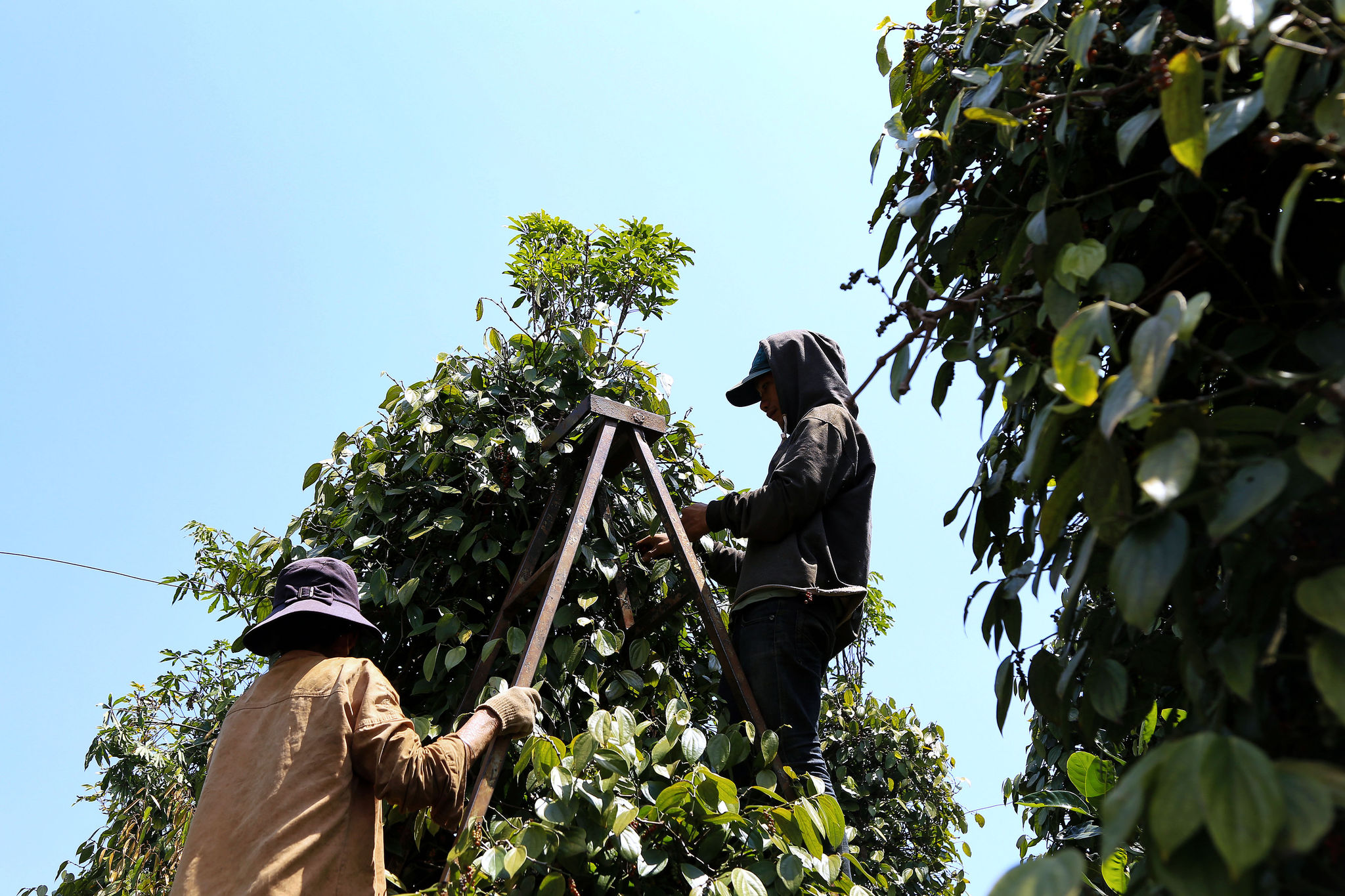
A noticeable transformation can be observed in numerous cooperatives throughout Duc An Commune. Rather than each family managing its pepper gardens based on its own experience, members of the cooperatives are increasingly adopting standardized procedures, regulating inputs, and maintaining cultivation records to fulfill organic production standards.
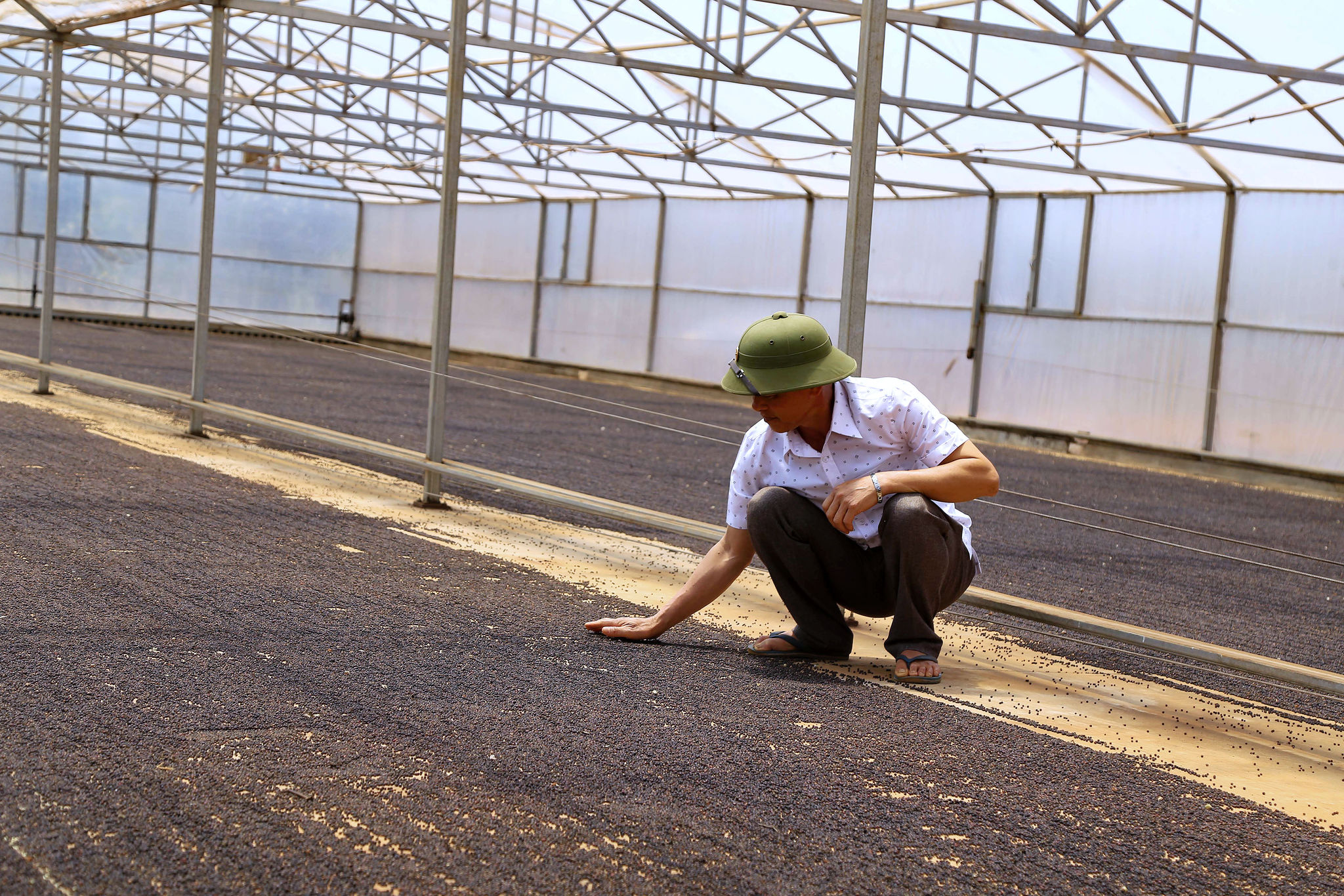
Tasks that may seem minor, such as documenting the types of inputs utilized and the timing of cultivation and harvesting, have become fundamental to ensuring quality control and traceability. Cooperatives serve as a link, aiding farmers in accessing technical knowledge and establishing connections with buyers.
Certain businesses also collaborate with farmers from the start of the growing season, offering technical advice, mandating production diaries, and overseeing pesticide levels. These partnerships allow businesses to guarantee a consistent supply of compliant raw materials while providing farmers with improved access to reliable markets.
As reported by the People's Committee of Duc An Commune, collaboration among local authorities, businesses, cooperatives, and farmers is establishing a foundation for the sustainable growth of the local pepper sector. Each player has a specific role, yet they all share the common objective of producing high-quality, safe, and competitive products.
This demand has become increasingly pressing as the global pepper market experiences significant shifts. Hoang Thi Lien, Chairwoman of the Vietnam Pepper and Spice Association, stated that by 2025, Vietnam was expected to retain its position as the world's leading producer and exporter of pepper, representing roughly 36.3% of the worldwide supply.
At the same time, significant markets like the EU, the United States, Japan, South Korea, and China are enforcing stricter regulations regarding food safety, traceability, production transparency, and environmental accountability.
Thus, a large raw material area becomes a genuine advantage only when production follows standardized procedures and products are traceable from farm to market.
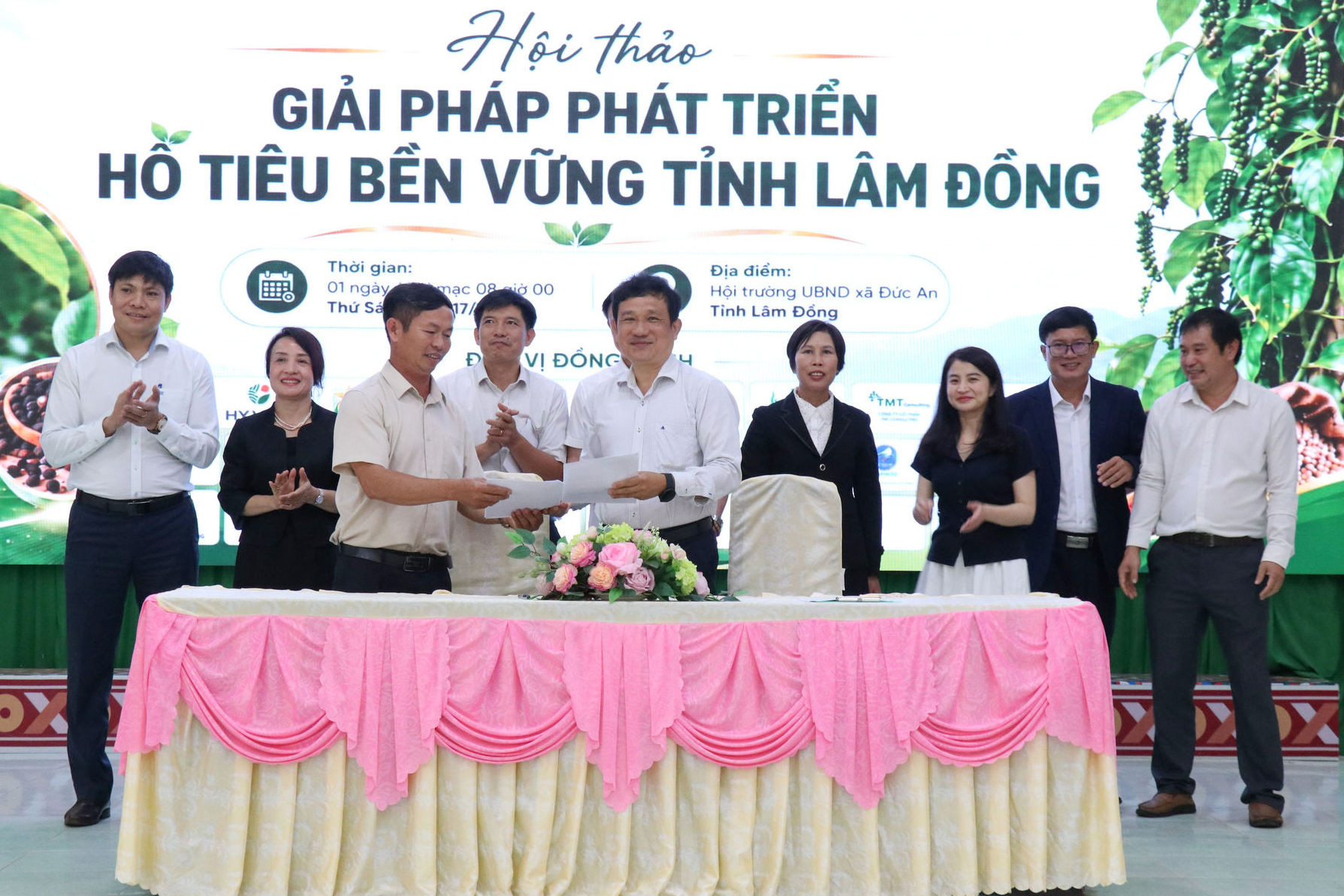
In light of this situation, Duc An is poised to lead the clean pepper value chain in Lam Dong from 2026 to 2030. This creates an opportunity for the region to reorganize the industry and establish connections between farmers, cooperatives, and processing and export companies.
Nonetheless, officials from the Lam Dong Department of Agriculture and Environment indicated that meeting production standards is just one aspect of the challenge. To capture more value within the locality, Duc An must draw investment into preliminary processing, storage, and advanced processing, while also implementing digital technologies for managing cultivation areas and tracing product origins.
Ultimately, the success of the transformation must be measured by the benefits it brings to pepper growers. When products meet standards, have stable market access and become more deeply integrated into the value chain, pepper will be valued not only for its volume but also for its quality, traceability and reputation linked to its origin.