

Duc Thanh School — Where President Ho Chi Minh’s Legacy Continues to Inspire Lam Dong
Marking the 136th anniversary of President Ho Chi Minh’s birth (May 19, 1890 – May 19, 2026), millions of Vietnamese people once again turn their hearts toward the beloved leader with profound respect and gratitude. In Lam Dong today — the land that once welcomed young Nguyen Tat Thanh before his journey abroad to seek a path for national salvation — Duc Thanh School quietly preserves sacred memories of Uncle Ho.
Marking the 136th anniversary of President Ho Chi Minh’s birth (May 19, 1890 – May 19, 2026), millions of Vietnamese people once again turn their hearts toward the beloved leader with profound respect and gratitude. In Lam Dong today — the land that once welcomed young Nguyen Tat Thanh before his journey abroad to seek a path for national salvation — Duc Thanh School quietly preserves sacred memories of Uncle Ho.
.png)
More than a century has passed, yet from this old school, the light of Ho Chi Minh’s ideology and moral character continues to radiate, becoming a spiritual foundation that inspires people with greater faith and determination to build an increasingly prosperous homeland.

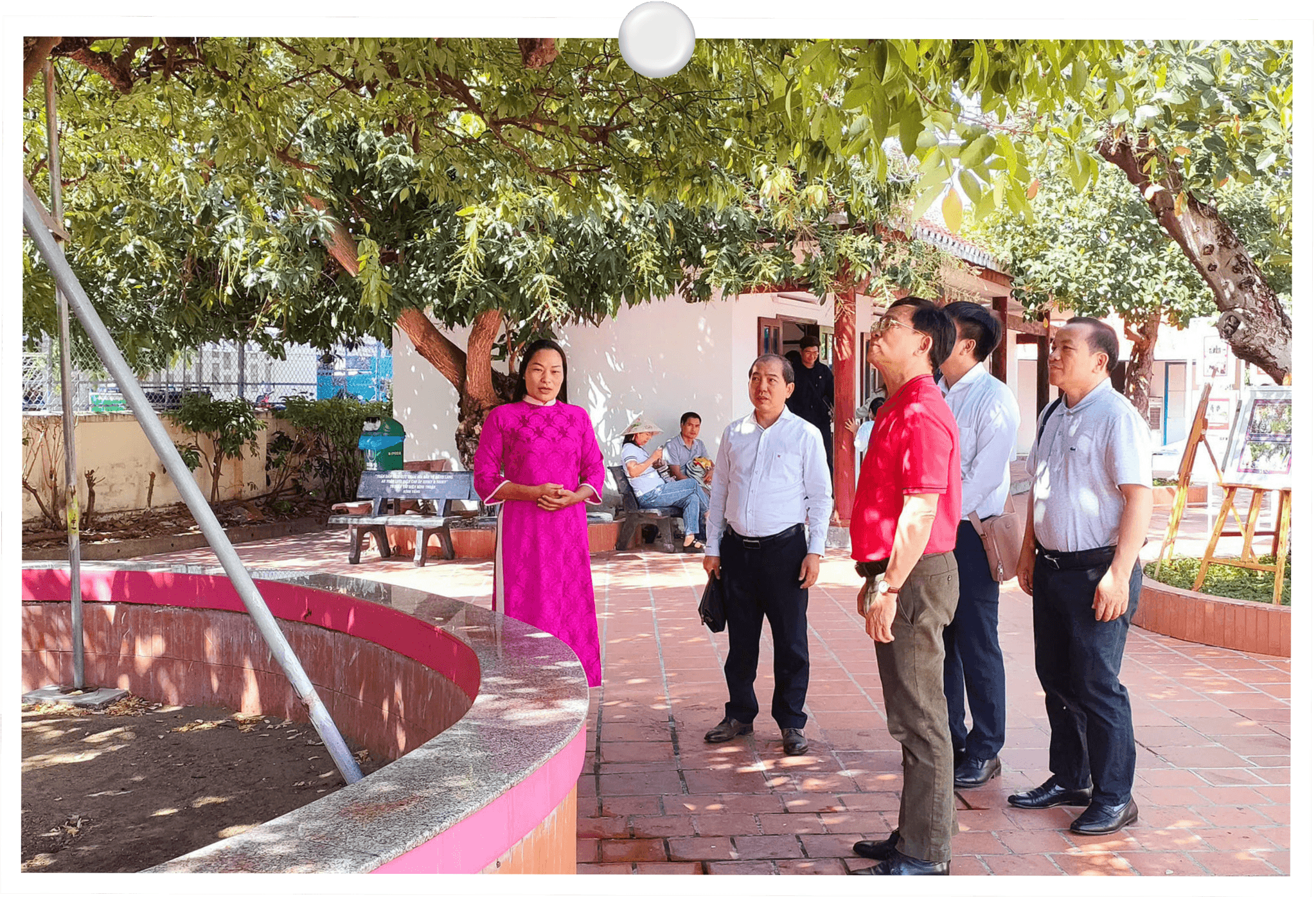
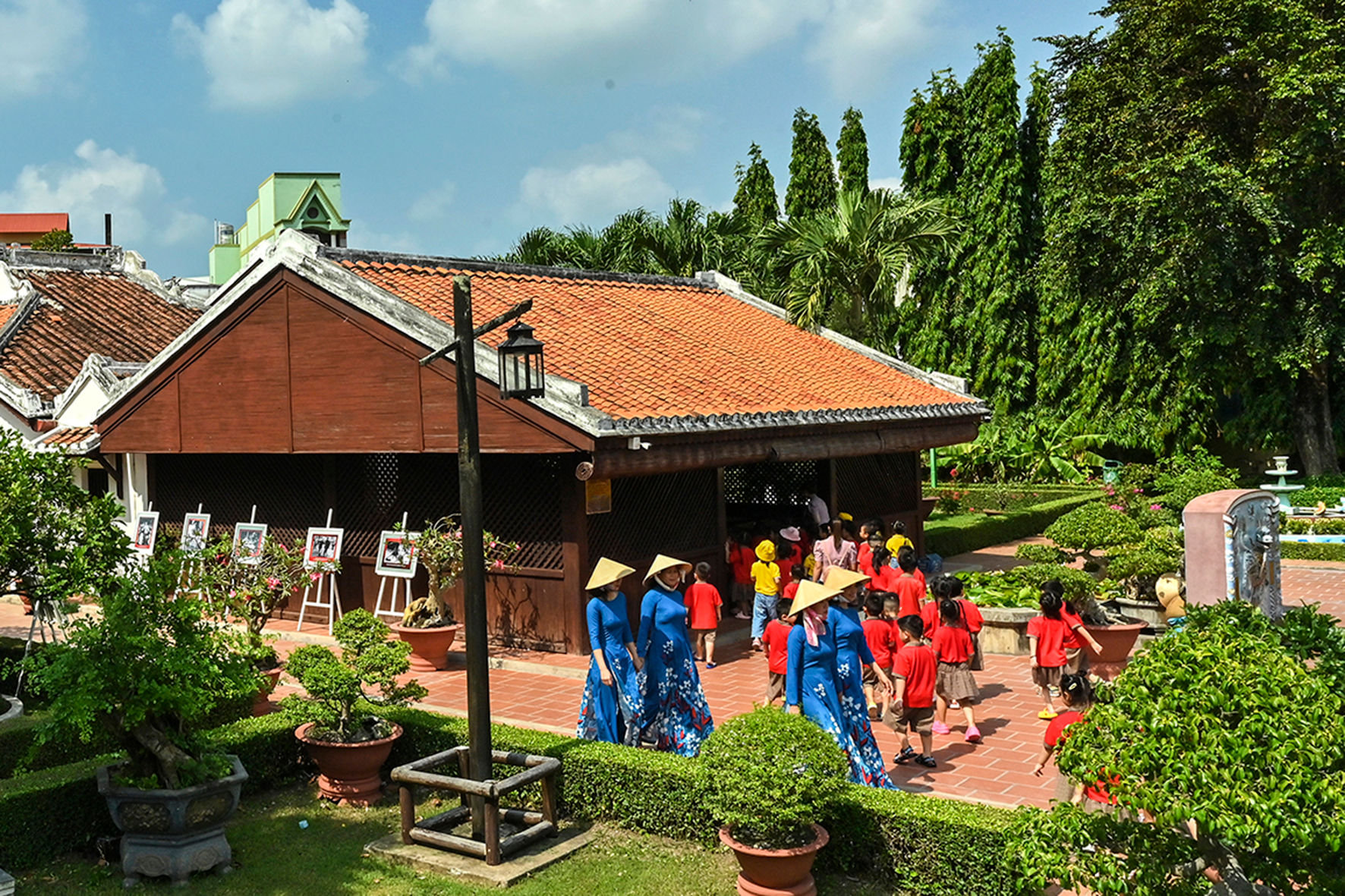
Each May, the Duc Thanh Historical Site in Phan Thiet Ward, Lam Dong Province welcomes visitors from across the country. Amid the ancient atmosphere of the moss-covered tiled roofs, rustic wooden walls and green gardens shaded by trees, visitors naturally slow their steps, as though afraid to disturb the quiet memories preserved here.
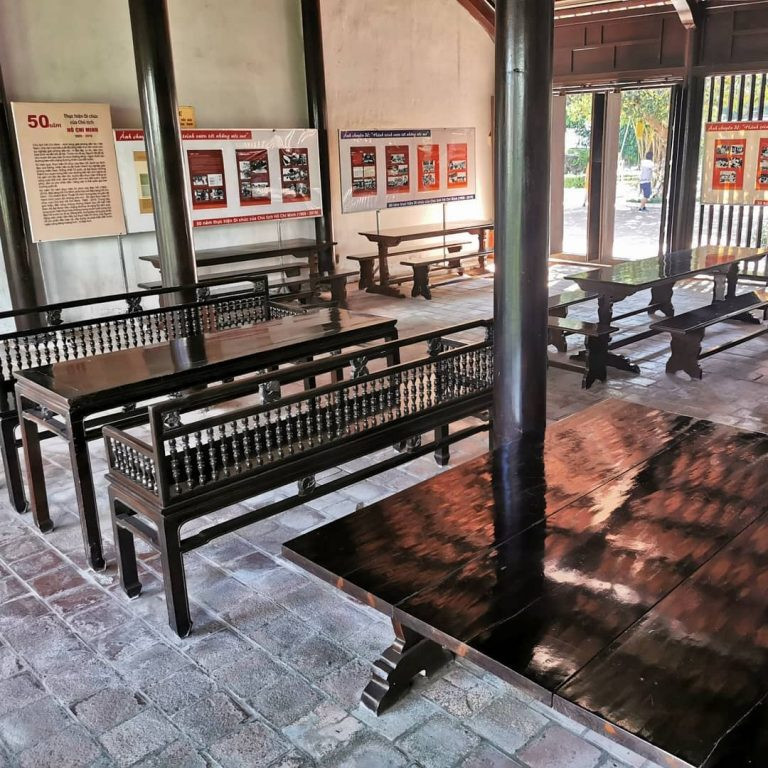
Inside the site, old classroom desks, traditional wooden furniture, the writing table and the simple Ngu House have all been carefully preserved. Every artifact stands as a silent witness to history, recalling the days when young teacher Nguyen Tat Thanh lived, taught and nurtured great aspirations for the future of the nation.
In early September 1910, during his journey from Quy Nhon to Sai Gon in search of a way to learn from the West and save the country, young patriot Nguyen Tat Thanh stopped in Phan Thiet and began teaching at Duc Thanh School.
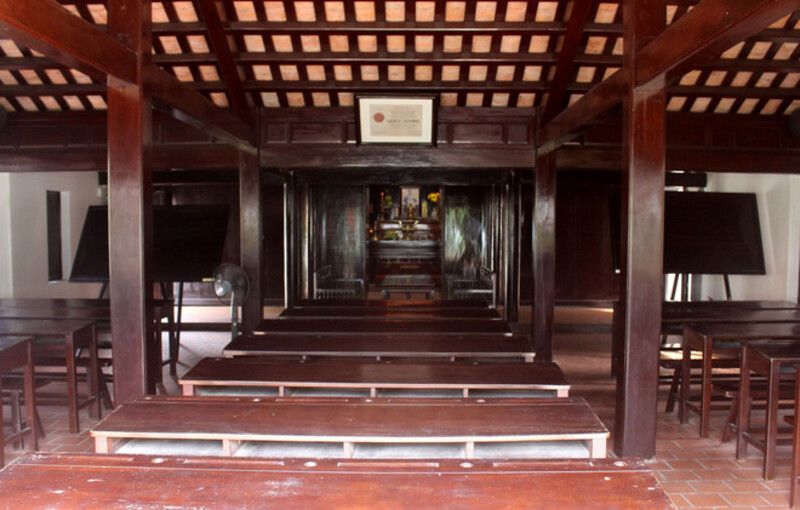
Founded in 1907 by patriotic Confucian scholars, the school embodied the aspiration to expand public education, awaken patriotism and strengthen the self-reliant spirit of Vietnamese youth. It was within this environment that Nguyen Tat Thanh found a meaningful stop on his revolutionary journey.
.jpg)
From late 1910 to February 1911, teacher Nguyen Tat Thanh taught Chinese characters, "Quoc Ngu" script and physical education at the school. Beyond academic lessons, he instilled in students a love of the homeland, national pride and a sense of responsibility toward the country.
His lessons extended far beyond textbooks. They included stories about the destiny of the nation, the aspiration for independence and freedom, and the future of the Vietnamese people.
Outside the classroom, Nguyen Tat Thanh devoted himself to reading books and studying progressive ideas such as human rights, civil rights, freedom, equality and fraternity. At the same time, he learned maritime skills from local fishermen, including navigation techniques and methods to overcome seasickness — quiet preparations for the great journey that awaited him.
More than one hundred years after his departure from Duc Thanh School, the artifacts associated with him remain carefully preserved. The classroom furniture he once used, the writing desk, the wooden resting platform and the modest "Ngu House" have all become invaluable historical treasures.
Particularly symbolic is the starfruit tree within the school grounds, once tended by Uncle Ho himself. It still grows lush and green today, becoming a living symbol of memory and gratitude. Local residents affectionately call it “Uncle Ho’s Starfruit Tree,” preserving his image in contemporary life.
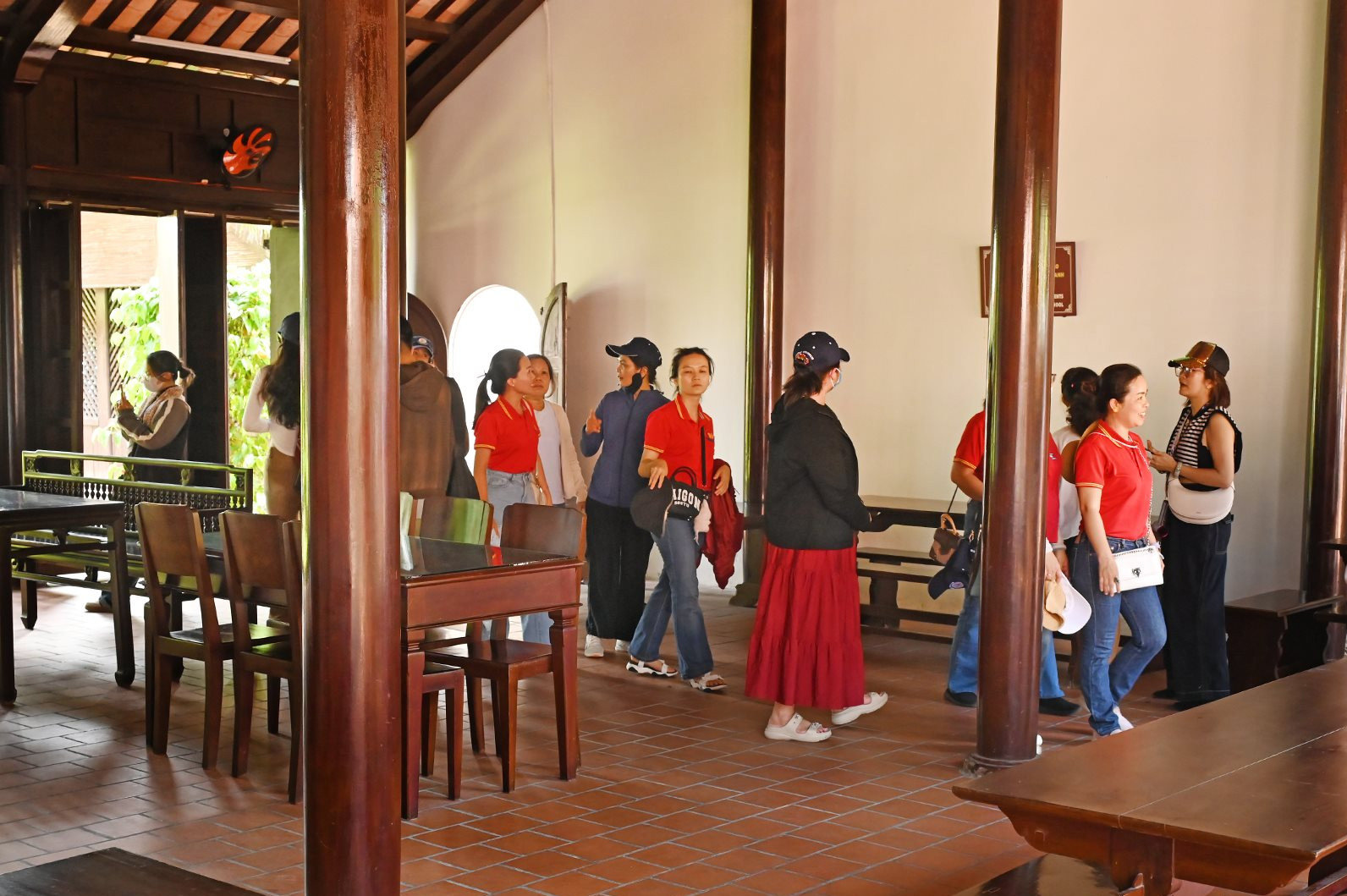
Le Thi Thu Hien, a teacher from Hong Son Commune, shared that although she has visited Duc Thanh School many times, every return still brings the same emotion and reverence.
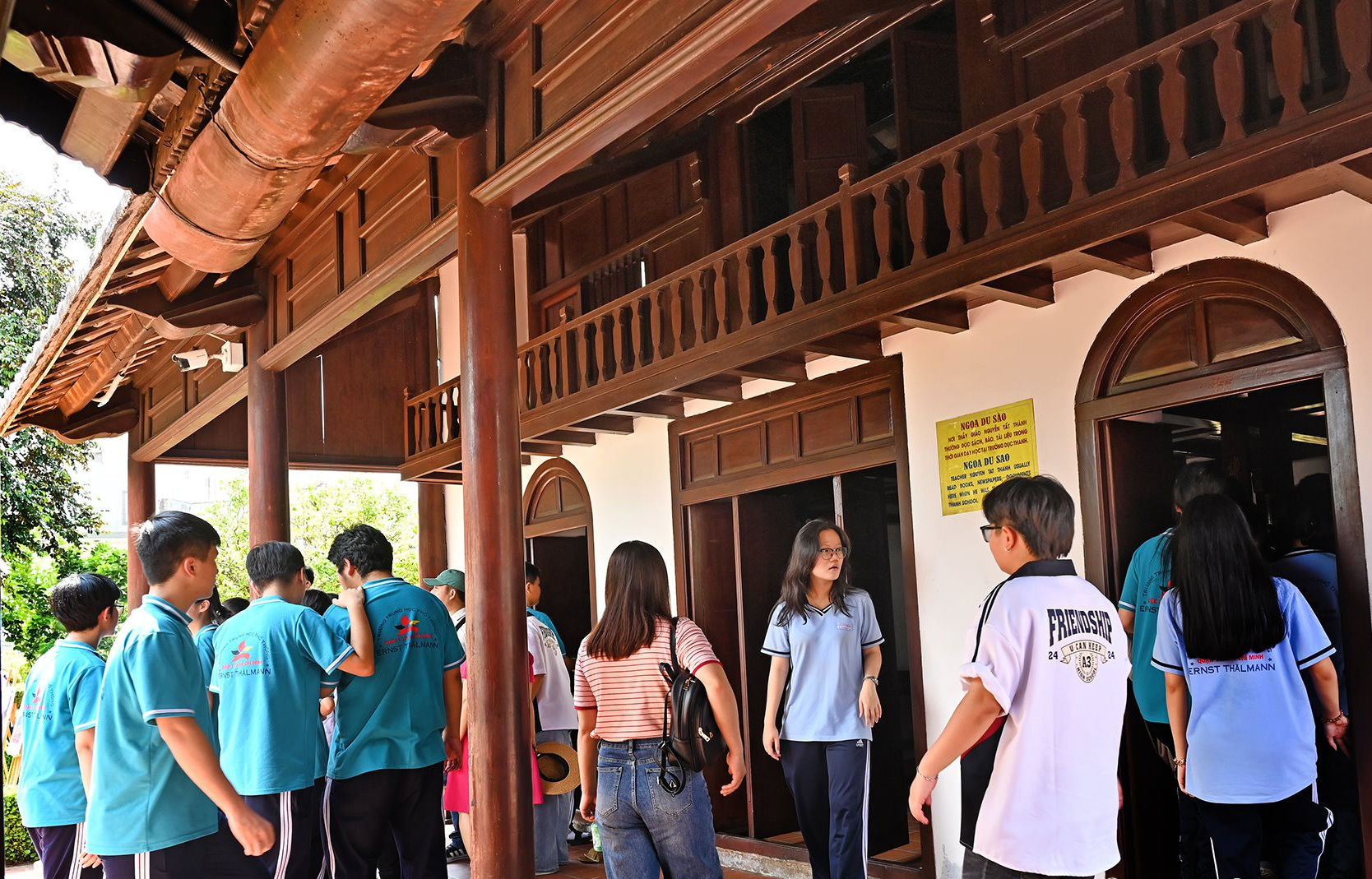
“For me, this is not only a historical site but also a sacred place that nurtures pride in our homeland and in beloved Uncle Ho,” she said. “Every time I come here, I feel reminded to live more responsibly and appreciate the values I have today.”
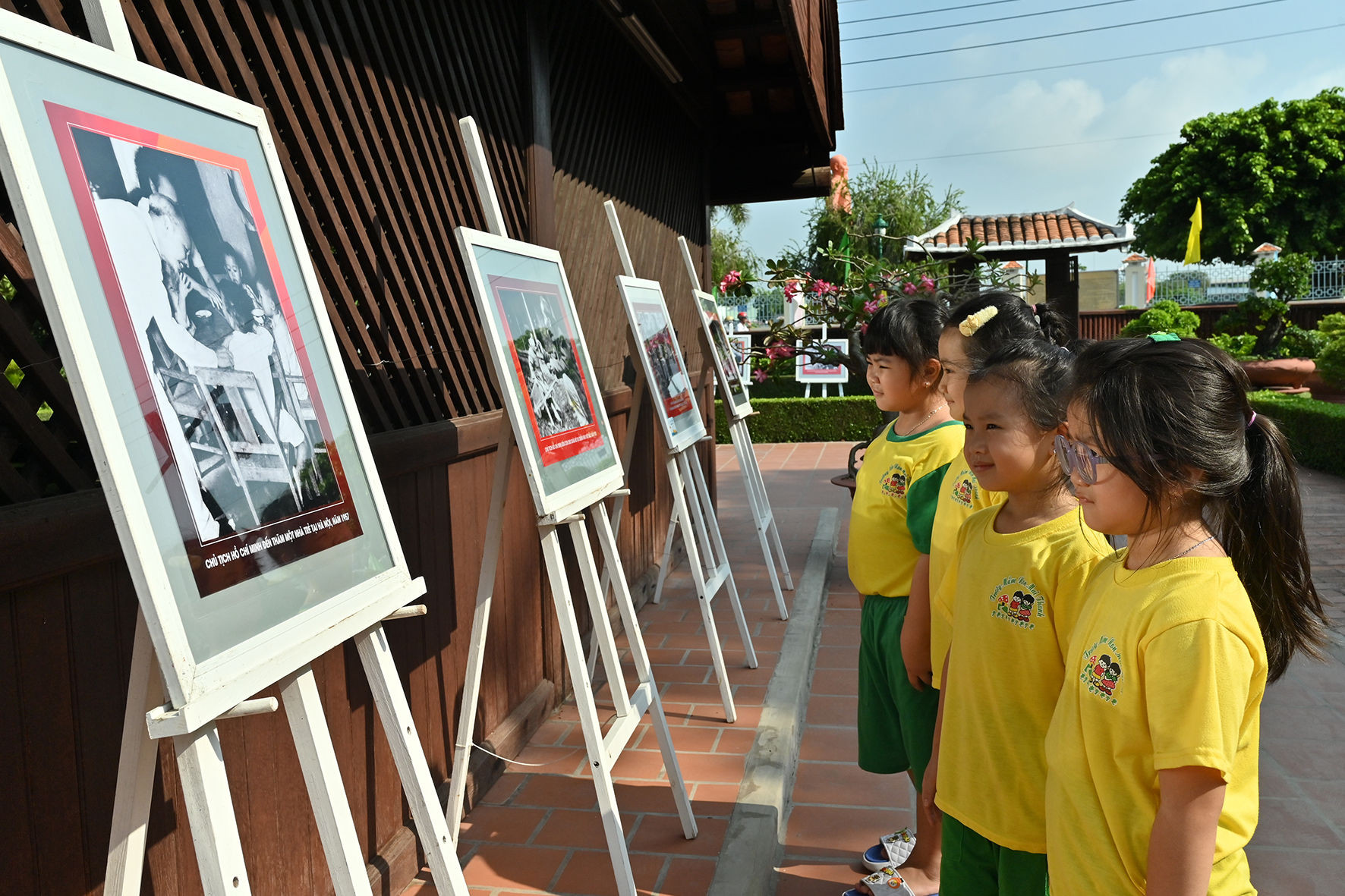
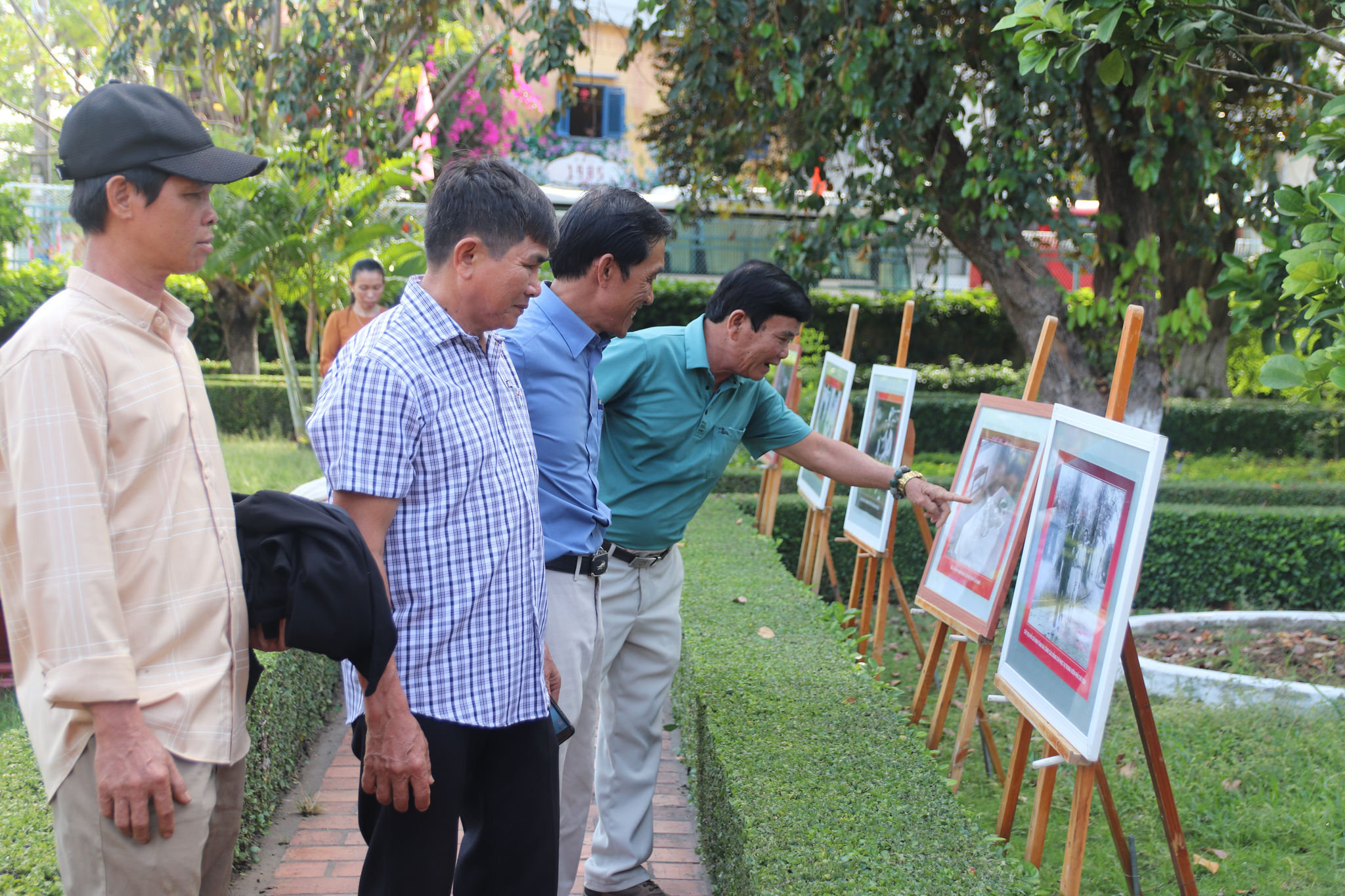
Today, the Duc Thanh Historical Site and the Ho Chi Minh Museum — Binh Thuan Branch have become not only historical destinations but also “red addresses” for revolutionary tradition education.
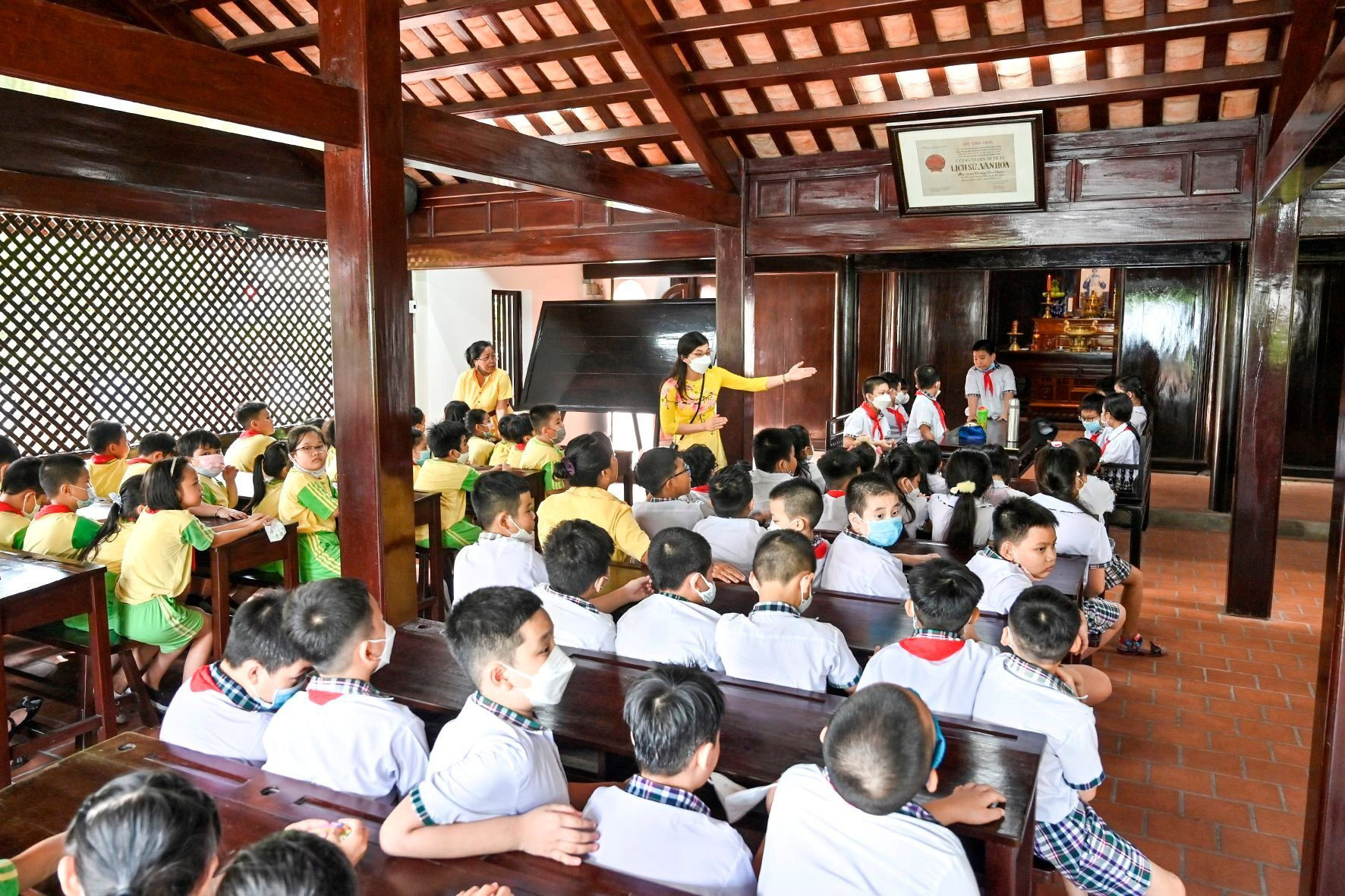
Every year, thousands of students, youth union members and visitors come to learn about the life, ideology and moral example of President Ho Chi Minh.
Within this simple and peaceful setting, visitors gain a deeper understanding of former Prime Minister Pham Van Dong’s famous reflection: “Ho Chi Minh was great yet never distant, modern yet never unfamiliar.” The more people learn about him, the more they recognize the extraordinary character hidden within his remarkable simplicity — a modest life entirely devoted to the destiny of the nation.
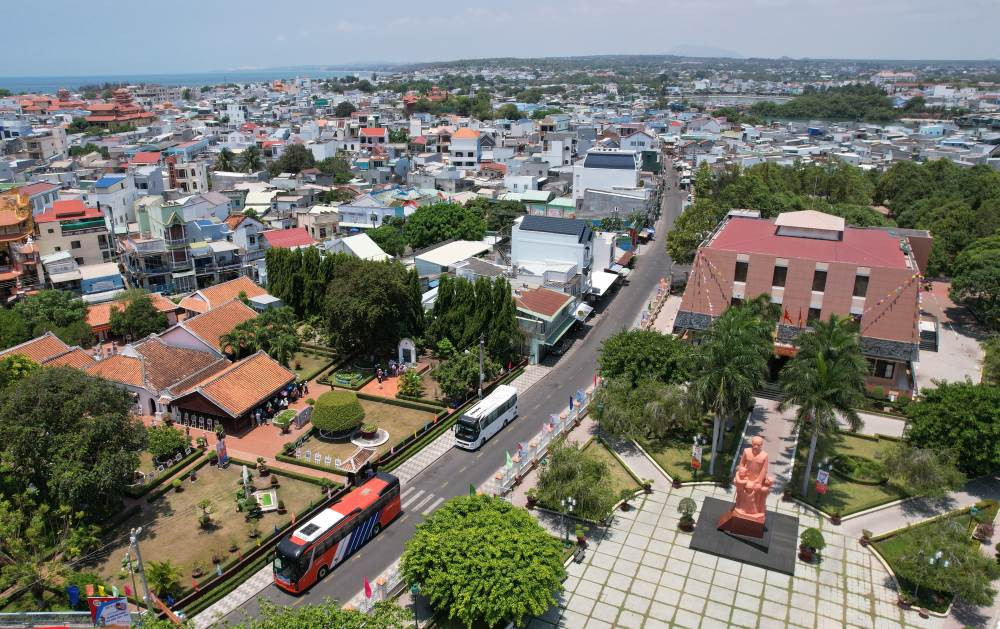
.jpg)
.jpg)

For the Provincial Party Committee, authorities and people of the province, Duc Thanh School is not only a place preserving historical memories of President Ho Chi Minh but also a special spiritual foundation.
.jpg)
From his lessons on patriotism, self-reliance and dedication to the people, Lam Dong today draws additional motivation to unite, overcome challenges and effectively harness its potential for rapid and sustainable development.
Following the administrative merger, Lam Dong has become a mountainous coastal province spanning the South Central Coast and the Central Highlands regions, possessing the unique advantage of both “golden forests” and “silver seas.” This connection opens new development space while creating momentum for regional economic corridors.
In 2025, the province maintained strong economic growth momentum. State budget revenue exceeded VND 31.5 trillion, 18% above the target assigned by the central government, while the tourism sector welcomed nearly 21 million visitors, reaching 115% of the annual plan. These results clearly reflect the locality’s strong transformation and growing momentum in its development process.
Entering 2026 with strong determination from the very beginning of the year, the province has continued implementing socio-economic development tasks in line with Government directives. In the first quarter of 2026, key economic sectors maintained growth momentum, while investment attraction recorded positive changes with 10 approved projects totaling more than VND 54.6 trillion in registered capital.
Alongside economic development, Lam Dong continues prioritizing social welfare policies, improving living standards, ensuring national defense and security, and maintaining social order and safety. Culture, education, healthcare and sports have also received continued investment, laying the foundation for improving people’s quality of life.
At the same time, Party-building efforts have been carried out comprehensively. Deeply imbued with President Ho Chi Minh’s teaching that “Our Party is morality and civilization,” the province consistently focuses on building a contingent of officials and Party members who are responsible, close to the people and exemplary in action, following the principle of “actions matching words.”
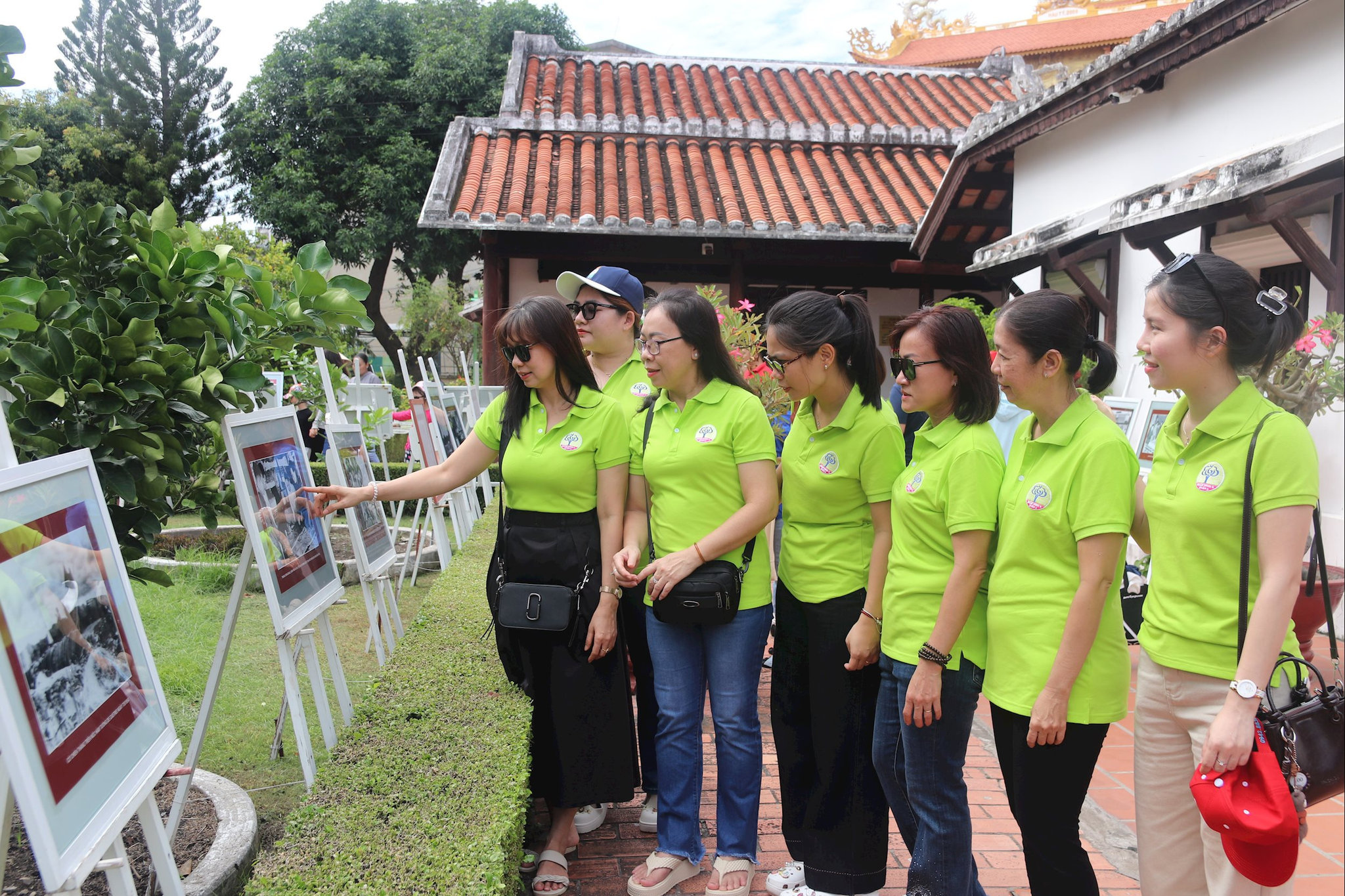
These achievements reflect not only socio-economic progress but also the solidarity, responsibility and aspiration for development shared by the Party Committee, authorities and people throughout the province.
Before the sacred memory of President Ho Chi Minh, today’s generations pledge to continue upholding the strength of great national unity, intensifying Party-building efforts, and effectively harnessing local advantages to build a more prosperous and civilized homeland.
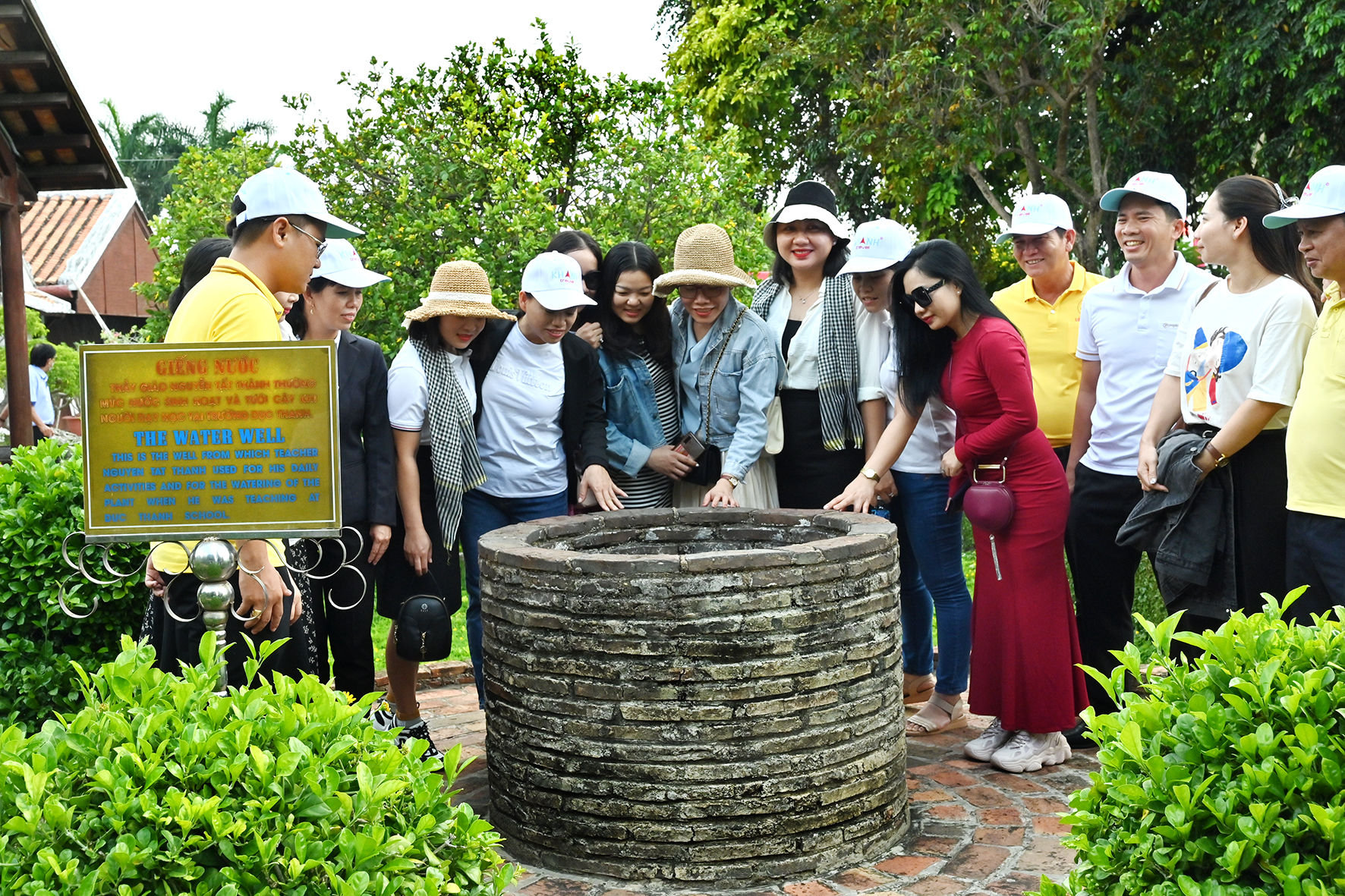
Ho Chi Minh’s ideology remains the foundation and guiding compass for every policy and development strategy of Lam Dong Province. Studying and following his moral example has been translated into concrete development goals that place people at the center and consider the happiness of the people as the ultimate objective.
For the 2025–2030 period, Lam Dong aims to achieve average GRDP growth of 10–10.5% annually, raise GRDP per capita to between USD 6,700 and USD 7,500, increase the Human Development Index (HDI) to approximately 0.75, and fundamentally eliminate poverty.
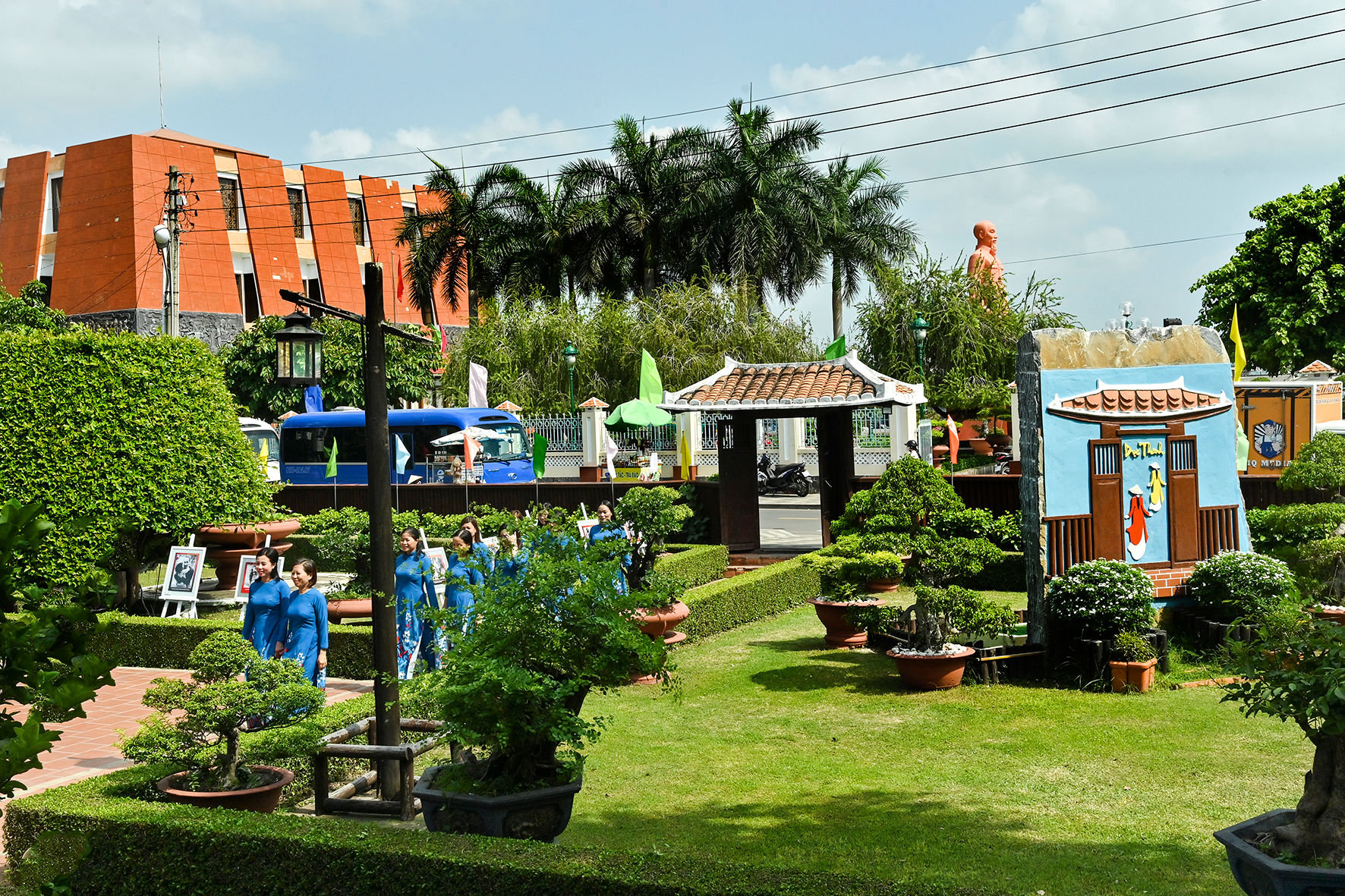
The journey ahead will still involve many challenges. Yet from the spiritual foundation symbolized by Duc Thanh School, and from the enduring light of Ho Chi Minh’s ideology and morality, Lam Dong today gains greater determination to move forward confidently.
The footsteps of young Nguyen Tat Thanh more than a century ago continue to quietly remind each generation of its responsibility to contribute, its aspiration to build a prosperous homeland, and its duty to honor the immense sacrifices made by previous generations.