


Early Results from Lam Dong's Universal Health Screening Campaign
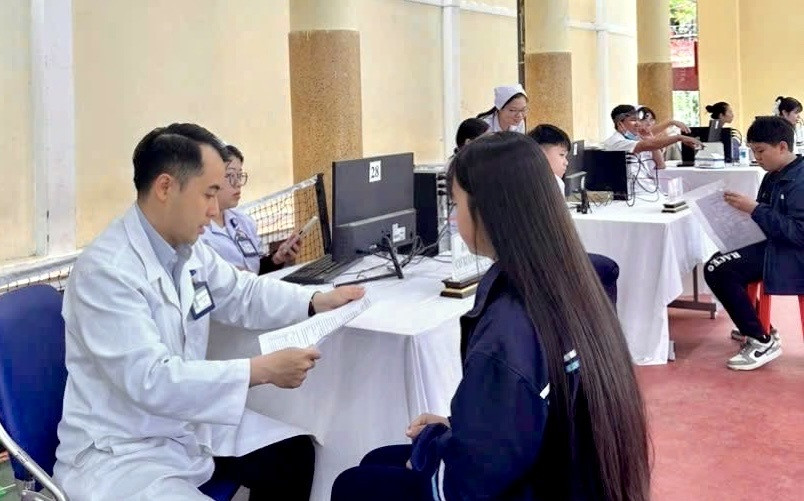
Lam Dong Province's 2026–2030 Periodic Health Check-up and Free Health Screening Campaign has recorded encouraging initial results as of early July 2026. However, authorities say several operational challenges remain and will require coordinated solutions as the program expands.
Strong Mobilization Delivers Early Progress
Following the issuance of the implementation plan by the Lam Dong Provincial People's Committee, the province's political system and healthcare sector moved quickly to launch the campaign.
Provincial authorities promptly allocated the first phase of funding and authorized the Department of Health to assign public service responsibilities, creating a supportive policy framework and ensuring financial resources for participating medical institutions.
The provincial health sector mobilized 34 medical facilities, including eight major hospitals and 26 regional health centers. Alongside routine medical services, doctors and healthcare workers established mobile medical teams and expanded working hours, including evenings and weekends.
As of July 9, 2026, health examinations had been provided to 738,568 residents, representing 18.9% of the campaign's overall target.
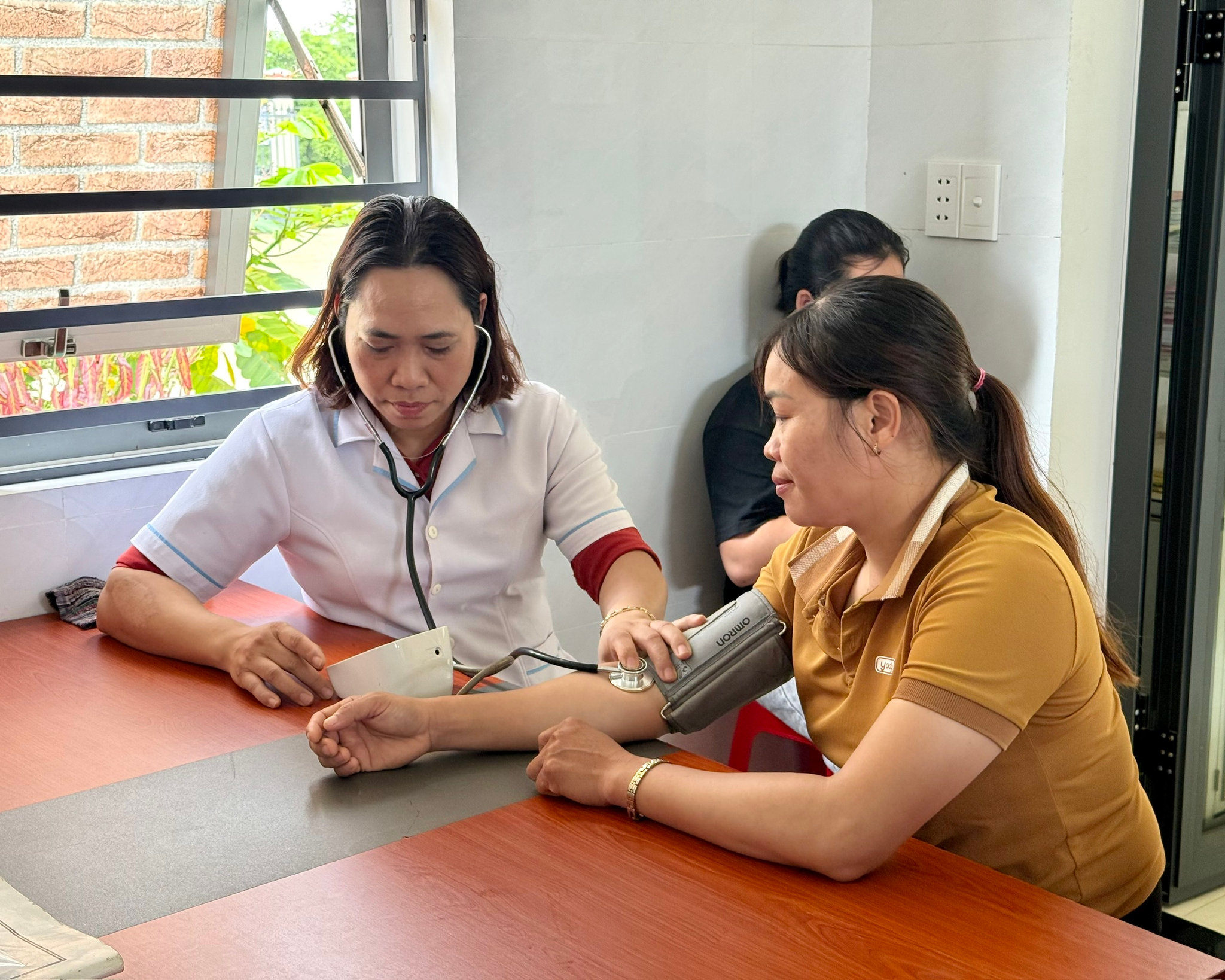
The campaign has achieved its strongest results among priority groups—children and students—through close coordination between the Department of Education and Training and healthcare providers.
- To date:
- 185,179 children under six years of age have received health examinations, achieving 61.3% of the target.
- 476,780 students aged 6–18 have completed health screening, equivalent to 69.5% of the target.
These figures reflect the province's growing emphasis on preventive healthcare by protecting public health through early detection and early intervention.
Village elder K'Drim of Quang Khe Commune said "Regular health check-ups for local residents are very meaningful. Village health workers frequently encourage people, especially older adults, to undergo health examinations. Children also receive regular check-ups and vaccinations every month. This is a practical policy that contributes significantly to improving community health."
Challenges at the Grassroots Level
Despite the encouraging progress, Dang Thuc Anh Vu, Deputy Director of the Lam Dong Department of Health, noted that the overall implementation pace remains slower than expected because of a number of systemic challenges.
The first challenge concerns geography and workforce capacity.
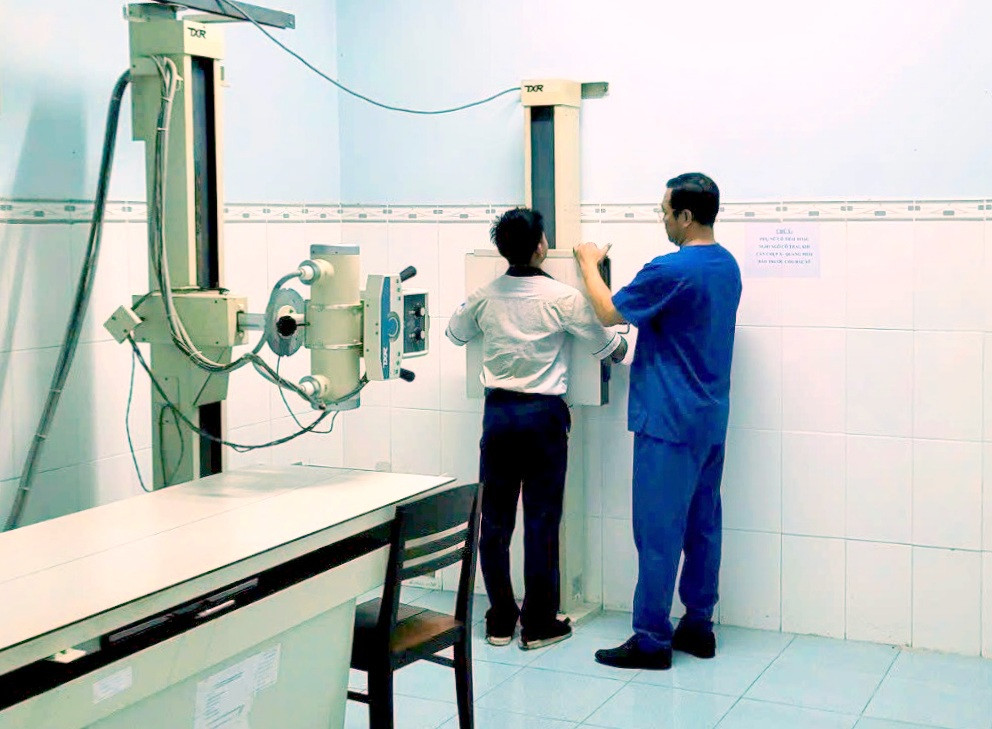
Many remote and mountainous areas remain difficult to access due to transportation constraints and dispersed populations. At the same time, grassroots healthcare facilities are under considerable pressure as they continue providing routine medical services while participating in the province-wide campaign.
A shortage of specialist physicians and information technology personnel has also limited the number of medical teams available, slowing implementation.
In addition, medical equipment needed for advanced screening—including laboratory analyzers and mobile X-ray units—remains insufficient.
Residents aged 18 and above are often required to travel long distances to regional health centers or hospitals for diagnostic imaging, discouraging participation.
Public awareness of preventive health screening also remains limited. Several local authorities reported that participation rates among adults over 18 have remained between 5% and 10%, despite extensive public information campaigns.
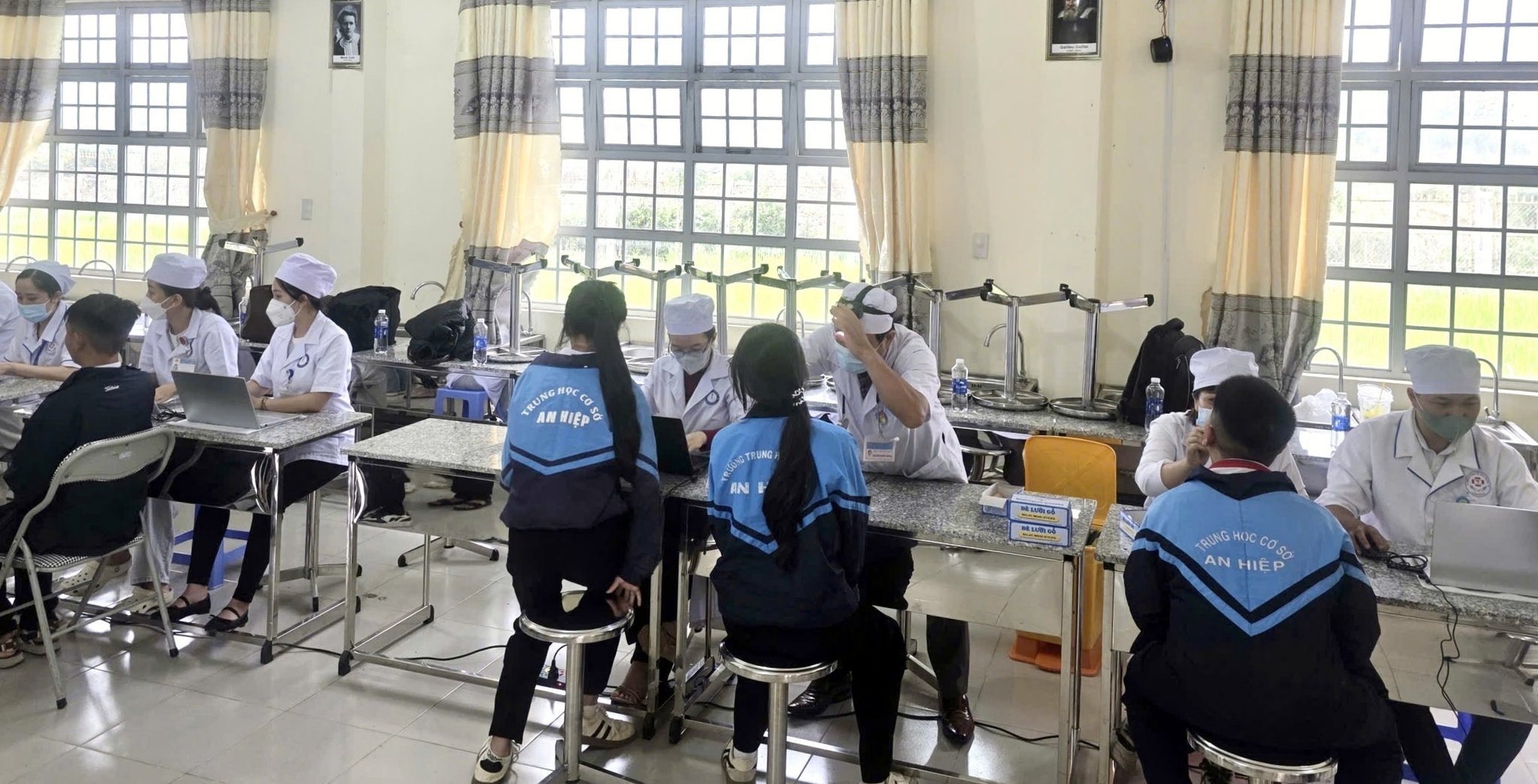
Beginning July 1, the campaign entered a new implementation phase under updated national guidelines.
Some commune health stations have not yet completed the certification procedures required to provide health examinations for residents aged six years and above, making professional support from higher-level medical facilities necessary.
To address these challenges, Lam Dong Province plans to implement a range of coordinated measures.
Commune and ward-level authorities will strengthen population management, improve the identification of eligible participants, and expand public communication efforts to encourage residents to attend health examinations.
Meanwhile, the health sector will continue updating professional guidance issued by the Ministry of Health and further optimize examination procedures based on medical indications.
Authorities will also accelerate the completion of digital health software and data integration to establish electronic health records through Vietnam's VNeID digital identification application.
"Universal healthcare is a long-term journey that requires persistence and the collective efforts of the entire community to build a healthier Lam Dong and achieve sustainable development."
Dang Thuc Anh Vu
Deputy Director, Lam Dong Department of Health