


Economic value of Camellia species in Lam Dong Province
The Camellia genus (Camellia L., Theaceae) comprises approximately 300 identified species worldwide. Particularly, Vietnam is home to nearly 90 species— accounting for about one-third of the global total—including more than 40 endemic species.
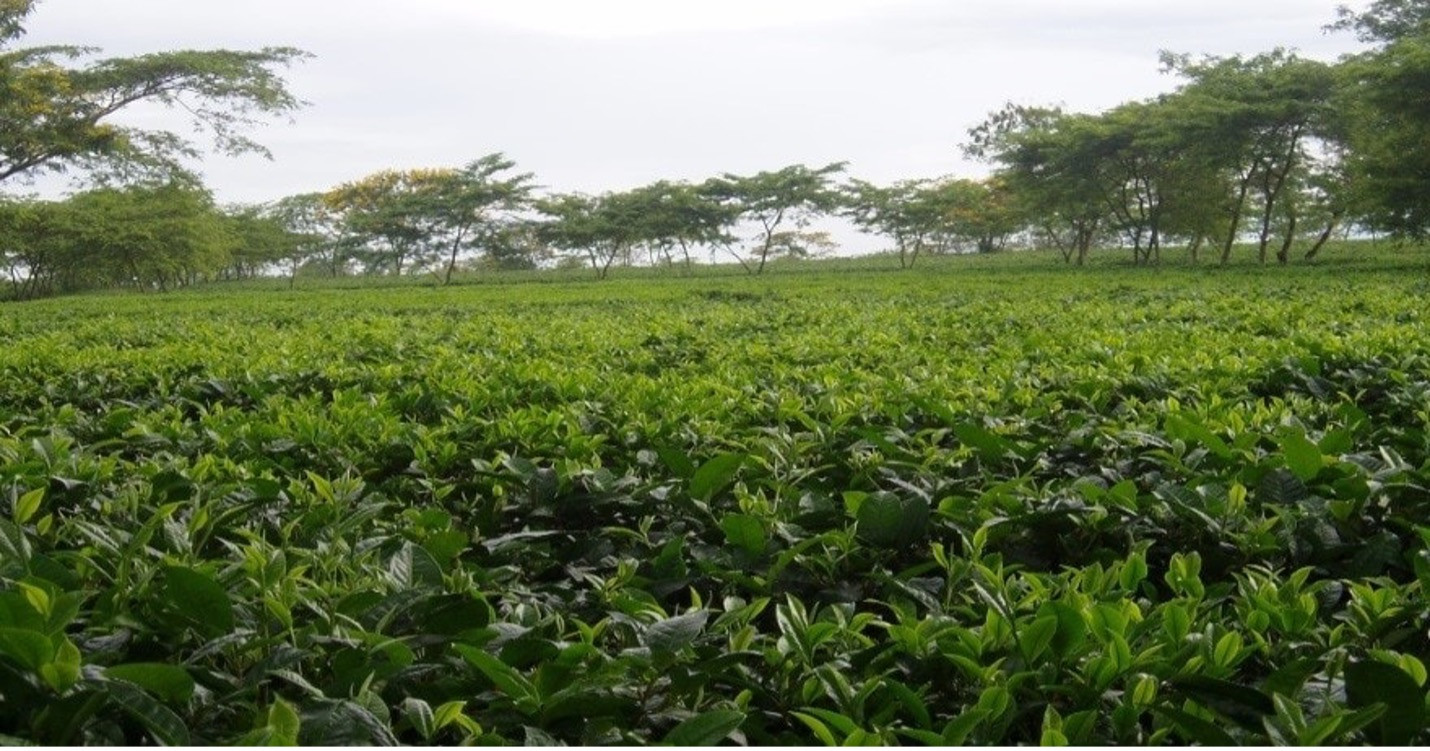
Camellia is the only plant genus that simultaneously provides the world’s entire tea supply (Camellia sinensis), includes Southeast Asia’s most valuable medicinal tea (golden camellia – Camellia chrysantha), and represents a high-end ornamental flower symbol (Camellia japonica). Despite its limited number of species, Camellia products support the livelihoods, health, and spiritual lives of over three billion people globally.
This genus is unique in that it simultaneously provides 100% of the world’s tea beverage supply (green tea), includes Southeast Asia’s most valuable medicinal tea (golden camellia), and represents a high-end ornamental flower symbol (camellia).
Economically, the Camellia sector generates more than USD 120 billion annually from tea, along with tens of billions of dollars from seed oil, cosmetics, and ornamental plants. This article focuses on the development potential of three key species—Camellia sinensis, Camellia chrysantha, and Camellia japonica—which show significant prospects for cultivation and value creation in Lam Dong Province.
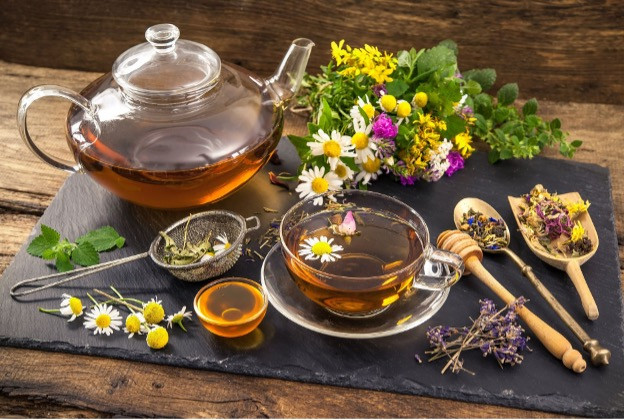
Green Tea – A Traditional Beverage
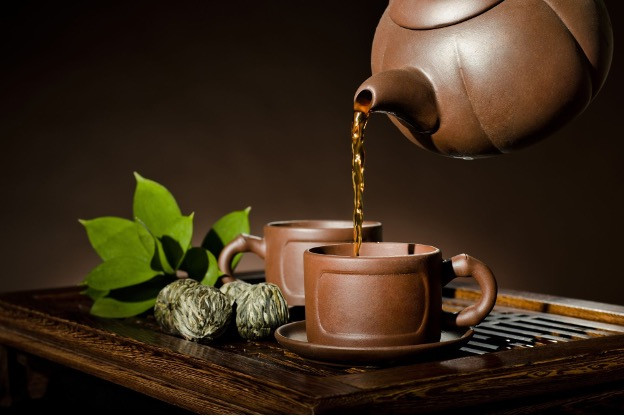
The tea plant (Camellia sinensis), the source of most tea consumed worldwide, originates from East Asia, particularly the border regions of Yunnan Province (China), Assam (India), Myanmar, and Vietnam. Genetic studies indicate that early domestication occurred along the Eastern India–Southwest China border around 2,000–3,000 years ago, with Vietnam recognized as one of the world’s cradles of tea cultivation.
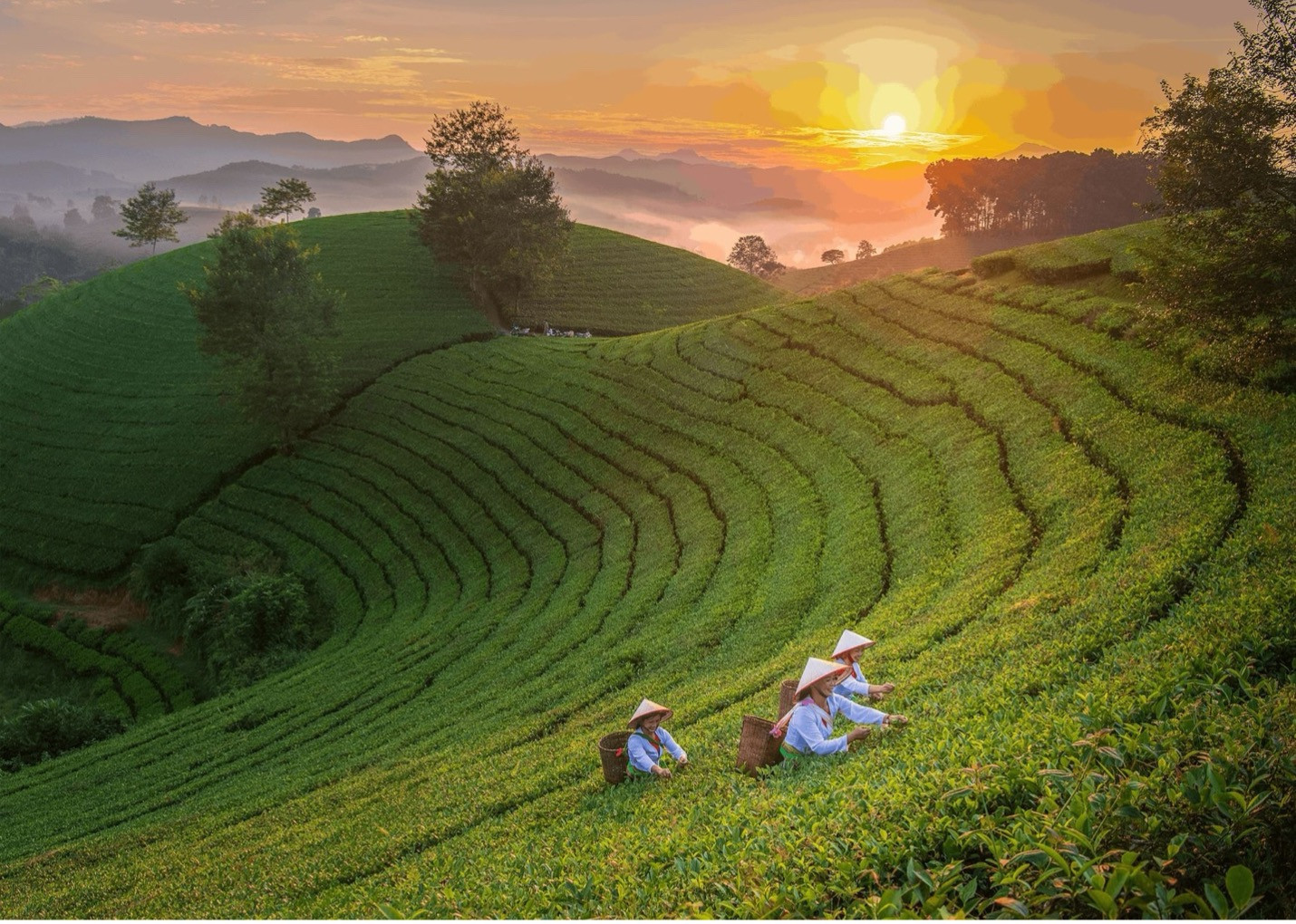
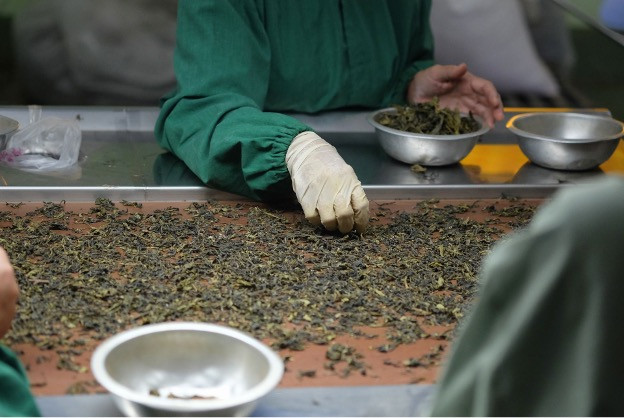
According to the Vietnam Tea Association (VITAS), Vietnam currently has approximately 170–200 officially operating tea-processing enterprises, producing mainly green tea (60–70% of output), black tea (20–30%), and oolong tea (10–15%).
Lam Dong Province has around 10,800 hectares of tea plantations, with an annual output exceeding 164,100 tons—accounting for nearly 11% of national production. Benefiting from elevations of 1,000–1,500 meters and a cool climate, Lam Dong records the highest tea yields in Vietnam, averaging over 14 tons per hectare. Its tea products, particularly oolong and highland specialty teas, are primarily exported to Taiwan, Japan, South Korea, and the Middle East.
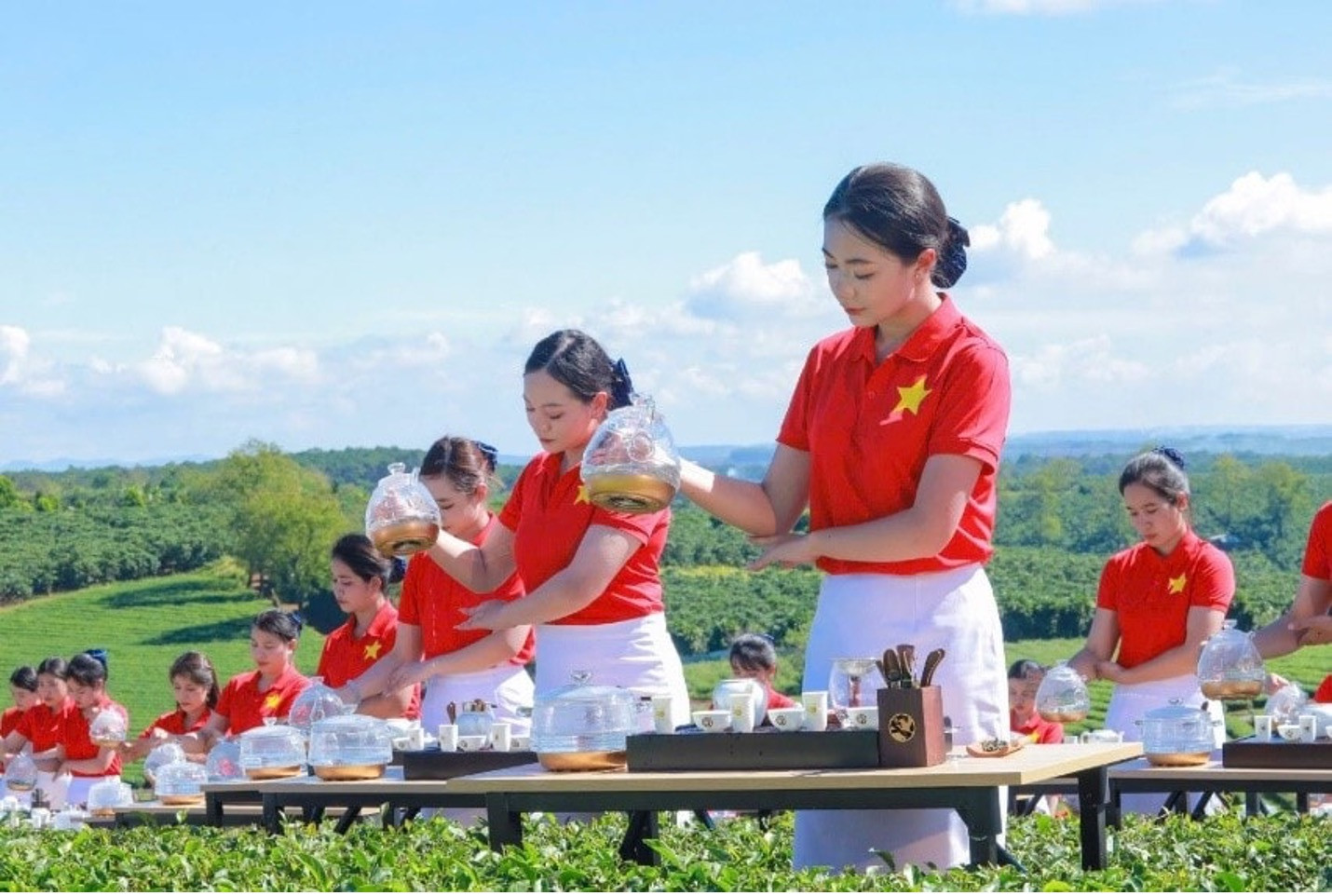
Golden Camellia – A Precious Genetic Resource
Golden camellia (Camellia chrysantha) is widely regarded as one of the rarest and most valuable medicinal plants in Vietnam and worldwide. It is considered far superior to conventional green tea in terms of medicinal value and is often described as a natural “panacea.”
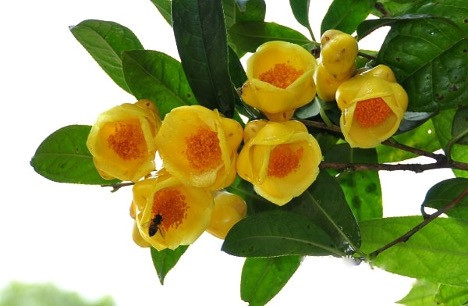
In Vietnam, the golden camellia is classified in Group IA—extremely rare and strictly protected from wild harvesting—while cultivation and processing are permitted using conserved genetic sources. Approximately 52 species are found across China and Vietnam, with nearly 40 native to Vietnam, mainly distributed in the Central Highlands and Quang Ninh Province. The Central Highlands alone host 18 endemic species across nine subgroups.
Golden Camellia is used as a herbal tea for anti-aging and immune enhancement, commanding significant economic value, with market prices frequently reaching millions of Vietnamese dong per kilogram. Several species are currently conserved at Ba Vi National Park and genetic gardens, with more than ten species successfully propagated to support medicinal research and ecotourism.
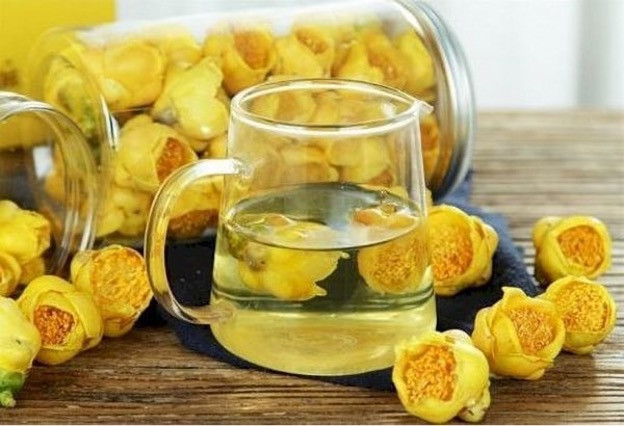
In Lam Dong Province, Kim Hoa Tra Co., Ltd. (Me Linh Commune, Lam Ha District) is a pioneering enterprise in the conservation, cultivation, and processing of golden camellia. The company has developed diverse products from Thach Chau golden camellia and is recognized as Vietnam’s leading enterprise in the genetic conservation of this species.
Beyond its medicinal and economic importance, the golden camellia contributes to forest conservation and restoration in Lam Dong and Quang Ninh. Strict protection measures have also been linked to ecotourism and environmental education. However, overexploitation remains a threat, highlighting the urgent need for sustainable conservation strategies.
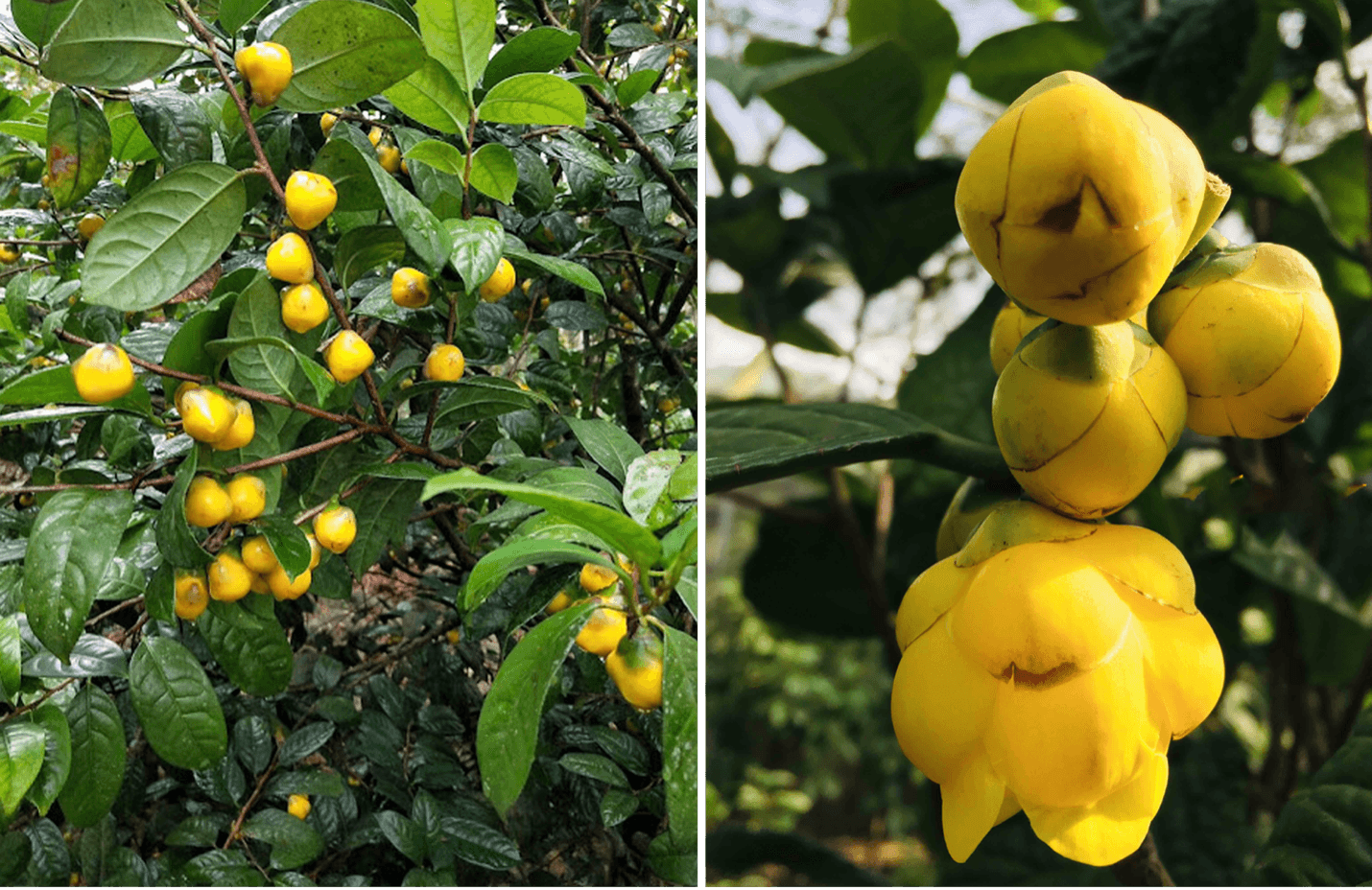
The golden camellia thus represents not only a valuable medicinal resource but also a symbol of biodiversity protection and long-term societal benefits.
Camellia japonica – Development Potential in Lam Dong
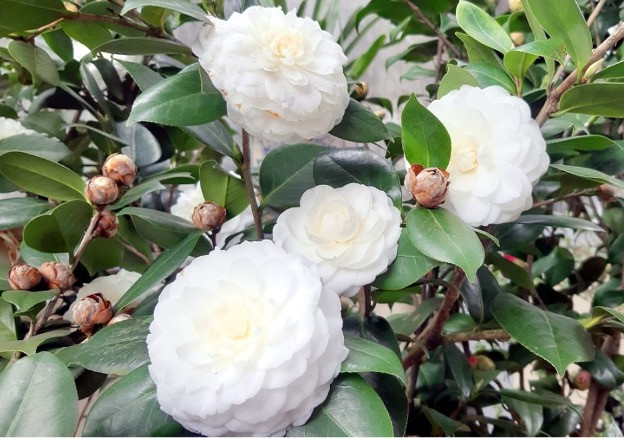
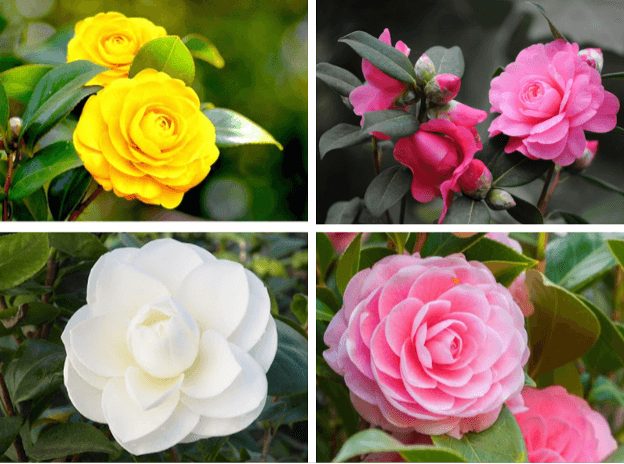
Camellia japonica, commonly known as Japanese camellia, is a symbolic species of the Camellia genus. Native mainly to Japan, China, and Vietnam, it has over 2,000 cultivated varieties worldwide. Scientifically, its flowers and seeds contain anti-inflammatory and antioxidant compounds that support skin health. The seed oil is rich in oleic acid and widely used in cosmetics for hair and skin care, with additional potential for biofuel production due to its low ash content.
.jpg)
Camellia japonica is valued for its elegant flowers, thin petals, and diverse colors—white, pink, red, and pastel shades—blooming in winter and early spring, when many other plants are dormant. With evergreen foliage and a graceful form, the plant is well-suited for garden landscapes, ornamental planting, and bonsai cultivation, offering a refined and natural aesthetic.
In East Asian culture, camellia symbolizes good fortune, prosperity, and enduring love. Blooming around the Lunar New Year, it represents a positive beginning and renewal.
In Japan, the flower is closely associated with tea ceremony culture and Zen philosophy, embodying purity, humility, and serenity.
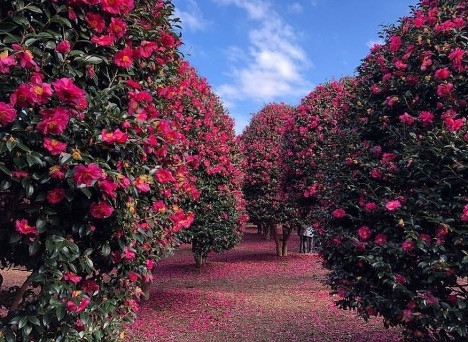
In Vietnam, camellia is commonly found in traditional gardens, ancient houses, and temples, evoking a sense of calm and timeless beauty. The species is easy to cultivate, cold-tolerant, and resistant to pests, symbolizing resilience and vitality.
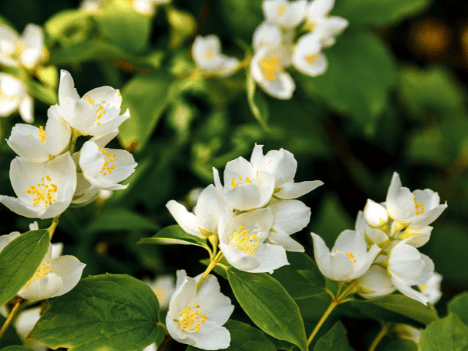
As an ornamental plant, Camellia japonica not only enhances living spaces but also carries cultural meanings of beauty, harmony, and auspicious beginnings—making it especially suitable for gardens, home entrances, and meaningful gifts on special occasions.
Da Lat University (DLU), through its Faculty of Biology and collaborative research projects with international scientists, most notably led by PhD. Luong Van Dung has made significant contributions to the discovery and publication of new Camellia species in Lam Dong. These studies mainly focus on Camellia japonica and related species. In addition, the University of Science, Vietnam National University, Hanoi, and the Institute of Ecology and Biological Resources have conducted extensive research on camellias in Vietnam.
Research efforts have centered on field surveys, collection, and propagation, with the camellia collection on the DLU campus becoming a unique and valuable genetic resource. Between 2012 and 2020, several discoveries were published in international journals such as the International Camellia Journal, contributing to genetic conservation and medicinal research in Vietnam.
Key species identified include Camellia dalatensis (Da Lat camellia), Camellia dilinhensis (Di Linh camellia), and Camellia sp.1 (Dam Ri camellia). Under the 2014 project on surveying and propagating camellia species in Lam Dong, DLU recorded 13 additional wild species, including four endemic ones, such as Camellia luteocerata (Cat Tien camellia) and Camellia inusitata.
Since 2012, Dr. Pham S. has independently studied Camellia doroyana (silver camellia), a rare golden-flowered camellia endemic to the former Da Huoai District, now Da Huoai Commune, Lam Dong Province—widely regarded as Vietnam’s “capital of golden camellia.”
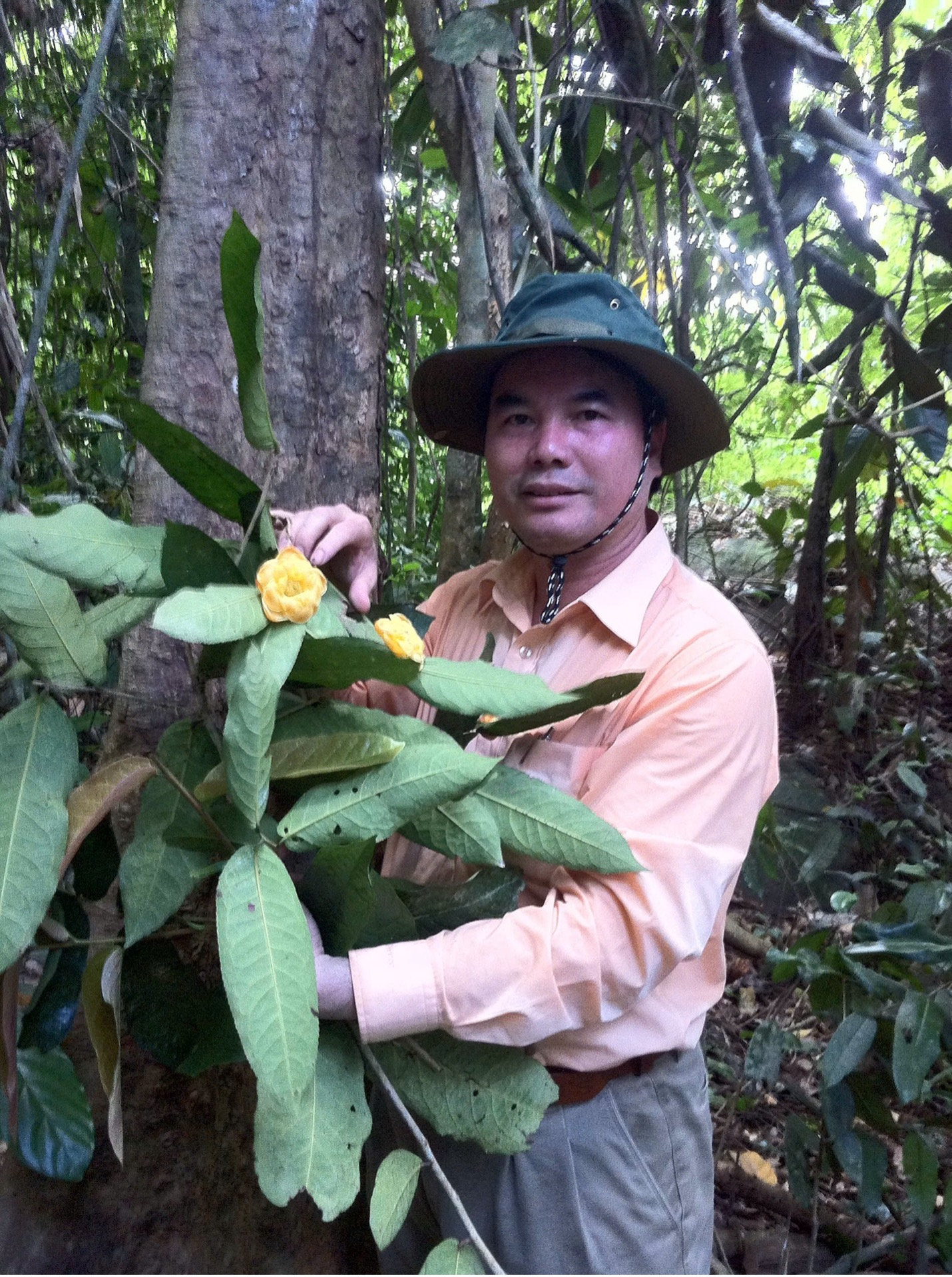
Interestingly, many camellia species have been named after scientists. For example, PhD. Le Van Huong has a newly named species, Polyspora huongiana, PhD. Pham S has several newly named camellia species, including Camellia sphamii, Camellia quancuongii, Camellia ninhii, and Camellia thuanana; Nguyen Ngoc Quynh has a species named Camellia quynhii; and Assoc. Prof. PhD. Nguyen Hoang Bac has a species named Camellia hoangbacii. These findings have been published mainly in the Da Lat University Journal of Science and the International Camellia Journal.