Located along the majestic Serepok River, Cu Jut Commune (Lam Dong Province) is known as a place where many cultural traditions of the Ede ethnic group have been well preserved.
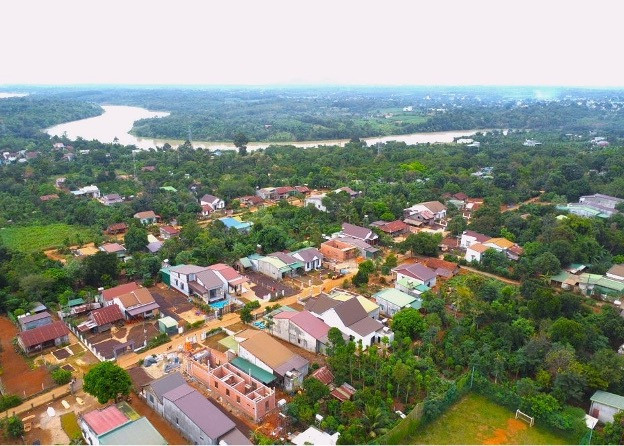
A corner of an Ede village by the Serepok River
The fine cultural values of the local people have been maintained, enriched, and creatively developed through generations, interweaving into the shared cultural tapestry of ethnic communities across the province.
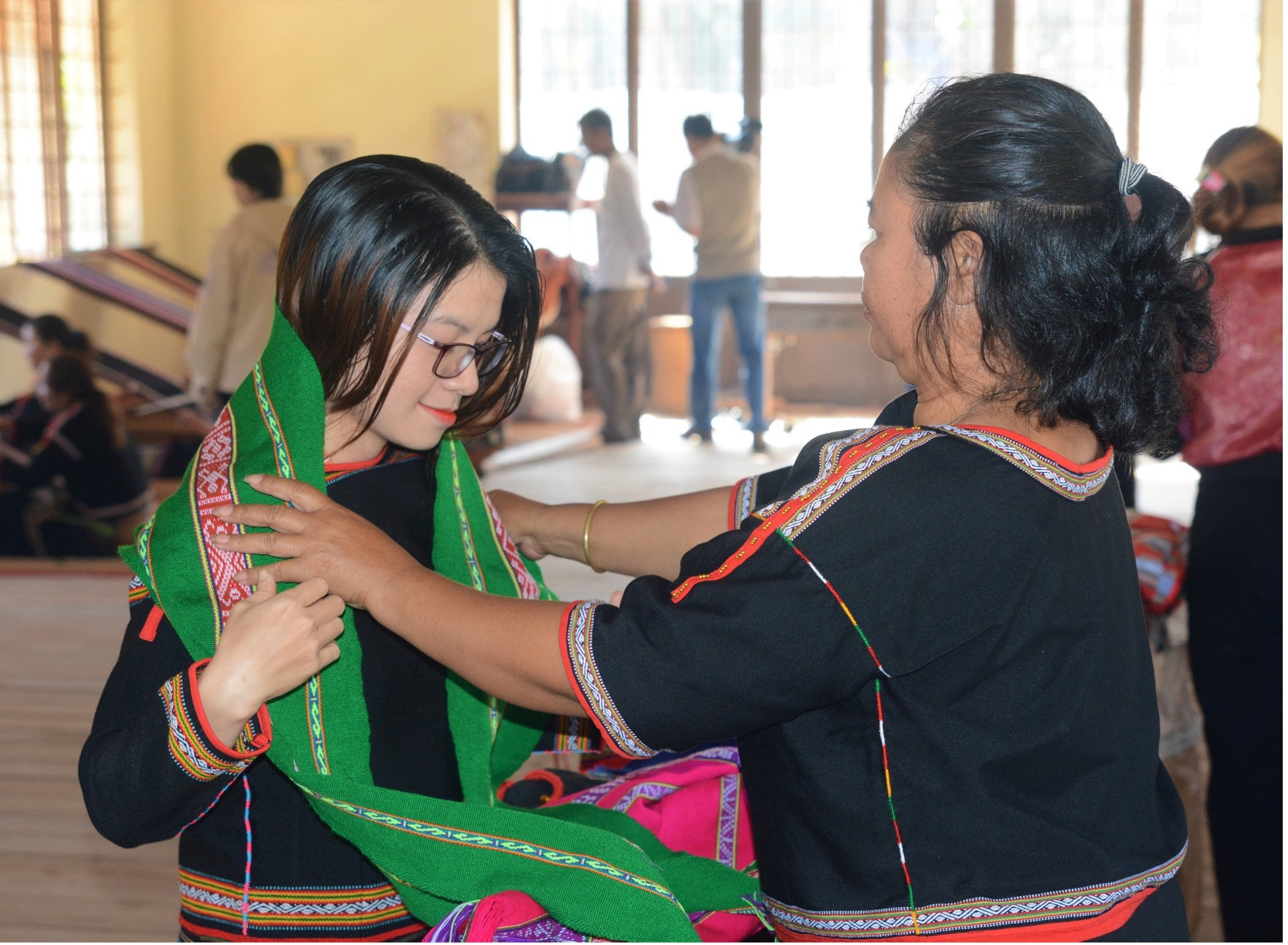
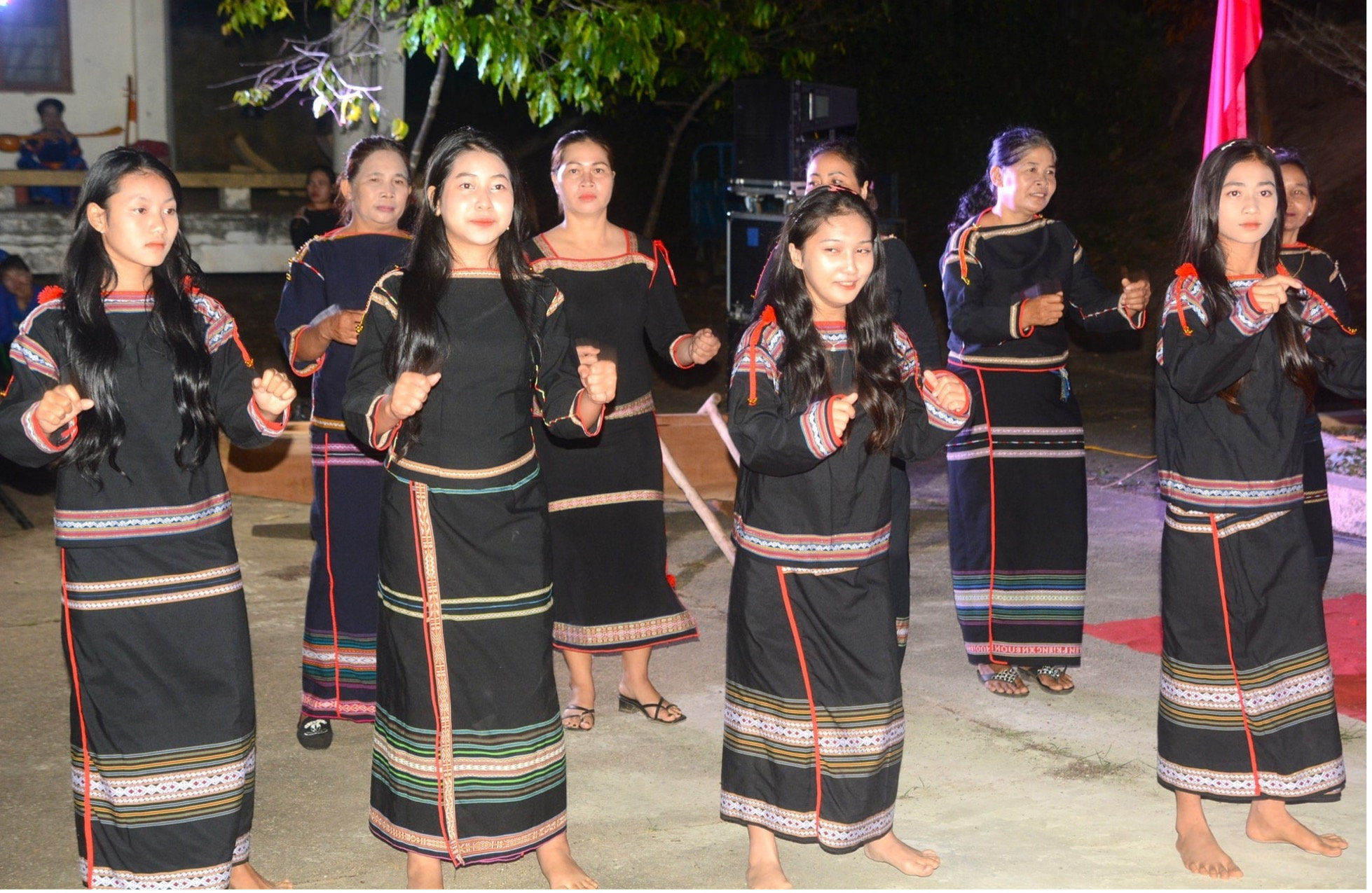
Ede women of Nui village preserve traditional costumes
The Ede people in Cu Jut Commune currently live in four villages: Nui, Buor, Ea Po, and Trum, with around 800 households and more than 4,900 residents. Despite the passage of time, their traditional values—ranging from stilted longhouses, attire, and language to their unique cuisine and strong community solidarity—have been meticulously preserved by every resident.
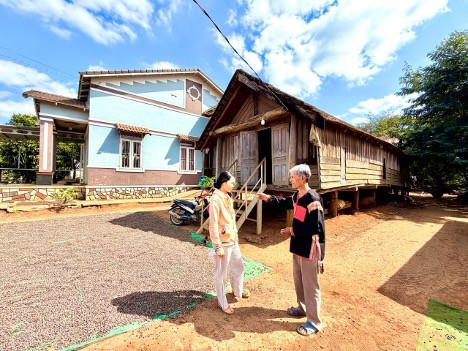
Visiting Ede villages in Cu Jut Commune today, the first thing that catches the eye is the sturdy traditional longhouses standing alongside modern brick houses. Surrounded by coffee gardens, lush green rice fields, and the flowing Serepok River, the area forms a peaceful landscape.
The space and grounds of the traditional Ede longhouse serve as venues for daily family activities and traditional rituals. They are also places where customs and practices deeply imbued with village identity are preserved.
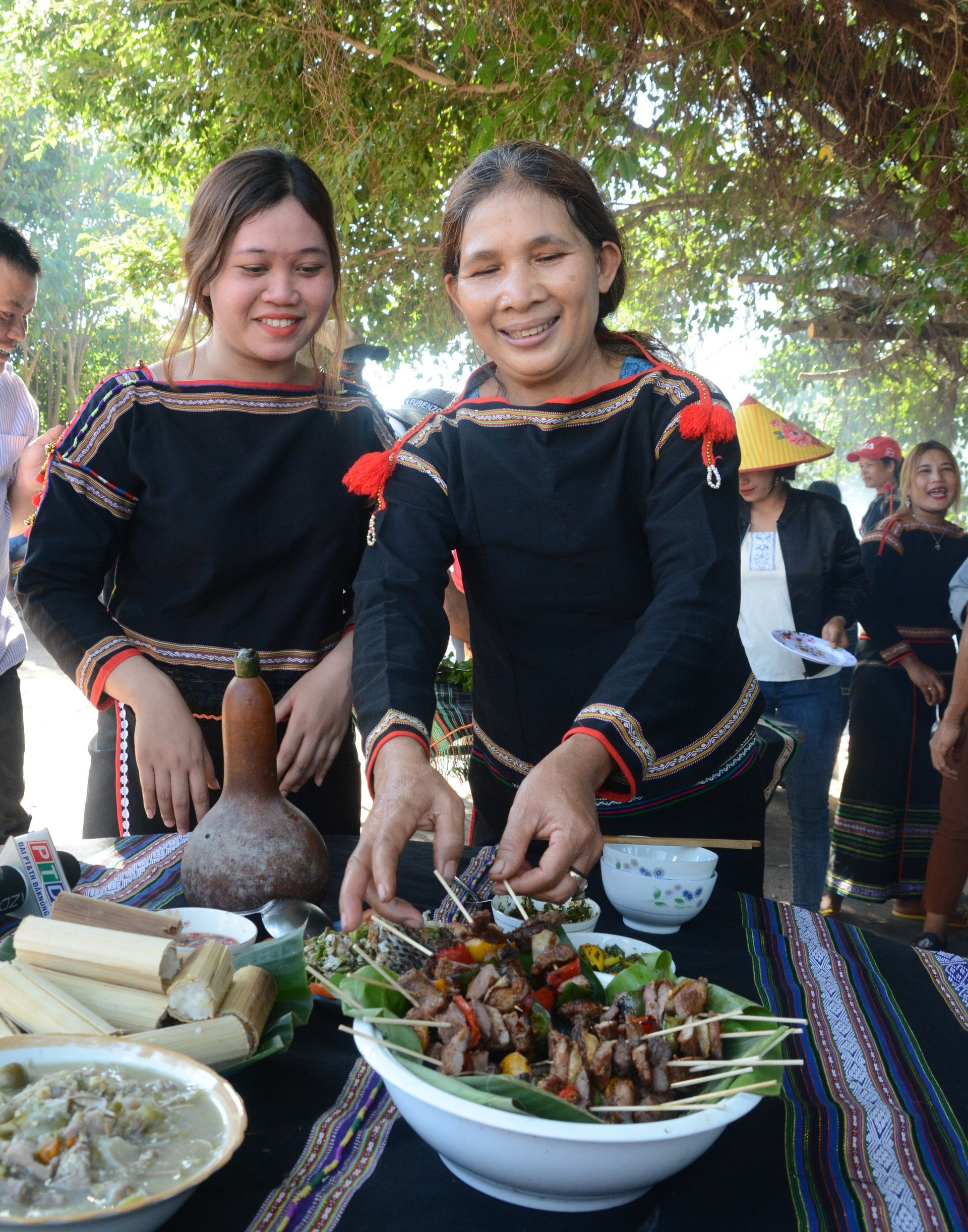
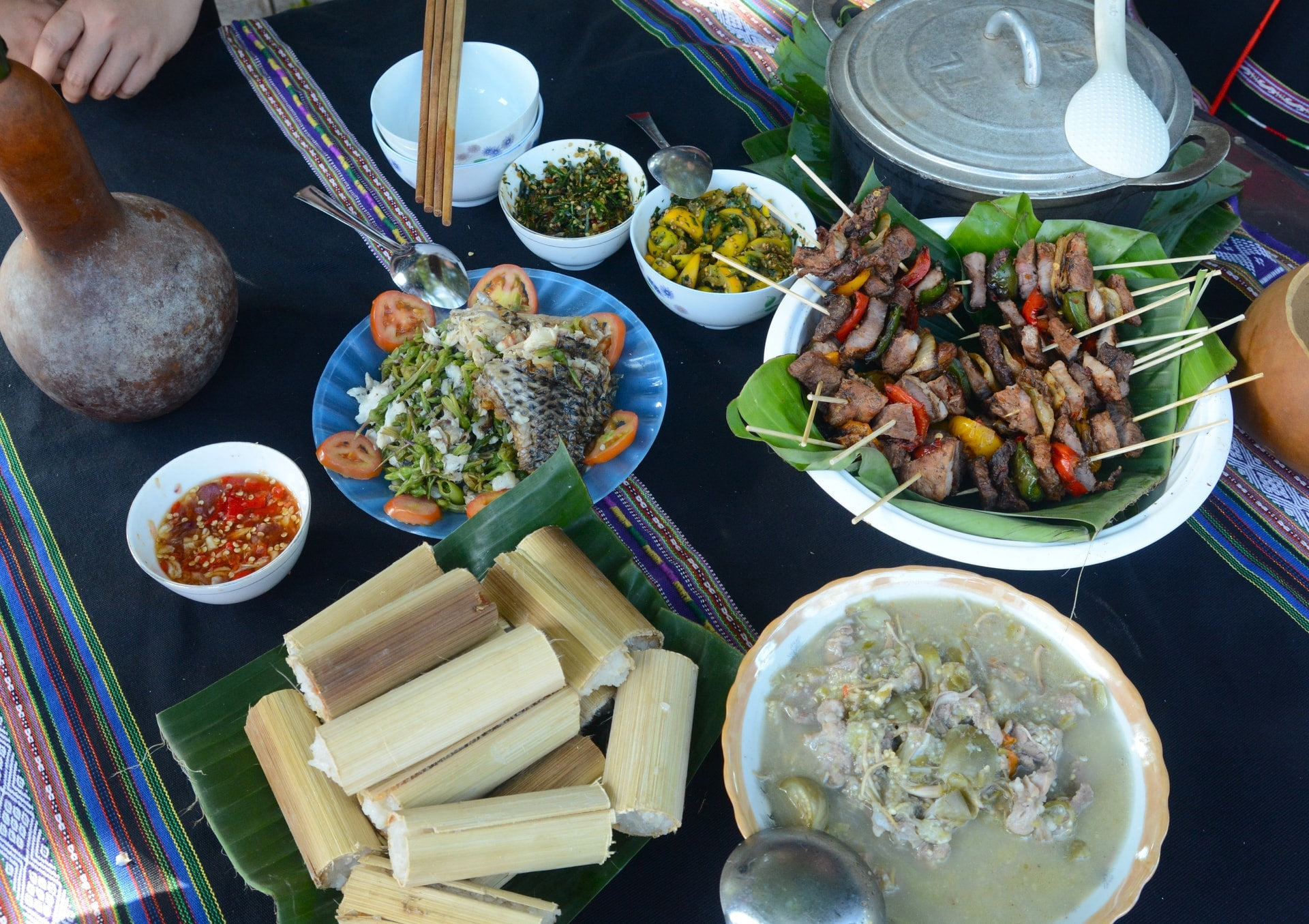
During gatherings and reunions, family members and the community enjoy traditional dishes and "can" wine, rich in ethnic flavors.
Traditional longhouses are preserved alongside solid, modern houses
Ede women preparing traditional dishesA traditional Ede meal
These dishes feature a delicate blend of herbs, spices, and fresh ingredients, combining spicy, sour, and bitter flavors to create distinctive tastes.
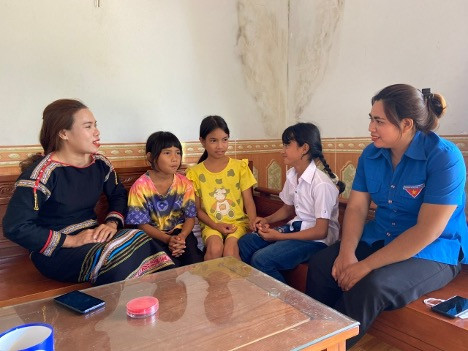
For the Ede people, their ethnic language is considered a precious asset that must be preserved. From birth, children are taught correct pronunciation of their mother tongue by their ami (mother) and ama (father). Before attending preschool and being exposed to Vietnamese, children can already speak and communicate fluently in the Ede language. At the primary school level, students are also taught how to read and write Ede at local schools.
Ede family members communicate in their mother tongue to preserve the traditional language
Traditional clothing is also preserved and passed down through generations. In daily work and life, many Ede women continue to wear traditional attire.
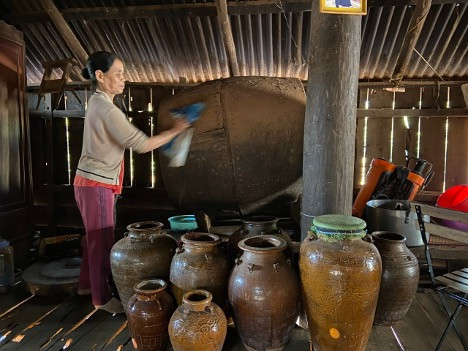
The Ede community continues to maintain many distinctive cultural values. Youth cultural performance teams attract large numbers of young people, contributing to the preservation and promotion of traditional culture. The four villages currently preserve seven sets of ancient gongs and dozens of longhouses, including many old longhouses.
Many items like gongs, jars, and buffalo-skin drums are preserved by Ede households
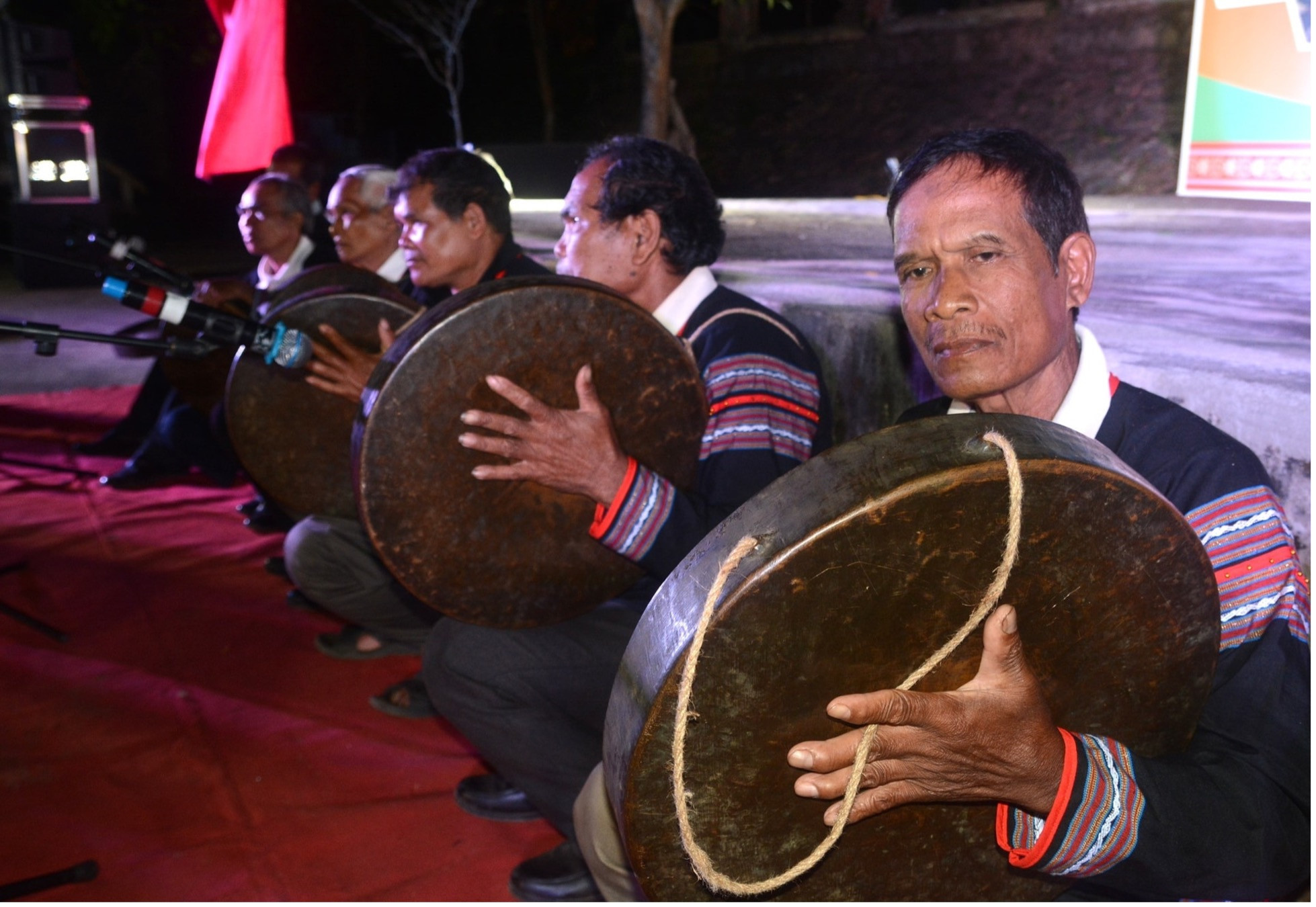
Mentioning Ede culture would be incomplete without referring to the Space of Gong Culture, recognized as an Intangible Cultural Heritage of Humanity. Along the Serepok River, the sound of gongs and drums resonates deeply—sometimes gentle like flowing water, sometimes intense like cascading waterfalls.
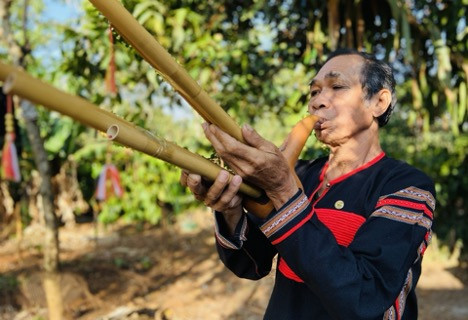
Within the Ede community, Meritorious Artisan Y Sim E Ban is one of the senior artisans with deep knowledge of traditional musical instruments. He can craft and skillfully play many traditional instruments such as gongs, Dinh Nam panpie, and the flute.
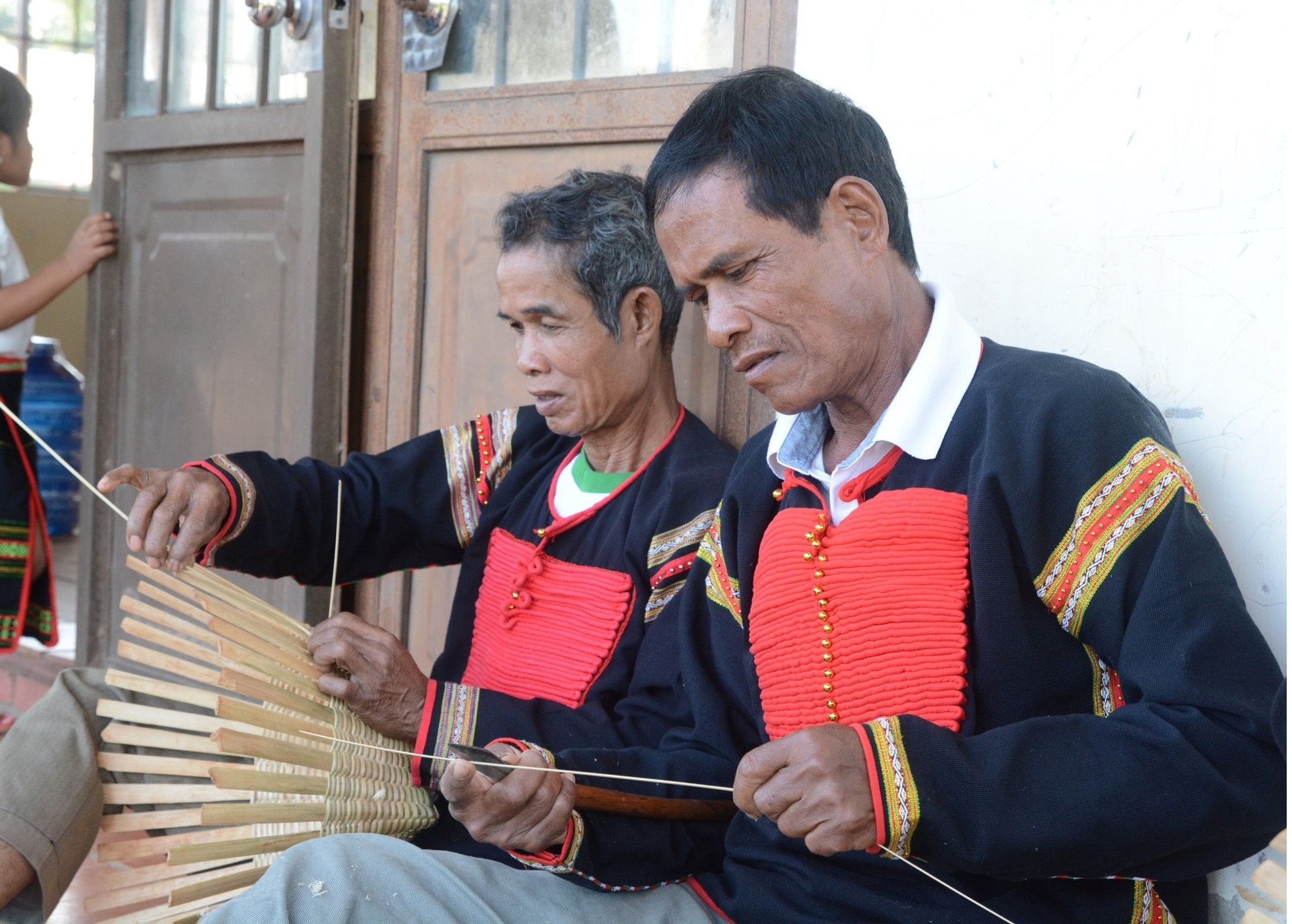
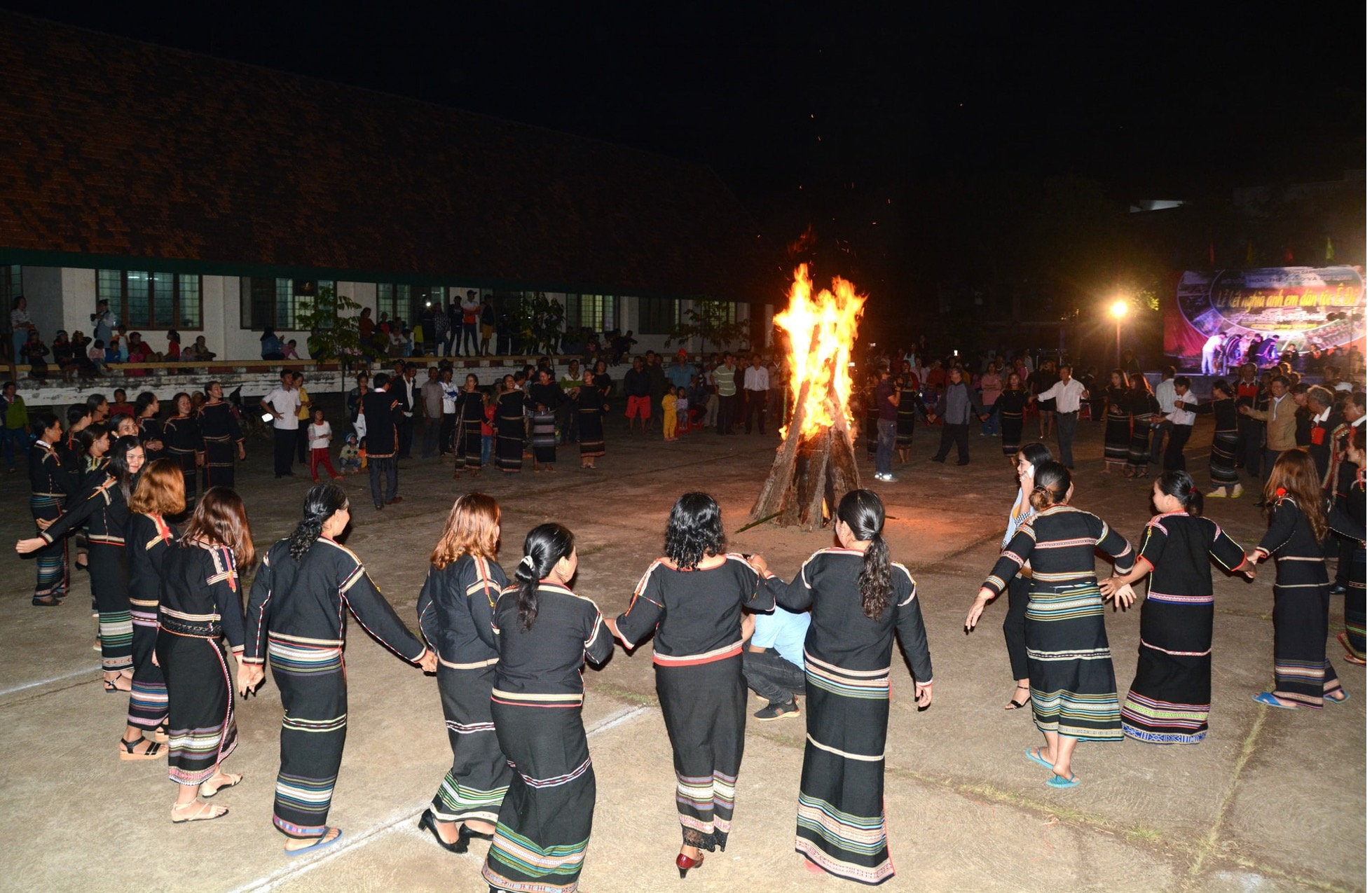
Each gong set is sacred, carrying a soul, with every beat expressing emotion and prayer.During festival nights, flickering firelight illuminates elders, children, men, and women moving gracefully in xoang dances, creating a vivid picture of the rich spiritual life of the community.Meritorious Artisan Y Sim E Ban of Nui village is the leader in preserving and promoting traditional culture.EDe people preserve traditional weaving crafts.
“
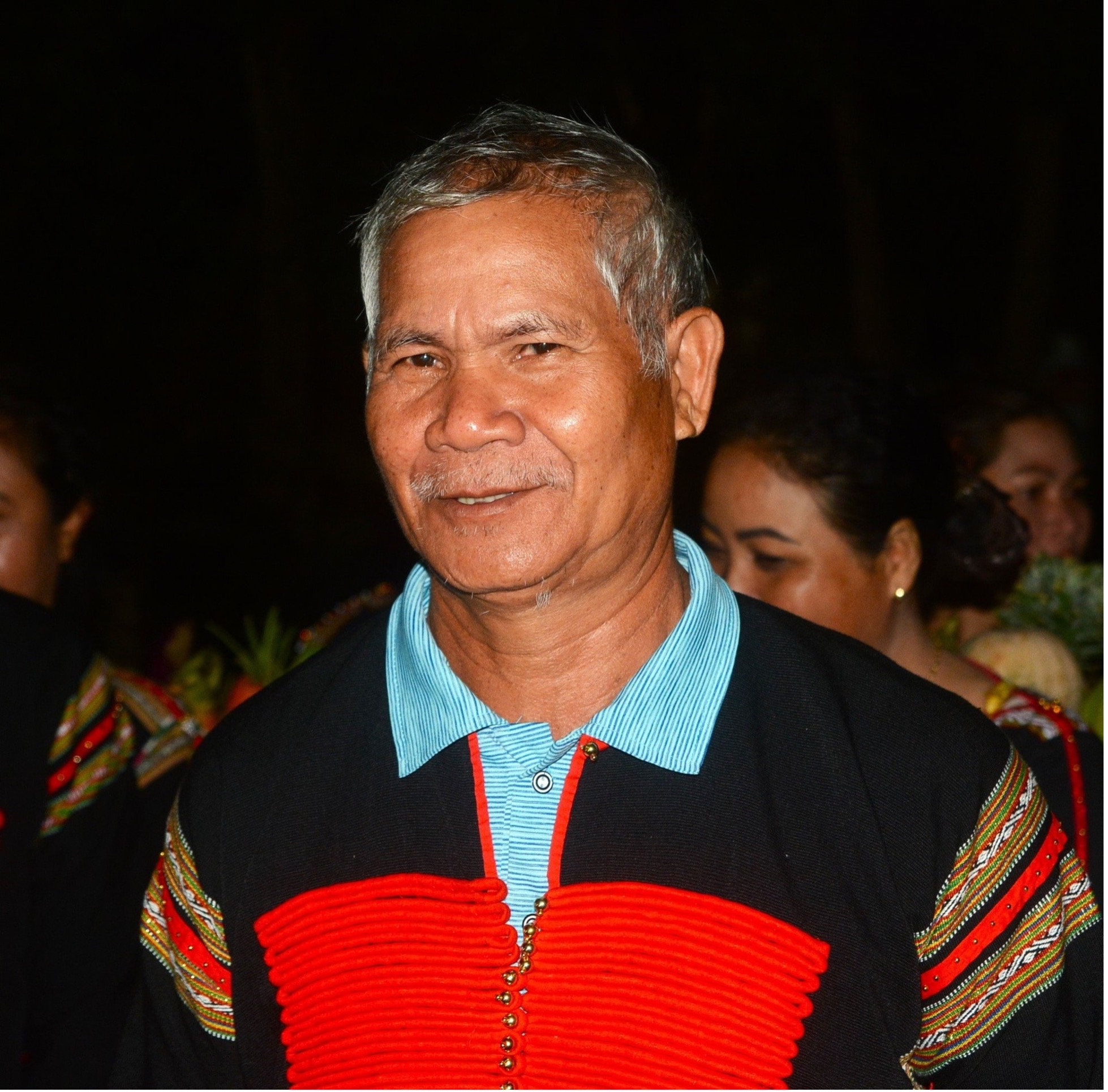
Thanks to government investment, living standards have improved, enabling the community to better preserve and promote traditional cultural values.
Mr. Y Taih Prieng, Trum village, Cu Jut Commune
For the Ede people, preserving culture is not only about keeping a few rituals or artifacts, but about ensuring the spiritual flow remains unbroken—much like the Serepok River that tirelessly carves its path through the majestic highlands.
Ede people in Cu Jut Commune holding hands, singing, and dancing to show solidarity at the Brotherhood Bonding Ceremony