


Efforts to achieve universal health checkup targets
In line with the directives of the Party Central Committee and the Government under Resolution No. 72-NQ/TW, Lam Dong is accelerating efforts to provide regular health checkups and free screening services for residents across the province in 2026.

Coordinated efforts deliver tangible results
According to the Department of Health, by November 13, over 2.66 million people province-wide had undergone health checkups, out of 2.9 million eligible beneficiaries under the regulations. This total includes health examinations and treatment covered by health insurance (HI), and equals 91.4% of the target population and 71.1% of the province’s overall population.
Coverage spans all age groups. Health care and monitoring services have reached 273,759 children under six. Among students aged six to under 18, 716,901 people have been covered, while adults aged 18 and older constitute the largest group, totaling 1,671,900 people.
The Department of Health is taking the lead in addressing difficulties related to staffing, funding and facilities, prioritizing areas falling behind schedule and promptly advising the provincial authorities on issues beyond its jurisdiction. Implementation must ensure service quality and accurate, substantive reporting, without prioritizing achievement figures, as the province strives to meet its 2026 targets.
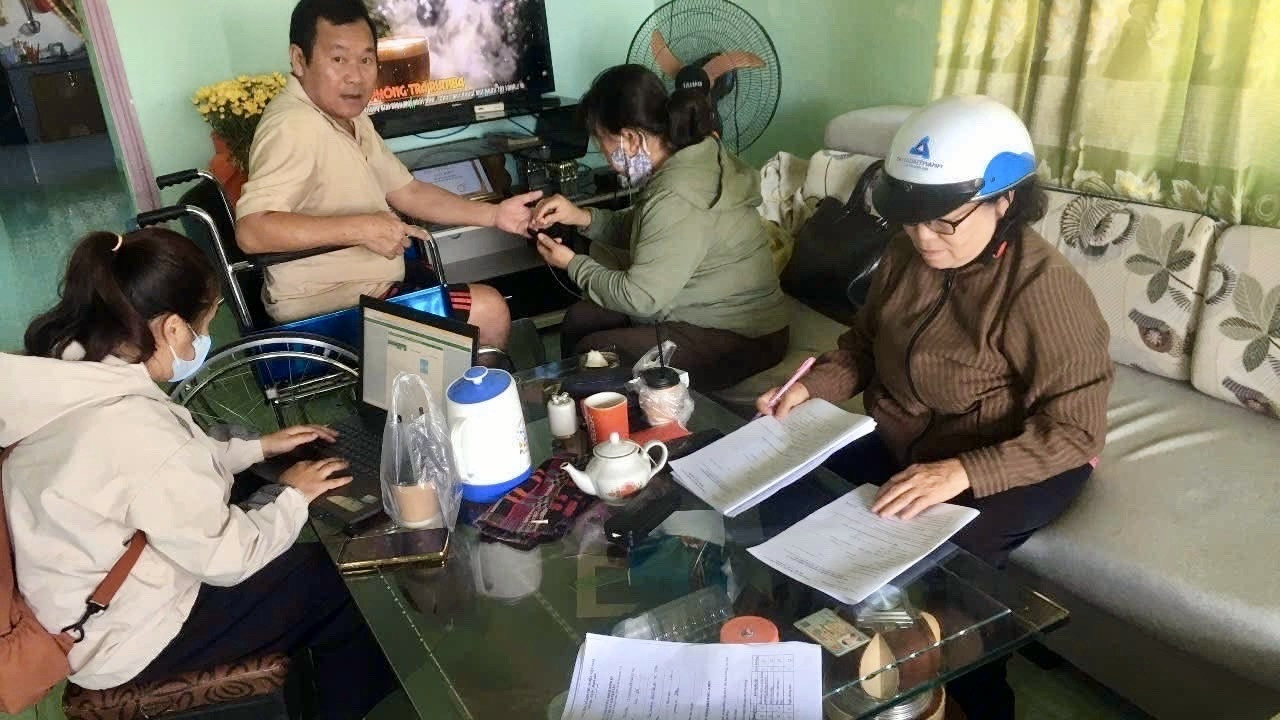
Director of the Department of Health Huynh Thi Phuong Duyen said these outcomes were achieved largely thanks to the commitment and adaptability of frontline healthcare workers.
From health stations in communes and wards to medical centers and provincial hospitals, doctors and medical staff have worked evenings and weekends to care for residents.
Mobile medical teams have also travelled along steep, winding roads to reach remote and isolated communities, delivering services to 284,365 people and reducing the difficulties they face in travelling.
Meanwhile, the province has quickly allocated hundreds of billions of Vietnamese dong from the state budget to give localities the resources needed to implement the program.
Overcoming challenges to meet the targets
Implementation has highlighted ongoing challenges for grassroots healthcare facilities, including shortages of specialized medical staff, accounting personnel, and IT specialists.
Administrative duties and data-entry demands remain significant, and the software infrastructure that transfers data via APIs to the Health Data Portal can become overloaded, experience network congestion, or remain out of sync with the health insurance system.
Moreover, many residents work far from home, are hesitant to get checkups, or tend to seek medical care only when symptoms develop. These factors have made it harder to promote participation in routine health examinations.
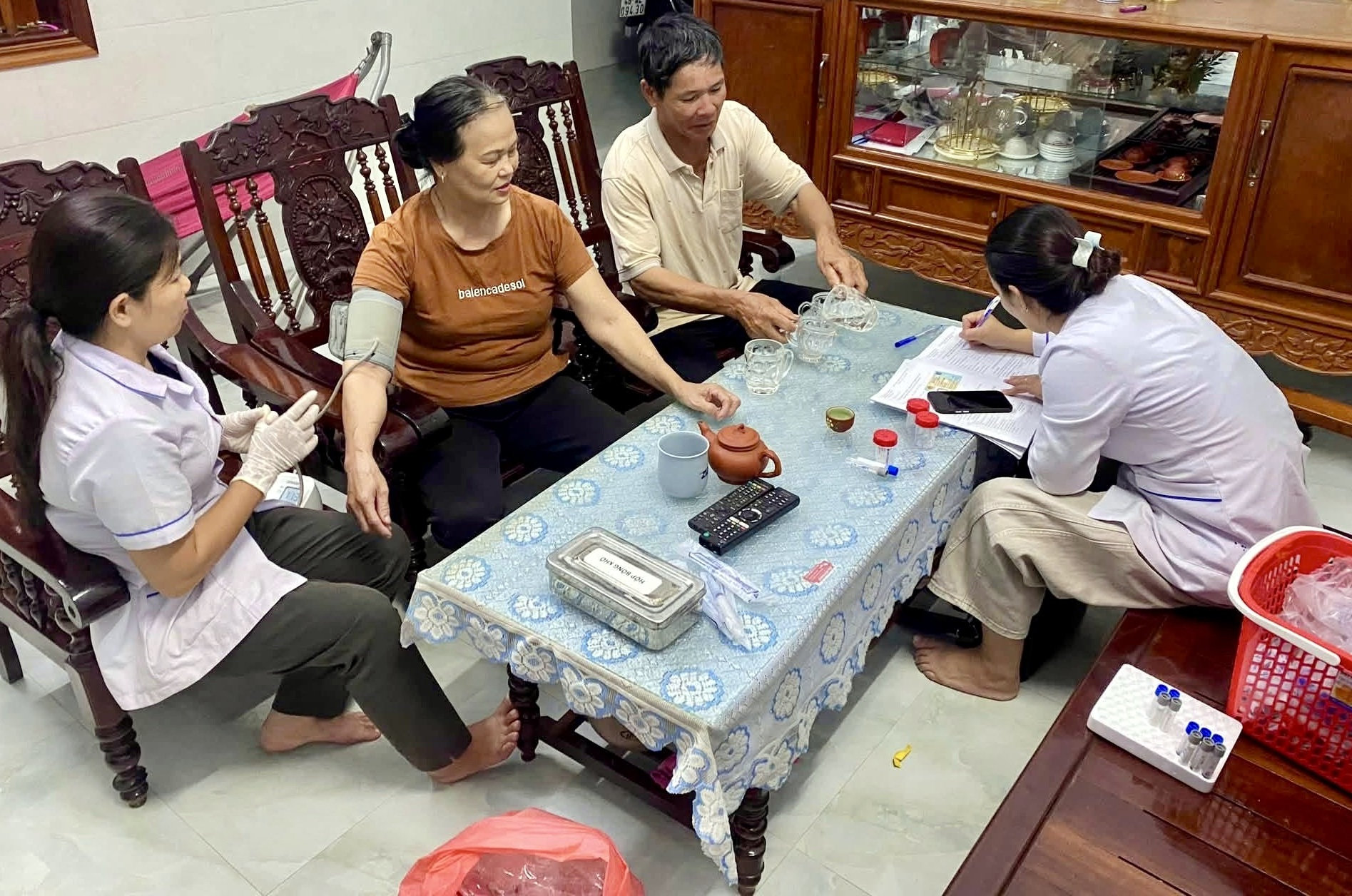
Describing the work being carried out locally, Nguyen Dang Trung, Director of Dak Mil Regional Medical Center, said the center was coordinating with local authorities to speed up health checkups for residents. So far, Thuan An Commune has met 81.1% of its target, while Duc Lap Commune has reached 71.9%.
The center routinely sends one or two mobile medical teams to the communes, working from early morning until late evening with the commitment: “As long as residents continue to come, we will continue providing checkups.” Doctors and medical staff are also prepared to work on weekends and public holidays. Examination locations are arranged flexibly at schools, village community halls, churches, and other convenient venues to make services more accessible to the public.
However, mobilizing residents to participate remains challenging as the coffee harvest season is underway, leaving many people busy and with little time for health checkups.
The Department of Health has urged the Ministry of Health to promptly complete the data connectivity infrastructure and develop standardized methods for statistics and duplicate-data filtering.
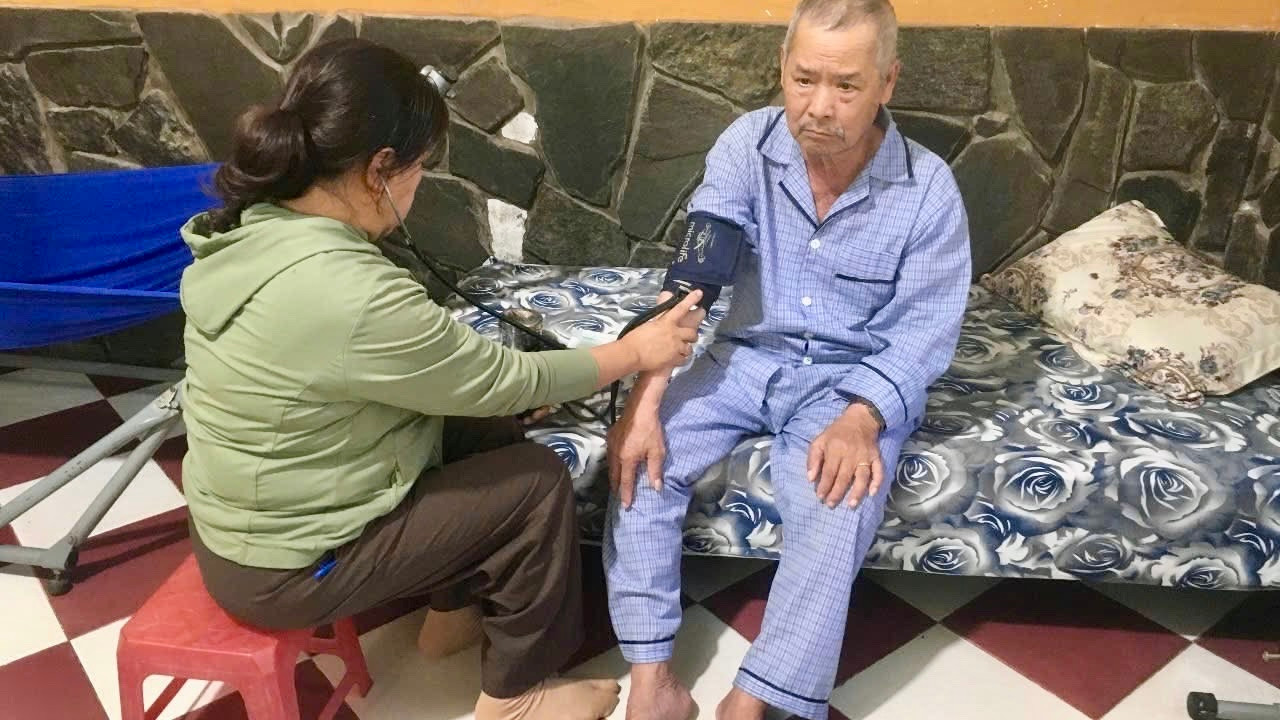
The province has also proposed flexible arrangements for mobile medical teams to conduct home examinations for bedridden older adults and people with severe disabilities, while upholding professional standards and complying with the law.
In accordance with directives from the Party Central Committee and the Government, Lam Dong is stepping up its efforts during the final phase of implementation, with tangible results serving as the primary measure of success.
Under the decisive guidance of provincial leaders, with coordinated efforts from the health sector and public participation, the 2026 target of providing health checkups for all residents is steadily moving toward 100% completion, helping to care for and protect public health.