


EIA Approval for VND 4.7-Trillion Boulevard Unlocks Multimodal Connectivity in Lam Dong
The approval of the Environmental Impact Assessment (EIA) report for the major boulevard project linking the Le Duan–Truong Chinh axis to the North–South Expressway marks a critical legal milestone, paving the way for construction to begin. Beyond regulatory compliance, the project is expected to open up new development opportunities and serve as a catalyst for regional integration, urban expansion, tourism, and logistics.
Opening a Multimodal Connectivity Corridor
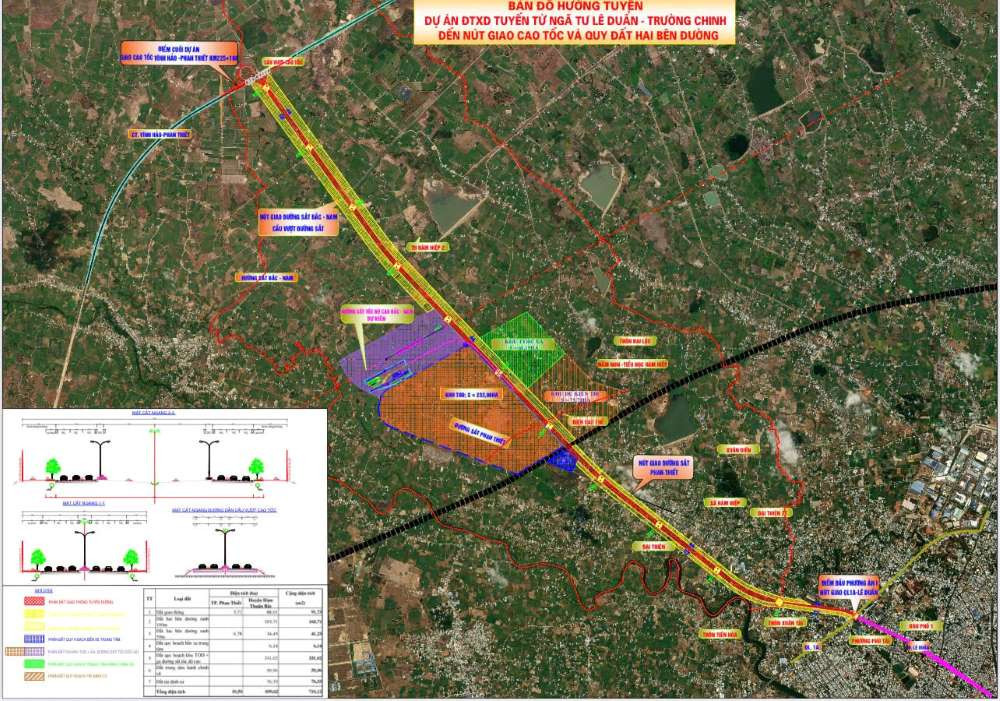
The Lam Dong Department of Agriculture and Environment has officially issued a decision approving the Environmental Impact Assessment (EIA) report for the boulevard project. This major thoroughfare will connect the Le Duan–Truong Chinh intersection to the North–South Expressway (Vinh Hao–Phan Thiet section), with a total investment of more than VND 4.7 trillion. The project also encompasses strategic land reserves for development in Binh Thuan Ward, marking it as one of the province’s key infrastructure priorities in the coming years.
With the Construction Investment Project Management Board No. 2 serving as the investor, the project covers more than 240 hectares, including 91 hectares for the roadway and 151 hectares of roadside land reserves designated for urban, commercial, and service development.
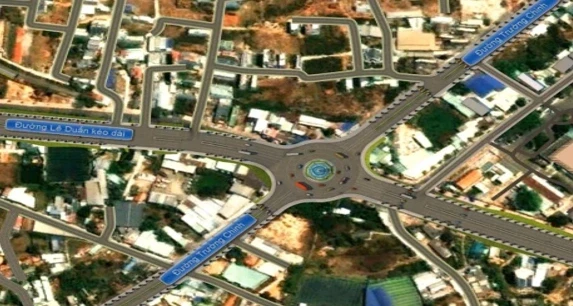
According to the master plan, the boulevard will extend approximately 12.5 km, including 11.2 km of main road and nearly 0.85 km of connecting ramps to the expressway. Starting from the Le Duan–Truong Chinh intersection on National Highway 1, the route will end at a direct connection to the Vinh Hao–Phan Thiet Expressway. In the first phase, it will have six lanes, with plans to expand to 12 lanes and a road cross-section of up to 79 meters to meet the region’s future growth needs.
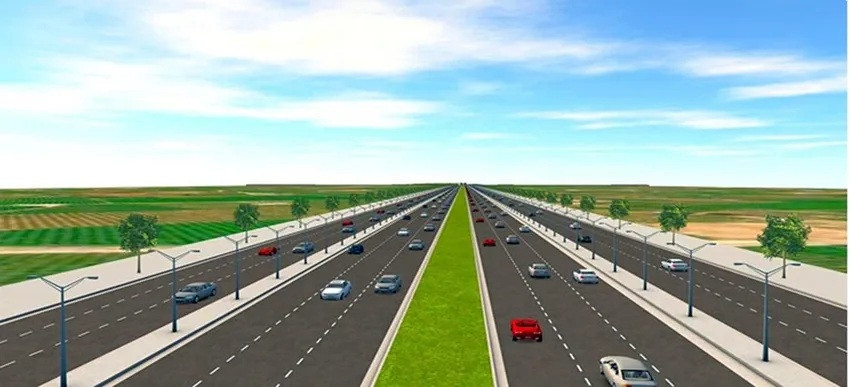
The project also includes two key overpasses: a 332-meter structure crossing the North–South railway and a 226-meter structure over the expressway. Once completed, these components will help create a seamless traffic system, reduce conflict points, improve operational capacity, and enhance road safety.
Current conditions indicate that links from the Dau Giay–Phan Thiet and Vinh Hao–Phan Thiet expressways to urban centers still rely heavily on National Highway 1, National Highway 28, and small-scale bypasses. Frequent congestion, especially during holidays and weekends, has lengthened travel times, constrained socio-economic development, and affected the tourist experience. The new boulevard is therefore expected to address this bottleneck by creating a direct connection between the North–South expressway system and the inner-city road network.
Upon completion, the boulevard will shorten travel times from the coastal region to provinces and cities such as Dong Nai, Ho Chi Minh City, and Khanh Hoa, while strengthening regional integration and supporting smoother freight transport and tourism development.
Defining an Urban–Tourism–Logistics Growth Axis
More than just a transportation project, the VND 4.7-trillion boulevard is positioned as a strategic driver of modern and sustainable urban expansion.
The acquisition of more than 151 hectares of roadside land will create significant room for new urban areas, commercial centers, service facilities, and tourism infrastructure. This land reserve is considered a vital resource for increasing land value and generating substantial revenue for the local budget.
According to the master plan, the boulevard will connect seamlessly with Vo Nguyen Giap Street, which leads to Phan Thiet Airport, and integrate with a large-scale coastal road currently under investment study. It will also link with the proposed high-speed railway station and marinas within the Mui Ne National Tourism Area.
This synchronized connectivity will help establish a multimodal transport network encompassing road, rail, air, and sea, creating a modern infrastructure framework that strengthens the region’s competitive edge in attracting investment and developing tourism and logistics.
As the Mui Ne National Tourism Area seeks to become a leading destination in the Asia–Pacific region by 2030, completing its transport connectivity infrastructure is considered essential. The new boulevard will improve tourist access while supporting the development of high-quality tourism products and more diverse services.
According to urban planning experts, the plan to expand the route to 12 lanes, incorporated from the investment preparation phase, reflects a forward-looking response to future urbanization and rising transport demand. This proactive approach will help reduce the cost of future planning adjustments while ensuring a coherent and sustainable infrastructure system.
The Lam Dong Provincial People’s Committee has identified the boulevard as a flagship transportation project, pivotal to reshaping the local infrastructure landscape and addressing long-standing traffic bottlenecks. The EIA approval marks a crucial step, establishing the legal basis for completing follow-up procedures and paving the way for the project’s groundbreaking in 2026.
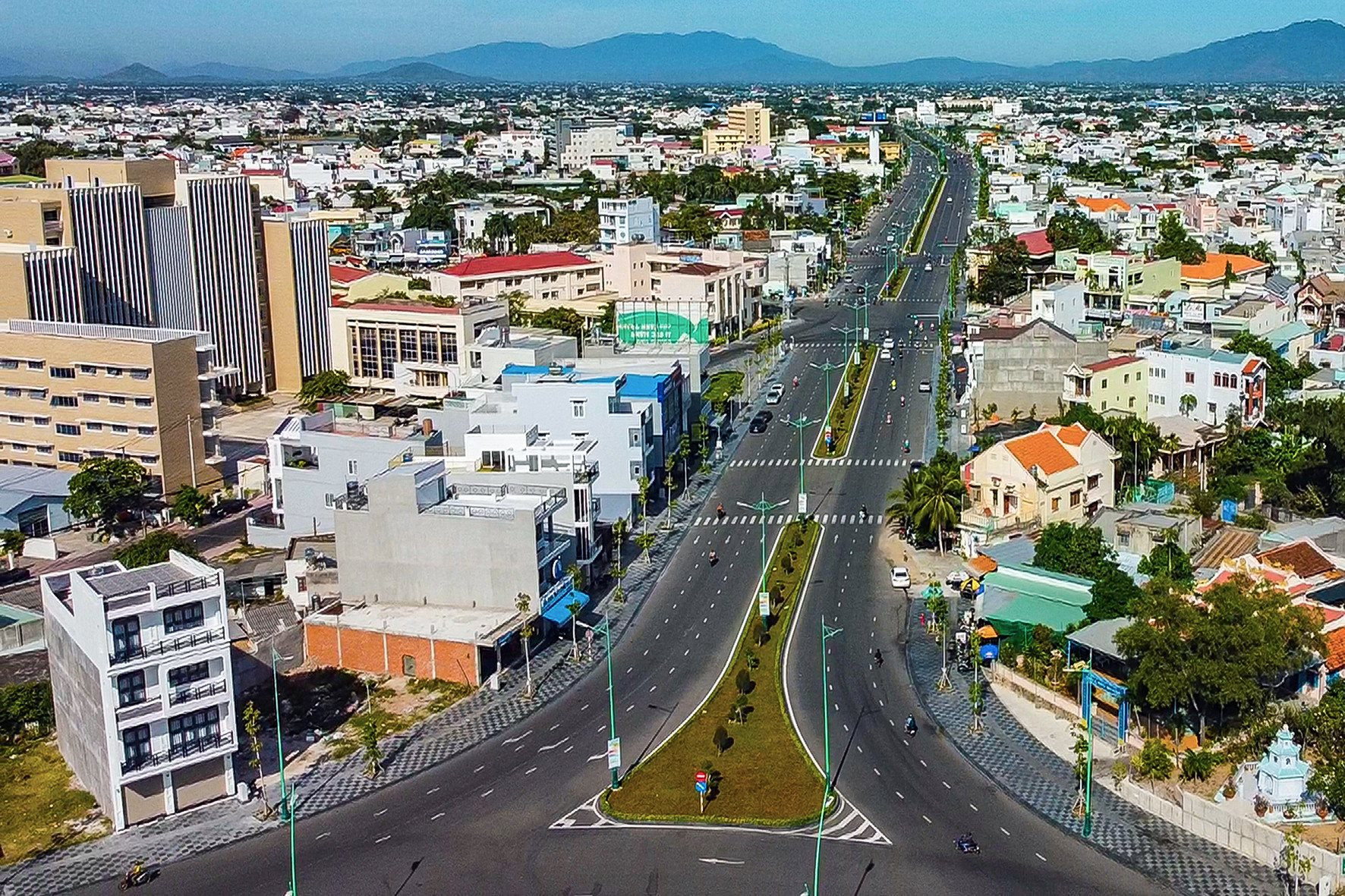
Ultimately, the VND 4.7-trillion boulevard is more than a transport route; it is a strategic growth axis. The project is expected to help form a vital economic corridor, thereby strengthening regional connectivity, enhancing competitive advantages, and creating new momentum for the region’s comprehensive development in the years ahead.