


Energy Contributing to Double-Digit Economic Growth
As the year enters its final stretch, the energy sector is also expected to serve as one of the key pillars contributing to growth in the local industry and trade sector in particular, and the province’s overall economic growth more broadly.
Energy Sector Emerges as a Growth Driver
In line with the growth projection for the fourth quarter of 2026 and the additional double-digit growth scenario for the same year released by the Provincial People's Committee, the province aims to achieve a growth rate of 12.88% in the last quarter to reach an overall growth of 10% for the year.
In the energy sector, various industrial processing and manufacturing projects, especially those focused on producing export goods, are anticipated to either begin operations or enhance their production capacity in the closing months of the year.
This is expected to increase electricity demand, creating positive conditions for ongoing growth in commercial electricity sales.
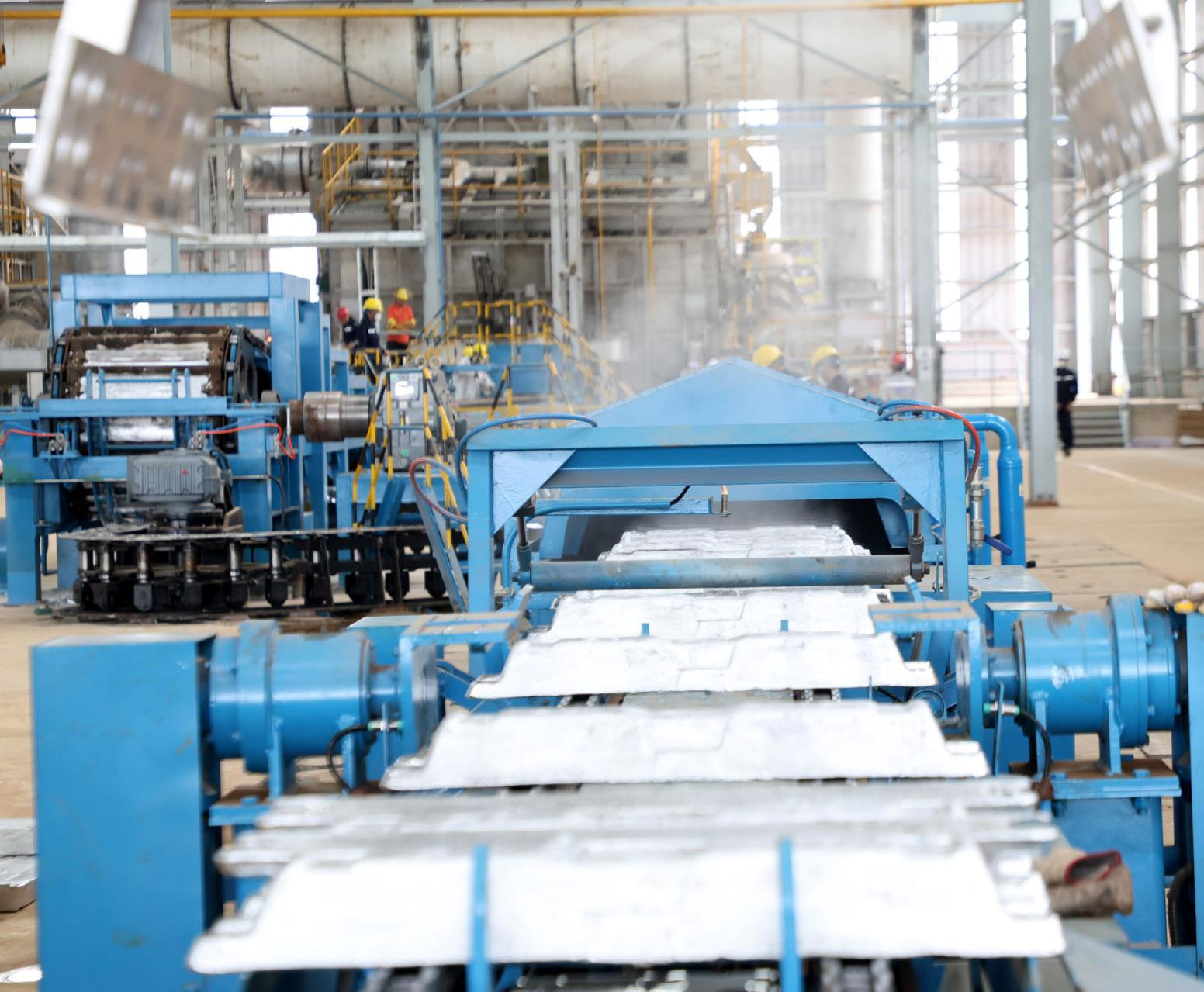
Emphasis will be placed on assisting the Dak Nong Aluminium Electrolysis Plant in quickly boosting its production capacity to achieve its goal of 90,000 tonnes. The plant must generate an extra 69,449 tonnes in just the fourth quarter.
At the same time, to meet the annual production target of 1.75 million tonnes of alumina, production needs to hit roughly 612,700 tonnes in the last quarter. During this period, electricity generation is projected to increase by an additional 9.4 billion kWh.
The local industry and trade sector has identified key growth drivers and untapped potential for the fourth quarter, with the goal of assisting the province in reaching its annual growth target of at least 10% by 2026.
In the energy sector, there are optimistic expectations surrounding projects that are overcoming challenges related to overlaps with mineral planning areas.
These projects include the Nam Binh 1 Wind Power Plant, the Phong Dien 1 – Binh Thuan Phase 2 Wind Power Project, the Hoa Thang 1.2 Wind Power Project, as well as the Dak N'Drung 1, 2, and 3 Wind Power Plants.
Once issues related to mineral reserves and mining planning are resolved, these initiatives are anticipated to be operational, boasting a total capacity of roughly 459.7 MW.
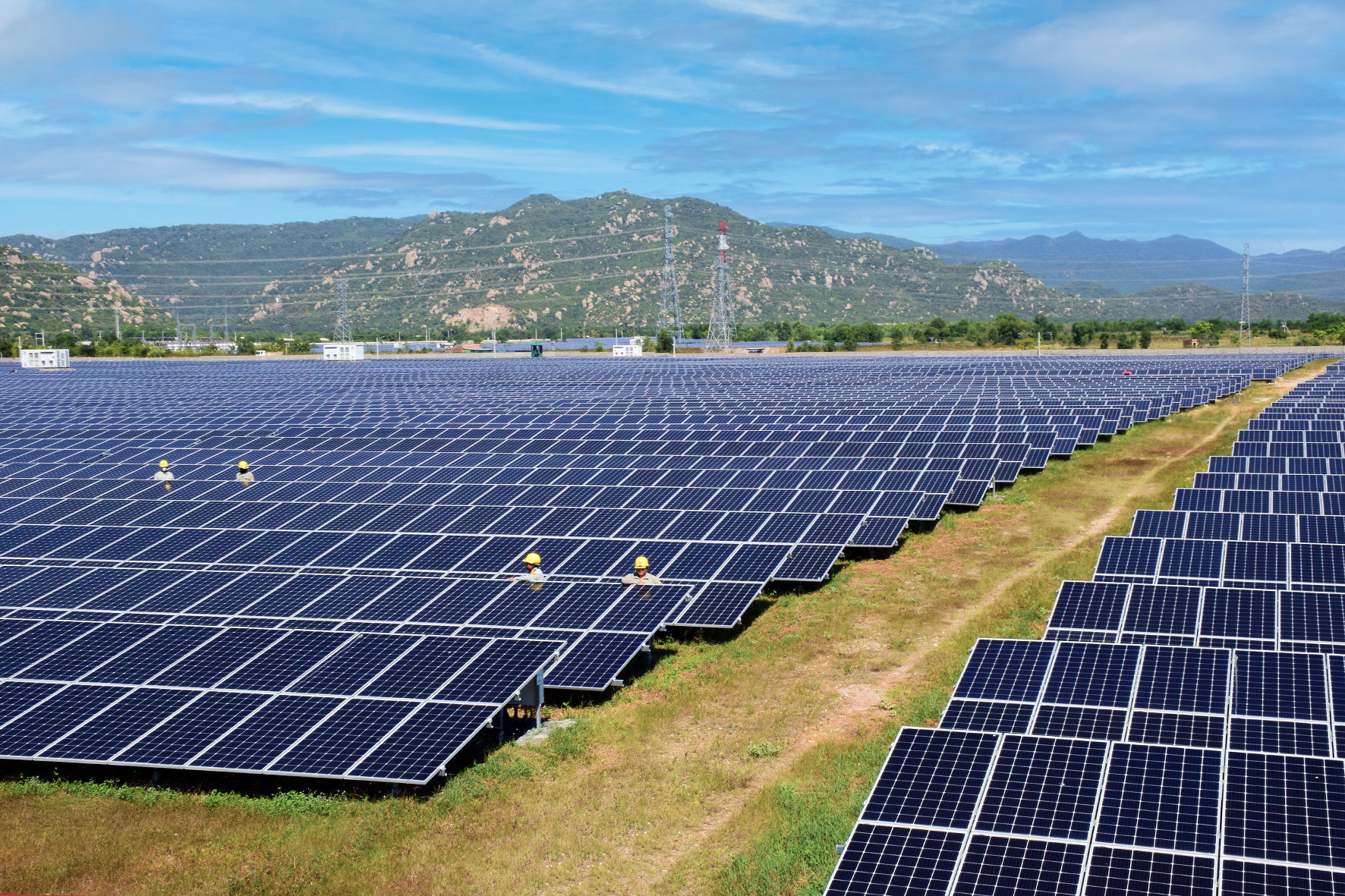
Moreover, various projects are presently in progress throughout the province, such as the Ea Po 1 Solar Power Plant (40 MW), the floating solar power initiative at the Dong Nai 2 hydropower reservoir (240 MW), the Buon Kuop Solar Power Plant (87 MW), and the KN Buon Tua Srah Solar Power Project (312 MW).
A notable increase in electricity generation is also projected from rooftop solar systems installed for self-generation and self-consumption, expected to be operational by the fourth quarter of 2026.
According to the industry and trade sector, once obstacles facing major energy projects are removed and the power grid operates reliably, the energy sector is expected to become one of the key pillars supporting growth across both the sector and the province as a whole.
Removing Bottlenecks to Accelerate Projects
Recently, Ho Van Muoi, Member of the Party Central Committee, Deputy Secretary of the Provincial Party Committee, and Chairman of the Provincial People's Committee, chaired a meeting with the Department of Industry and Trade to assess its recent activities and outline key objectives for the remainder of the year.
As the province approaches this crucial final stretch, the provincial leader highlighted that reaching double-digit growth poses significant challenges for Lam Dong, with the industry and trade sector being one of the key contributors to GRDP growth.
Thus, in addition to encouraging industrial growth and enhancing retail services, the sector should concentrate on overcoming challenges and barriers that investment projects encounter, especially those within the energy sector. Rapidly eliminating project obstacles would provide a major boost to the province's GRDP growth in 2026 and the following years.
In October 2026, Nguyen Hong Hai, Member of the Provincial Party Standing Committee and Standing Vice Chairman of the Provincial People's Committee, convened a meeting with relevant departments and agencies to push for the resolution of issues affecting energy projects throughout Lam Dong.
Based on the classification results gathered by the Department of Industry and Trade, provincial leaders have urged relevant agencies to promptly assess and determine the next actions for each project, especially the 14 renewable energy projects facing difficulties within the titanium mineral reserve zone.
For projects that overlap with the bauxite mineral planning areas, including six wind power projects in the former Dak Nong region, the relevant departments were tasked with working with investors to determine the next steps once the projects are removed from the planning scheme, allowing them to move forward with implementation.
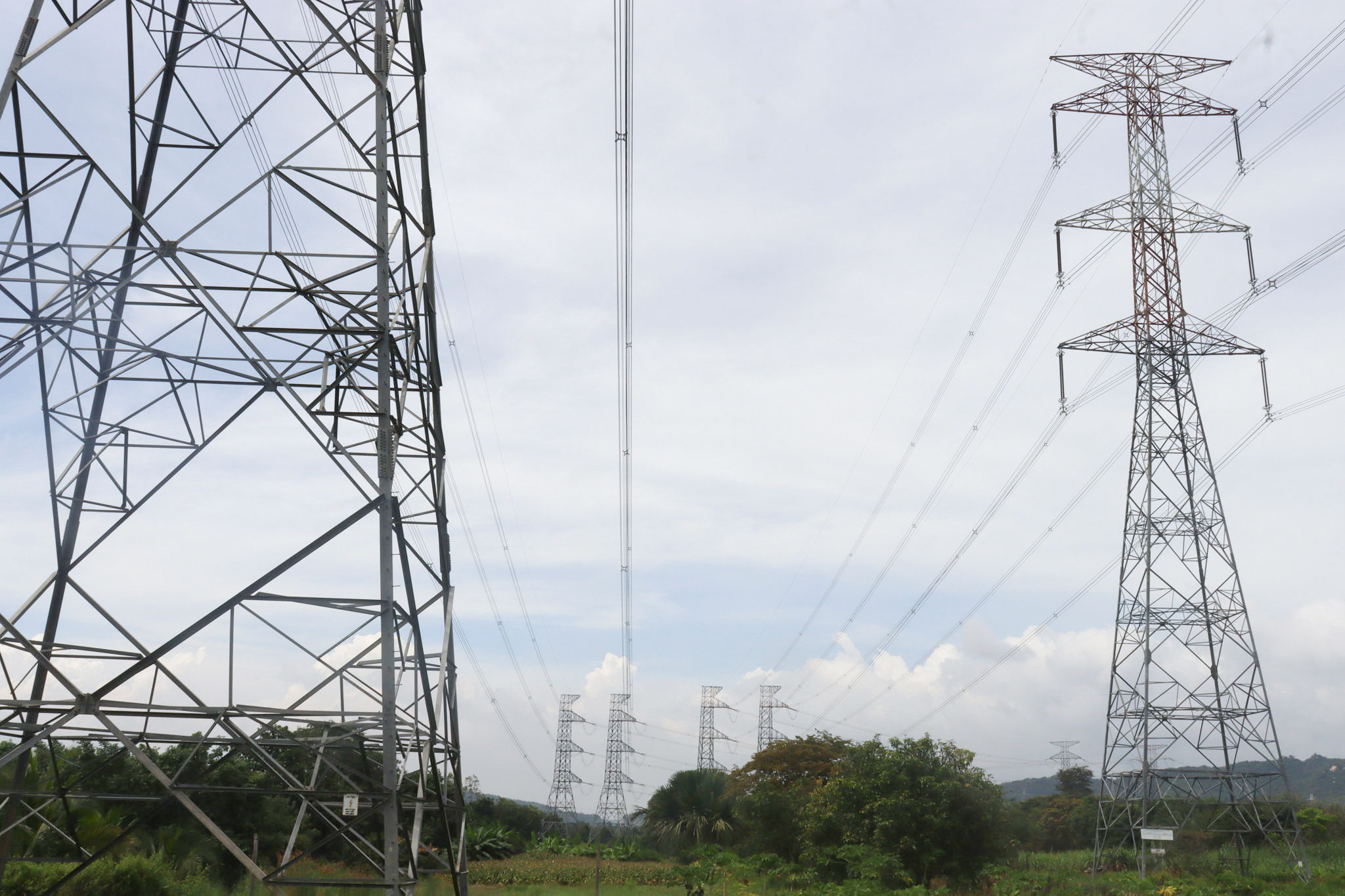
This phase is particularly vital for achieving the targets, indicators, and tasks established for 2026. In the energy sector, the Provincial People's Committee has tasked the Department of Industry and Trade with taking the lead in collaborating with relevant departments, agencies, and local authorities to tackle the challenges within the electricity generation and distribution sector. Priority will be given to bringing completed power projects into commercial operation.
Simultaneously, assistance will be provided to power plants throughout the province to ensure consistent electricity generation and supply to the national grid, thereby meeting the electricity needs for both production and everyday life while protecting national energy security.