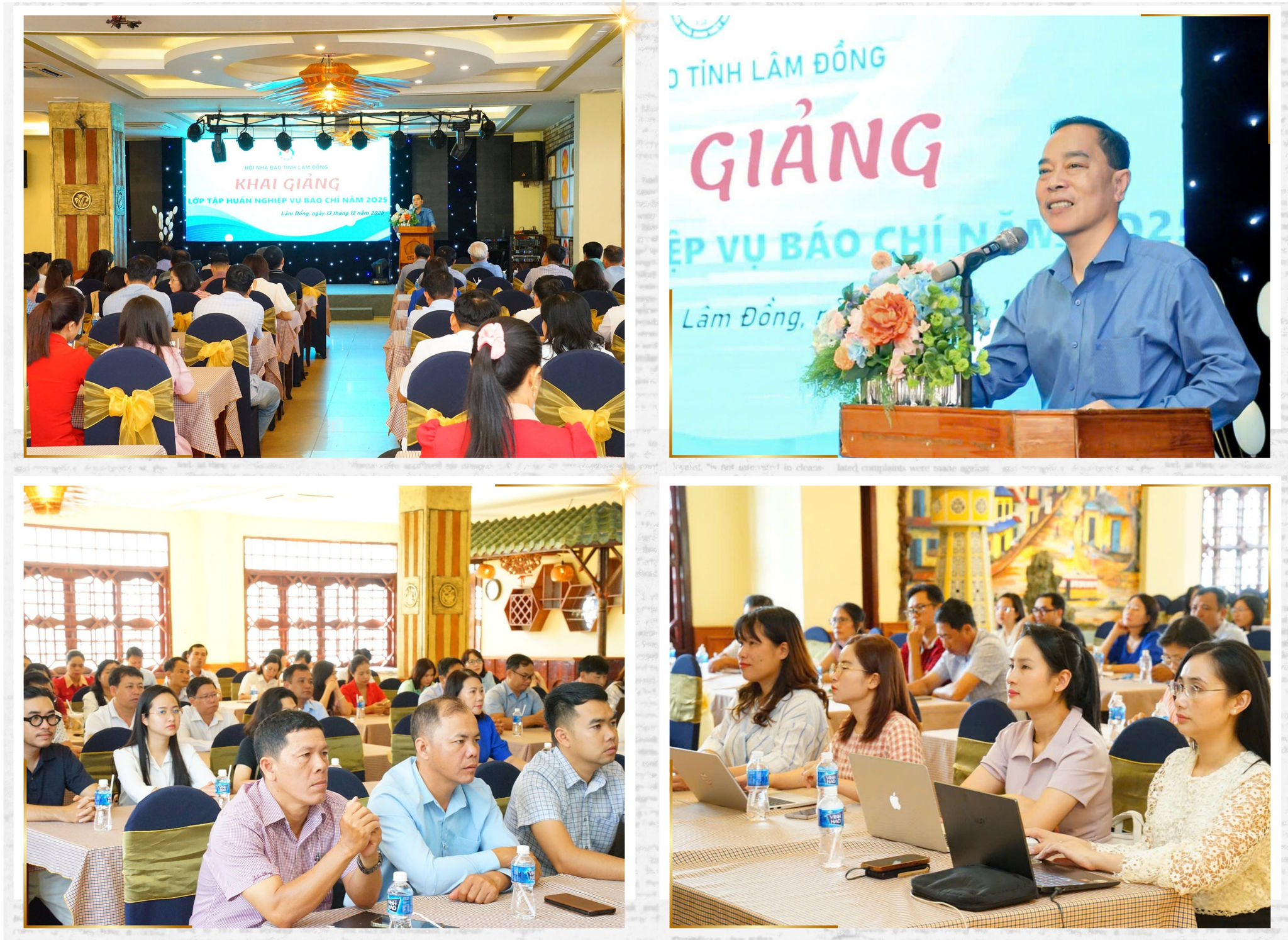


Engraving President Ho Chi Minh’s Teachings in the Hearts of Revolutionary Journalists
The 136th anniversary of President Ho Chi Minh's birthday (May 19, 1890 – May 19, 2026) offers revolutionary journalists an opportunity to reflect more deeply on their professional responsibilities in light of his teachings. Throughout every stage of the revolution, the press has served as an exceptionally important ideological front; at the same time, journalists, as President Ho Chi Minh once advised, must be soldiers serving the Fatherland and the People, defending the truth, and upholding the integrity of the revolutionary pen.
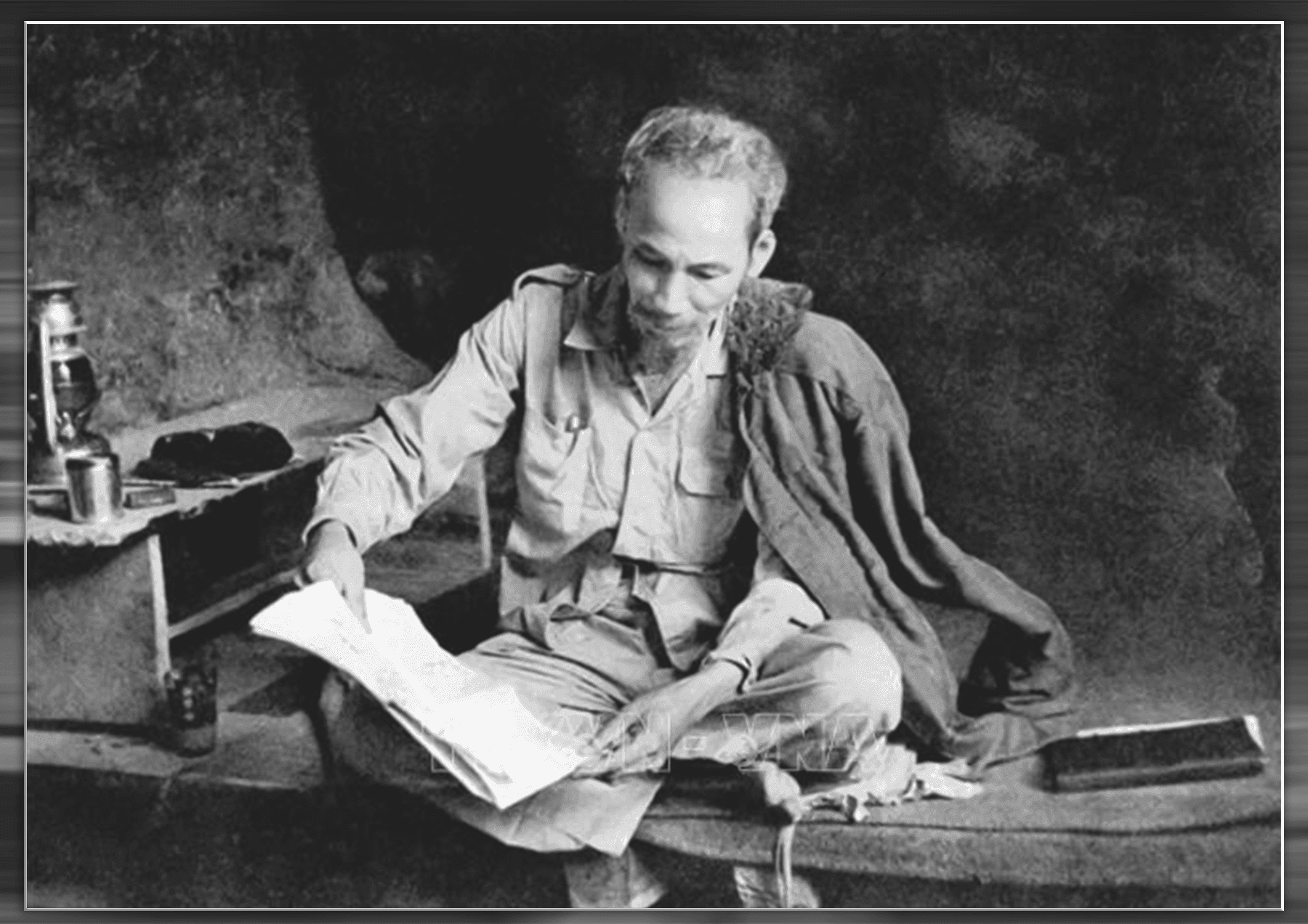
1. Throughout the history of Vietnam’s revolutionary press, President Ho Chi Minh was not only its founder but also the architect who laid the ideological, ethical, and stylistic foundations for revolutionary journalism. For him, the press was never merely a means of communication, but a vital front of the revolution, with journalists serving as soldiers on the ideological and cultural battlefield.
In the early decades of the 20th century, during his journey to seek a path to national salvation, Nguyen Ai Quoc soon recognized the power of the press in awakening national consciousness, mobilizing revolutionary forces, and fighting oppression. From the "Claims of the Annamite People" submitted to the Versailles Peace Conference in 1919 to his later articles in Le Paria (The Outcast), Thanh Nien (Youth), Cong Nong (Workers and Peasants), Linh Kach Menh (Revolutionary Soldiers), Viet Nam Doc Lap (Independent Vietnam), Cuu Quoc (National Salvation), and Nhan Dan (The People), his pen was always closely tied to the destiny of the nation and the interests of the People.
Each of his articles served as a clarion call, and each newspaper as an ideological battleground, helping to kindle patriotism, strengthen the resolve to fight for national independence, and inspire the aspiration to build a new society. Over more than half a century of journalistic activity, with thousands of articles written in multiple languages under more than 170 pen names, Ho Chi Minh left behind a monumental journalistic legacy of profound ideological and practical value.
Yet the greatest value of that legacy lies not in the sheer volume of his work, but in a consistent ideology: the press must stand with the People, serve the revolutionary cause, and advance the interests of the nation and its people. This remains the core essence that has shaped the character of Vietnam's revolutionary press over the past century.
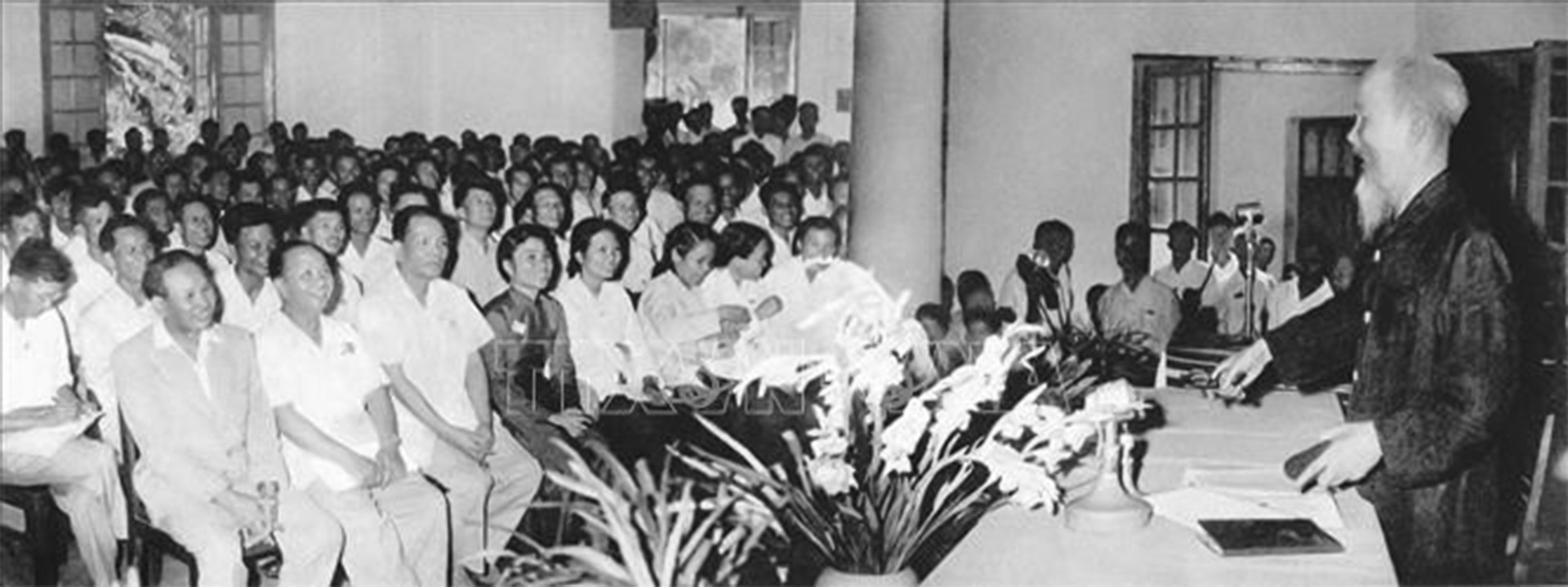
2.The enduring value of Ho Chi Minh’s journalistic ideology lies in his concise teachings, which carry profound theoretical and ethical depth as well as a strong sense of political responsibility toward the journalism profession.
He once advised: “Press officials are also revolutionary soldiers. The pen and the page are their sharp weapons.” In this philosophy, journalism is not merely a profession, but also a political mission, a social responsibility, and a duty to the People. Journalists do not simply reflect reality; they also help guide public opinion, defend what is right, fight what is wrong, and strengthen social trust.
In particular, his three famous questions — “Who are you writing for? What is the purpose of your writing? How should you write?” — remain fully relevant today as a fundamental professional principles of the revolutionary press.
Writing for the People and for their interests; writing to serve the revolution and national development; and writing with honesty, objectivity, simplicity, and responsibility — this is not only a journalistic method but also the code of ethics for those who hold the pen.
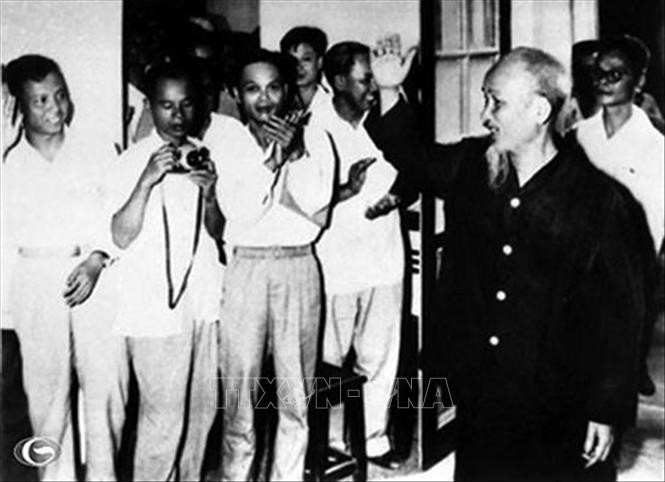
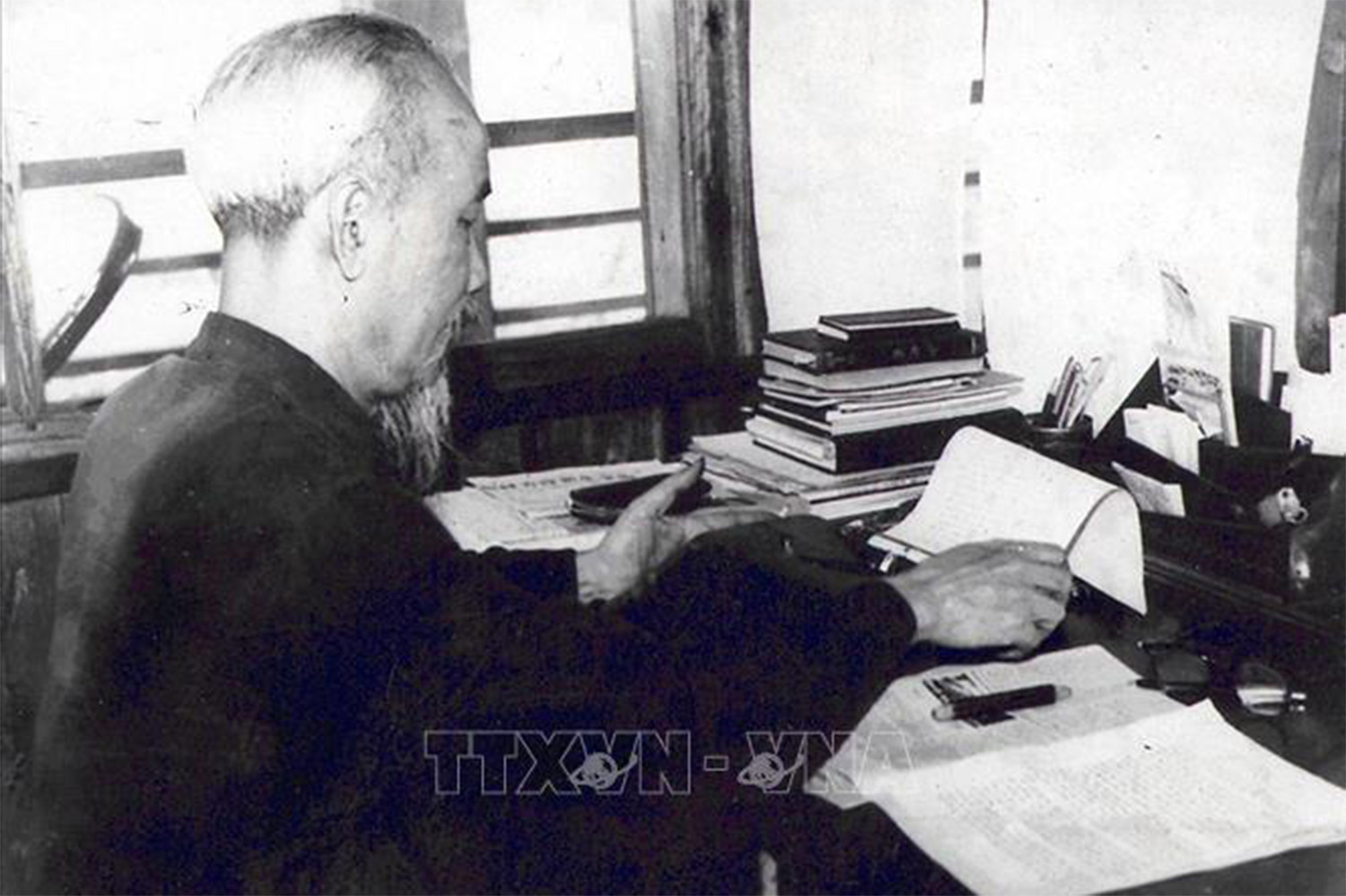
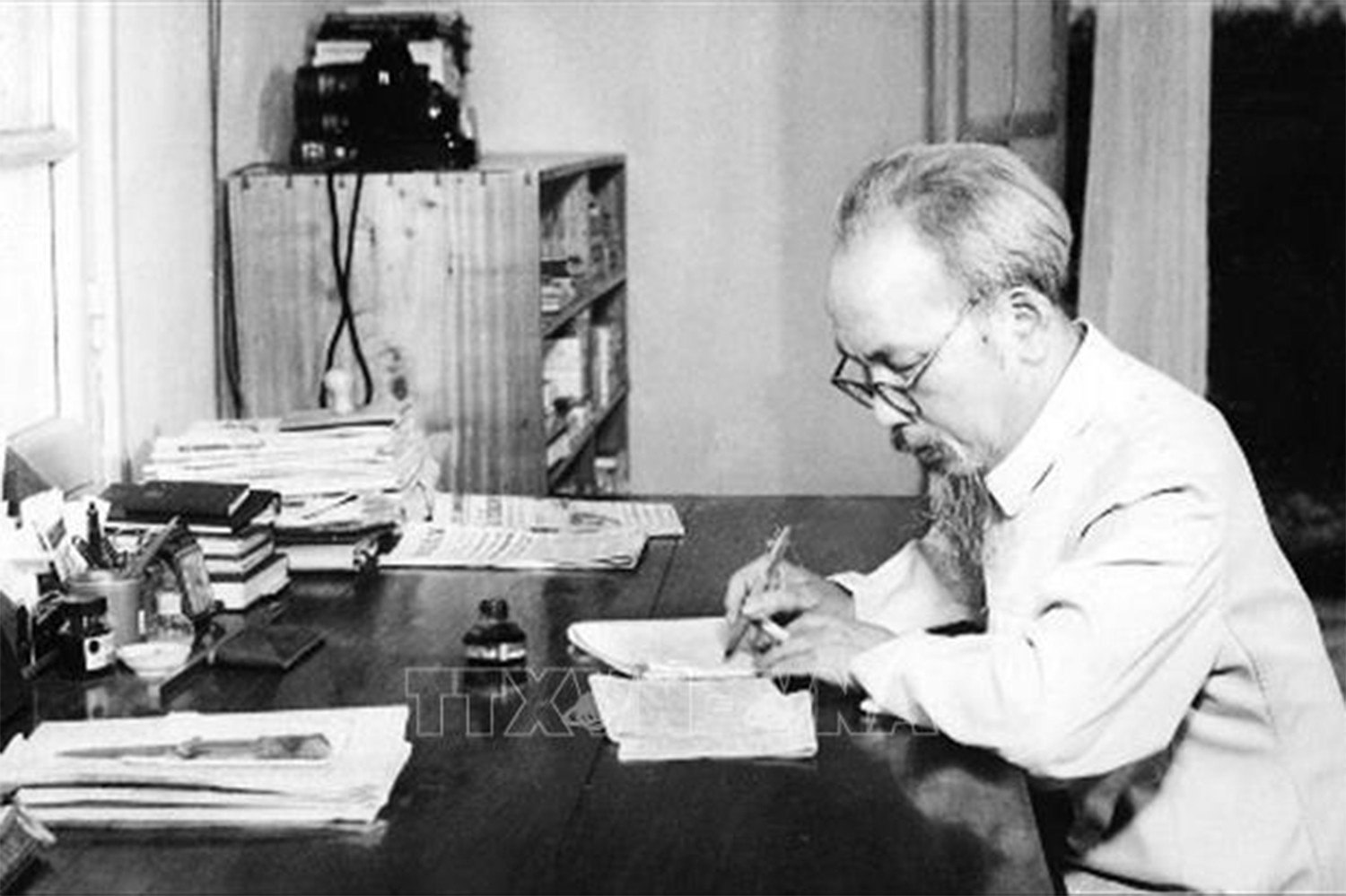
He also demanded that journalists show absolute respect for the truth. He once advised: “Without investigation, research, and clear understanding, do not speak, do not write.” This teaching remains profoundly relevant today, particularly in the digital media environment, where information spreads at unprecedented speed, competitive pressure is intensifying, and the risk of misinformation is ever-present.
It is precisely in this context that the responsibility of the revolutionary press must be placed above all else. The press cannot pander to superficial tastes at the expense of its guiding function; it cannot pursue speed while neglecting information verification; nor can it use media power in ways that compromise the truth and the public interest.
The strength of a press system is measured not merely by the number of media outlets or the speed of reporting, but more importantly, by its credibility and public trust. Such trust can only be built on honesty, objectivity, humanity, and responsibility in every journalistic work.
Beyond emphasizing professional responsibility, President Ho Chi Minh placed special importance on journalistic ethics. He required press officials to preserve their revolutionary virtues and fight against individualism and formalism. In his view, the press is not meant to whitewash or blacken reality, but must truthfully reflect life, discover and encourage what is good and progressive, and resolutely fight negativity, social evils, and deviant behaviors in society. This is precisely the fighting spirit and revolutionary nature of the Vietnamese press.
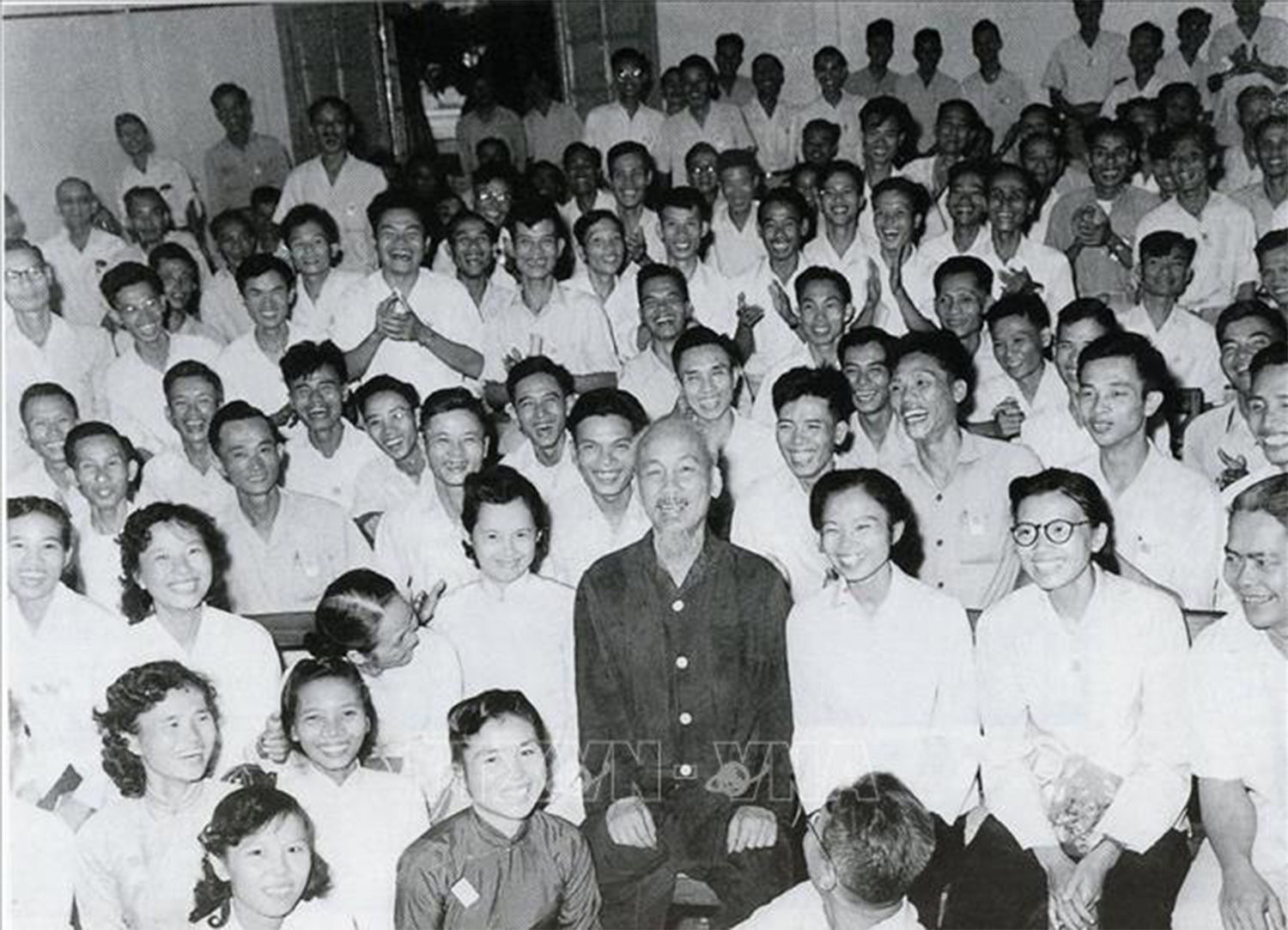
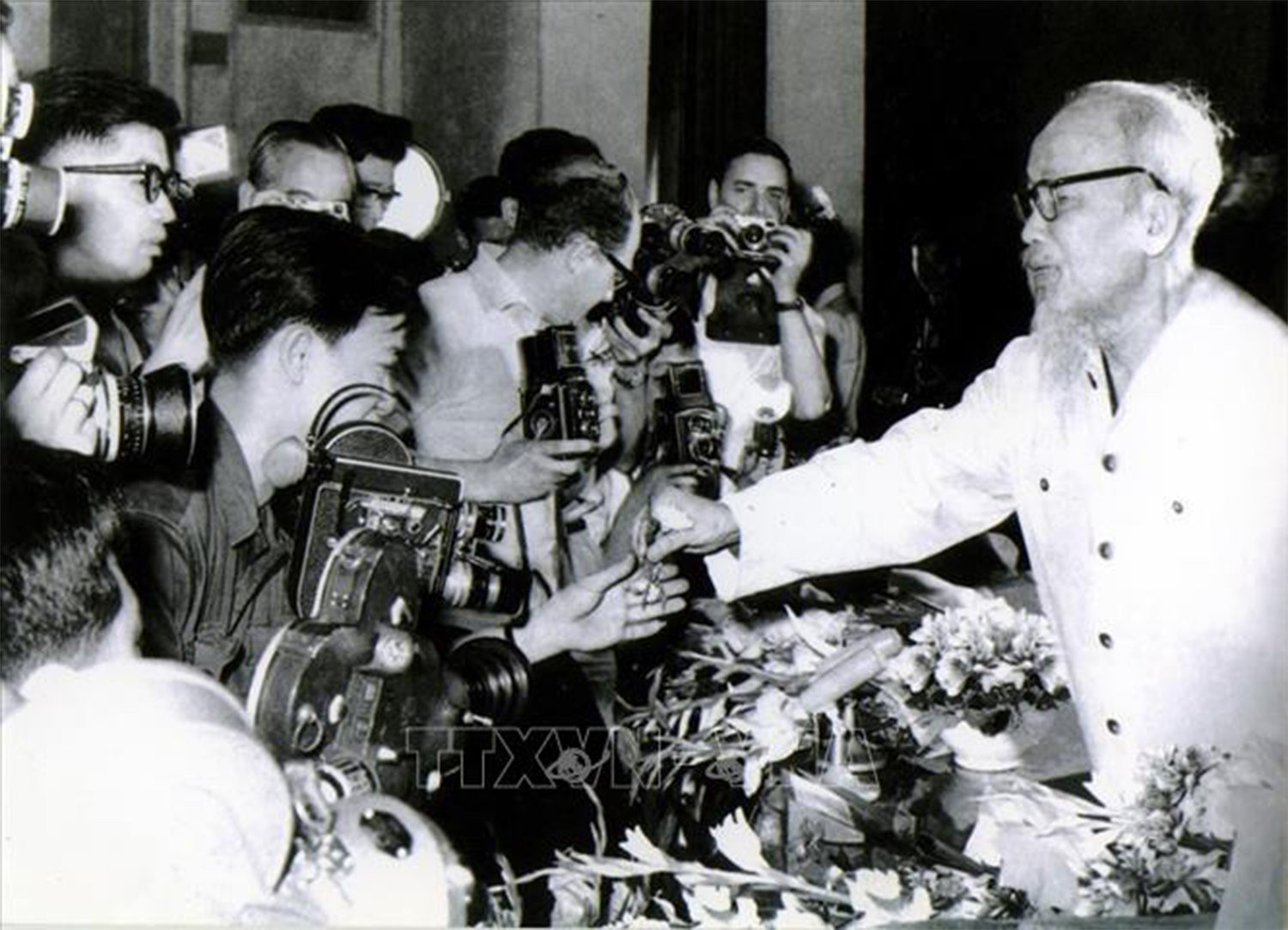
3. As Vietnam enters the digital era, the Vietnamese press stands at the threshold of unprecedented development opportunities while also facing major challenges. The rapid growth of the internet, social media, and modern communication technologies has transformed the way information is accessed, content is produced, and news is consumed by the public. In today’s open and fiercely competitive media environment, the revolutionary press must more than ever uphold its political mettle, professional ethics, and social responsibility. This is not merely a professional requirement, but an essential condition for maintaining the prestige and stature of the revolutionary press.
In this context, Uncle Ho’s teachings on journalism have become increasingly profound and relevant. Today’s journalists need not only to be fast, but first and foremost accurate; not only engaging, but responsible. They must not only reflect public opinion, but also help guide society through accurate, humanistic, and insightful information.
In an era when anyone can disseminate information, the core values that define the steadfastness of professional journalism are truth verification, a strong sense of responsibility, and the ethics of those who hold the pen. Technology may change the way journalism is practiced, but it cannot change the nature of Vietnam's revolutionary press: placing the People at the center, taking the truth as its guiding principle, and regarding national and public interests as the highest objective.


Looking back on the more than 100-year journey of Vietnam’s revolutionary press, it can be affirmed that the press was born from a great ideology, guided by revolutionary ideals, and illuminated by the wisdom of President Ho Chi Minh. The journalistic legacy he left behind consists not only of exemplary works, but more importantly, of a system of values concerning the ethics, responsibility, and mettle of revolutionary journalists.
For every journalist today, studying and following Uncle Ho’s teachings must not remain a slogan, but must be reflected in a sense of responsibility in every line of news and every article; in an honest attitude toward the truth; in the mettle to protect what is right and fight what is wrong; and in the spirit of serving the People and the country. Now more than ever, preserving journalistic ethics means preserving the People’s trust in the revolutionary press. Ultimately, holding firm the revolutionary pen means upholding the political responsibility, professional conscience, and mission of serving the Fatherland of Vietnamese journalists today.