


Enhancing Physical Fitness and Stature for the Younger Generation
During the 2021–2025 period, the second phase of the master plan on developing the physical fitness and stature of Vietnamese people for the 2011–2030 period has yielded many positive results across the province, contributing to the promotion of a healthy, active lifestyle and improving the quality of human resources.
Enhancing Stature Through Physical Training
One of the key goals of the project is to improve the stature of Vietnamese youth by 2030, with the average height of 18-year-old males reaching 168.5 cm and females 157.5 cm. To achieve this target, it is necessary to combine proper nutrition, healthcare and the development of school sports in a coordinated manner.
The initiative has been thoroughly executed from the provincial level down to local communities through a variety of communication efforts, reproductive health programs, school nutrition projects, and physical activity initiatives across all 124 communes, wards, and special zones.
The school milk initiative has been implemented in every preschool and general education institution. Schools have also prioritized developing balanced meal plans to ensure sufficient nutrition for their students.
The health insurance coverage rate for students has reached 99.7%, while routine health examinations and disease prevention efforts in schools have been consistently upheld.
Physical education and school sports initiatives across the province have made significant progress through a network of over 1,400 educational institutions at various levels.
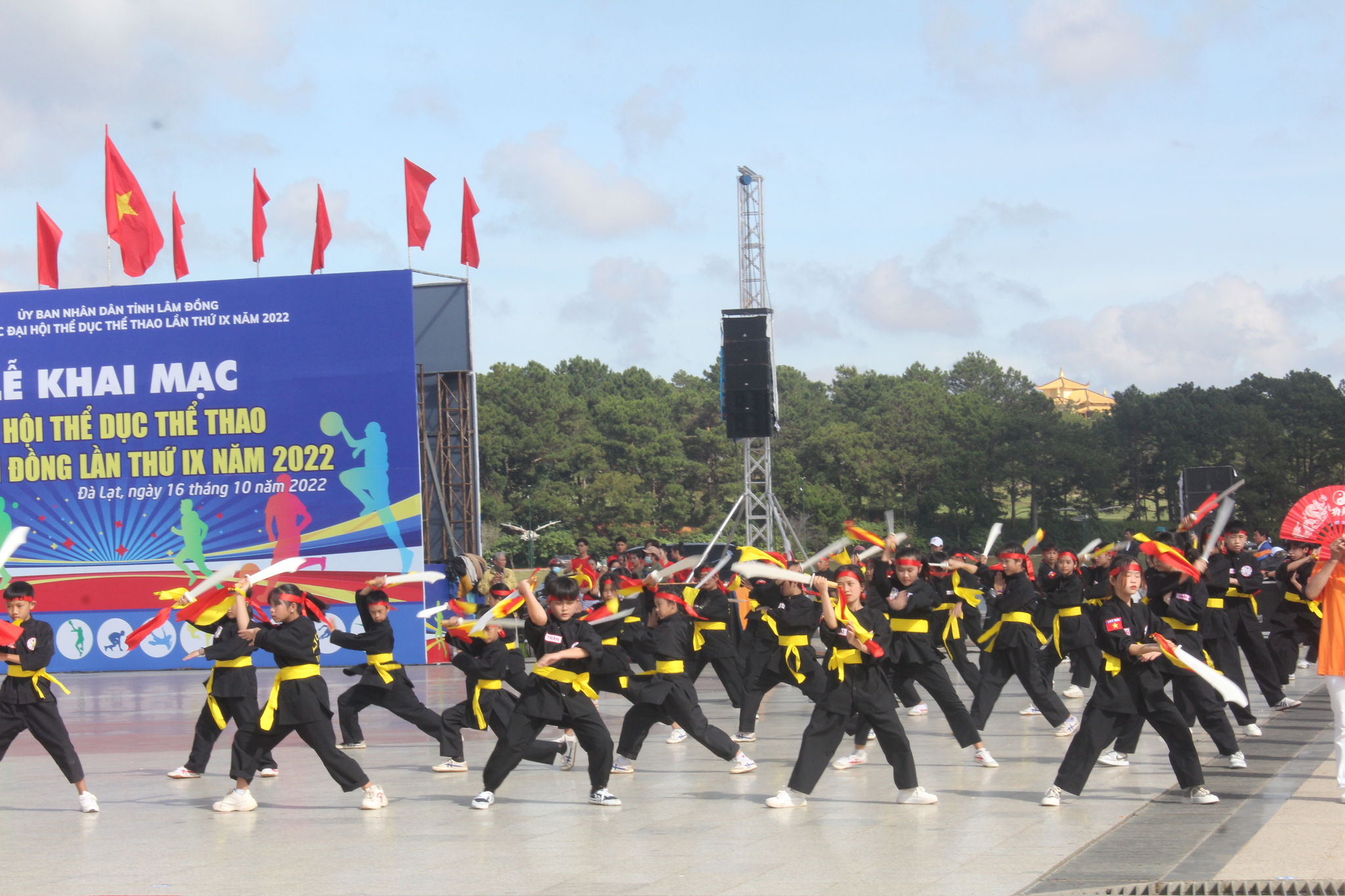
All general schools conduct morning exercises, mid-session physical activities, and fitness assessments; 50% of these schools offer swimming lessons, while 45% promote or teach martial arts. Numerous schools have made investments in sports facilities, swimming pools, and training resources for their students.
Currently, there are approximately 1,315 active school sports clubs in the province, and more than 2,000 sports tournaments are held each year, providing students with opportunities to train and discover their athletic abilities.
School sports activities have become increasingly vibrant, attracting large numbers of students. The 2025 Education Sector Sports Festival drew 6,665 athletes, while Lam Dong students competing at the 2025 National School Sports Tournament won five gold medals, two silver medals and six bronze medals. The first Education Sector Sports Festival in 2026 continued to attract more than 10,826 athletes competing in 23 sports, with over 2,200 medals awarded.
Joining Hands for a Healthy and Well-Rounded Young Generation
The movement for physical training in communities continues to grow, with 35% of residents engaging in regular exercise and 26% identified as families that prioritize sports. Sports facilities and gyms have been improved, and currently, there are more than 700 operational sports and physical training venues, with over 190 businesses involved in social mobilization initiatives that enhance public access to training areas.
The project aimed at enhancing the physical fitness and stature of the Vietnamese population in Lam Dong has resulted in positive developments from schools to community levels. Nevertheless, various challenges persist, such as inadequate facilities in rural regions, unequal access to nutrition in schools, and a lingering attitude among some parents and students who still underestimate the significance of physical training.
Pham Van Hoi, 80 years old, from Xuan Huong Ward in Da Lat, stated that starting physical exercise early is essential for establishing a strong foundation for education, work, and future disease prevention. He noted that many individuals only begin exercising late in life, when the expected benefits are not as impactful as they could be.
During the 2025–2030 period, Lam Dong Province will continue to implement a range of measures aimed at enhancing the physical health and stature of the younger population. This will include a focus on strengthening physical education in schools, expanding swimming and drowning prevention initiatives, and sustaining the school milk program.
Additionally, the province will emphasize improving nutrition in schools, establishing sports clubs in both schools and communities, and investing in playgrounds and athletic facilities in remote and ethnic minority regions.
“Improving physical fitness must begin with raising awareness and forming exercise habits from an early age. As the proportion of regular exercisers and sports-practicing households remains relatively low, it is necessary to build a culture in which everyone exercises and every family embraces sports as part of daily life. This will help improve the quality of human resources for development.”
Huynh Ngoc Tam, Deputy Director of the Department of Culture, Sports and Tourism