


Enhancing the Role and Voice of Women in Elected Bodies
With 2,074 female candidates running for People’s Council deputies at all levels for the 2026–2031 term and 13 female candidates standing for election to the 16th National Assembly, the election preparations in Lam Dong Province demonstrate positive progress in increasing women’s representation and role in elected bodies.
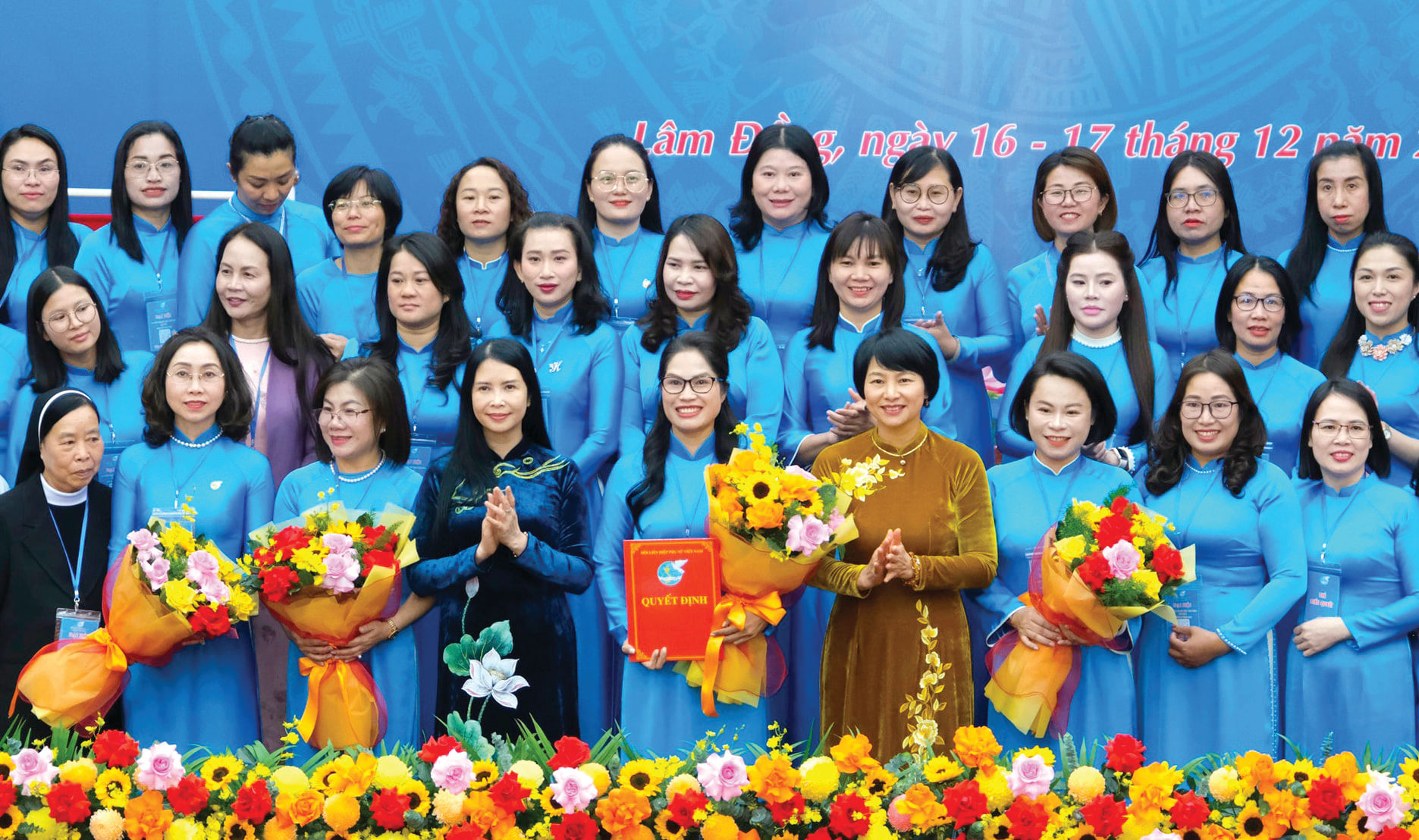
Increasing the proportion of female candidates in line with regulations
According to Resolution No. 107/2025/UBTVQH15, which provides guidance on determining the structure, composition, and allocation of candidates for People’s Councils for the 2026–2031 term, at least 35% of candidates on the official list must be women, while women are expected to account for around 30% of elected deputies.
In line with this guidance, Lam Dong Province has organized consultation conferences, nomination procedures, and candidate preparations to ensure compliance with the required structure and composition set by the central authorities.
For the 2026–2031 People’s Council elections, the province has 2,074 female candidates across all levels.
- Following the third consultation conference, the candidate structure shows encouraging results:
- 13 out of 21 candidates for the 16th National Assembly in Lam Dong are women.
- 61 out of 133 candidates for the provincial People’s Council are women, including two representatives from the Women’s Union.
- At the commune level, there are 2,013 female candidates among 4,843 total candidates, including 266 Women’s Union officials.
Notably, 113 out of 124 commune-level units have a female candidate ratio of 35% or higher. The highest proportion reaches 55.6%, while the lowest stands at 20%. These figures highlight positive progress in developing and promoting female personnel to participate in elected bodies.
Such results are closely tied to the proactive involvement of Women’s Union organizations across the province.
Implementing guidance from the Presidium of the Vietnam Women’s Union, the Standing Committee of the provincial Women’s Union directed grassroots units to closely monitor the status of female personnel within their localities. Women’s Union organizations conducted assessments related to planning, training, development, and utilization of female officials, while also introducing qualified female cadres and members with the capacity to stand for election to the National Assembly and People’s Councils at various levels
Throughout the consultation process organized by Fatherland Front Committees, the Women’s Union actively participated in discussions on candidate structure and composition and contributed to the nomination of candidates. At the same time, the organization supervised the implementation of regulations requiring at least 35% female representation in the official candidate lists.
Strengthening women’s voices and leadership
To enhance the capacity of female candidates, the provincial Women’s Union coordinated with central-level Women’s Union agencies to organize online training programs aimed at strengthening knowledge and practical skills.
These training sessions focused on key areas such as voter engagement, the development of action plans, legal awareness, and understanding the operational mechanisms of elected bodies.
Alongside capacity-building efforts, Women’s Union organizations at all levels have intensified communication and mobilization activities, encouraging women members and citizens to actively participate in the election, fulfill their civic responsibilities, and select qualified representatives—including capable female candidates.
Many female candidates in Lam Dong have also demonstrated a strong commitment to contributing to local development through well-defined and practical action programs.
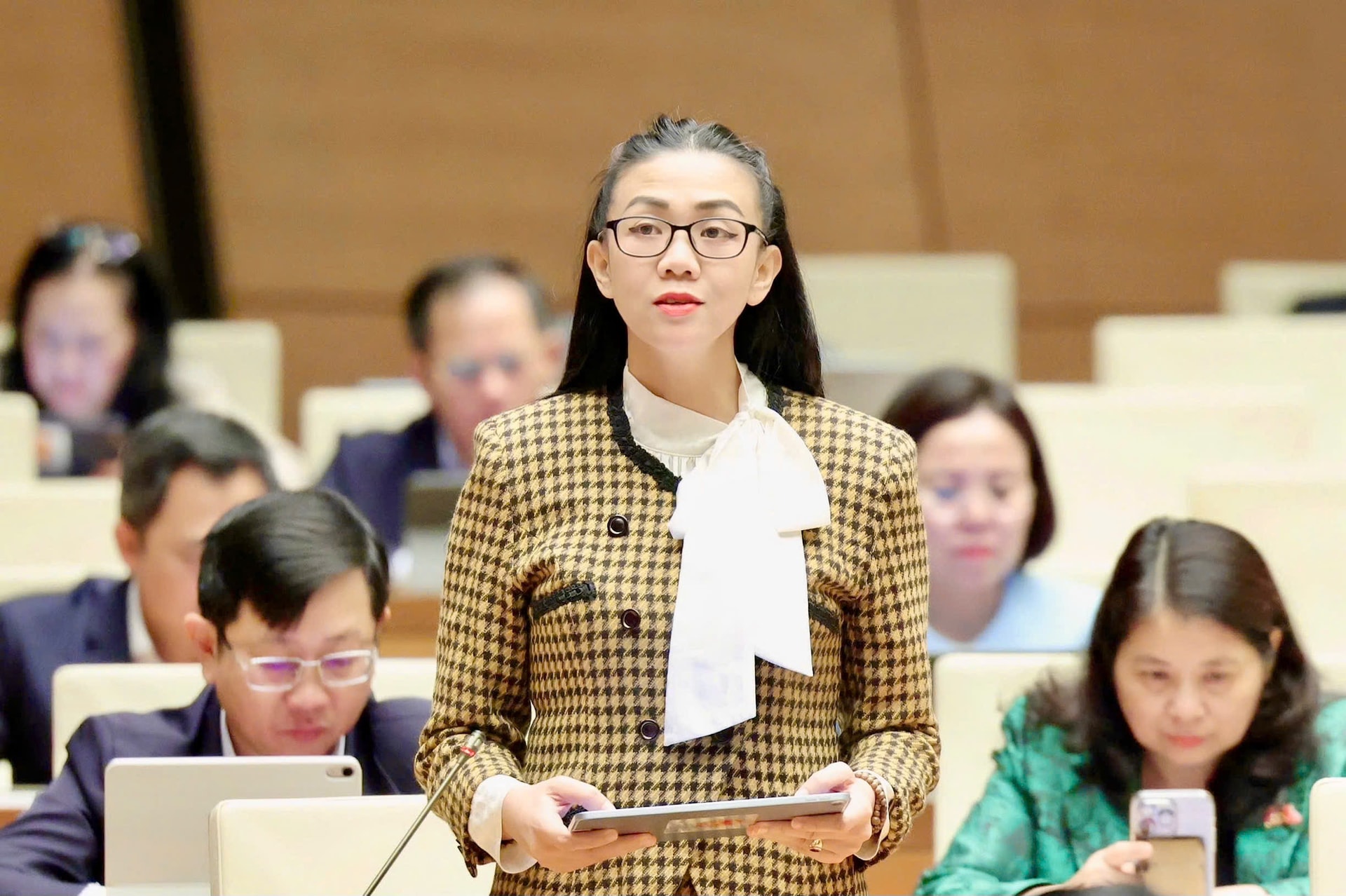
As a deputy of the 15th National Assembly, Trinh Thi Tu Anh has played an active role in conveying the voices of Lam Dong voters to the National Assembly and to the broader public.
Currently serving as a full-time National Assembly deputy for Lam Dong and a member of the National Assembly’s Committee for Science, Technology and Environment, she emphasized that every vote cast by constituents represents both trust and responsibility for an elected representative.
During her tenure, she has shared hundreds of opinions at National Assembly sessions, focusing particularly on legislative issues related to science and technology, environmental protection, education, healthcare, and social security. Her perspectives have been cited in nearly 600 news articles, helping bring the concerns and aspirations of Lam Dong voters to the national stage.
As a female deputy, she has consistently advocated for gender equality, domestic violence prevention, child protection—especially in the digital environment, and the completion of legal frameworks governing e-commerce.
“If I continue to earn the trust of voters and become a deputy of the 16th National Assembly, I will remain a bridge conveying the opinions, aspirations, and recommendations of voters and grassroots communities to both central and local authorities in resolving issues of public concern,” she affirmed. “I will always carry out my duties with integrity, determination, and a strong sense of responsibility.”
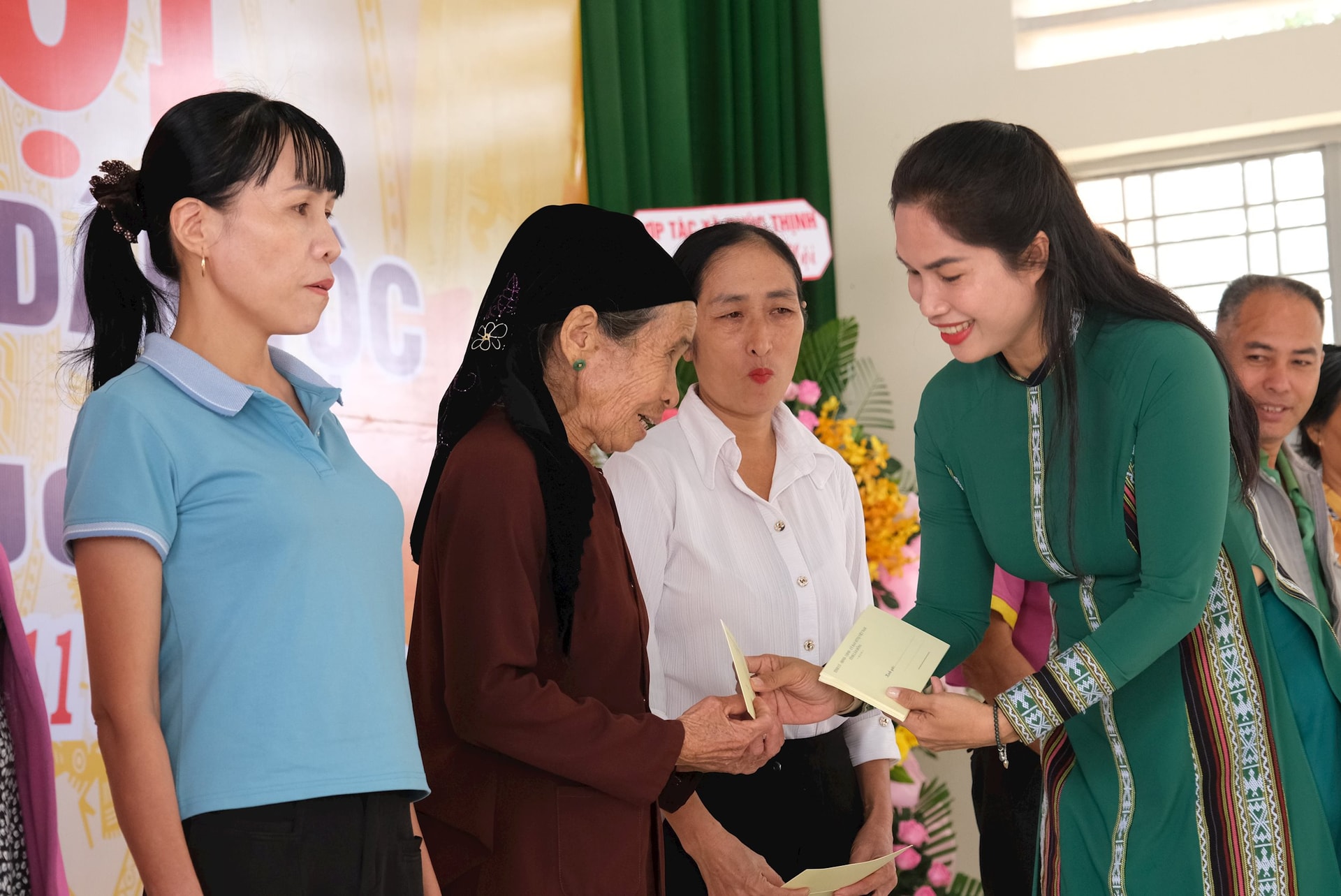
Meanwhile, H’Vi Eban, Chairwoman of the provincial Women’s Union, is standing as a candidate for the provincial People’s Council for the 2026–2031 term in electoral unit No. 34, which includes the communes of Duc Lap, Dak Mil, Thuan An, and Dak Sak.
Currently a member of the Provincial Party Committee and Vice Chairwoman of the provincial Vietnam Fatherland Front Committee, she believes that participating in the election is both an honor and a major responsibility, as People’s Council deputies represent the will and aspirations of the people.
If elected, she pledged to work alongside the Women’s Union to further promote policies that support women, focusing on training and capacity building, economic development support, job creation, income improvement, healthcare, and the enhancement of women’s overall well-being and family life.
She also emphasized the importance of strengthening social oversight and policy monitoring, particularly regarding laws and programs that affect women and children.
With the determined efforts of authorities at all levels and the proactive participation of Women’s Union organizations, the representation of women in elected bodies in Lam Dong Province continues to rise.
This progress not only advances gender equality in political representation but also opens broader opportunities for women to demonstrate their intellect, leadership, and dedication to the sustainable development of the province.