


Ensuring traffic order with AI cameras
Lam Dong Province is making a strong shift in urban management by deploying an AI-powered camera system. This is not merely a short-term solution, but a long-term strategy to build a smart, civilized and safer traffic network.
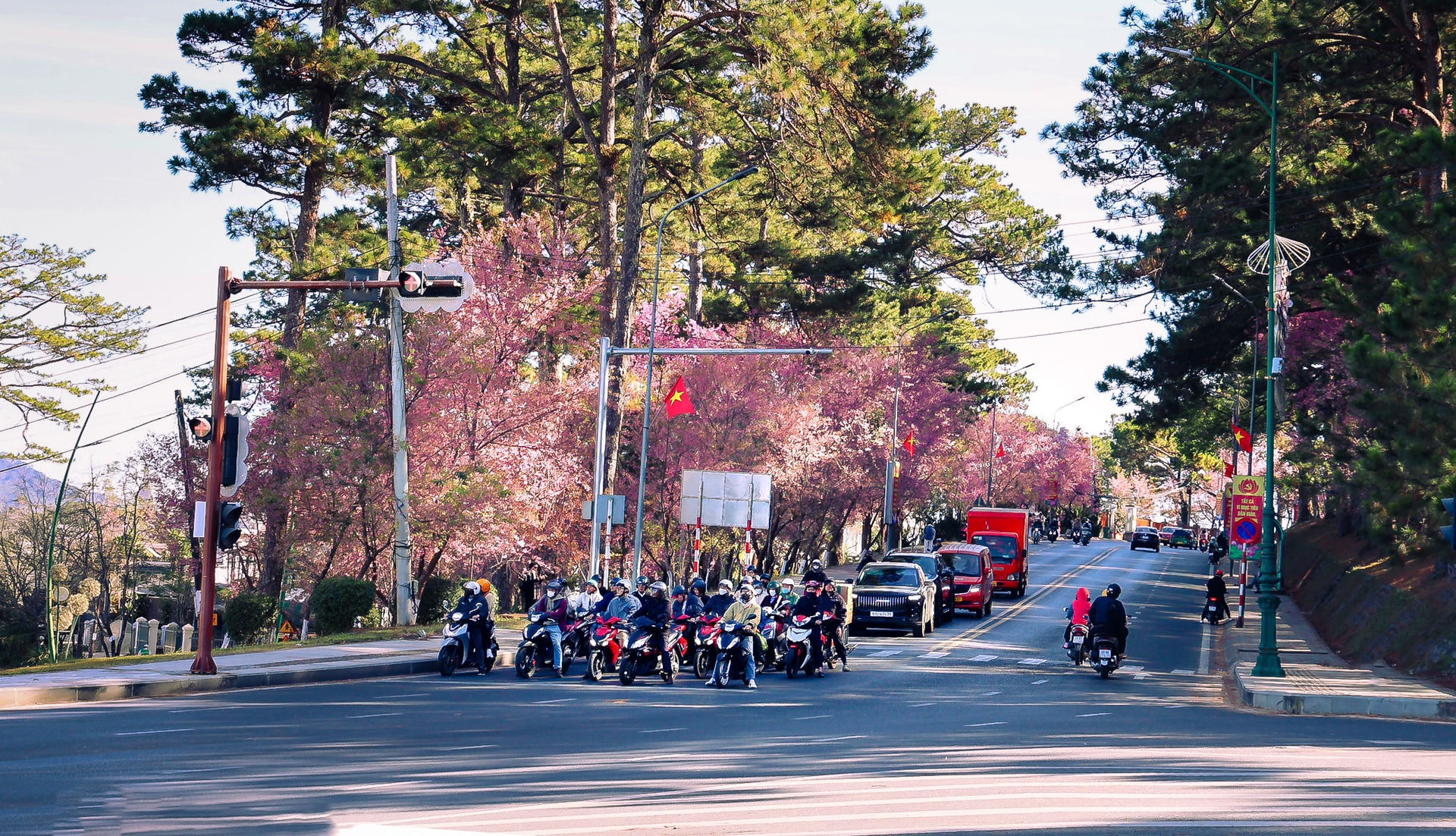
Effective pilot phase
In recent years, Da Lat and Lam Dong Province have faced mounting pressure from the rapid growth of private vehicles and tourist arrivals. Localized congestion and traffic accidents have become persistent concerns. Recognizing these challenges, provincial authorities have proactively applied smart technology as a key solution to traffic management.
The pilot installation of intelligent surveillance cameras at two major intersections in Da Lat — Kim Cuc Junction and the Five-Way University Junction — has shown positive results. Across the province, the monitoring network is being expanded. Nearly 40 cameras have been installed along National Highway 1A, while 35 modern cameras now operate in central Da Lat, the area with the most complex traffic density.
These cameras act as effective “assistants” to law enforcement. Violations such as running red lights, lane encroachment, and illegal parking are recorded objectively and accurately 24/7. This provides a solid legal basis for automated fines, a method praised for its fairness and deterrent effect, paving the way for a future smart traffic system.
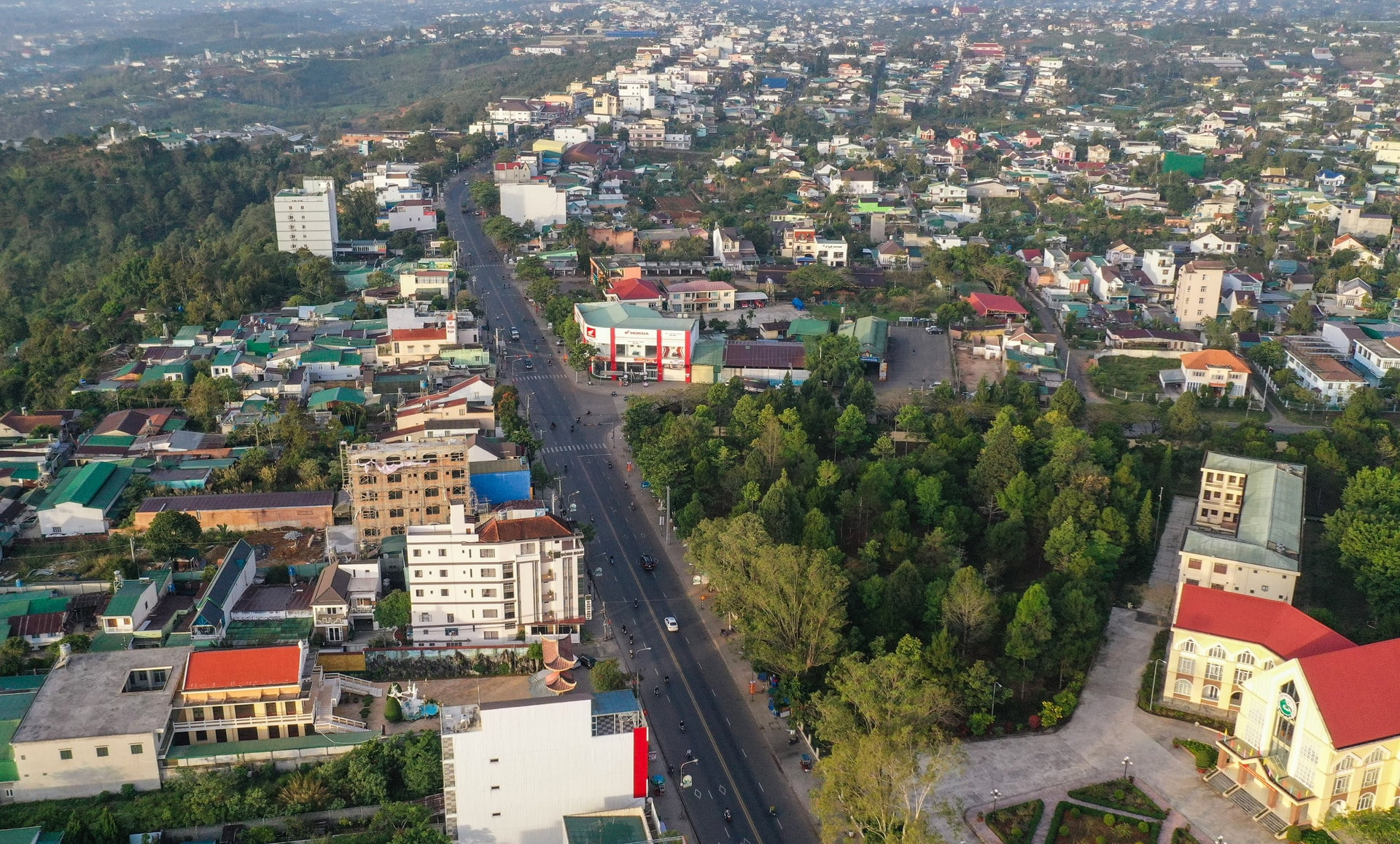
Building an AI camera data center
The Traffic Police Division under Lam Dong Provincial Police is coordinating with relevant units to implement the “AI Camera Data Center for Traffic Safety and Order” project. The initiative follows directives from the Ministry of Public Security and the Traffic Police Department.
According to Lieutenant Colonel Nguyen Van Tiep, Head of the Traffic Police Division, the project goes beyond installing physical devices. It aims to establish a centralized data ecosystem where on-site information is aggregated and analyzed to issue early warnings and provide timely traffic regulation solutions.
The project targets the installation of more than 2,000 additional AI cameras across the province. Priority routes include National Highways 20, 14, 27 and 28 — key arteries connecting various parts of Lam Dong. The goal is to create an interconnected surveillance network with no “blind spots.”
Three key benefits of technology
The synchronized deployment of AI cameras is expected to revolutionize traffic management in three main aspects: optimizing resources, ensuring transparency in enforcement, and supporting long-term planning.
With thousands of cameras operating continuously, pressure on patrol forces will be significantly reduced. Traffic police can focus on specialized duties and complex situations rather than routine roadside enforcement. Minimizing direct contact between officers and violators also helps prevent disputes and misconduct, contributing to a more transparent and professional image.
As citizens become aware that violations are monitored and strictly handled, public compliance with traffic laws is expected to improve. Moreover, the Big Data collected will allow authorities to scientifically analyze congestion points and accident hotspots, providing a foundation for more effective planning and long-term traffic safety improvements.
The “AI Camera Data Center for Traffic Safety and Order” project aims to install over 2,000 AI cameras province-wide, with all field data integrated and analyzed to deliver early warnings and timely traffic management solutions.