


Episode 3: When the Entire Political System Moves in Unison
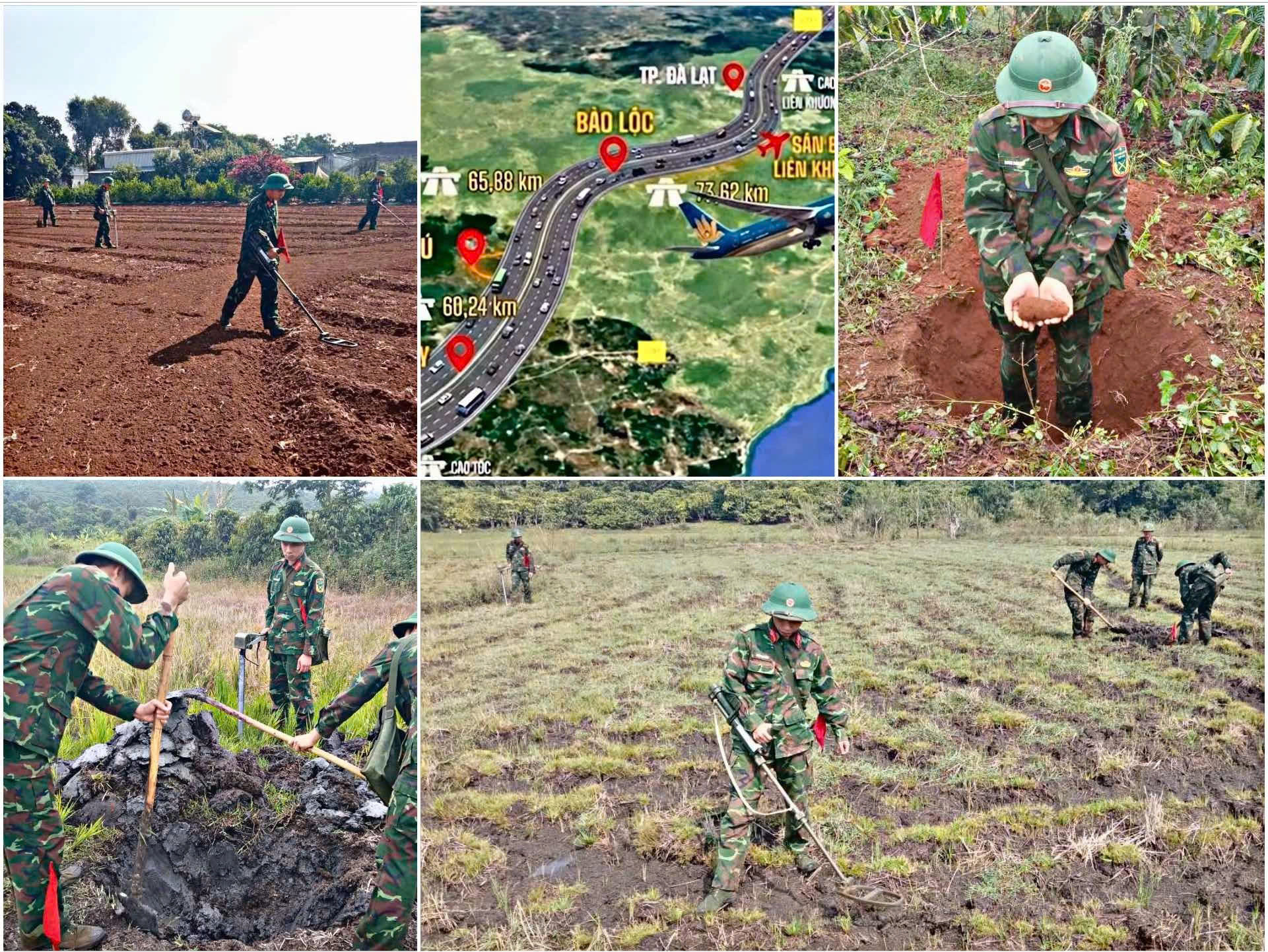
As the first construction fronts are deployed on the ground and public consensus continues to strengthen, the Tan Phu – Bao Loc and Bao Loc – Lien Khuong expressway projects are entering a critical phase.
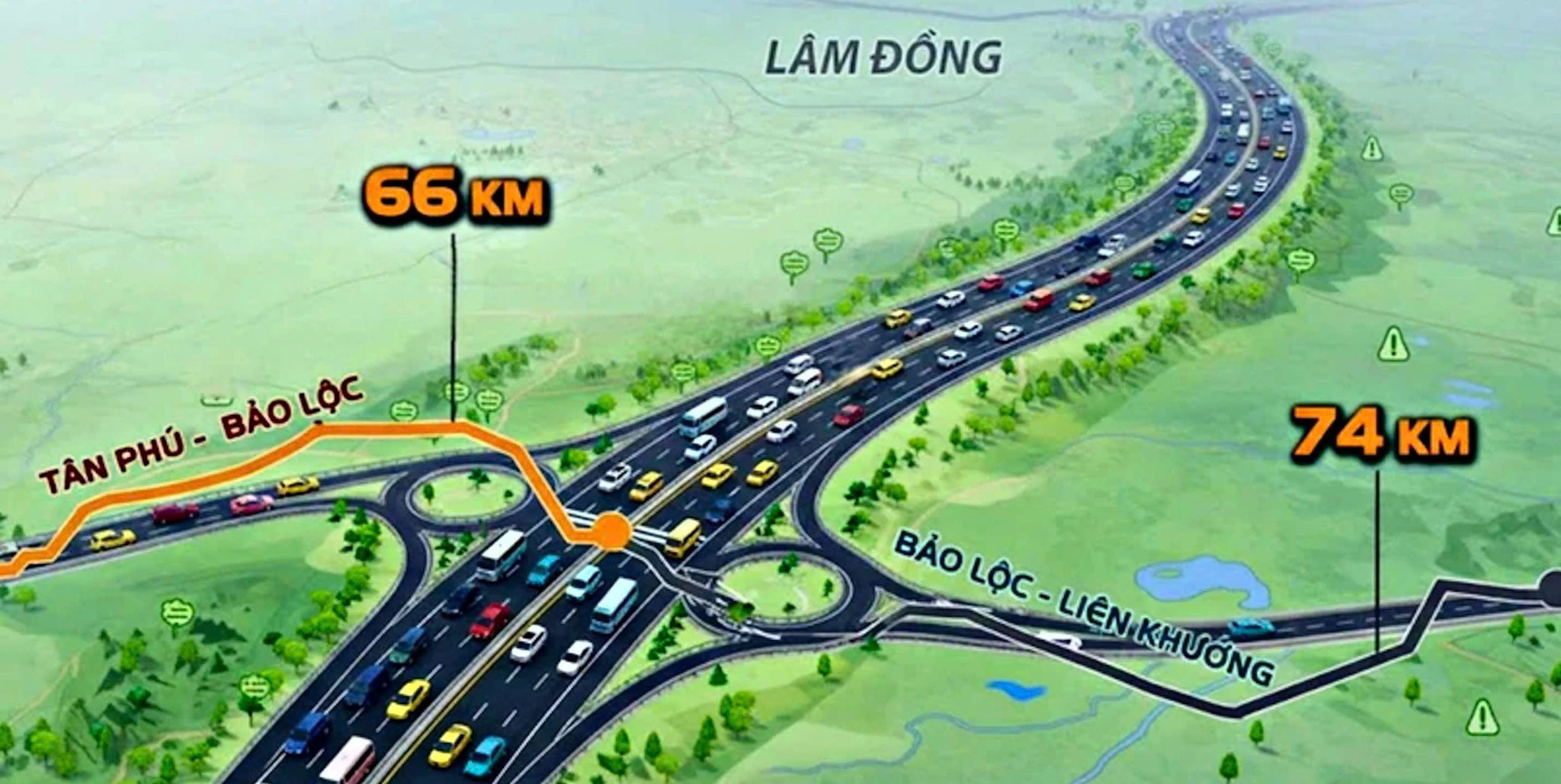
At this stage, the key issue is no longer whether to implement, but how to organize execution—where each administrative decision can either accelerate or delay overall progress.
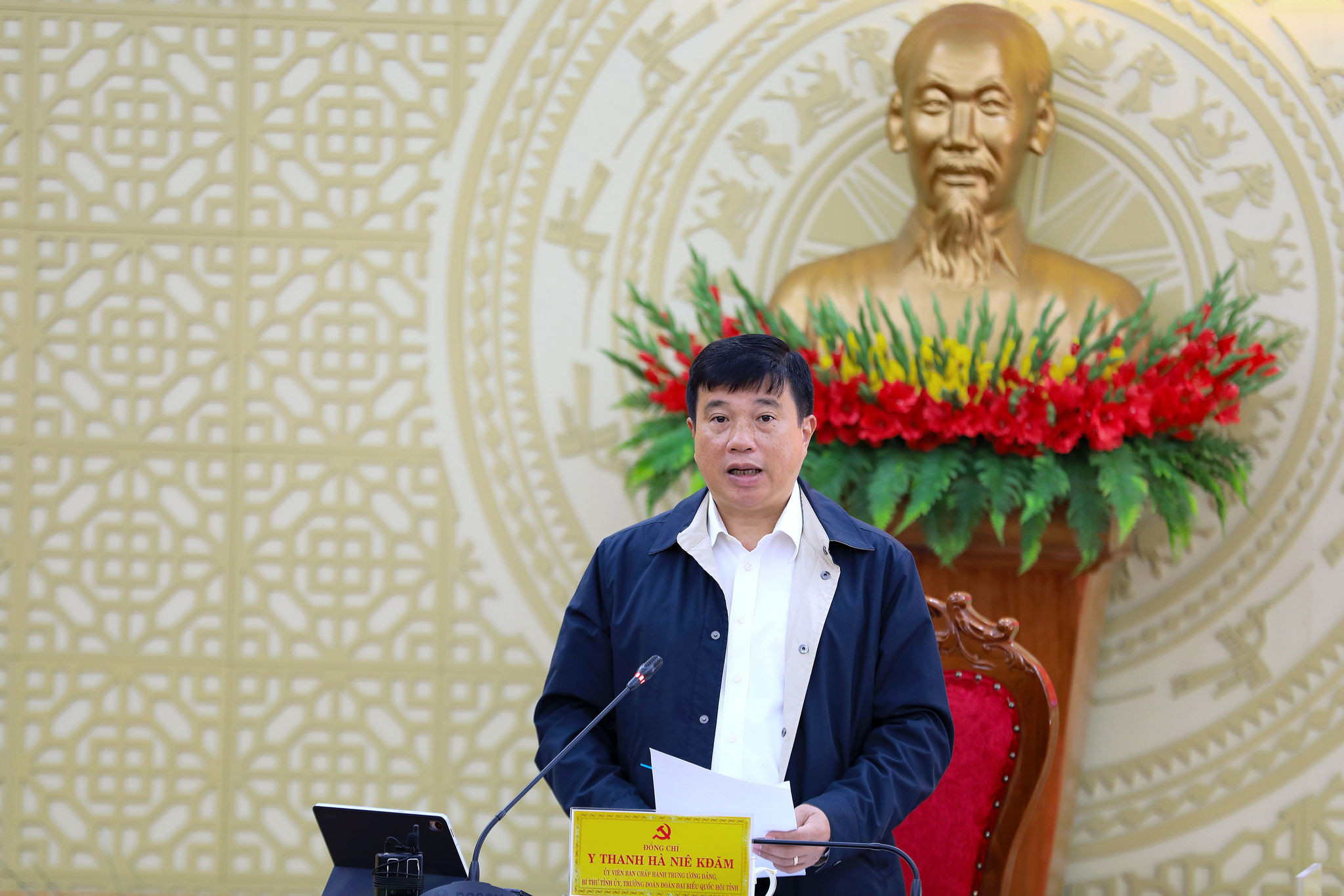
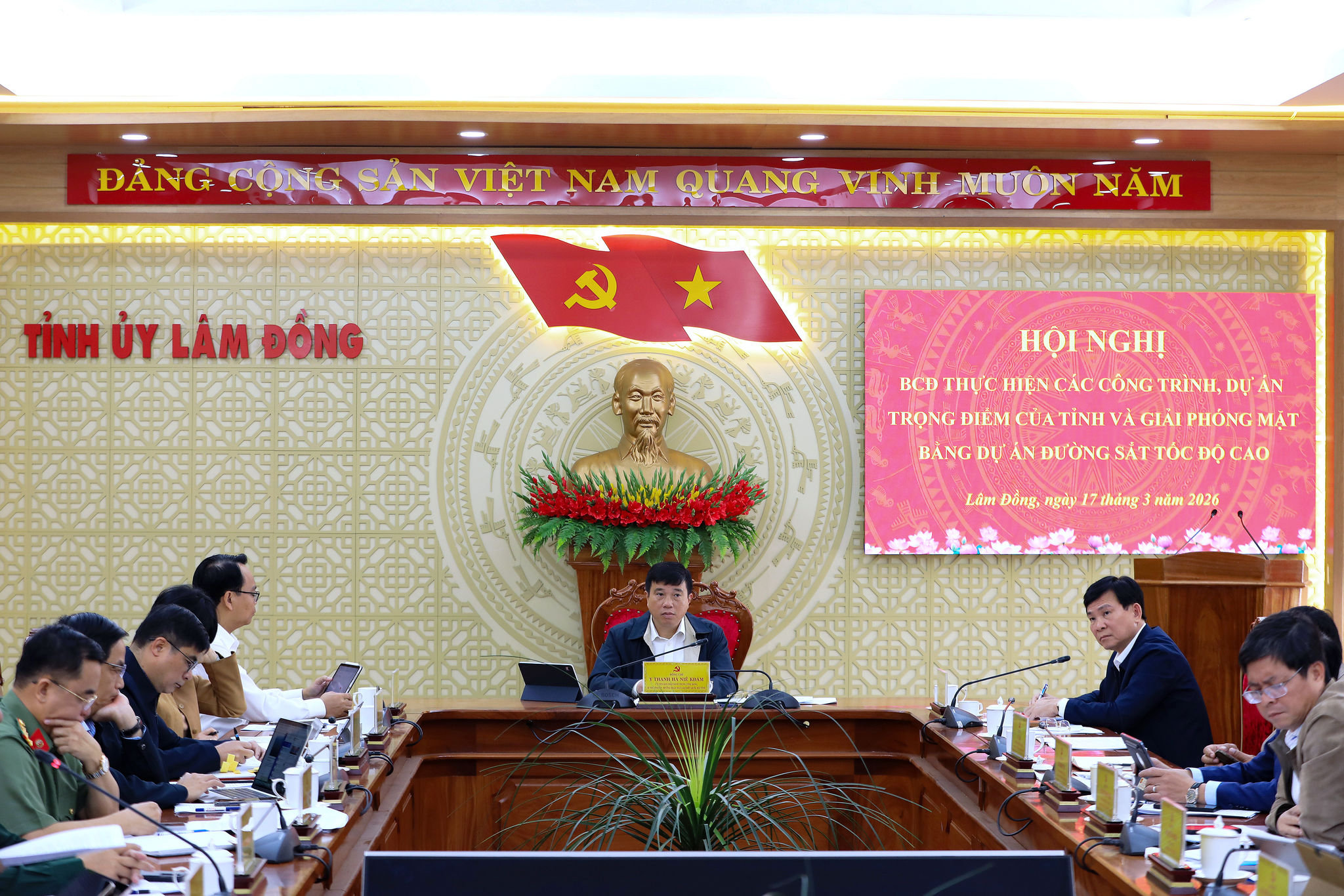
Strong and Decisive Leadership
At the March 2026 Steering Committee meeting on key provincial projects and site clearance for the high-speed railway, Lam Dong Provincial Party Secretary Y Thanh Ha Nie Kdam emphasized: “Authorities at all levels must clearly define responsibilities, operationalize the principle of ‘local decision, local implementation, local accountability,’ and avoid delays caused by subjective factors.”

In practice, the entire political system has been mobilized. From provincial to grassroots levels, bottlenecks are being addressed through concrete, measurable actions tied to specific milestones.
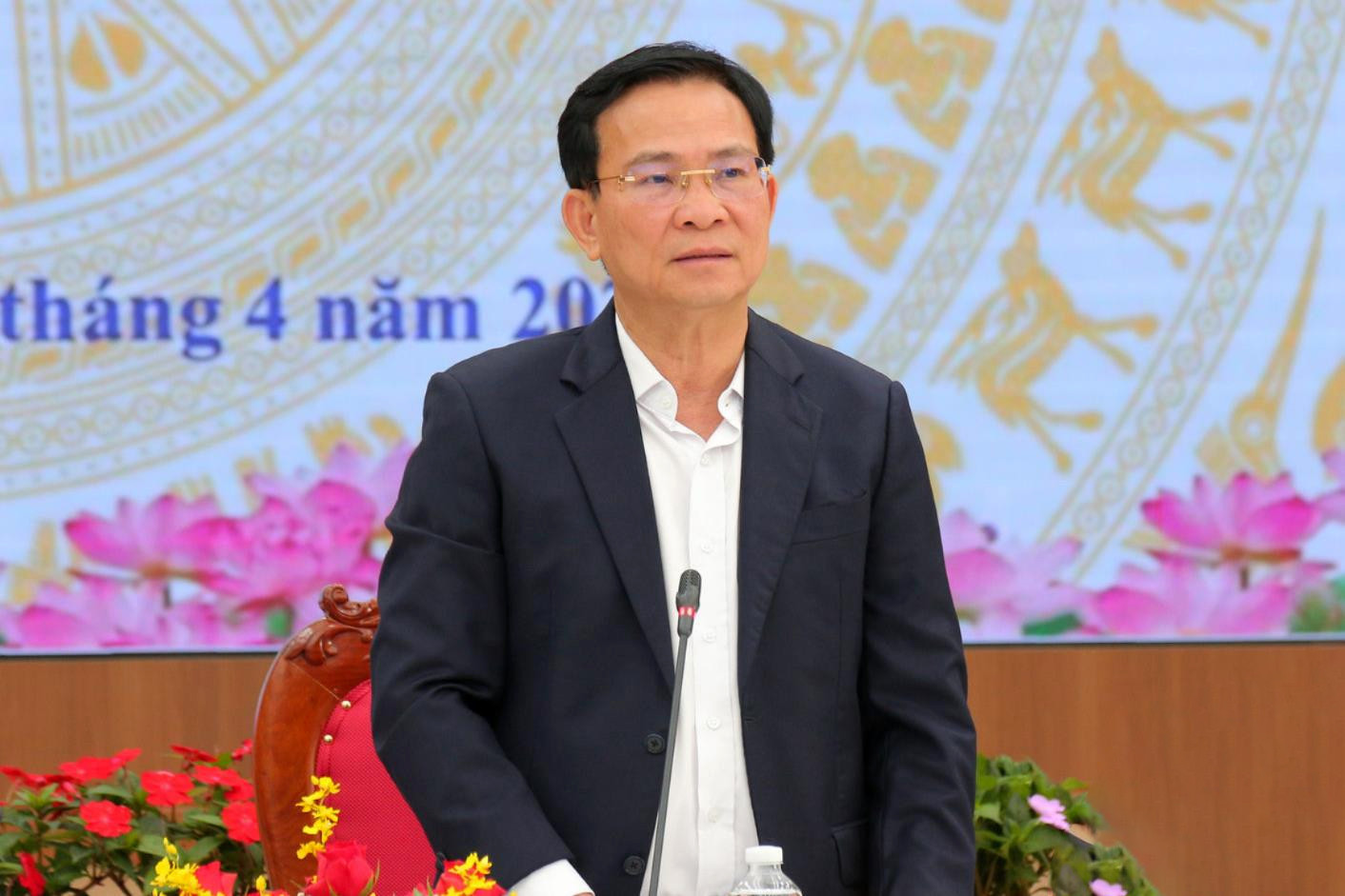
Chairman of the Provincial People’s Committee Ho Van Muoi has directed agencies to maximize remaining time, immediately implement feasible tasks, prioritize large-scale projects—especially expressways—and avoid repeating past shortcomings in public investment disbursement.
For the Tan Phu – Bao Loc section, local authorities and land development agencies have been tasked with intensifying efforts, ensuring site clearance is completed on schedule. Provincial leaders have also been assigned to maintain an on-site presence to resolve issues in real time.

Nguyen Hong Hai, Vice Chairman of the Provincial People’s Committee, has been assigned direct oversight of both projects. During meetings and field inspections, he has required immediate clarification of specific issues: which segments face land clearance obstacles, which dossiers are incomplete, and which stages are delayed—and why.
Issues are not merely recorded but resolved on-site, with clear solutions, responsible units, and strict deadlines—down to specific days or even hours for urgent tasks. This approach creates direct pressure for immediate action.
Meetings have shifted from “report listening” to “problem solving.” Outstanding issues are not deferred but resolved within defined timelines.
Official Notice No. 360/TB-UBND (March 29, 2026) functions not just as a conclusion, but as an implementation directive, assigning clear tasks, deadlines, and accountability.
In working sessions, delayed items are no longer merely noted but are clearly identified in terms of causes, responsibilities, and required remedies within the shortest possible timeframe. Each stage and task is thoroughly dissected, creating constant management pressure that compels agencies to shift from process-based handling to progress-driven execution.
This decisive leadership has generated a strong ripple effect, ensuring that no part of the system remains on the sidelines. Departments, local authorities, and investors are required to accelerate, operate at higher intensity, strengthen coordination, and assume clear accountability for each assigned task.
“Hard Deadlines” to Remove Bottlenecks
Provincial directives have been translated into detailed action plans focusing on legal procedures and technical documentation.
A key breakthrough is the implementation of Resolution No. 407 on converting 104.25 hectares of forest land—previously a major bottleneck. Instead of sequential processing, agencies now work in parallel to shorten timelines.
An inter-agency task force has been established to streamline coordination and reduce repetitive revisions.
The Department of Construction serves as the central coordinator, holding frequent briefings and ensuring immediate resolution of pending issues.
According to Deputy Director Nguyen Thanh Chuong, deadlines are fixed and non-negotiable.
For Tan Phu – Bao Loc:
- Technical design: before April 20, 2026
- Investment adjustment: before April 25, 2026
- Alignment adjustment: before April 21, 2026
- Forest conversion: before April 20, 2026
- Bauxite assessment: before April 19, 2026
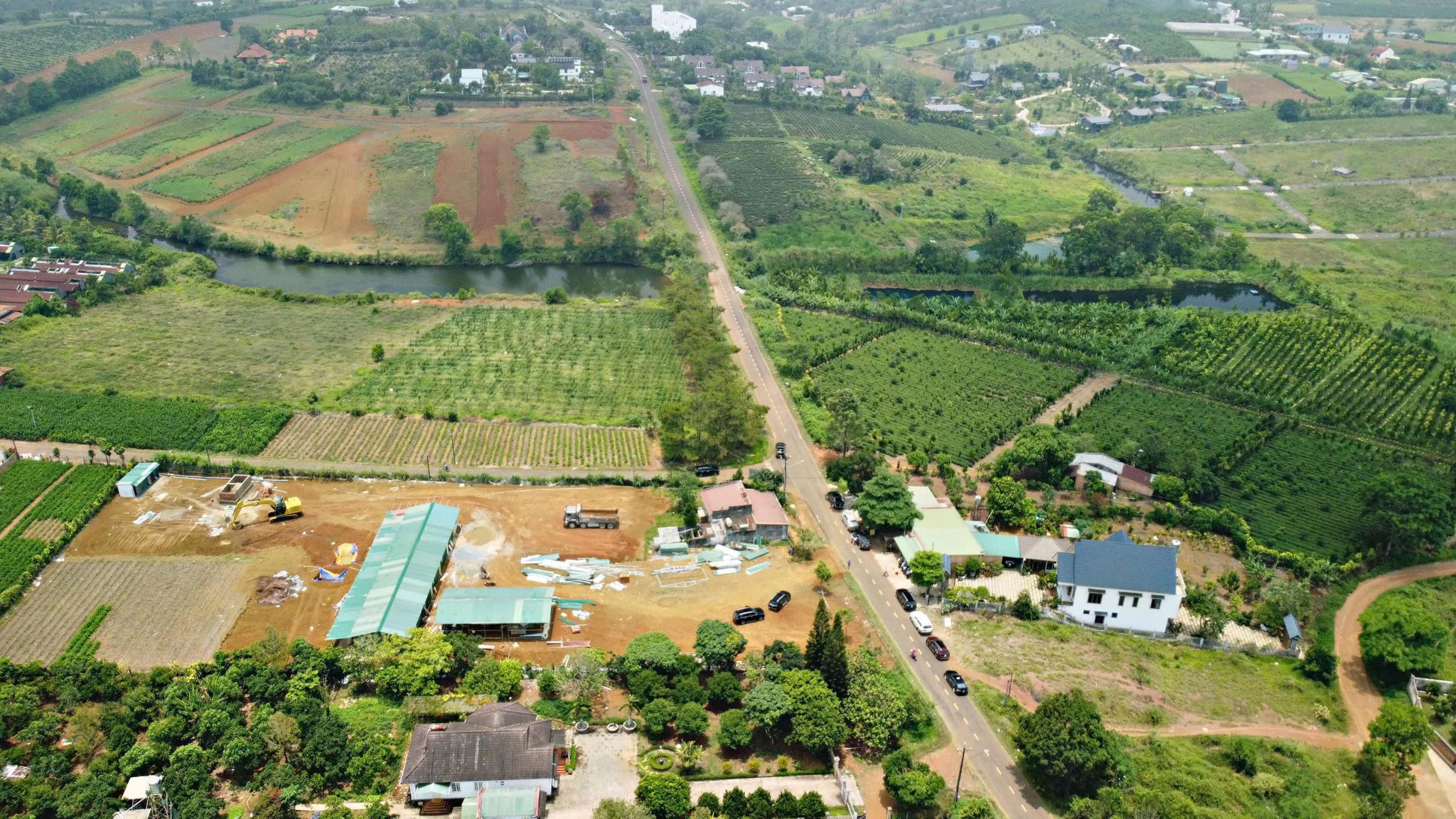
For Bao Loc – Lien Khuong:
- Technical design: before April 25, 2026
- Forest conversion: before April 16, 2026
- Bauxite assessment: before April 18, 2026
- Construction readiness: by April 25, 2026
Beyond task assignment, the Department of Construction is directly involved in resolving bottlenecks during appraisal, handling documentation immediately as issues arise to avoid backlogs. Specialized divisions have been instructed to shorten processing time and work continuously to ensure overall progress.
Project Management Unit No. 1 has been tasked with closely monitoring the progress of each component, while completing the feasibility study report for the technical infrastructure relocation subproject by May 2, 2026—an immediate milestone following the construction kick-off phase.
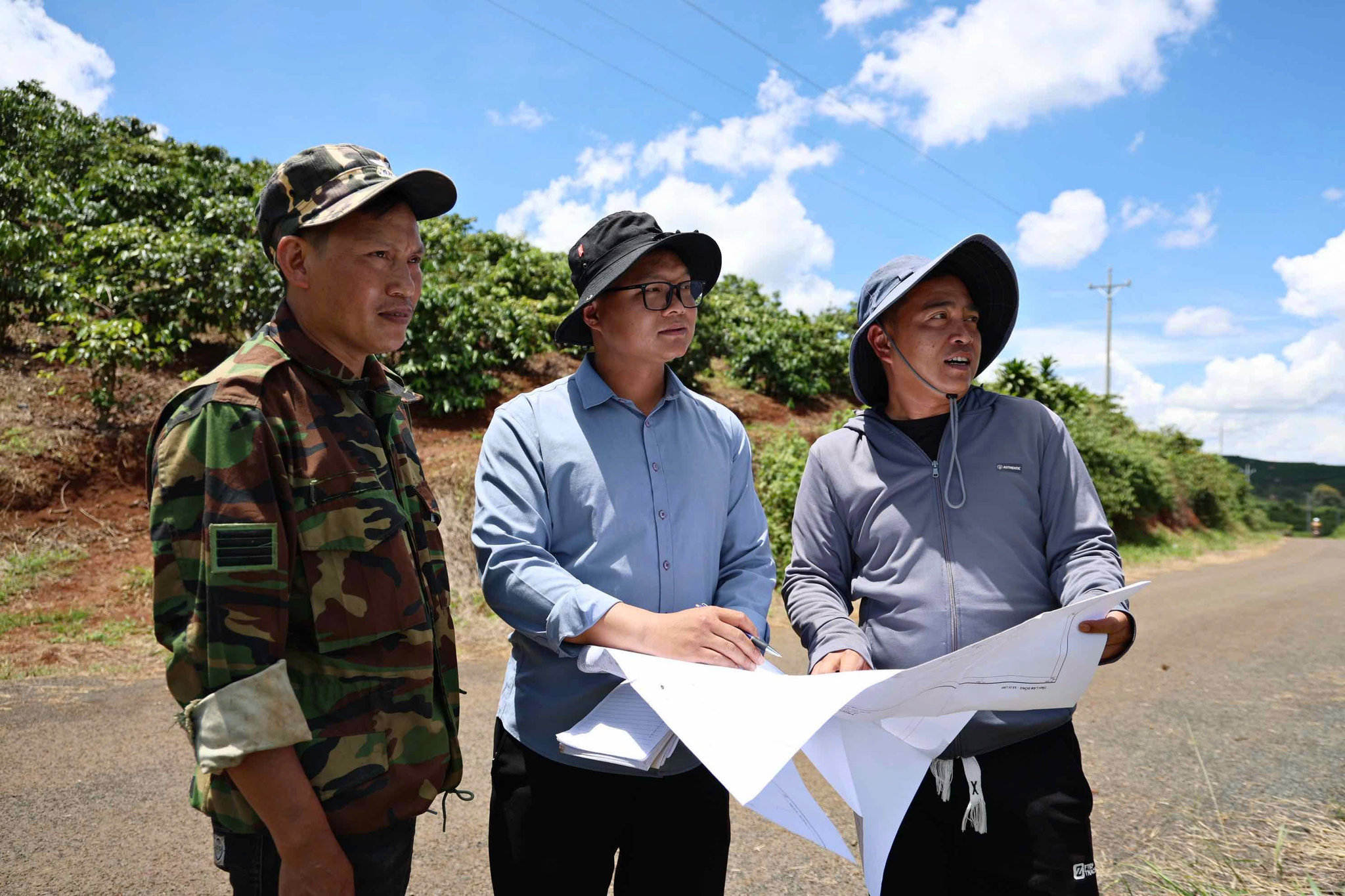
The provincial Land Fund Development Center, together with local authorities, is accelerating compensation and site clearance. Bottleneck cases are being reviewed on a household-by-household and site-by-site basis, with a focus on resolving them completely under the principle of “no prolonged backlog.”
Notably, investors and contractors have shifted their approach. Instead of waiting for full conditions across the entire route, they are proactively commencing work at ready sections. This strategy enables earlier activation of construction sites while creating reverse pressure on the remaining preparatory stages.

In parallel, inspection and supervision are being carried out continuously. Emerging issues are identified early and addressed immediately, preventing them from evolving into new bottlenecks. As a result, the pace of handling is accelerating day by day, tied to each specific task.
It is evident that the momentum of the two expressway projects is not driven by any single entity, but by the coordinated operation of the entire system. From the provincial to grassroots levels, from management agencies to investors, all stakeholders are working within a unified timeline, where each link is under pressure to deliver on its assigned responsibilities.
Leadership Imprint and Lessons Learned
The defining feature is not just determination, but a shift in approach: tackling issues directly, resolving them thoroughly, assigning clear accountability, and enforcing strict timelines.
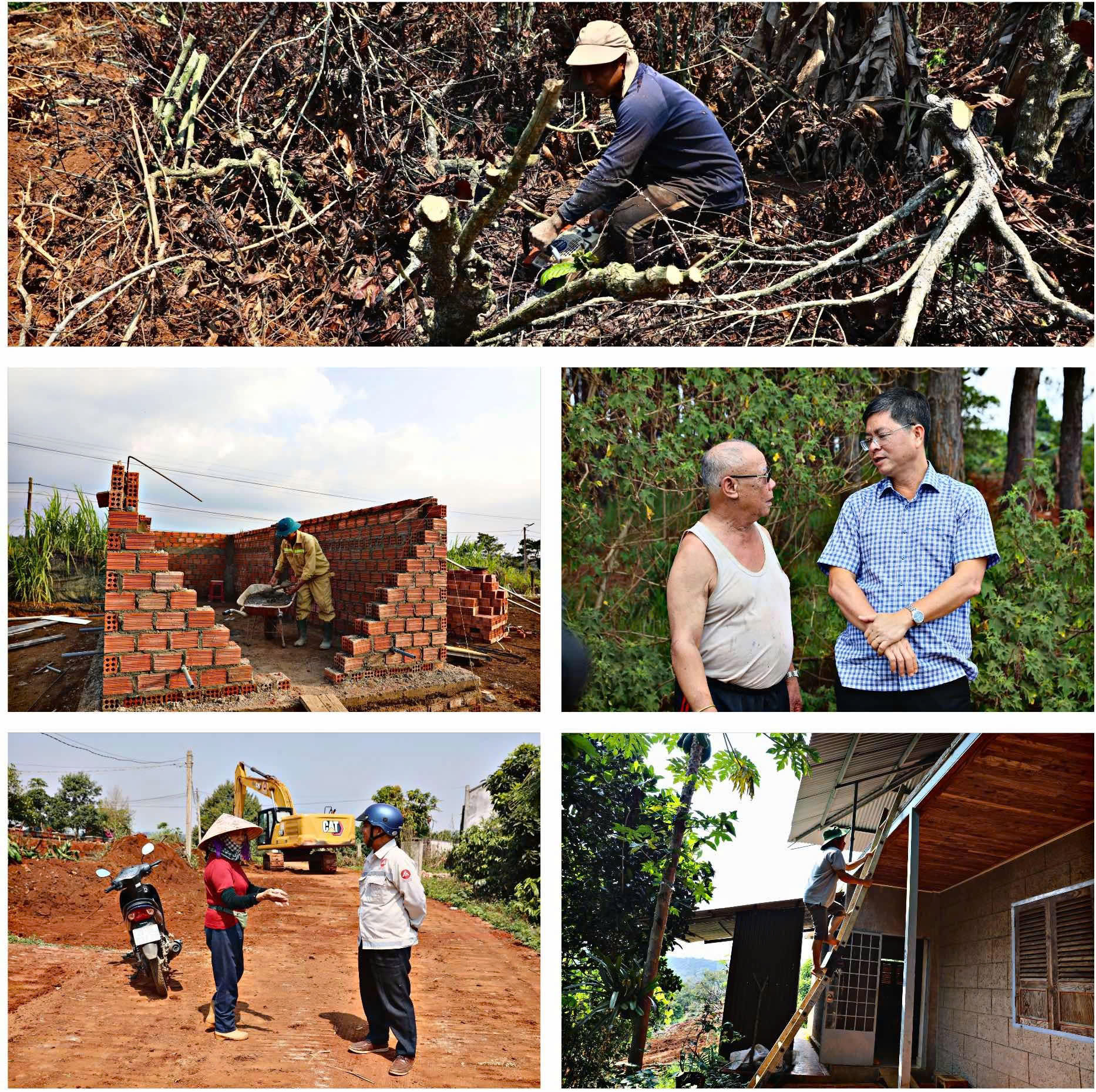
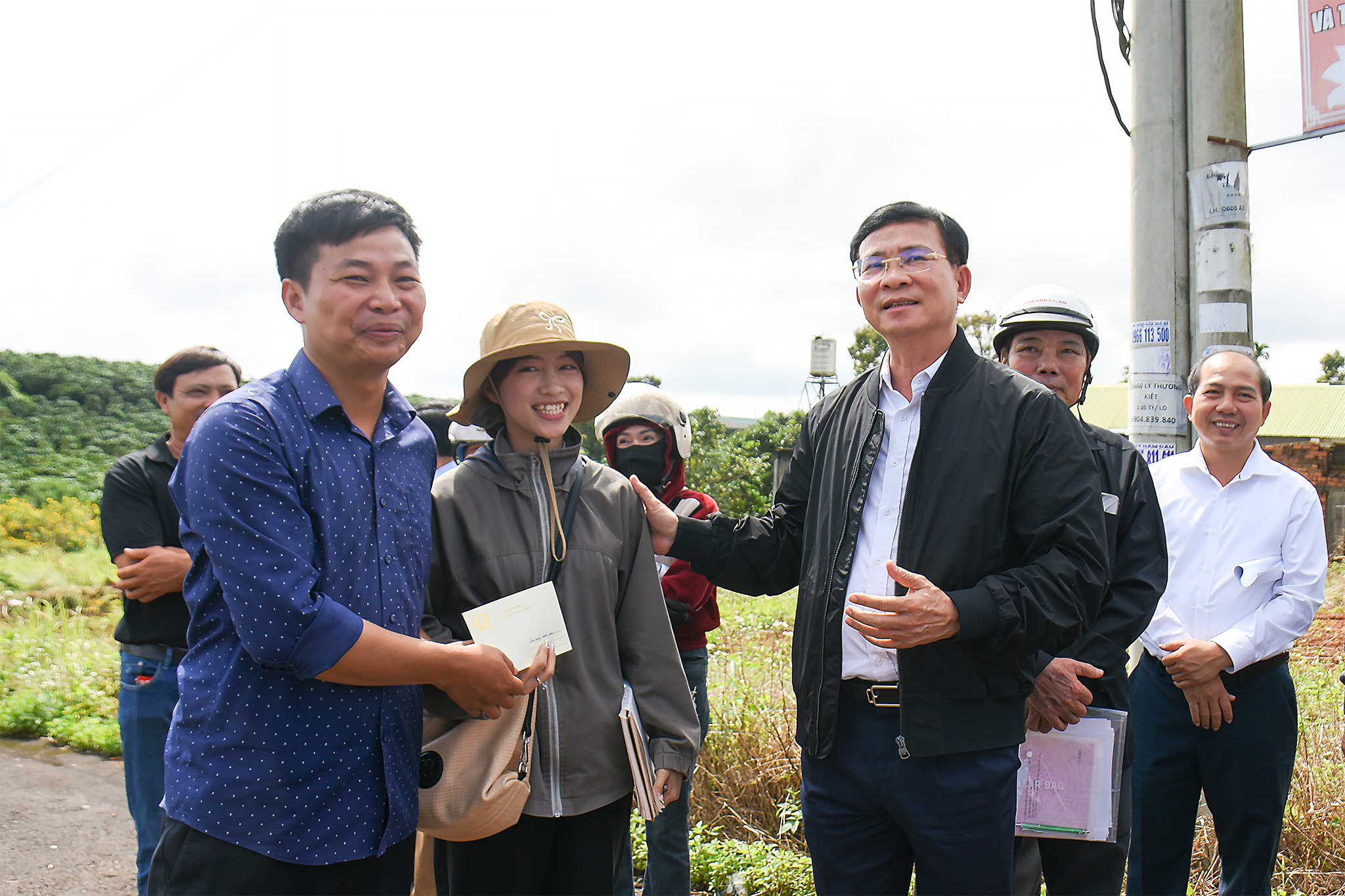
Leadership is demonstrated not only through directives but through on-site presence and hands-on coordination.
A practical, task-specific approach to governance has created a unified rhythm across the system, enabling decisions to be translated into action more quickly and effectively.
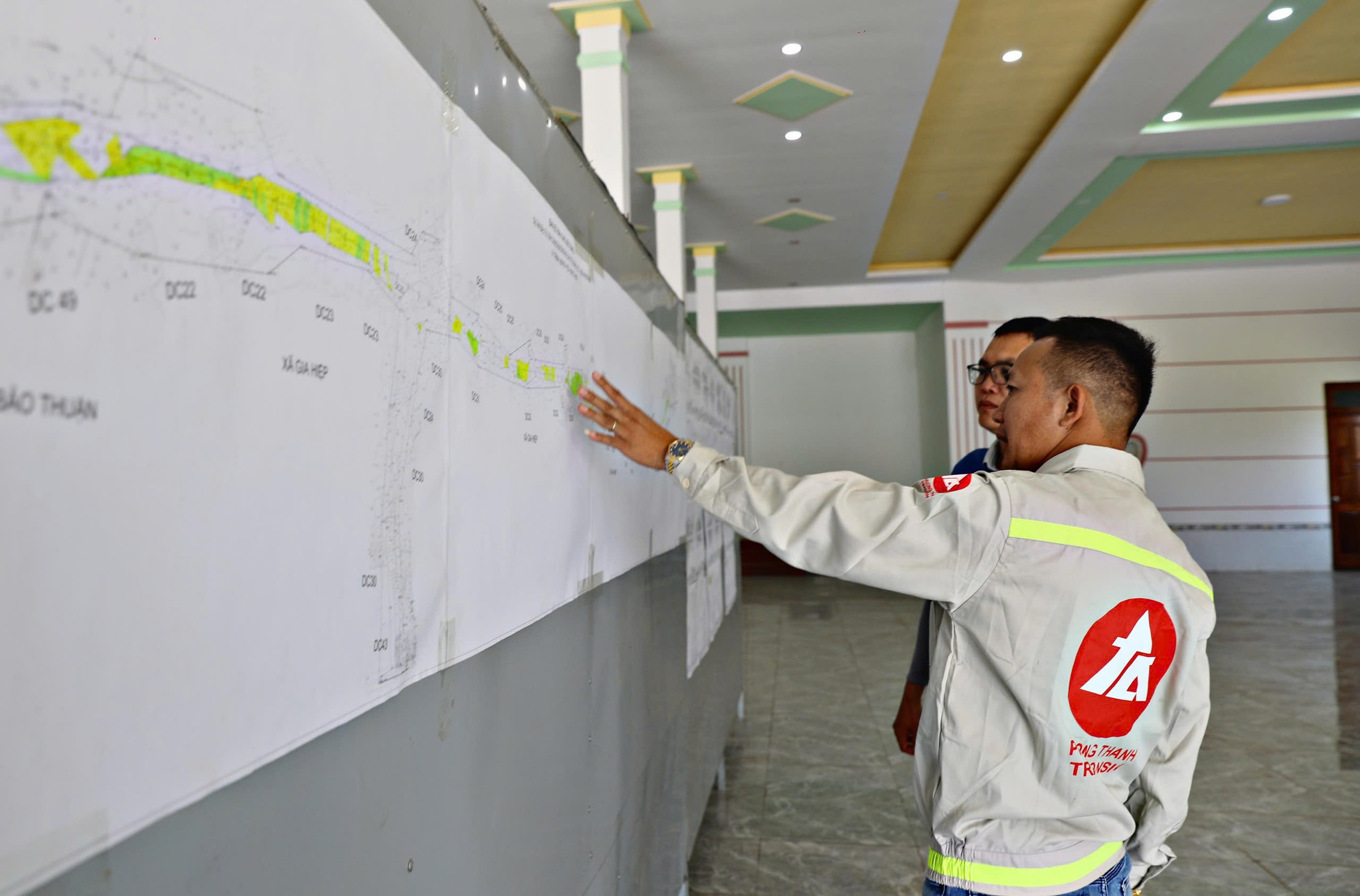
Drawing from the implementation of the two expressway projects, a number of important lessons have emerged. Key lessons include:
- Identifying bottlenecks accurately
- Enforcing timeline discipline
- Strengthening inter-agency coordination
- Enhancing leadership accountability
- Placing people at the center
Public consensus has become a decisive factor—each square meter of cleared land represents not just progress, but trust.
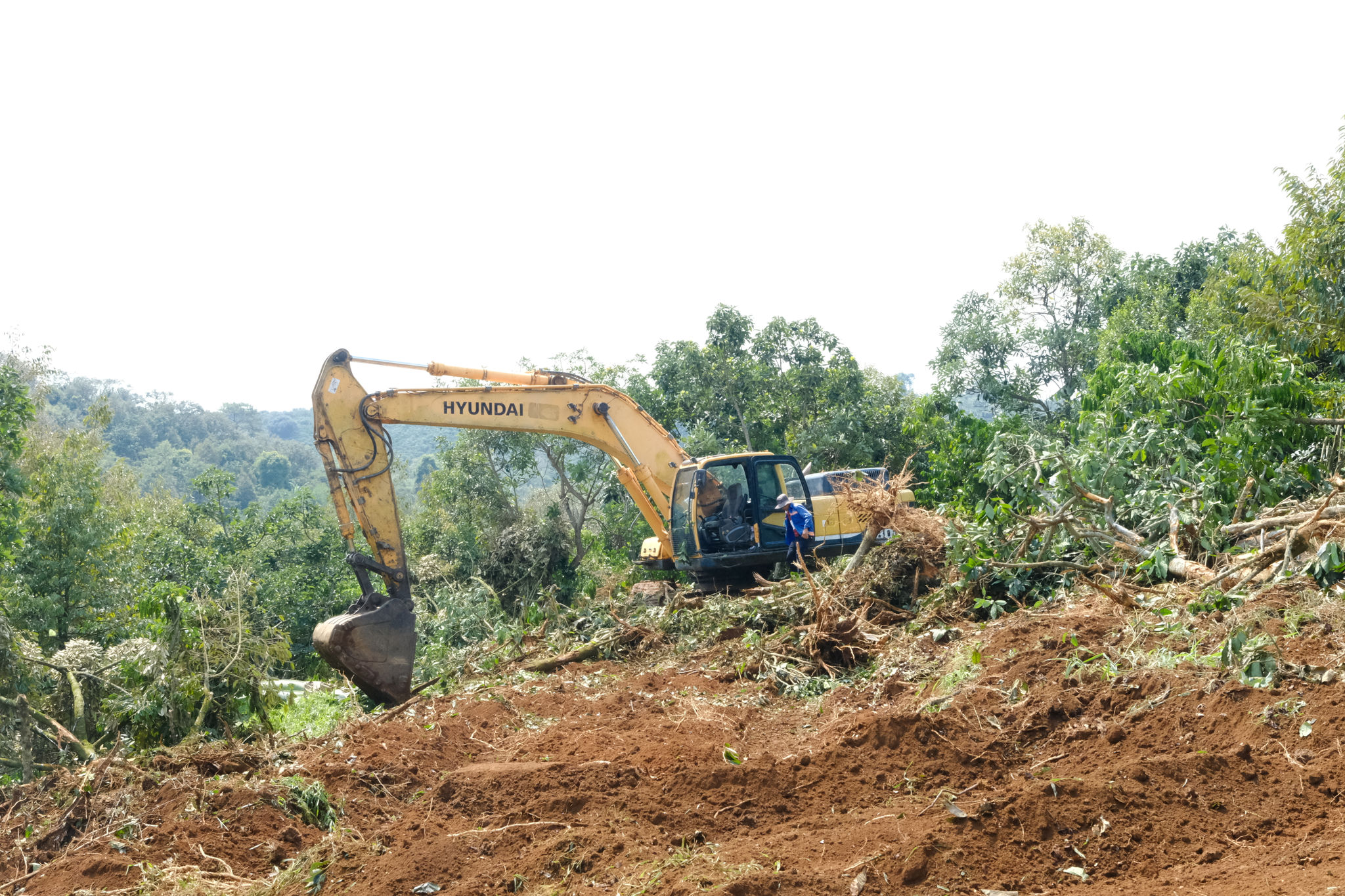
A new governance approach is emerging: clear accountability, parallel processing, strict timelines, and action-oriented leadership.
These lessons not only help accelerate current expressway projects but also lay the foundation for future infrastructure, urban, agricultural, and tourism development.
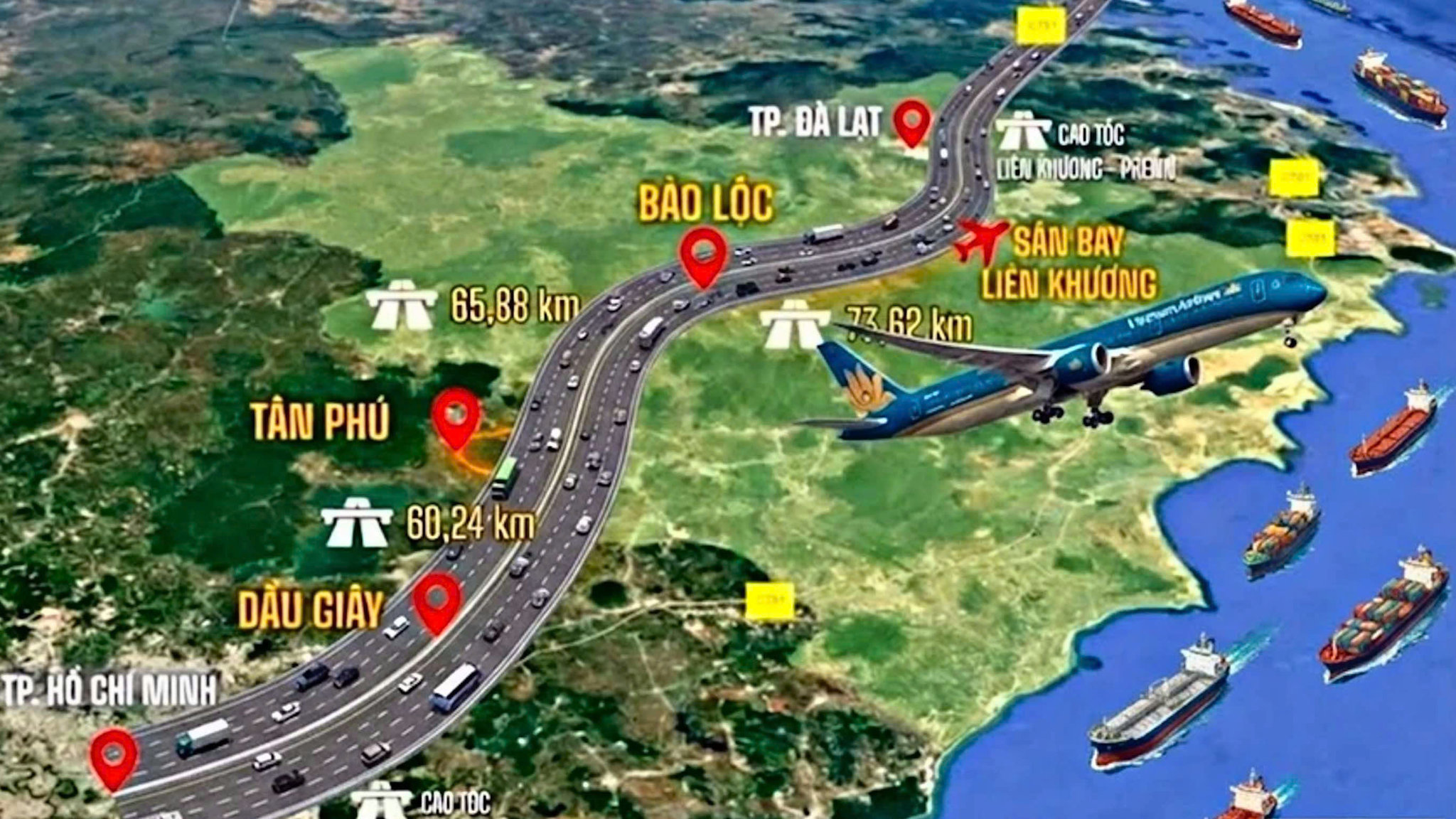
As governance methods evolve, responsibilities become clearer, and public trust strengthens, these expressways will not only enhance connectivity but also shape a more proactive, flexible, and sustainable development model.
Ultimately, their greatest value lies not only in the kilometers of road built, but also in how the entire system has transformed determination into tangible results—propelling Lam Dong forward in a new phase of development.