


Ethnic Minority Communities Build Prosperity Through Farming
New farming approaches and effective government support programs are creating new opportunities for ethnic minority households in Don Duong, enabling many families to improve their livelihoods and achieve greater economic stability.
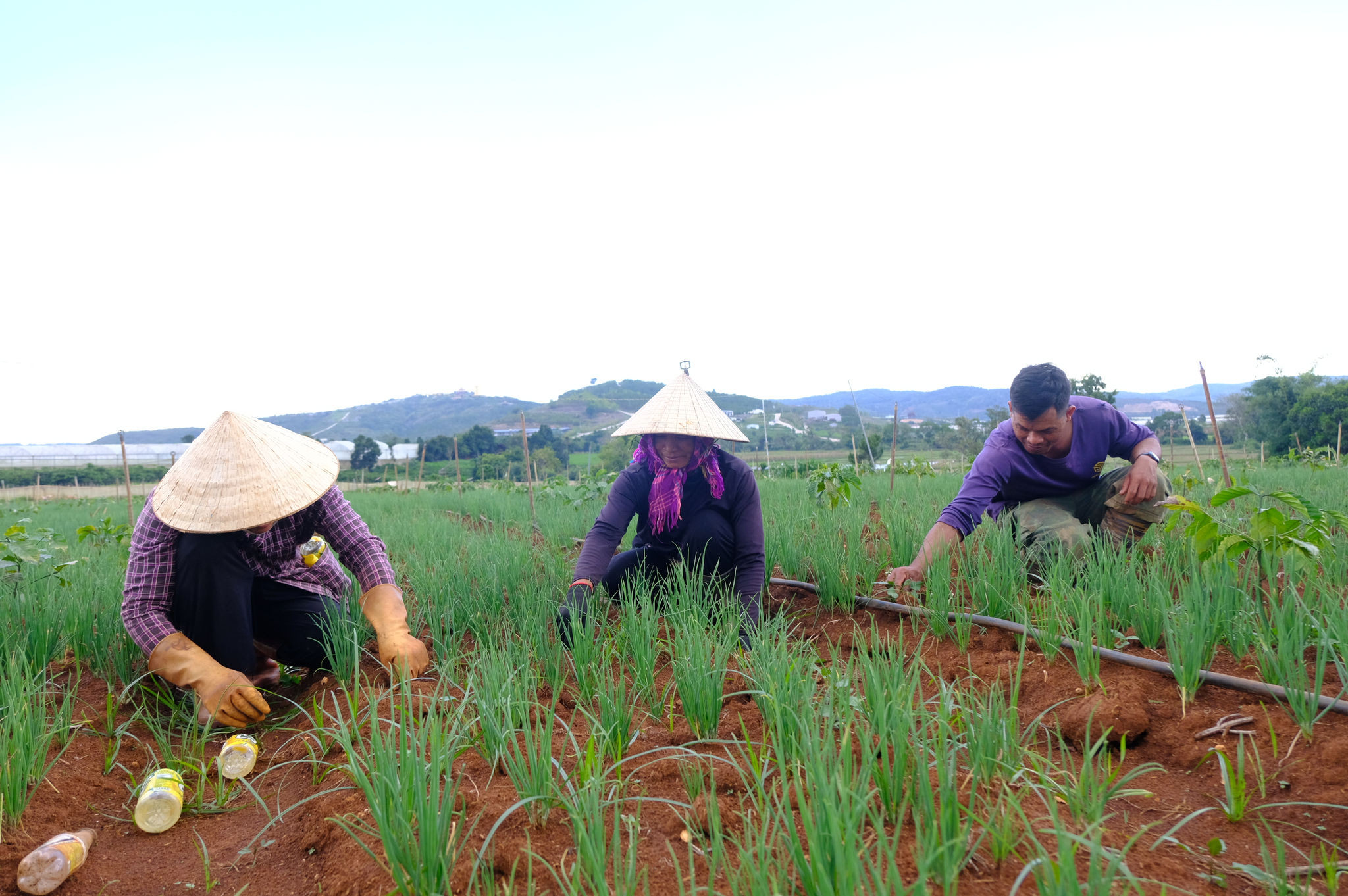
A shift in farming mindset
Welcoming visitors to his newly built home, Ya Si Mon from Ma Danh Village speaks proudly about how agriculture has transformed his family's life. After years of working the land, he has achieved greater financial stability by adopting modern farming methods and selecting crops suited to local conditions.
A graduate in biotechnology, Ya Si Mon previously worked as a technician for a local company, where he gained valuable experience before returning home to develop his family's agricultural business.
His professional background helped him access to modern cultivation techniques, production management practices and a better understanding of market demands. Once he had acquired sufficient experience, he decided to return home and farm his family's land.
In addition to growing coffee and raising beef cattle, he cultivates a variety of vegetables, including Japanese pumpkins, eggplants and tomatoes. By rotating different crops on the same plots of land, he maximizes land use efficiency while reducing production risks. His family now generates annual revenue of around VND 500 million. Looking ahead, he plans to invest in greenhouses to further improve productivity and efficiency.
Across the area, many low-lying rice fields that once supported only a single crop each year have been converted by ethnic minority households into vegetable-growing land. The shift has improved land-use efficiency and generated significantly higher incomes for local families.
Rather than relying solely on traditional experience and weather conditions, farmers are increasingly selecting crops based on market demand while embracing new technologies and production techniques to increase value from every hectare.
This change in mindset is becoming a key driver of higher incomes and improved livelihoods among ethnic minority communities in Don Duong.
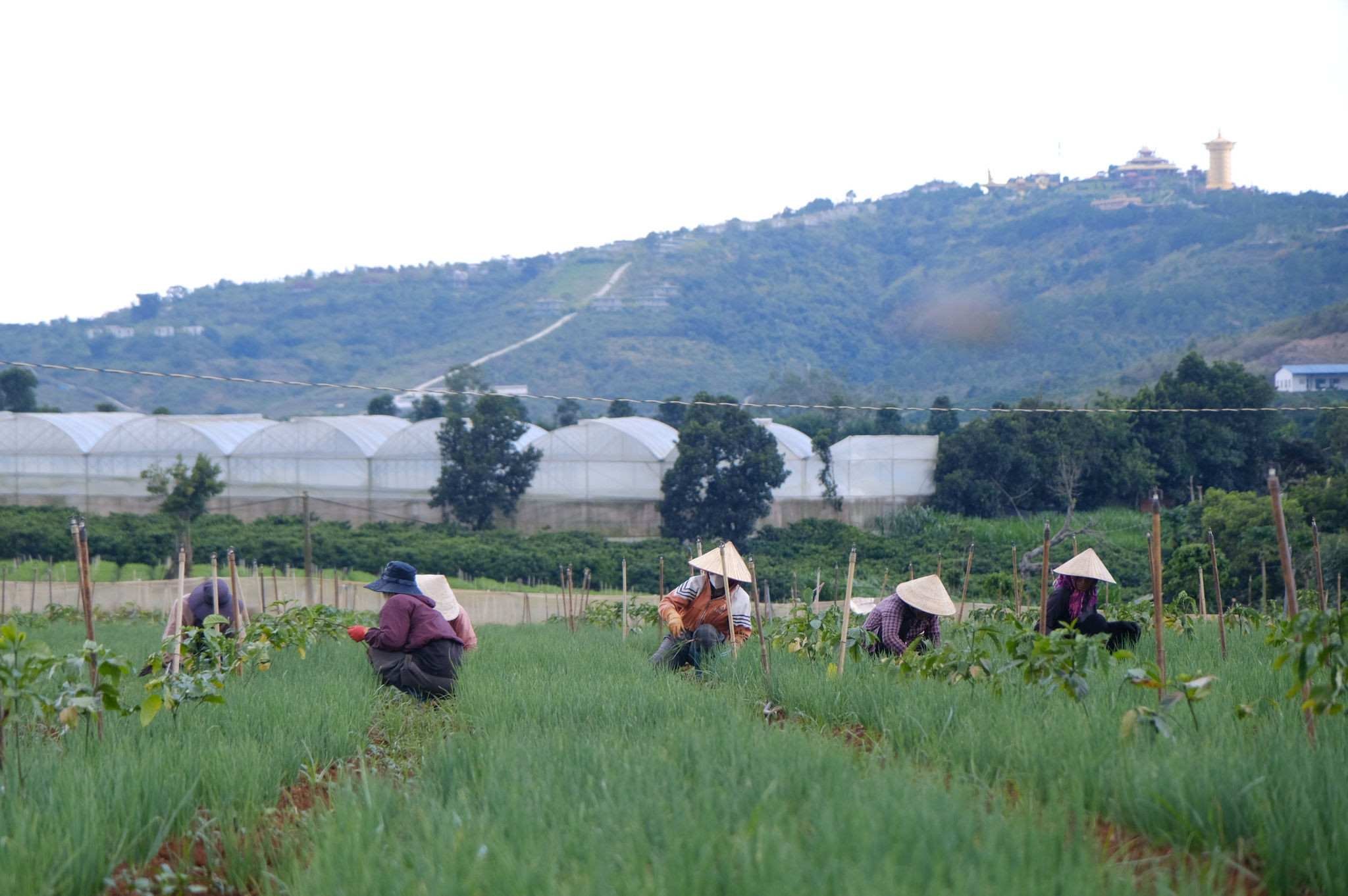
Joining agricultural production networks
Beyond crop diversification, production partnerships with cooperatives and businesses are providing local farmers with a more sustainable path to growth.
K'Bril, a farmer from Kambutte Village, grows carrots, potatoes and onions, rotating three crops annually. Like many households in the area, he works closely with cooperatives and agricultural enterprises for most production cycles, giving his family greater market stability and stronger economic returns.
With a contract secured, we don't have to worry about market prices or where our products will be sold. Our job is simply to focus on production and make sure we meet the company's requirements.
K'Bril - Kambutte Village
According to K'Bril, an increasing number of businesses have partnered with local farmers in recent years, attracted by the area's vast, flat and fertile farmland. Each company offers different crop varieties, production standards and purchasing prices, giving farmers a wider range of options. Reliable buyers also provide greater peace of mind and income stability.
In Kambutte Village, where ethnic minorities account for 99% of the population, the benefits of these production partnerships are becoming increasingly evident. Combined with the adoption of modern farming techniques, the linkages have contributed to significant improvements in local living standards. Many households have invested in irrigation systems, expanded cultivation areas and made better use of available land to grow their incomes.
According to Huynh Thi Da Thao, Chairwoman of the Don Duong Farmers' Association, infrastructure support, technology transfer programs and agricultural development policies have helped improve the livelihoods of ethnic minority communities across the commune.
Villages that once faced considerable challenges are now home to increasingly successful farming models and stronger local economies. These changes are laying the groundwork for residents to continue building prosperity through modern, market-oriented agriculture