


Ex Situ Conservation of Lang Biang Ginseng Genetic Resources
Lang Biang ginseng (Panax vietnamensis var. langbianensis) is one of the rare and valuable medicinal plants endemic to the province, mainly distributed in the high-altitude forests and mountainous areas of the Lang Biang Plateau, including Da Lat, Dam Rong, Lam Ha, and Lac Duong, especially within Bidoup – Nui Ba National Park.
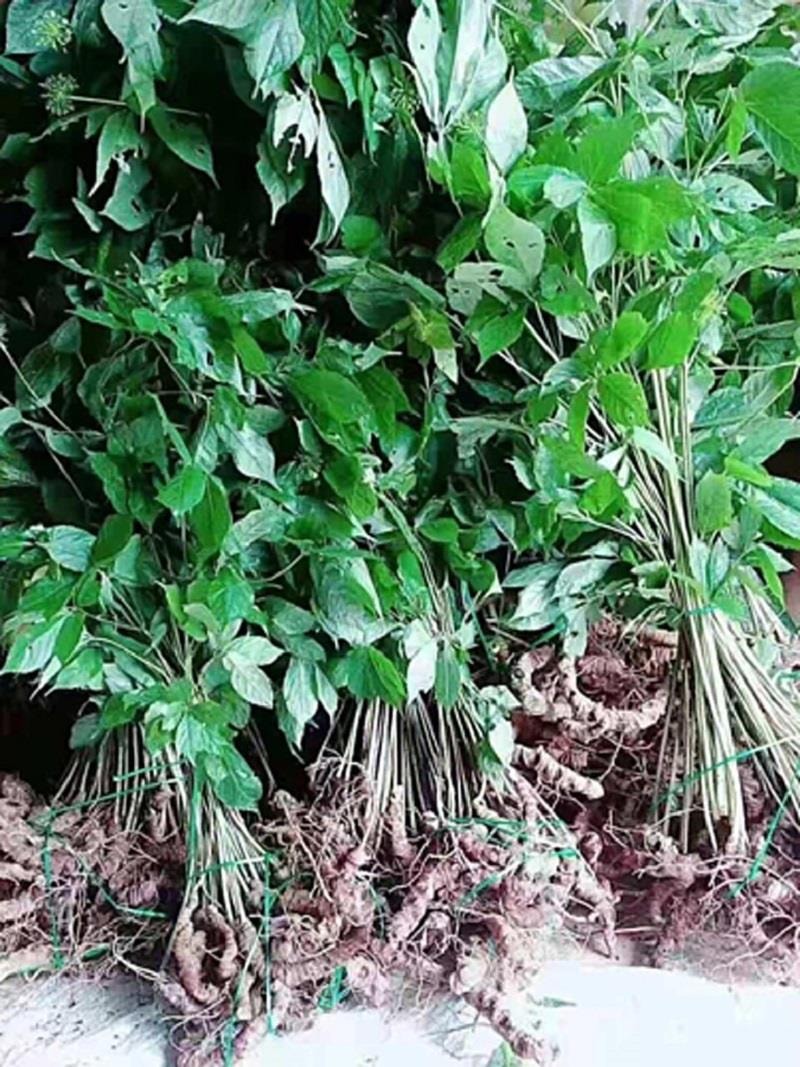
Conserving Lang Biang Ginseng Amid the Risk of Depletion
While it resembles Ngoc Linh ginseng, Lang Biang ginseng has lower saponin content but is still prized for its healing qualities. Due to ongoing uncontrolled harvesting in the wild, its genetic stock has greatly diminished and is now threatened in its natural habitat.
As part of the Government’s “Vietnamese Ginseng Development Program to 2030, with a vision to 2045,” Lang Biang ginseng—alongside other valuable types like Ngoc Linh ginseng, Lai Chau ginseng, and Puxailaileng ginseng—has been recognized as a key focus for conservation, cultivation, and pilot-scale development.
Under the program, Lam Dong Province aims to cultivate 50 hectares of Lang Biang ginseng by 2030, including 40 hectares under protective forest canopy and 10 hectares on agricultural land.
To reach this target, the province has promptly conducted evaluations of species distribution, genetic analysis, area, and reserves; suggested appropriate cultivation zones; created conservation areas and collections of genetic resources in representative ecological regions; and developed databases to aid in conservation and development efforts.
In reality, in-situ conservation encounters significant obstacles due to the severe depletion of wild ginseng populations, which complicates the preservation of their original habitats. As a result, ex-situ conservation has been recognized as an urgent and viable approach, enabling the preservation, propagation, and development of genetic resources outside their natural settings, thereby laying the foundation for future restoration and the expansion of cultivation areas.
To meet this need, the Department of Science and Technology has launched a scientific project titled “Collection and Ex Situ Conservation of Lang Biang Ginseng Genetic Resources in Lam Dong Province.”
After more than two years, the research team at Da Lat University has made significant progress. Assoc. Prof. Dr. Tran Van Tien, the project's leader, remarked: “The biggest challenge we faced was the limited availability of pure genetic resources. We had to merge several methods, including field surveys, gathering samples from local communities, and conducting molecular biological analyses to identify Lang Biang ginseng precisely.”
The accurate identification of genetic resources is deemed a crucial step that influences the success of the entire conservation and propagation effort.
Efforts in Collection and Propagation
The research team conducted surveys and evaluations of the current condition of Lang Biang ginseng genetic resources in their natural habitats, examining aspects such as population distribution, population health, climate conditions, key ecological traits, soil characteristics, plant diversity, vegetation types while creating a natural distribution map for the species.
A significant accomplishment is the successful transplantation and collection of 30 ginseng specimens from diverse sources, including local inhabitants and nurseries. All samples underwent verification using molecular biology methods and morphological analysis to ensure precise genetic identification. This serves as an essential basis for establishing a genetic resource collection garden and developing standardized plant varieties.
The team has successfully carried out a propagation process using tissue culture technology, specifically somatic embryogenesis, which forms asexual embryos from Lang Biang ginseng leaf tissue. The outcome includes the preservation of 20 culture flasks containing approximately 100 healthy embryo clusters capable of developing into fully formed plants. This marks notable progress, as in vitro propagation enables rapid production of numerous seedlings while ensuring the genetic integrity of valuable resources.
Simultaneously, a pilot cultivation model spanning 12 square meters has been established, featuring 30 collected specimens, along with technical guidelines for cultivation conditions. Preliminary findings indicate that Lang Biang ginseng adapts well after being transplanted, suggesting promising opportunities for future expansion.
The collection and ex situ conservation of Lang Biang ginseng genetic resources not only helps protect a precious medicinal species from the threat of extinction but also ensures a consistent supply of high-quality seedlings for cultivation initiatives. Early outcomes from this project lay the foundation for a sustainable strategy in the conservation and development of important medicinal plants. With adequate investment and expansion, Lang Biang ginseng could evolve into a high-value specialty product, contributing to community healthcare.