


Expanding Tourism Links with Northern Markets
After a period of disrupted air connectivity, Lam Dong is moving to reconnect with Hanoi and northern provinces, focusing not only on restoring flights but also on developing products, two-way visitor flows and stable market links.
Restoring Key Air Routes
Following the expected reopening of Lien Khuong International Airport, major domestic routes from Da Lat to Ho Chi Minh City, Hanoi, Da Nang, Vinh and Hai Phong are expected to resume. The Da Lat–Hanoi route is projected to operate 7–8 flights a day; Da Lat–Da Nang about two flights a day; Da Lat–Vinh one flight a day; and Da Lat–Hai Phong four flights a week.
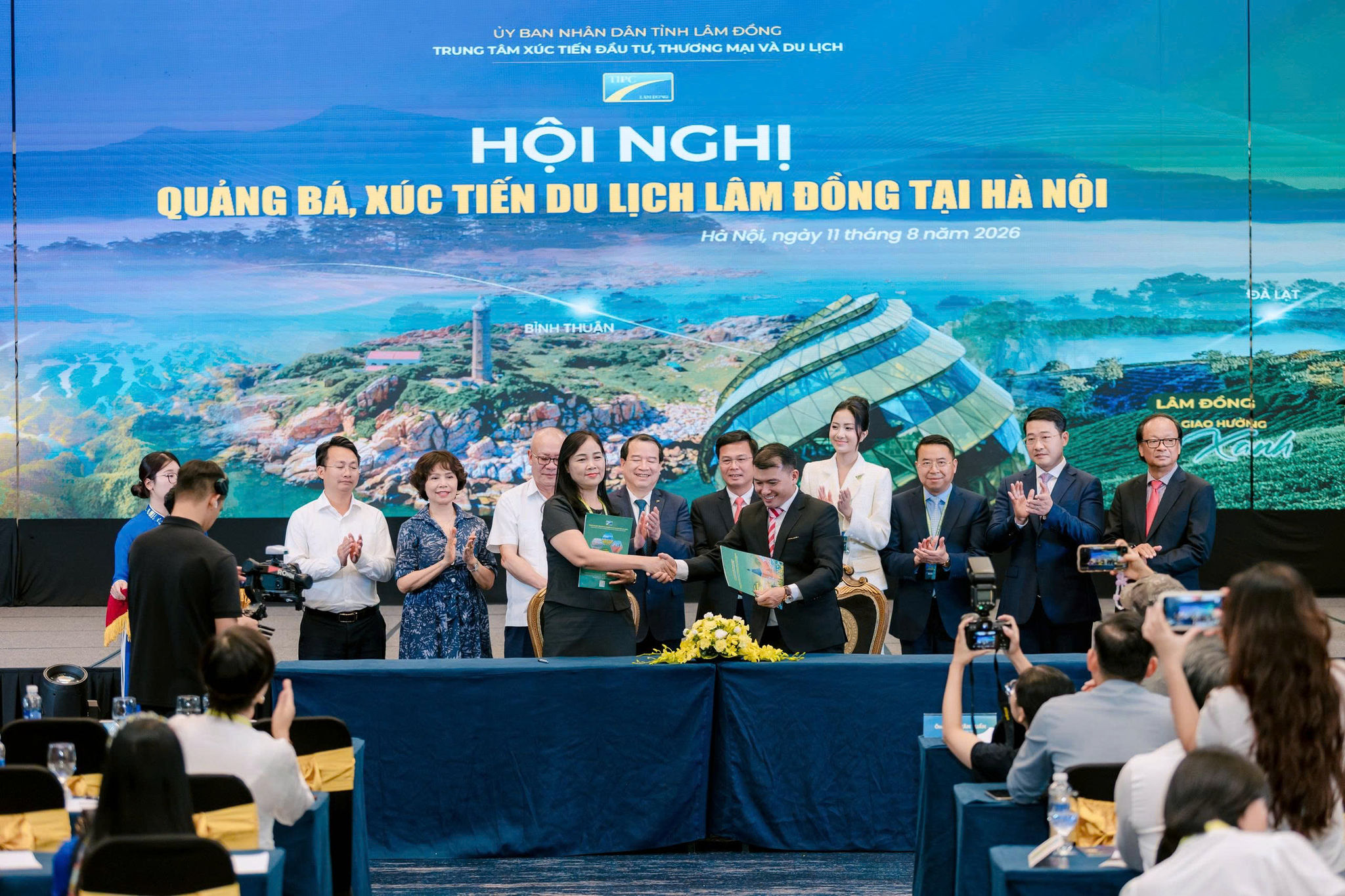
Restoring air connectivity is creating an opportunity for Lam Dong to regain momentum in the Hanoi and northern markets. It was also a key focus at a tourism promotion and marketing conference held in Hanoi.
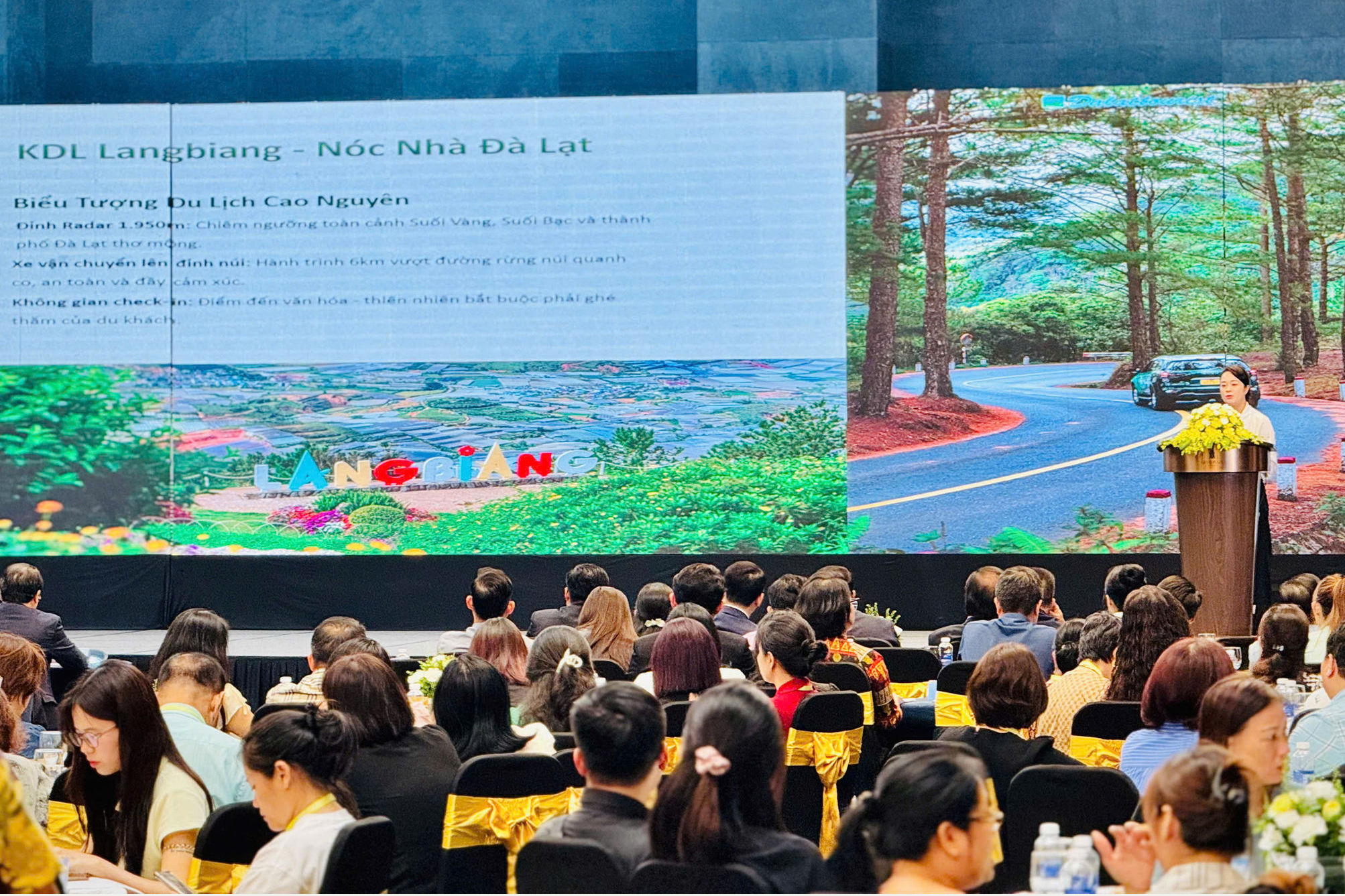
According to Nghiem Dinh Hieu, Director of the Lam Dong Investment, Trade and Tourism Promotion Center, the conference provided an opportunity for stakeholders to connect markets, develop tourism products and expand visitor sources. The potential of Lam Dong's expanded tourism space following the merger can be translated into practical cooperation and tourism development programs among localities and businesses.
“Promotion must create connections; connections must lead to cooperation; cooperation must create products; and products must create markets, revenue and value for businesses,” Hieu said.
From the tourism management perspective, Ha Van Sieu, Deputy Director of the Vietnam National Authority of Tourism, said air connectivity must go hand in hand with the ability to generate stable visitor flows. Only with a consistent source of visitors can air routes be maintained and operate effectively.
He said cooperation among localities and businesses should shift from event-based activities to planned, long-term partnerships, with clear focal points and measurable outcomes. Tourism products should also be developed around actual visitor demand.
Direct and digital promotion needs to be strengthened. Connectivity must be regularly monitored and evaluated so that subsequent programs become more effective. Most importantly, we need to establish stable visitor flows between Lam Dong, Hanoi and the northern provinces.
Ha Van Sieu, Deputy Director of the Vietnam National Authority of Tourism
For the northern market, this requirement is particularly clear as air connectivity is considered an important condition for bringing visitors to Lam Dong. However, launching a route is only the first step. To maintain stable services, sufficient and consistent demand is needed in both directions.
Travel companies need to jointly develop tours, while service providers must offer appropriate policies. Airlines, local authorities and businesses must work together to create competitive tourism products.
.jpg)
Lam Dong — A Journey of Sea, Flowers and Highlands
Following the merger, Lam Dong's tourism space has expanded, offering a wider range of complementary products and experiences. From the sea and flowers to the highlands, the province now has greater room to develop new journeys for visitors.
Speaking at the conference, Vice Chairman of the Lam Dong Provincial People's Committee Dinh Van Tuan said the province would focus on developing distinctive tourism products under the brand “Lam Dong — A Journey of Sea, Flowers and Highlands.” It will also make effective use of improved transport connectivity once Lien Khuong International Airport resumes operations.
Vice Chairman of the Lam Dong Provincial People's Committee Dinh Van Tuan said the province would coordinate with airlines, travel companies and other localities to expand the flight network and develop tourism programs tailored to different market segments. The goal is to gradually establish stable visitor flows between Lam Dong, Hanoi and destinations nationwide.
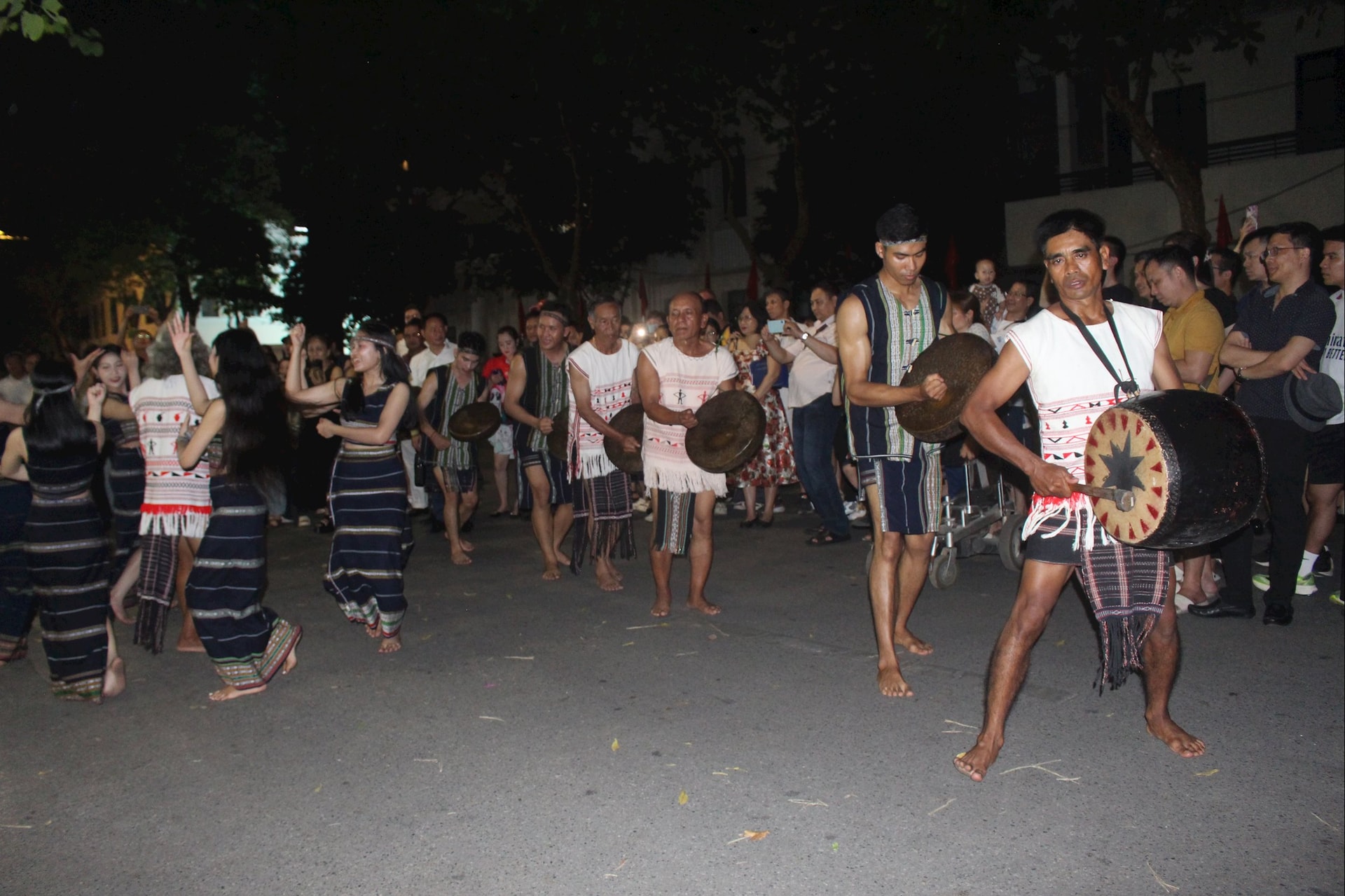
From the business perspective, market expansion is going hand in hand with efforts to renew tourism products.
Vo Anh Tuan, Deputy Director in charge of Vietravel Lam Dong, said positive signals emerged immediately after the conference, with several northern partners ready to resume tour programs previously offered.
Alongside restoring existing programs, Vietravel Lam Dong is developing new products in the two tourism hubs of Phan Thiet and Da Lat. In Phan Thiet, the company is developing experiences centered on sunrise and the daily life of fishing villages. In Da Lat, it is introducing a journey exploring the beauty of the highlands as the destination comes alive at night.
According to Tuan, both traditional and new products have attracted interest from partners, with some businesses already proposing cooperation to incorporate the programs into upcoming tours.
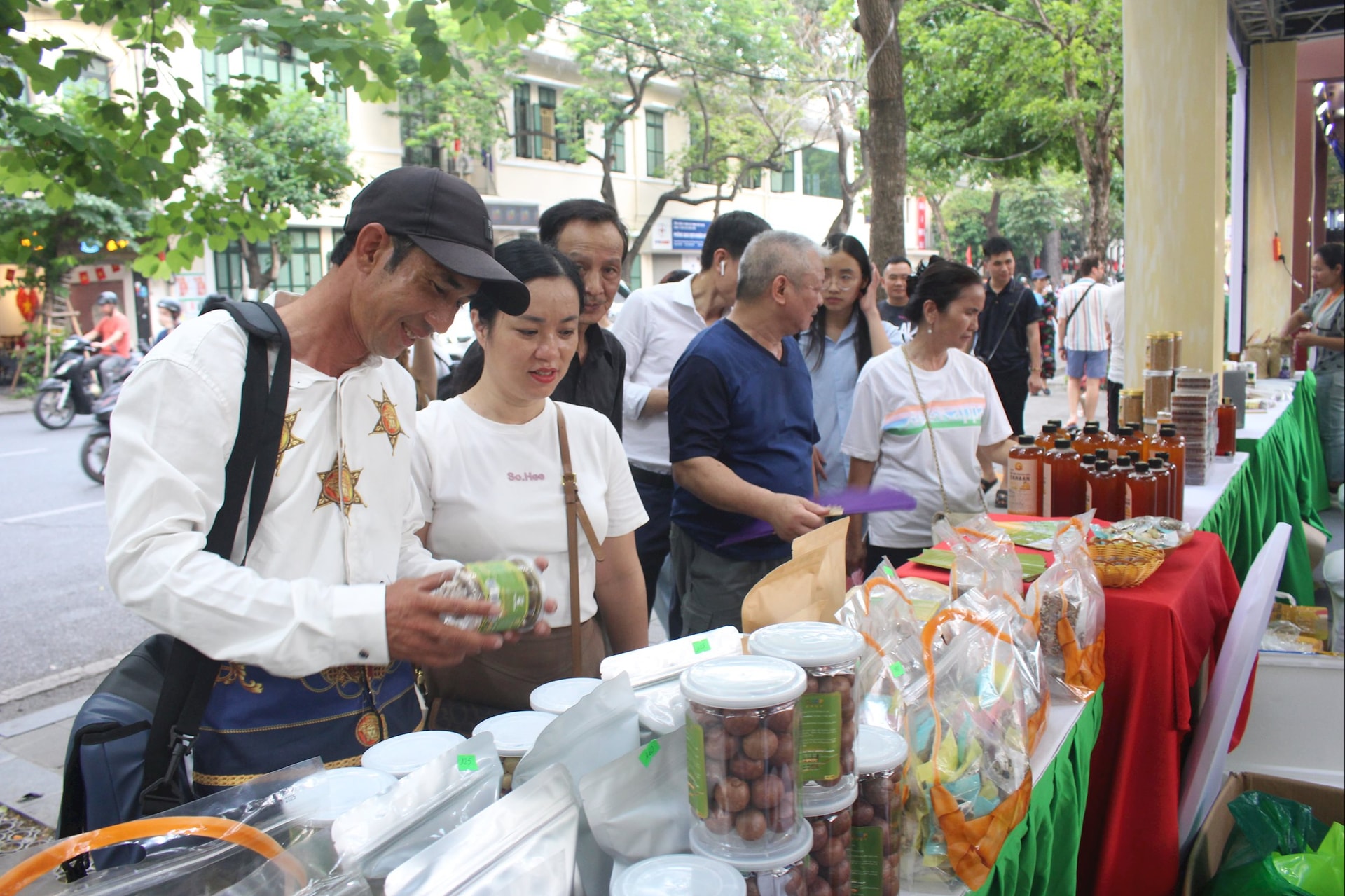
The northern market is opening new opportunities for Lam Dong tourism. However, sustainable visitor growth will require more than simply restoring air routes. The province must continue developing market-oriented products and strengthening cooperation between businesses and local authorities to establish stable two-way visitor flows between Lam Dong, Hanoi and northern provinces.
Following the conference, the Lam Dong Investment, Trade and Tourism Promotion Center will coordinate with agencies in Hanoi and northern provinces to assess connectivity needs, identify product groups that can be launched immediately and develop a promotion plan for the 2026 year-end tourism season.