


Exploring Museums Through Digital Technology
In the museum sector, digital transformation is increasingly recognized as a key task for preserving and safeguarding heritage while expanding access, encouraging exchange, and promoting its value. Digital technologies are opening up new approaches, bringing heritage closer to the public and serving as an important resource for cultural, tourism, and socio-economic development.
Reimagining museum spaces and bringing heritage closer to the public
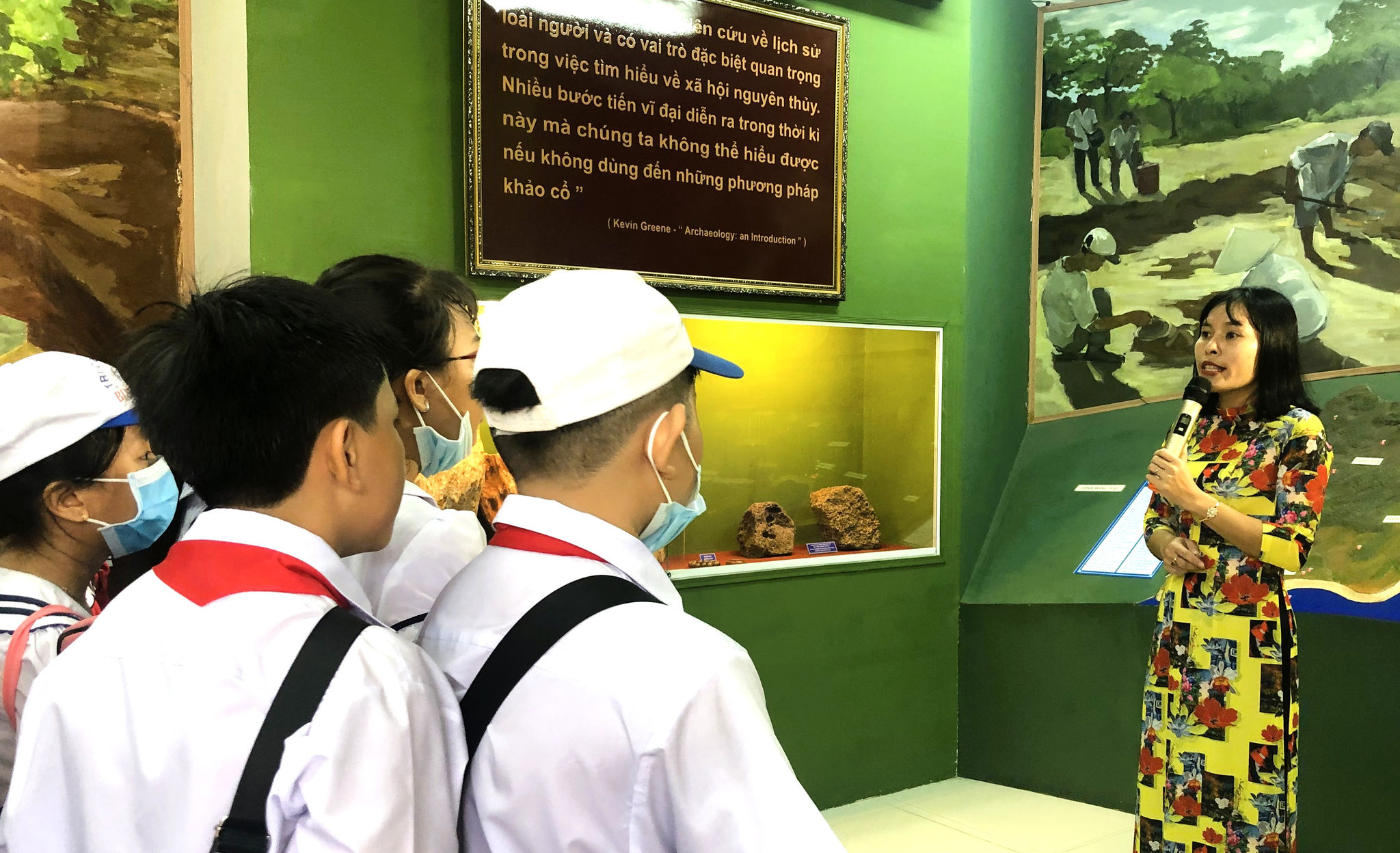
During the historic days of April, the Lam Dong Museum (in the southeastern area of the province) has welcomed a large number of visitors, particularly teachers and students. Within the quiet exhibition space, visitors tend to slow down, becoming more attentive and engaged.
Alongside presenting the artifacts on display, guide Nguyen Thi Kim Phuong introduces visitors to the virtual museum at https://3d.baotanglamdong.com.vn/, enabling them to access additional materials and broaden their understanding when they are unable to visit the museum in Da Lat in person.
Traditionally regarded as places for preserving memories, museum spaces are now being revitalized through technology. These memories are no longer static but are becoming more vivid and accessible to the public.
By entering the 3D virtual museum, users can interact with dynamic visuals that rotate and respond to their movements, creating the sensation of “touching” artifacts—an experience unavailable in conventional exhibitions. Content is presented in a cinematic manner, allowing viewers to engage with history through immersive images, sounds, and videos that connect the past with the present.
The use of QR codes at exhibition points greatly supports students in accessing information about artifacts and historical periods without relying entirely on guides. It also makes history and cultural education more engaging and less abstract.
Student Chau Quang Hoang, from class 10C2 at Phan Boi Chau High School
Advancing digital transformation to enhance heritage value
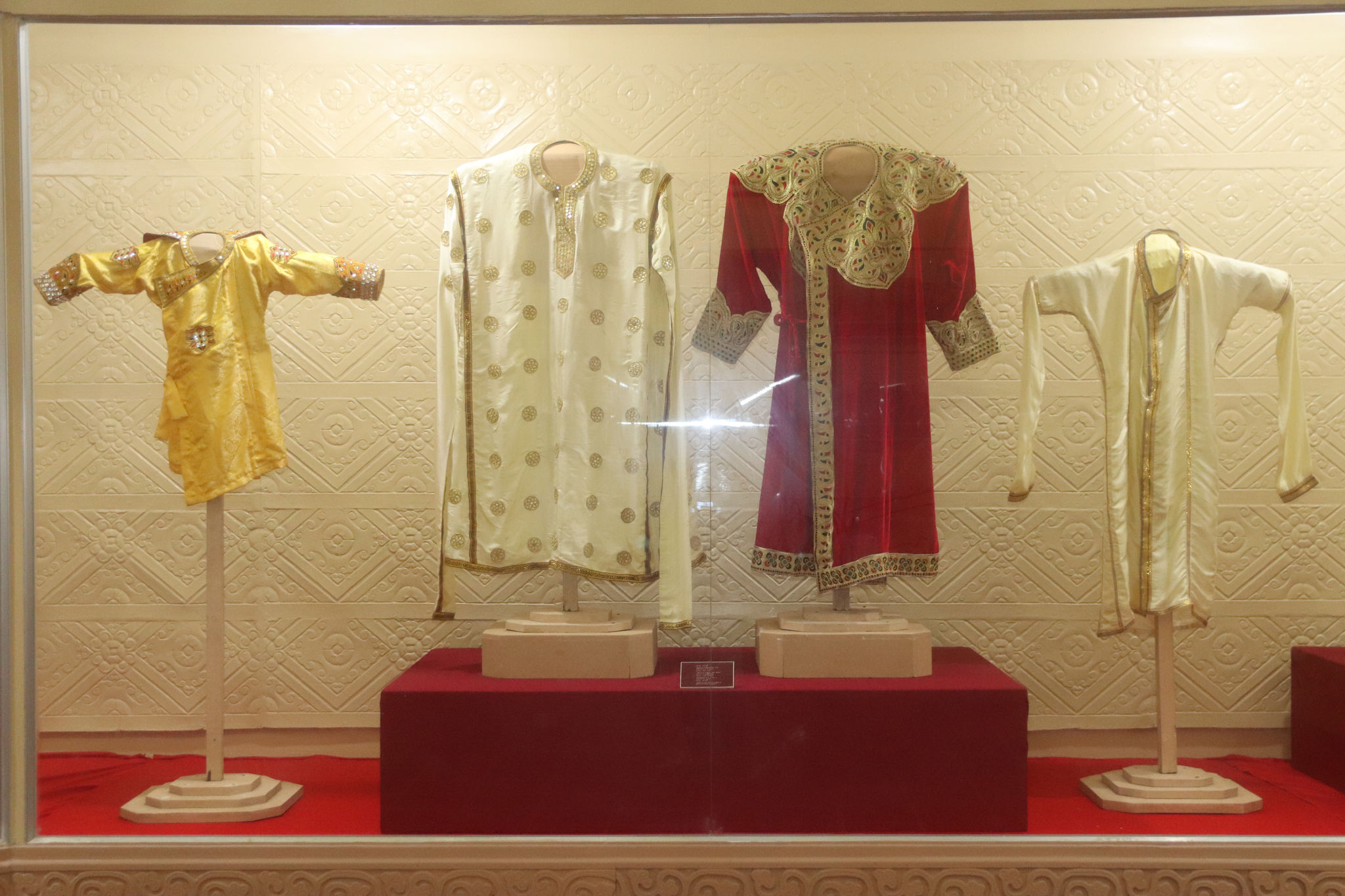
The Lam Dong Museum currently manages and showcases approximately 45,200 original artifacts across its facilities, along with one special national relic, three national relics, and one Cham cultural exhibition center.
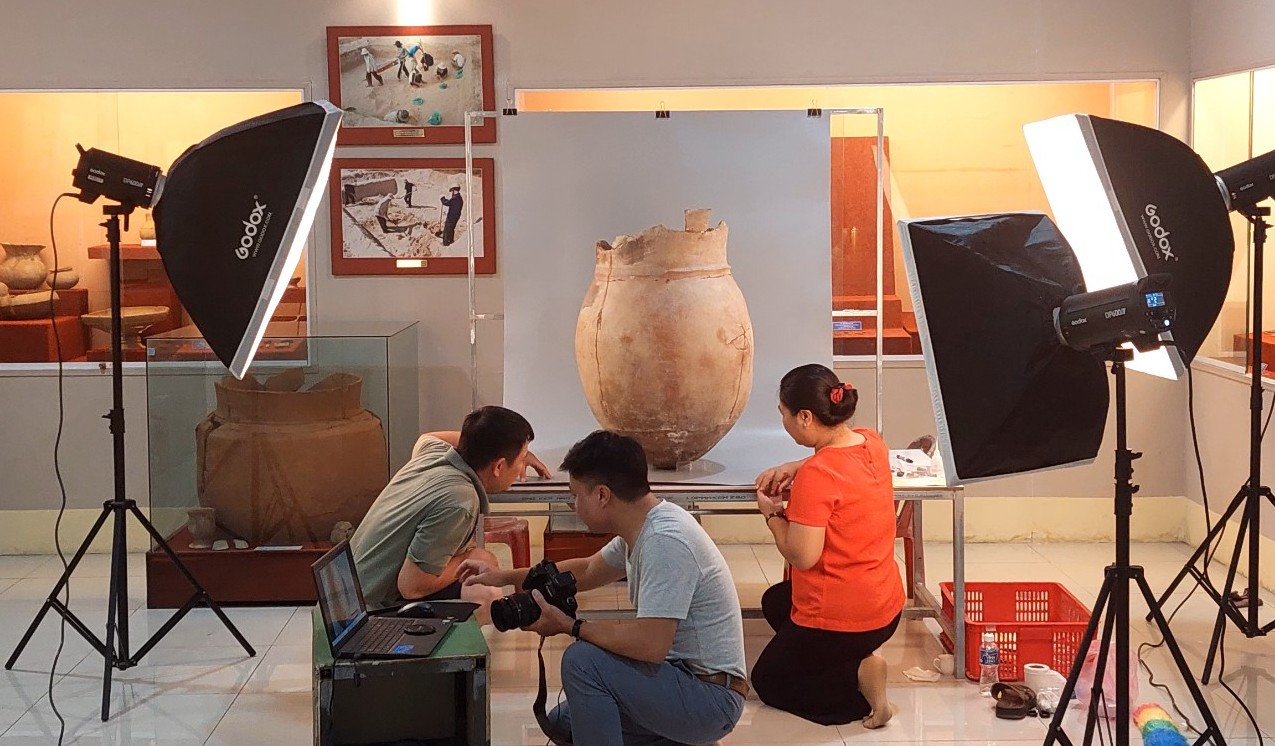
In addition to developing a virtual museum system featuring 200 3D-digitized artifacts on its website, the museum has actively applied digital technologies in both permanent exhibitions and mobile displays. Notably, a QR code system has been implemented for over 300 artifacts with bilingual content at exhibition halls and managed heritage sites. Sixteen automated audio guide points have also been installed at the Da Lat Children’s Prison National Relic.
Modern technologies such as 3D mapping, holobox, holofan, and interactive LED screens are being integrated to enhance visitor experiences. Meanwhile, regular updates on the museum’s website and social media platforms have significantly improved public engagement and promoted the province’s cultural and historical heritage.
According to Director Hoang Ngoc Huy, the museum will continue to upgrade its systems and actively adopt new technologies in heritage management. It will also implement the project entitled “Developing digital data and digitizing cultural heritage resources of Lam Dong Province” under the national cultural heritage digitization program for the 2021–2030 period, while exploring solutions to synchronize databases across its facilities following administrative restructuring.
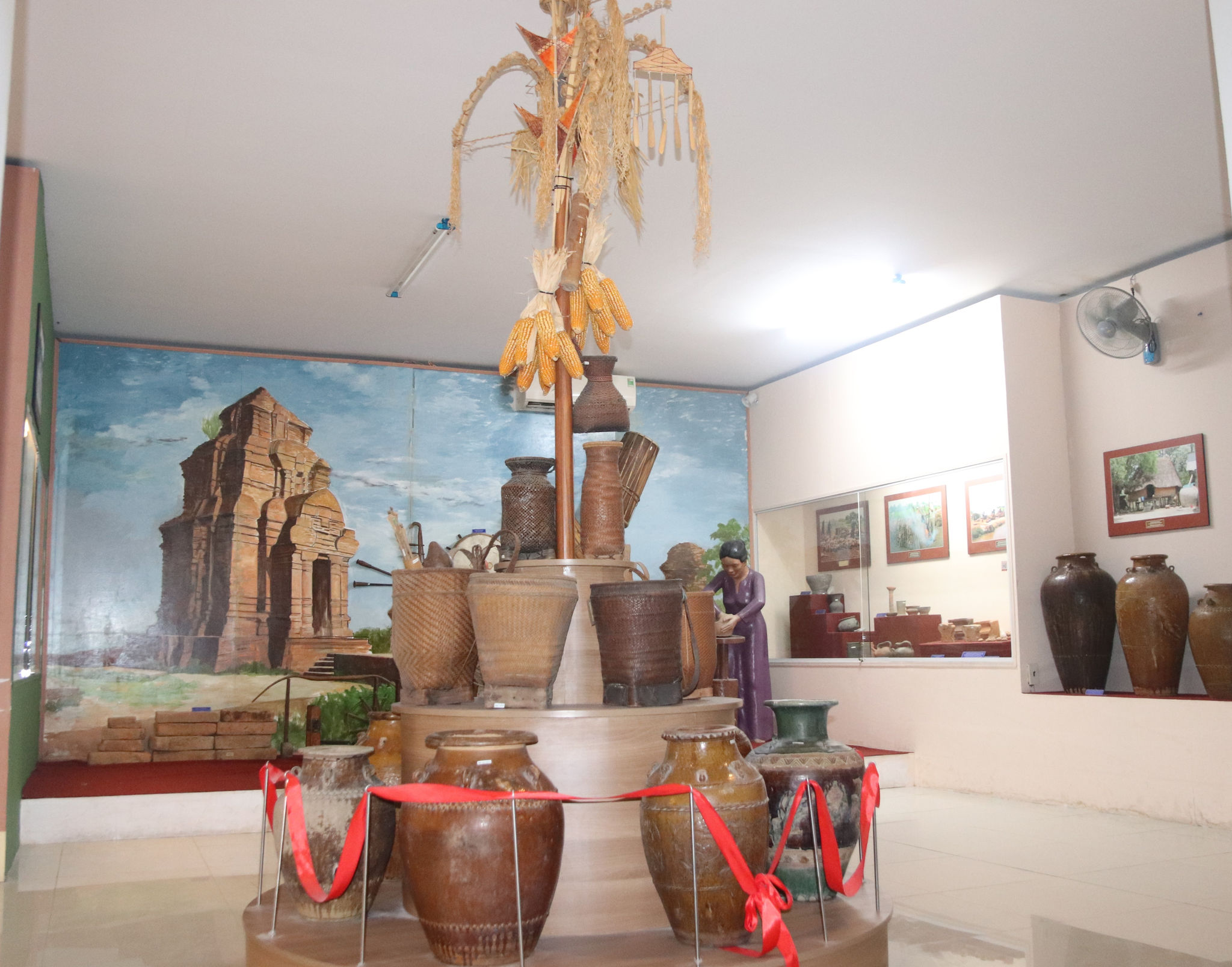
Looking ahead, the museum plans to expand QR code coverage across all facilities and managed heritage sites, with a target of completing digital content for 500 artifacts by 2026. It will also gradually digitize historical and cultural heritage spaces and integrate them into a unified information system. At the same time, efforts will focus on strengthening human resource capacity in digital transformation and the application of science and technology to meet the growing needs of society.