


For a Stable and Sustainable Fishing Ground
“No other country catches such small fish as Vietnam does. Should we consider closing the sea for three years to let the fish grow?” — this thought-provoking question raised by Tran Luu Quang, Head of the Central Economic Commission (now Secretary of the Ho Chi Minh City Party Committee), at the Vietnam Economic Growth Forum, has opened up a new direction for the fisheries sector amid declining fishery resources and export challenges.
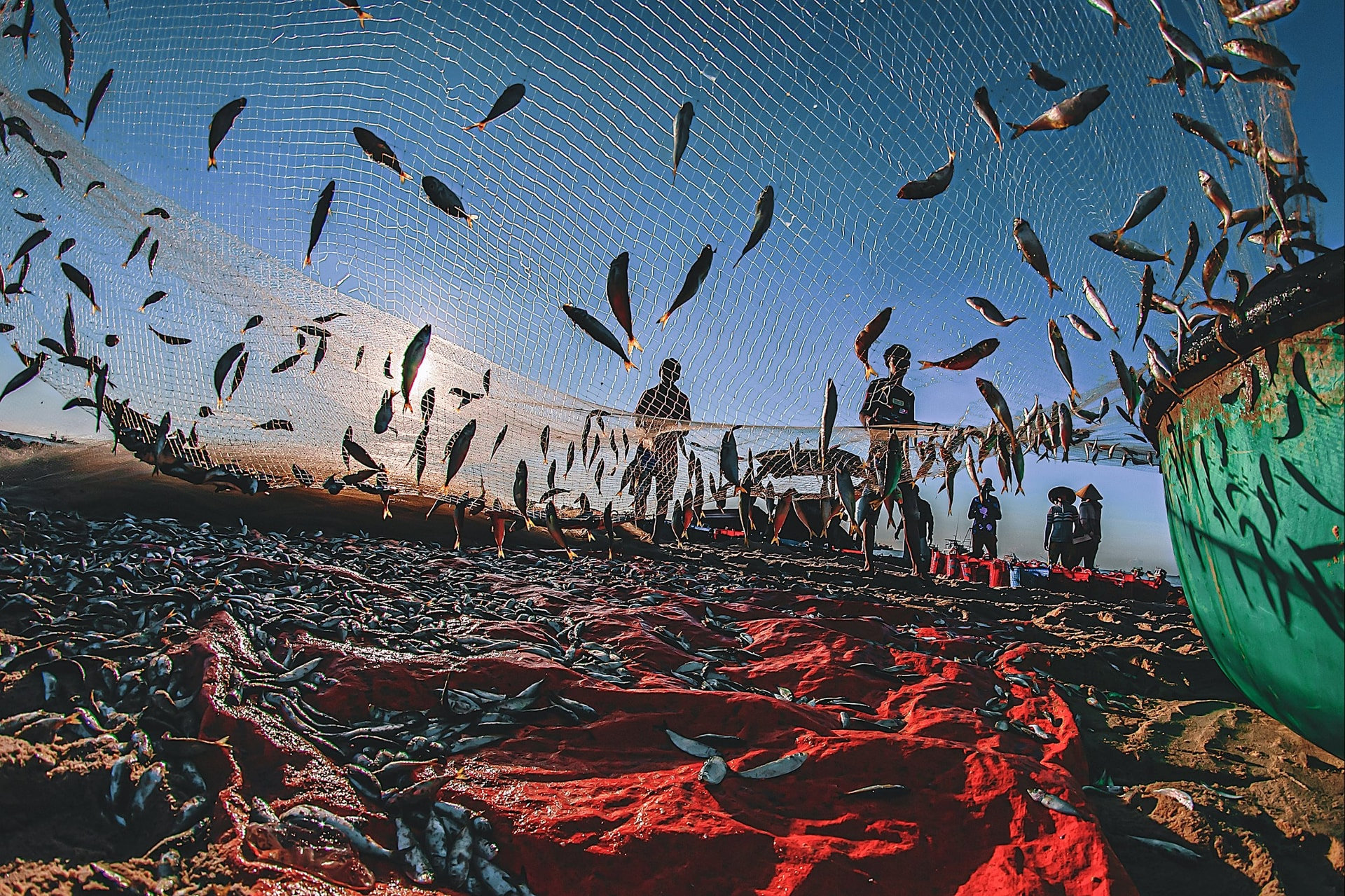
Overfishing
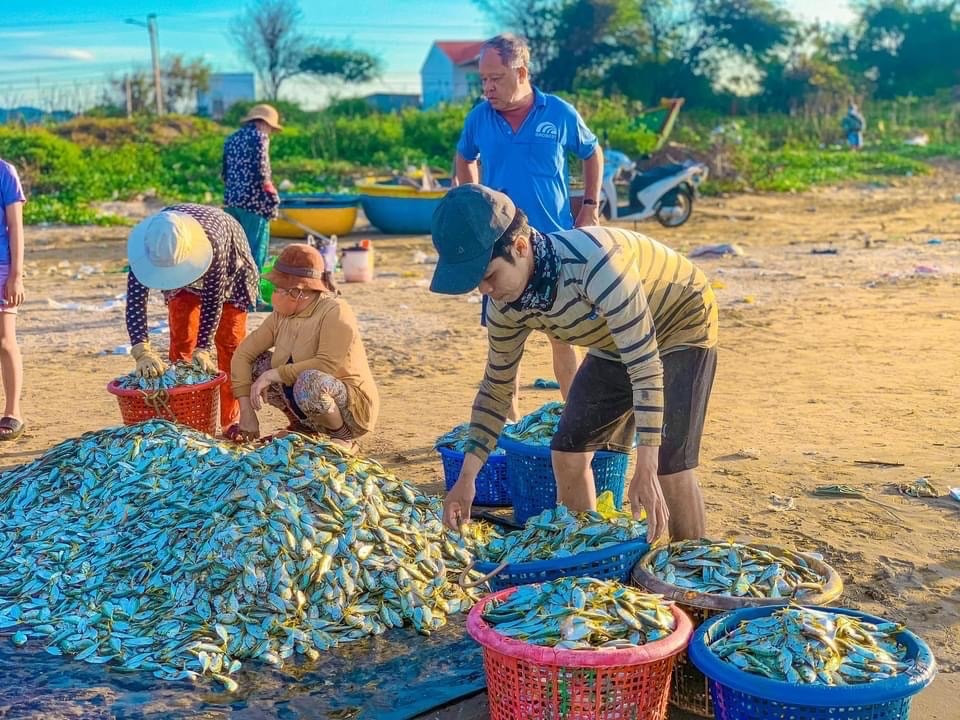
At many coastal fish markets in the province, it’s common to see baskets of tiny fish, shrimp, and squid — some no larger than a thumb — sold at very low prices. This is one of the reasons why marine resources, especially nearshore species, are becoming increasingly depleted.
Fisherman Le Anh Xuan from Phan Thiet Ward, with over 40 years at sea, shared:
“Besides overfishing, many fishermen use banned fishing gears and methods such as trawl nets, iron-framed drag nets, light-assisted fishing, and even explosives or electric pulse fishing. Many species are caught during their breeding season, causing the fish stocks to decline sharply. Over the past decade, catches have dropped dramatically; species once abundant are now rare, forcing fishing boats to venture further offshore just to secure a modest haul.”
Recently, provincial authorities have continuously detected and seized vessels engaged in illegal trawling near the coast. Despite strict new penalties, many boat owners and captains still violate fishing zones, disregarding long-term consequences. According to the Directorate of Fisheries, Vietnam’s annual sustainable marine catch capacity is only about 2.27 to 2.63 million tons, yet the actual catch has exceeded this by nearly 1.5 times — rapidly depleting fish and seafood stocks.
Associate Professor Vu Thanh Ca, former Director of the Institute of Marine and Island Studies, remarked at several regional seminars in southern Lam Dong:
“In the past, even small boats could catch a lot of large fish. Now, fishermen must invest in expensive, high-powered boats, travel farther, burn more fuel, but catch far less. The cost per fishing trip in 2019 was 3.8–4.3 times higher than in 2010, while income only rose by 2.4–2.6 times. The province’s coastal waters are polluted by plastic waste and red tides, severely affecting marine ecosystems, tourism, and local livelihoods. Overfishing, destructive fishing methods, and climate change have led to the serious degradation of coral reefs and seagrass beds, disrupting the ecological balance and depleting marine resources.”
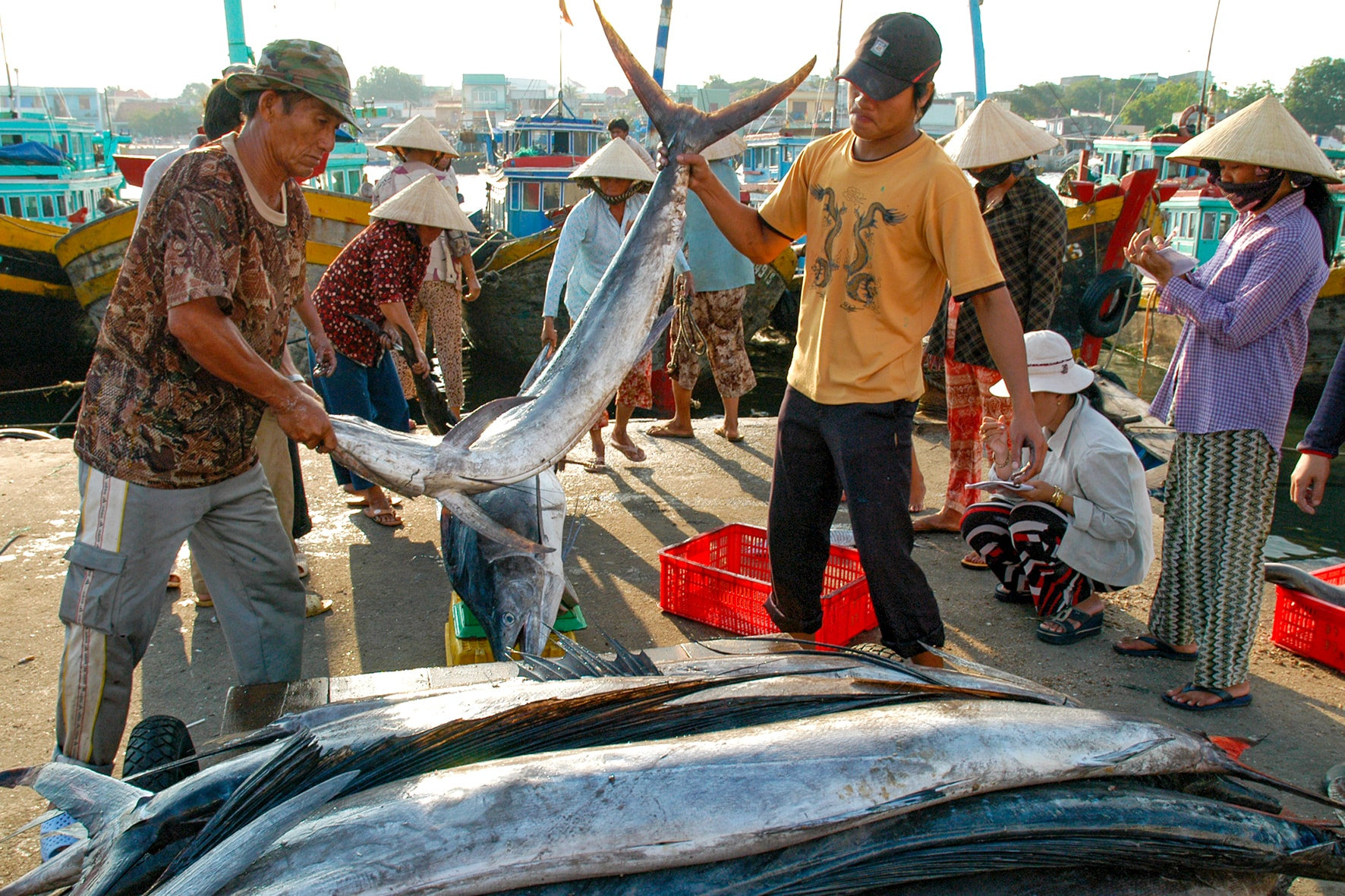
Rebuilding Marine Resources
To secure livelihoods for fishermen, the provincial agricultural sector has strengthened communication campaigns on sustainable fishing practices and encouraged expansion of aquaculture. In Tan Thanh Commune, local fishermen’s community groups operate effectively, with notable sustainable fishing initiatives — such as the Co-management Model for Blood Cockle Farming.
Experts point out that the Tan Thanh–Thuan Quy sea area is not only ideal for blood cockles but also suitable for green mussel and Pacific oyster farming. To expand such models to other coastal areas, local authorities need to establish marine resource protection zones and support fishermen in adopting responsible fishing methods.
“Fishermen must understand that catching only large fish and releasing small ones helps increase long-term economic value. Without decisive measures, we’ll soon have nothing left to fish, and our future generations will face great hardship.”
Assoc. Prof. Dr. Vu Thanh Ca
In addition, the provincial agriculture sector has implemented multiple strategies to restore fish stocks: promoting offshore fishing, modernizing fishing vessel management and post-harvest preservation technologies, and fostering marine economic development in line with safeguarding national maritime sovereignty.
The province is also shifting strongly toward high-value aquaculture using industrial, clean-farming technologies, while restricting small-capacity coastal vessels and strictly punishing destructive practices that harm the environment.
“If fishermen comply with laws on fishing and aquaculture — avoiding banned gear and refraining from fishing during spawning seasons — marine resources in the province will soon recover, ensuring sustainable livelihoods for generations to come,” emphasized Assoc. Prof. Dr. Vu Thanh Ca, former Director of the Institute of Marine and Island Studies.