


Forest resources drive tourism development in Lam Dong
With 1.128 million hectares of forest, including around 930,000 hectares of natural forest, Lam Dong has 46% forest coverage and is known as a “green lung” and a strong foundation for eco-tourism.
Boosting forest-based tourism potential
The Department of Culture, Sports and Tourism has issued a request for forest management agencies and relevant units to coordinate the development of tourism activities linked to forest resources, following a green, sustainable approach and in compliance with legal regulations.
Since nature-based tourism is growing, forests are valued for their ecological benefits, fresh climate, biodiversity, and cultural identity. These strengths support diverse tourism products, including eco-tourism, community-based tourism, adventure sports, and environmental education.
In recent years, several areas in the province have effectively tapped forest resources for tourism development. Locations such as Da Lat pine forests, Bidoup–Nui Ba, Tuyen Lam Lake, Nui Voi, Ta Dung, and Ta Nang–Phan Dung, along with primeval forest zones, have become popular destinations. Bidoup–Nui Ba National Park alone has developed three forest exploration routes focusing on environmental education, biodiversity experiences, and natural landscapes such as streams and waterfalls.
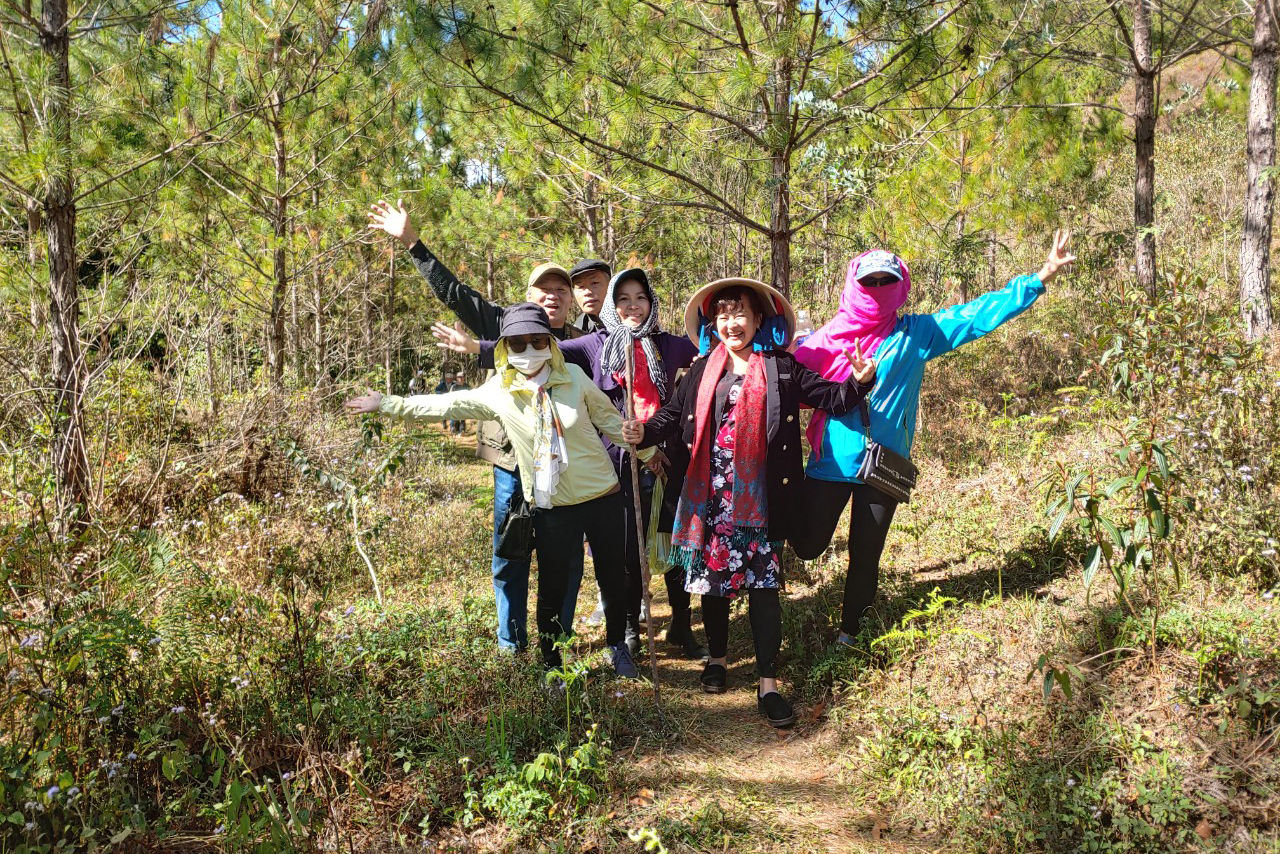
Activities such as trekking, camping, forest exploration, and cultural experiences with ethnic minority communities have helped diversify the province’s tourism offerings, while also generating income and raising public awareness of forest protection.
However, forest-based tourism development has yet to match the province’s vast potential, as it is home to the country’s largest forest area, including three national parks (Bidoup–Nui Ba, Cat Tien, and Ta Dung) and the Dak Nong Global Geopark.
The Department has urged forest management units to actively develop suitable models based on local conditions, including eco-tourism, forest retreats, community-based tourism, nature experiences, environmental education, adventure tourism, and under-forest economic activities aligned with forestry development.
In the next period, efforts to build a brand and promote Lam Dong’s forests as a green, friendly, and attractive destination should be strengthened to enhance the province’s tourism competitiveness.
Vo Thanh Huy, Deputy Director of the Department of Culture, Sports and Tourism.
Tourism development tied to conservation
Tourism development linked to forest resources must be carried out sustainably and under strict control, with minimal impact on forest management, protection, and development functions. It must also ensure the preservation of ecosystems, landscapes, and biodiversity, while avoiding pollution, resource degradation, and ecological imbalance.
Prioritizing the use of local labor, creating livelihoods, and increasing incomes not only strengthens community responsibility for forest protection but also helps preserve and promote ethnic cultural identity through distinctive community-based tourism models in Lam Dong.
Moreover, forest-based tourism activities must place safety as the top priority, ensuring fire prevention, rescue and emergency response, public security, environmental hygiene, food safety, and service quality. Adventure activities such as mountaineering, waterfall trekking, and zipline tours must strictly comply with the Tourism Law 2017.
According to Vo Thanh Huy, Deputy Director of the Department of Culture, Sports and Tourism, efforts to build a brand and promote Lam Dong’s forests as a green, friendly, and attractive destination should be strengthened to enhance the province’s tourism competitiveness.
Forest-based tourism development is considered a suitable direction given the province’s potential. If properly managed, it can generate jobs, improve local livelihoods, and help protect natural resources, while positioning Lam Dong as a leading forest ecotourism destination in Vietnam.