


“Four-Season” Agricultural Processing
Alongside selling fresh produce, many farms across the province are developing a wide range of year-round processed products under their own brands, helping address seasonal oversupply, stabilize prices and improve the profitability of local agricultural products.
.jpg)
Adapting to a Volatile Market
After approximately a decade of entrepreneurship, Luong Thi Yen Van has built strong connections with 150 farming households cultivating 40 hectares of vegetables, roots, and fruits through a value-chain model that links agricultural areas in Da Lat and neighboring regions.
As of the end of July 2026, the chain gathers 3-4 tons of vegetables, roots, and fruits daily at its processing facility for sorting, preliminary processing, and further processing before being distributed to wholesalers. With over 100 product lines that comply with Good Agricultural Practices standards, Van's value chain provides the market with 75% fresh produce and 25% processed products each year.
Van explained: “Typically, following the Lunar New Year, farming regions in Da Lat and nearby areas reach their highest annual yields of vegetables, roots, and fruits. At the same time, other parts of the country are entering a new growing season and increasing their cultivation areas and outputs, leading to a surplus of supply over demand. As a result, it is essential to process and preserve a portion of the fresh produce to help maintain stable market prices.”
At first, she made a small investment in processing equipment with low capacity that functioned during the “dry season,” and later added larger-scale production lines capable of processing throughout the year. This has allowed the chain to effectively respond to fluctuations in the market.
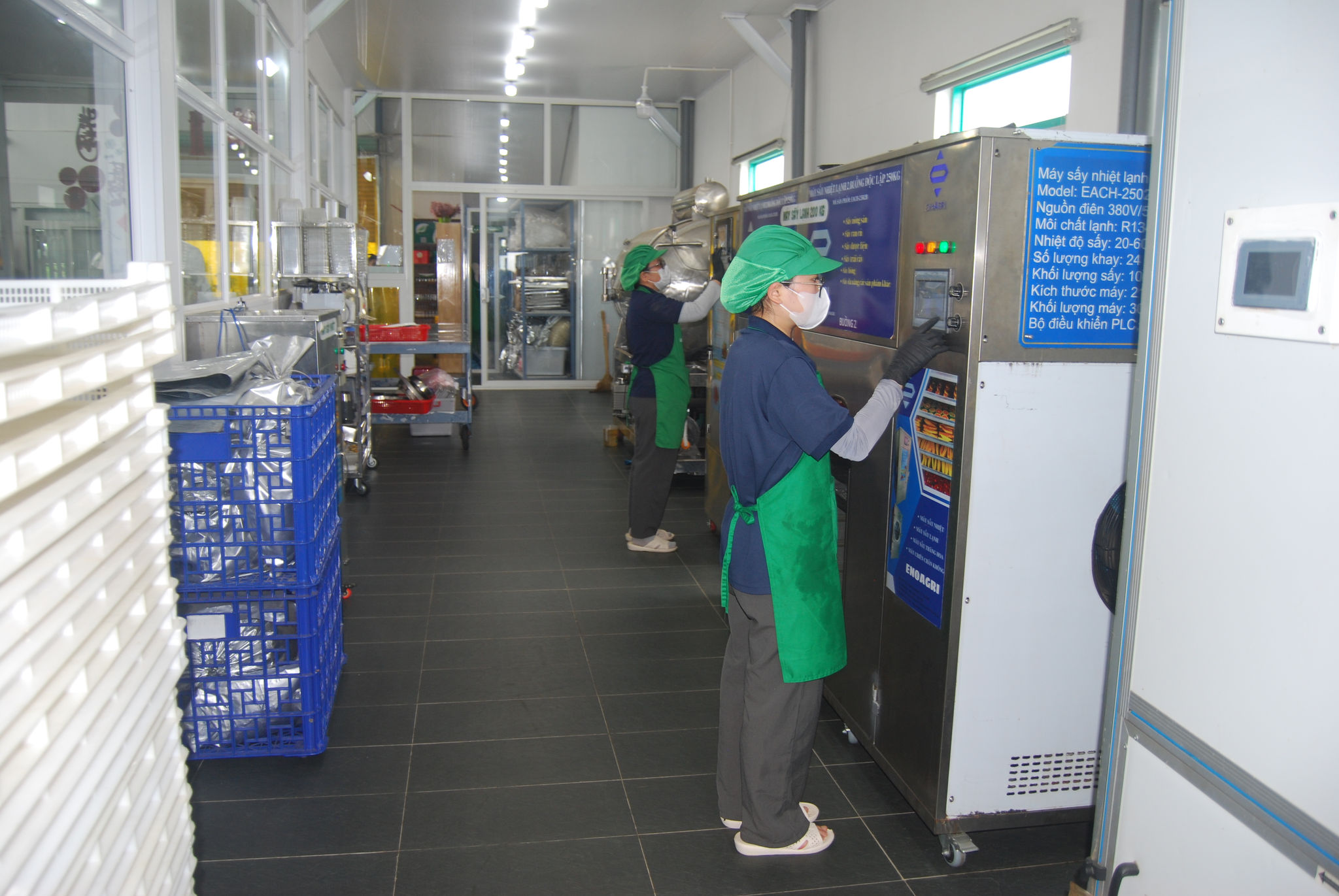
Currently, Van's value chain utilizes an advanced processing system that complies with the international ISO 22000:2018 food safety standard. During busy periods, the facility has the capacity to transform 1,000 kilograms of fresh raw materials into 100 kilograms of dried products. Various technologies, such as freeze-drying, heat drying, and cold drying, contribute to maintaining the natural flavors of vegetables, roots, and fruits that are typical of the temperate highland climate, while also prolonging their shelf life for multiple years.
With an extended shelf life, thach chau tea bags produced by Le An Na in Nam Ban Lam Ha Commune have gradually gained a presence in markets nationwide.
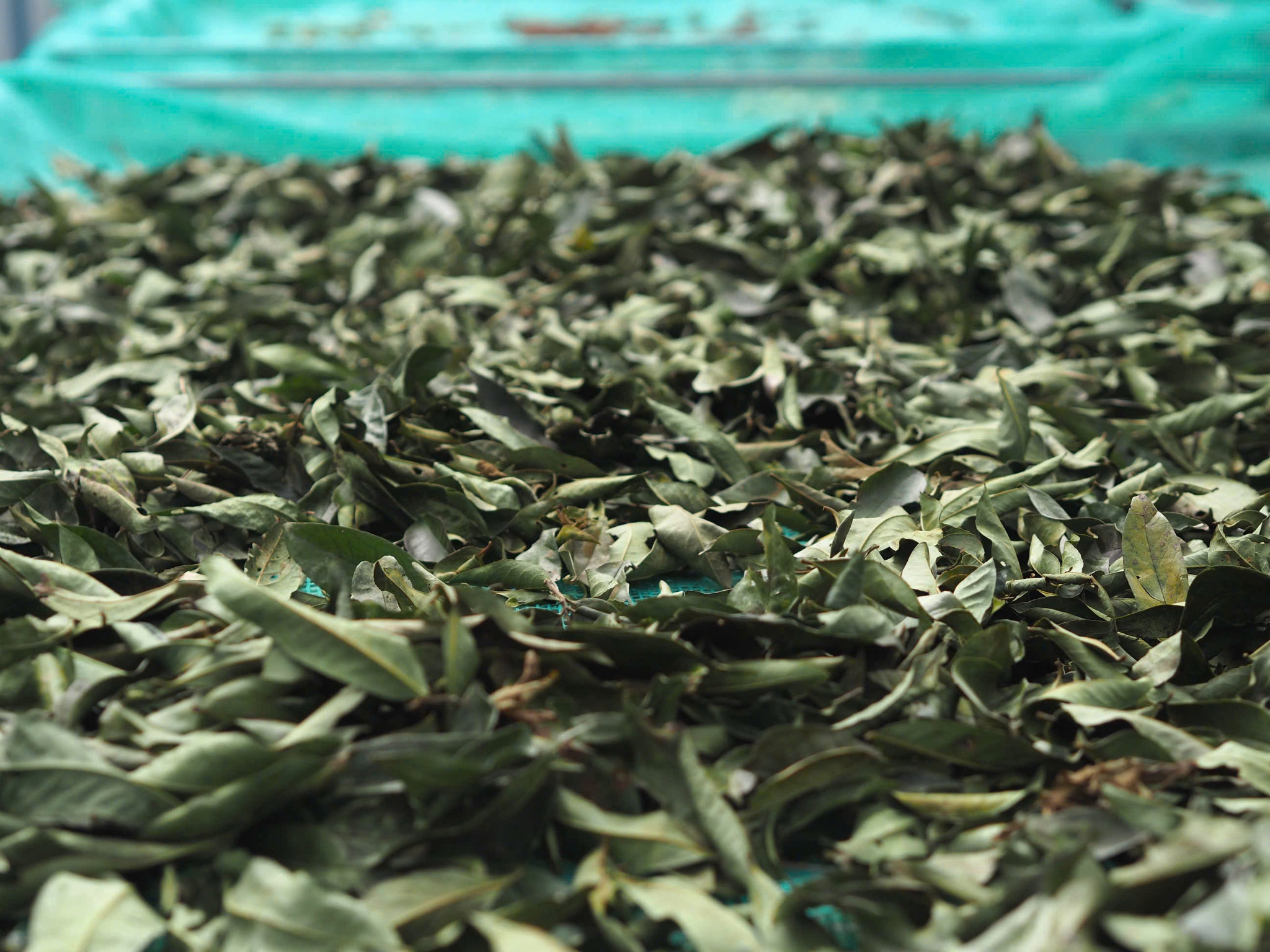
The products are made from a valuable medicinal plant that Le An Na has cultivated on a 7-hectare farm for over 15 years. Following years of experimentation, the farm has developed an integrated model combining cultivation, on-site preliminary processing, and the production of matcha powder and dried tea products, including tea bags.
The farm now processes around 10 tons of fresh leaves each year, which translates to about 1 ton of dried finished products distributed to various domestic customer segments. Notably, in recent years, the farm has provided around 5 tons of dried thach chau tea leaves annually to medicinal herb processing companies in the United States.
Businesses Play a Central Role
As stated by the Lam Dong Department of Agriculture and Environment, the province plans to process approximately 30% of its total agricultural output by the year 2030, while aiming to decrease post-harvest losses by over 1% each year.
The provincial budget will continue to fund the enhancement and expansion of current processing facilities, progressively establishing processing centers that are linked to areas of raw material production and developing up to 15 production chains associated with processing and distribution.
Additionally, the province aspires for over 70% of preliminary processing and processing facilities to implement quality management and food safety systems such as HACCP, ISO 22000, or equivalent standards.
Simultaneously, the province is urging businesses to invest in, innovate, and implement contemporary processing technologies, which encompass rapid freezing, freeze-drying, cold drying, extraction, and deep-processing methods.
These initiatives are anticipated to lead to significant advancements in agricultural restructuring, aiming for the processing sector to reach an average yearly growth rate of 10%, along with a corresponding annual increase of 10% in agricultural export values.
Vu Dinh Cuong, the Deputy Director of the Department of Agriculture and Environment, said: “Through 2030, the province will focus on deep processing and the implementation of high-tech and environmentally sustainable methods. We will transition significantly from exporting raw materials to offering processed products that have greater added value, linked to green and circular economies and digital transformation, thereby creating a breakthrough in the restructuring of agriculture.”