


From Lo Fishing Village, Lessons for Lam Dong’s Coastal Communities
Lo Fishing Village in Hoa Hiep Ward, in the former Phu Yen Province and now part of Dak Lak Province, has been selected by the Vietnam National Authority of Tourism as one of five Vietnamese representatives for the 2026 Best Tourism Villages initiative organized by UN Tourism. Its story offers valuable lessons for Lam Dong’s coastal fishing villages: a modest fishing community can become an attractive tourism destination if its existing values are preserved and developed in the right way.
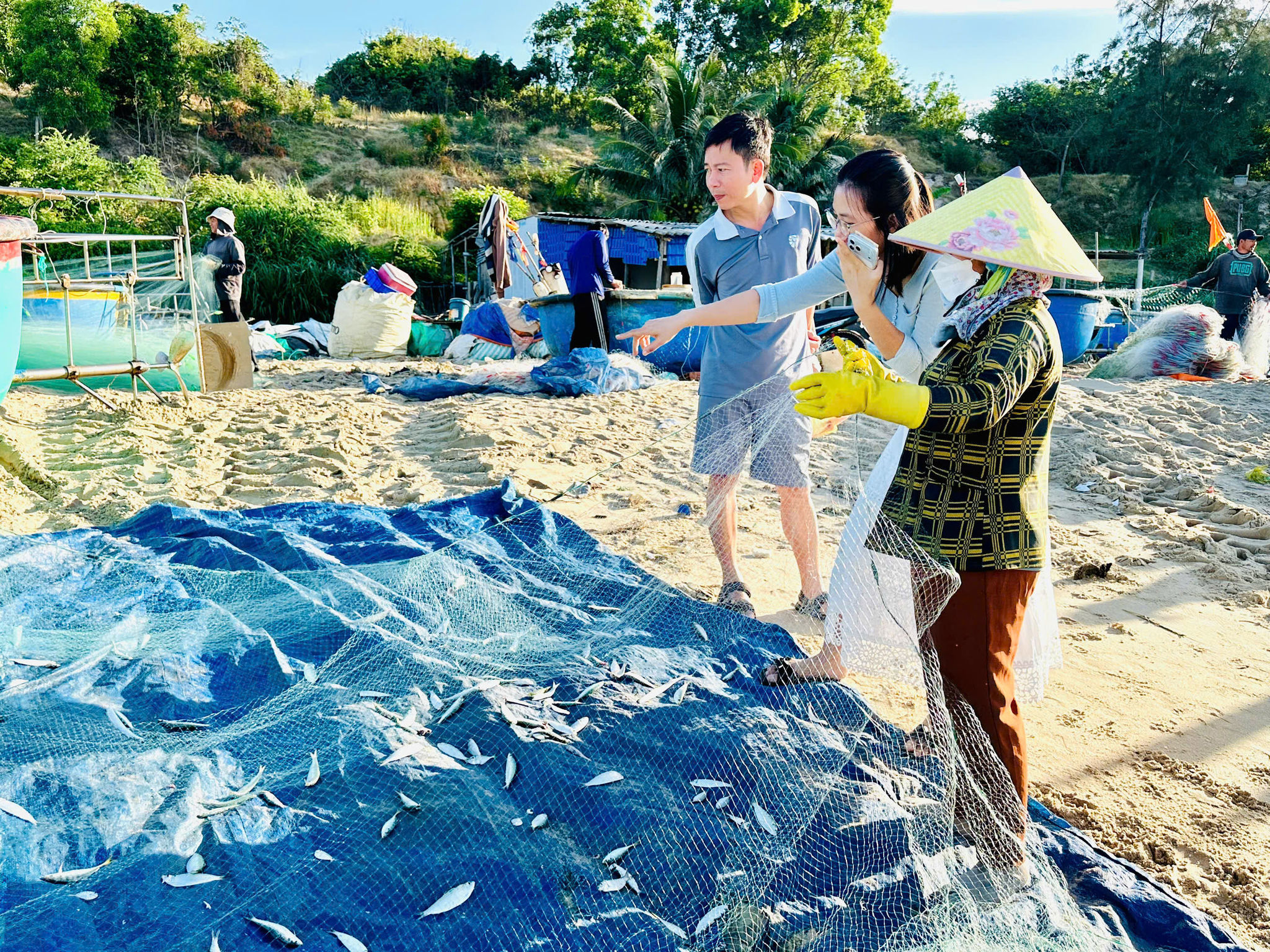
Lo Fishing Village is not a new destination. It is a coastal fishing community whose identity has long been closely associated with seafood fishing. What is noteworthy is that, during the development of tourism, its simple and authentic values have not been erased and replaced by flashy structures.
Some investors have acquired homes and land from local residents but chosen to preserve the distinctive character of the fishing village while developing ecological resorts that fit the existing landscape and environment. This combination of old and new, between traditional fishing life and tourism services, has created Lo's distinctive appeal.
Turning Fishing Village Life into Tourism Experiences
Lam Dong now has a coastline stretching more than 192 kilometers. Along the coast are fishing villages that have developed over generations, closely associated with fishing, seafood processing and the distinctive cultural life of coastal communities.
Mui Ne, Hoa Thang, Chi Cong, Binh Thanh, Lien Huong and the fishing villages on Phu Quy Island all have their own features that cannot easily be found elsewhere.
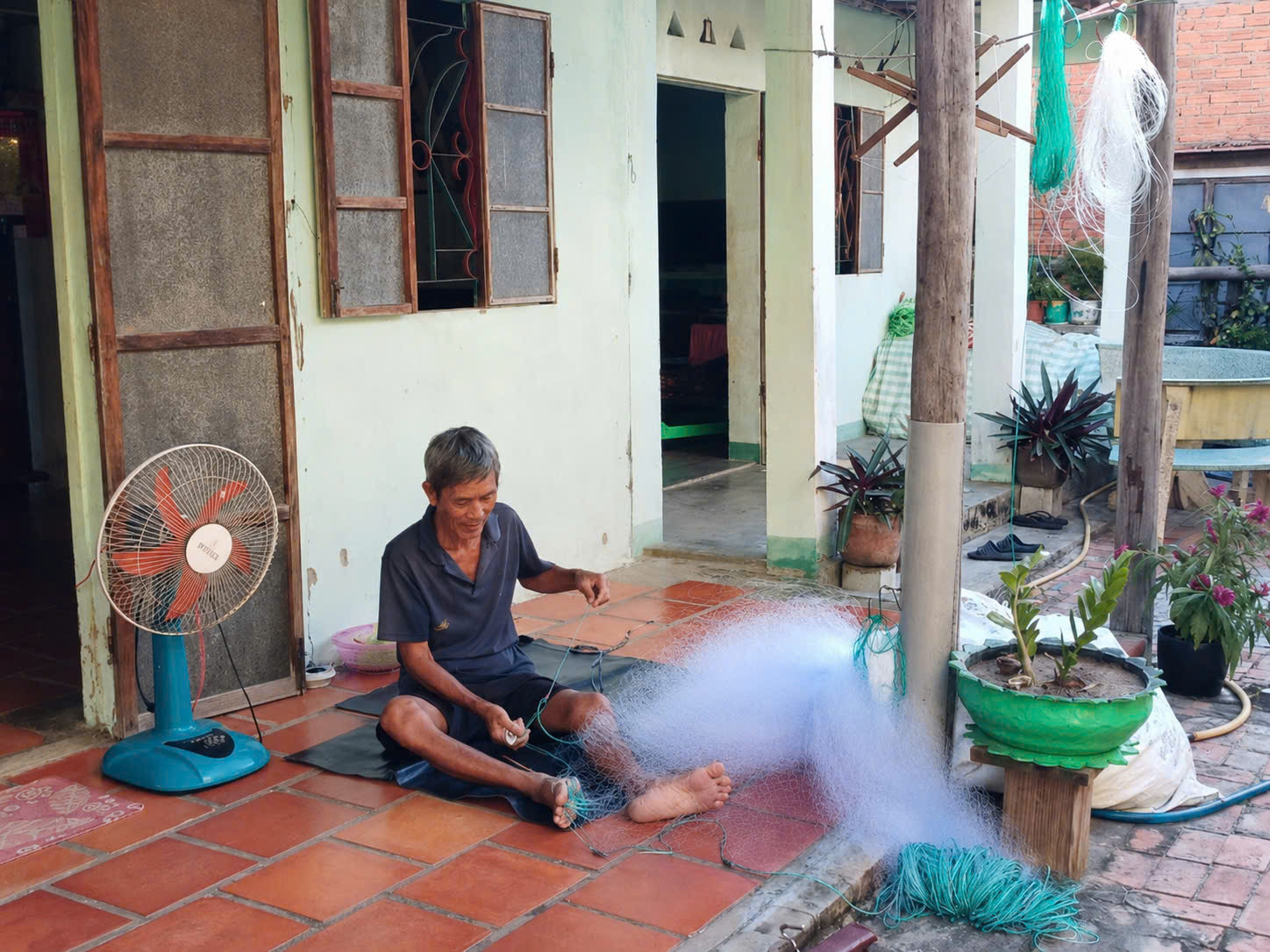
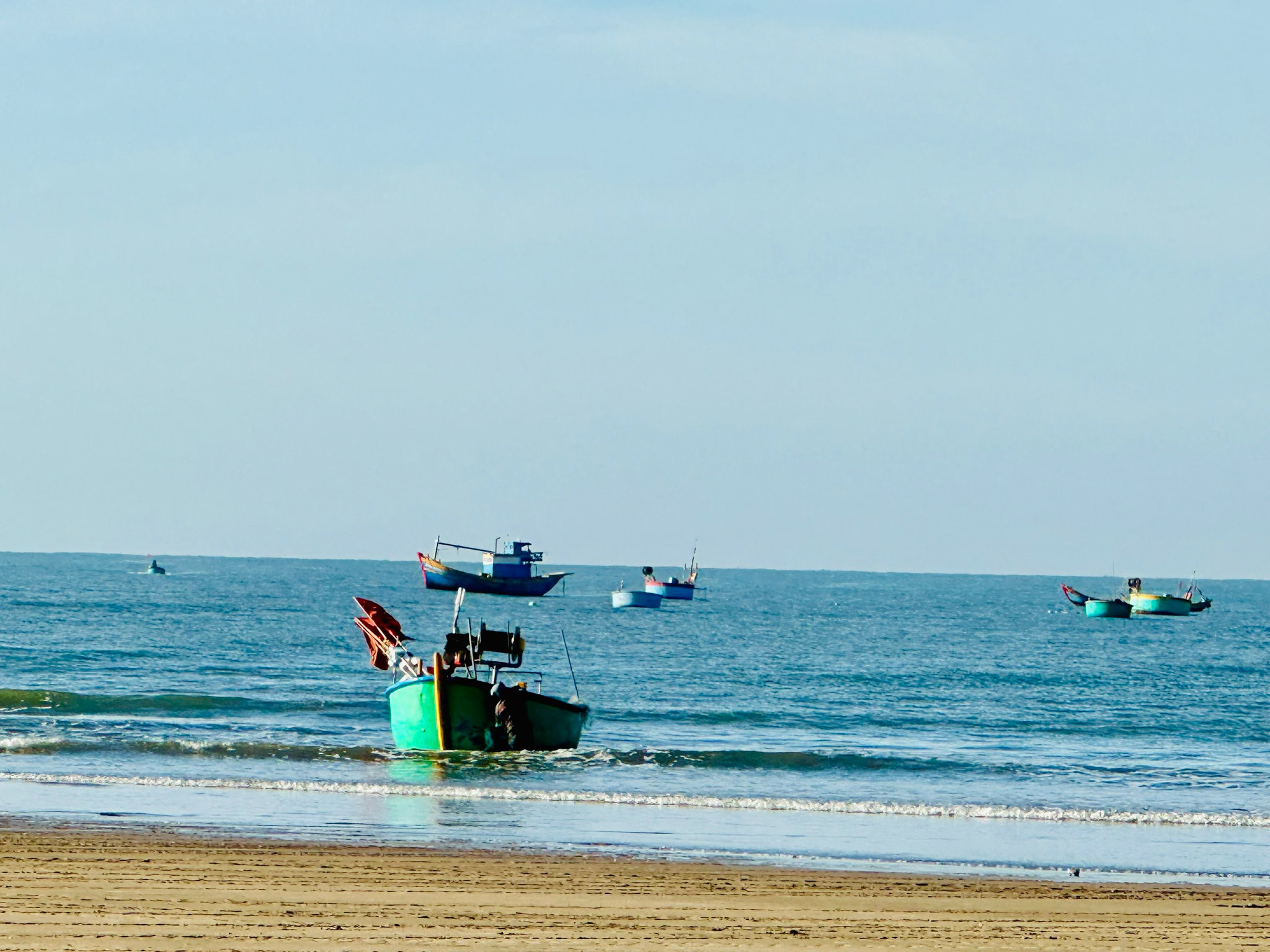
These places offer more than blue seas, sandy beaches, rocky outcrops and spectacular sunrises. They are also about fishing boats returning from offshore trips, early-morning fish markets, homes nestled along the coast, and the ways local people cast and weave nets, make fish sauce and process seafood.
They are also home to rituals, beliefs and stories passed down from generation to generation. In other words, the tourism resources of a fishing village lie not only in its scenery but also in the everyday lives of its people.
This is also driving a shift in tourism trends. Many visitors no longer want simply to visit a beautiful destination, take photographs and leave. They increasingly seek authentic experiences, opportunities to live within a local environment, learn about culture, taste regional specialties and take home stories to share after their journeys.
Lam Dong already has products built around this approach. Visitors can experience gong culture, try pottery making, explore community life or participate in activities associated with traditional occupations.
For fishing villages, the experiences can be equally simple: joining fishermen as they cast their nets, watching boats land with their catch, learning how to prepare a seafood dish, discovering the craft of making fish sauce, listening to stories about the sea, sharing a meal with a fishing family or staying in a homestay adapted from an existing coastal home.
When carefully organized, such experiences can sometimes be more appealing than an entirely new tourism facility.
Preserving the Soul of the Fishing Village
Yet this approach also raises an issue that must be addressed directly. In recent years, the image of some coastal fishing villages in Lam Dong, including well-known destinations such as Mui Ne and Hoa Thang, has been affected by complaints about overcharging, dishonest transactions and seafood failing to meet expected quality standards.
Such incidents may appear minor, but they can seriously damage a destination's reputation. Tourism is, after all, an industry built heavily on trust.
Therefore, if Lam Dong's coastal fishing villages are to become genuine “tourism villages,” the priority should not be to build more accommodation facilities or create more check-in attractions. More important is preserving the soul of the fishing village while building a responsible tourism culture.
Lo Fishing Village offers a thought-provoking example for Lam Dong. But there is no need to copy its model, and fishing villages should not be transformed into identical tourism zones.
The real lesson is to recognize the inherent value of a fishing village — not to destroy the old in the name of tourism, but to turn what already exists into tourism products.
With proper organization, these stories can be connected into a distinctive chain of coastal tourism products that reflects Lam Dong's own identity.