


From Local Agricultural Produce to Lam Dong’s OCOP Products
Coffee, macadamia nuts and bamboo shoots are among the local agricultural products being processed into OCOP-certified products by many localities in western Lam Dong. This not only increases agricultural value but also strengthens production linkages and expands market access for local produce.
Leveraging Local Advantages to Develop Signature Products
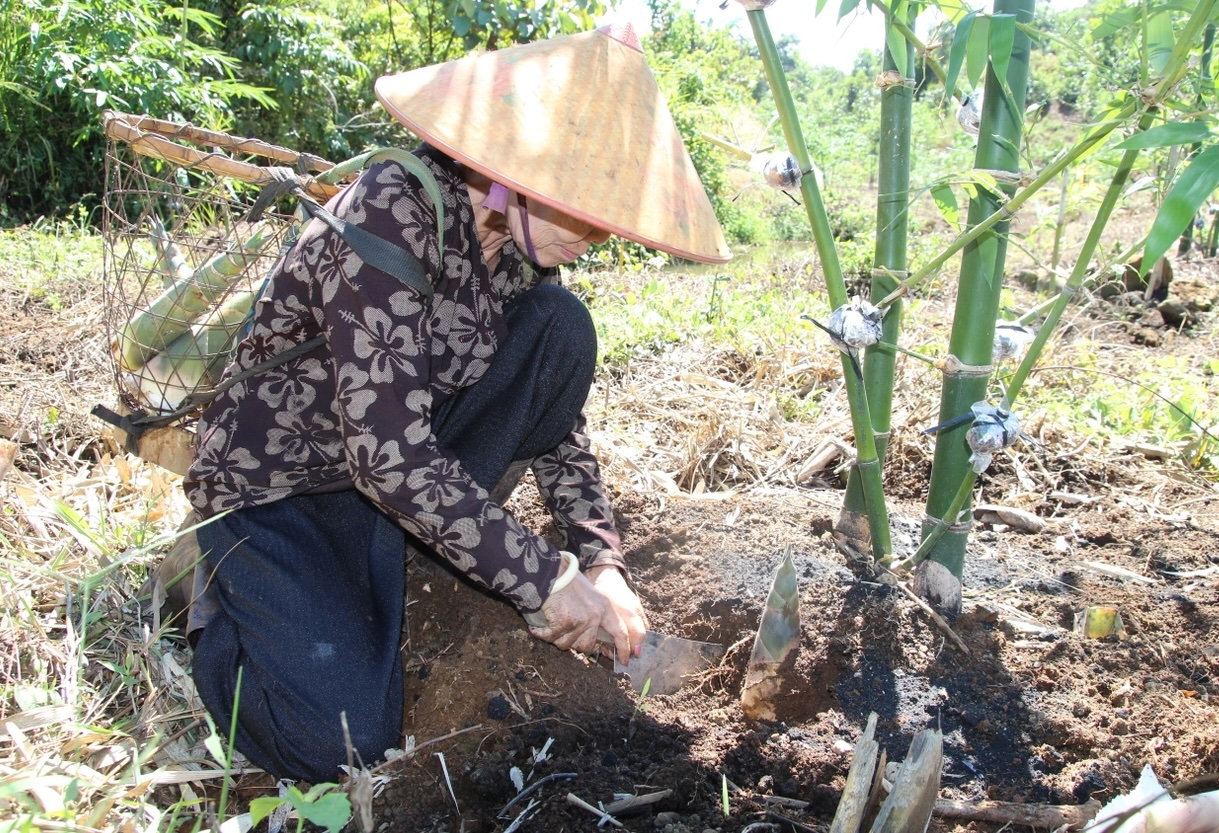
In Ta Dung Commune, the product "Fresh Year-Round Pre-Processed Bamboo Shoots" has been created by taking advantage of the local bamboo cultivation area established by Le Minh Hoang's family in Dak Som 2 Hamlet.
Beginning with just 50 bamboo seedlings in 2017, Hoang and his wife have gradually increased their bamboo-growing area to around 40 hectares.
Of this area, 20 hectares have been assigned growing-area codes and are farmed according to VietGAP standards. By utilizing appropriate agricultural practices, the bamboo yields off-season shoots, enabling the family to harvest an average of about 200 tonnes of fresh bamboo shoots each year.
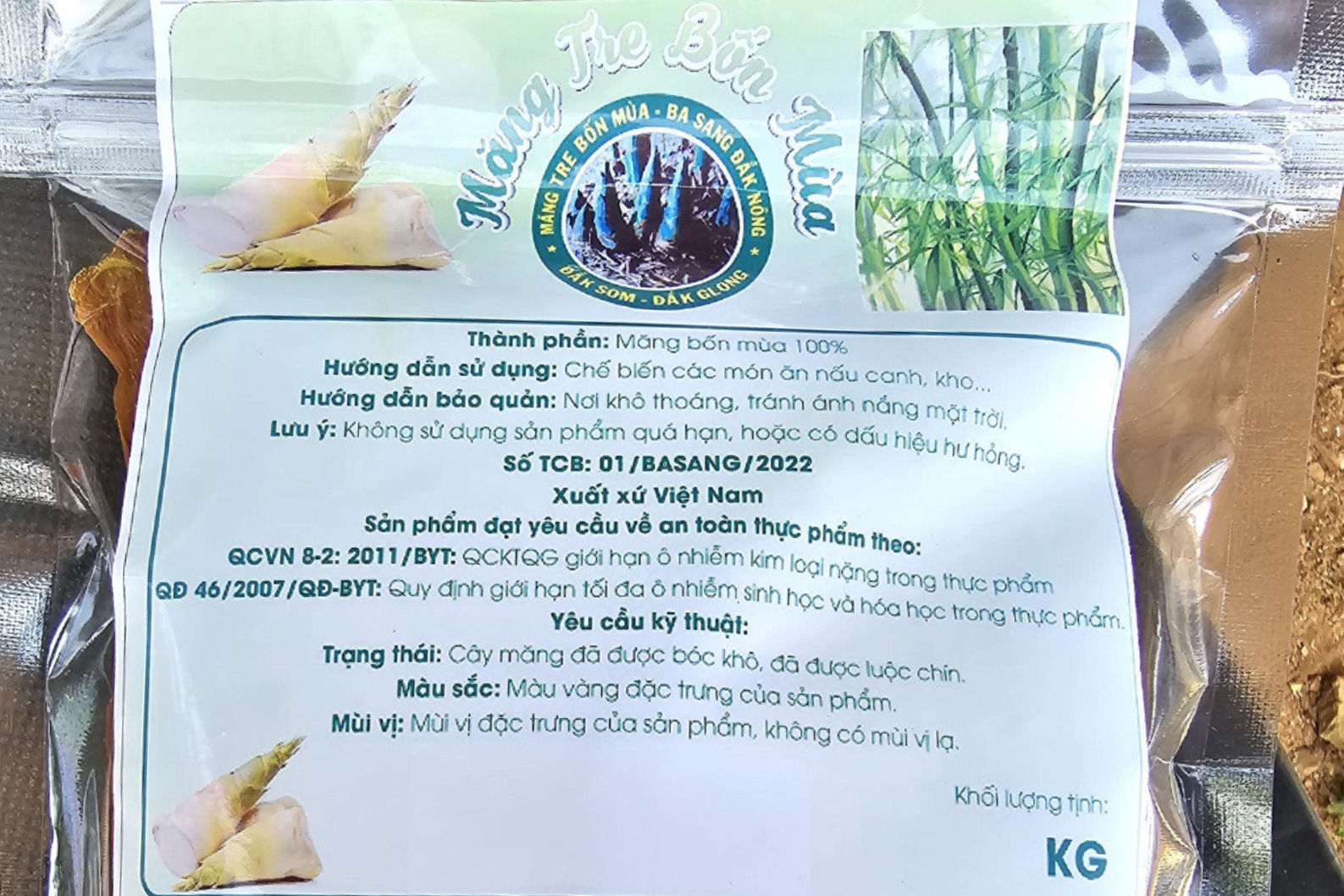
Building on their raw material base and processing experience, Hoang developed the product “Fresh Year-Round Pre-Processed Bamboo Shoots.”
In 2024, it was awarded a three-star OCOP rating, helping increase the value of bamboo cultivation and adding to the distinctive agricultural products of the locality.
Leveraging favorable climate and soil conditions, a cooperative focused on coffee production in Truong Xuan Commune has gradually established an organic coffee-growing region, integrating cultivation with processing and OCOP product development.
According to Ha Cong Xa, the director of the cooperative, it currently oversees 70 hectares of coffee grown using an organic-oriented production method. The cooperative has created ground coffee products from this cultivation area, which earned a three-star OCOP rating in 2024.
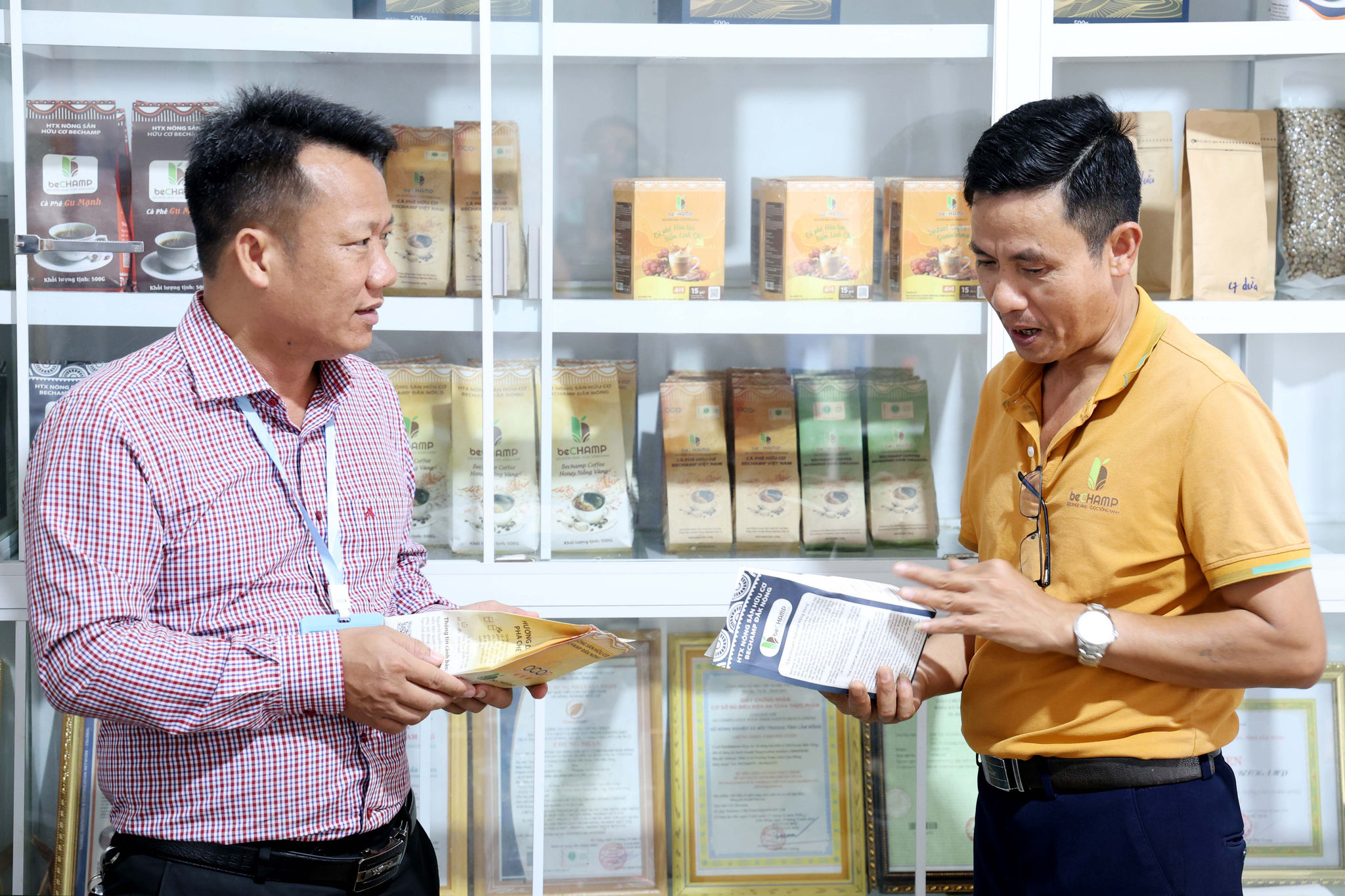
According to Xa, the cooperative's goals extend beyond simply producing and selling coffee; it also aims to highlight the stories of local farmers, the evolution of farming methods, and their hopes for increasing the value of local agricultural products. This strategy intends to create product differentiation and enhance value through quality and sustainable production techniques.
At the same time, leveraging its growing area for macadamia cultivation, a macadamia-producing cooperative in Tuy Duc Commune is steadily forming a value chain for production, processing, and marketing.
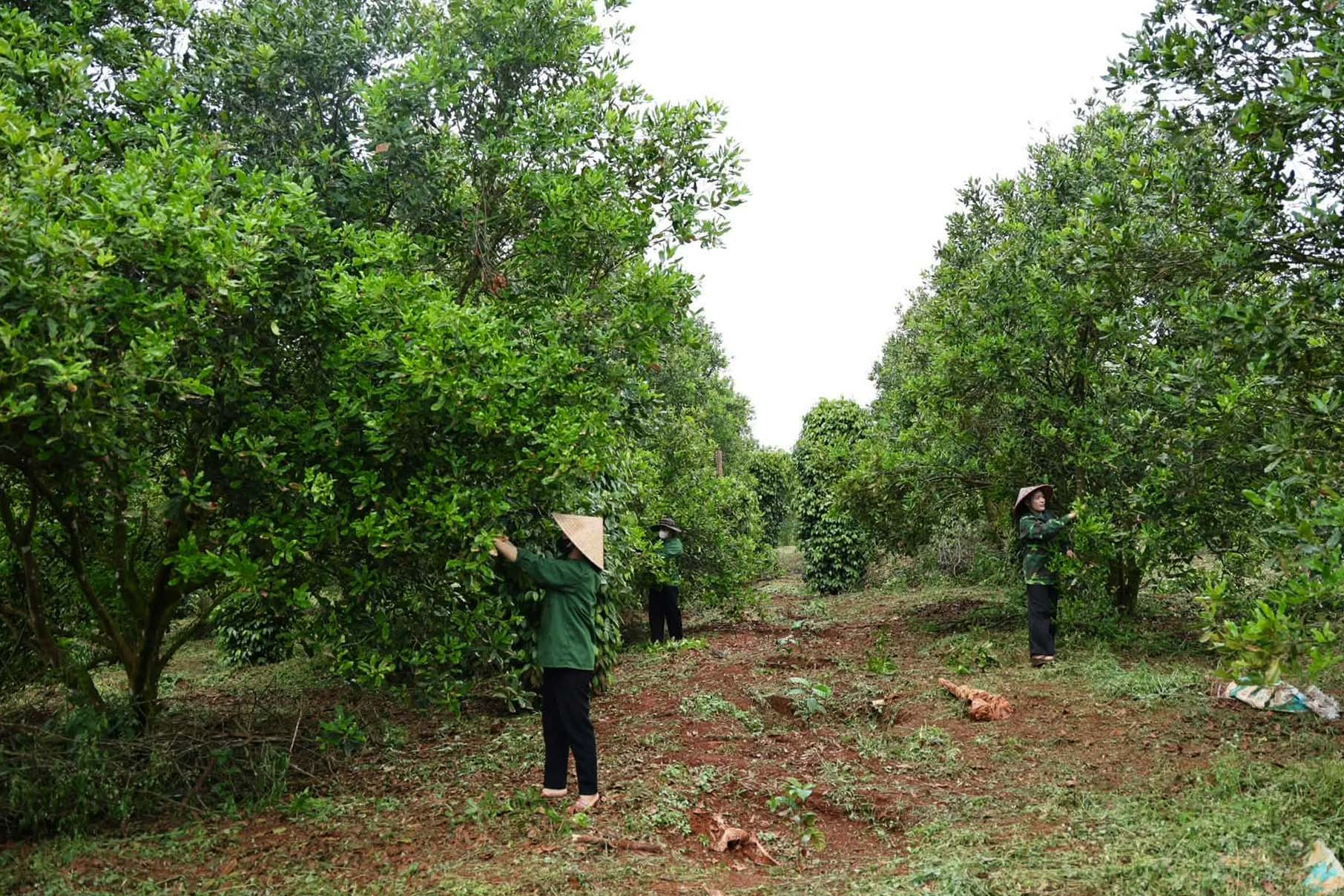
Tuy Duc Commune is home to over 2,000 hectares of macadamia, with around 1,400 hectares currently bearing fruit and an estimated annual production of 900 tonnes.
This serves as a crucial asset for the cooperative to create raw material zones, collaborate with local farming families, and develop processed products.
Using this supply, the cooperative has introduced items like cracked-shell macadamia nuts, macadamia kernels, and macadamia oil. In 2024, its products received three-star OCOP ratings.
Expanding Markets and Increasing Agricultural Value
Rather than simply harvesting and selling raw agricultural produce, these models have gradually invested in processing, product development and brand building.
This is also an important pathway for local products to participate in the OCOP program, creating added value and strengthening their competitiveness in the market.

For the macadamia cooperative in Tuy Duc, achieving three-star OCOP recognition has further inspired the standardization of production practices, enhancement of product quality, and expansion of distribution avenues.
Pham Thi Dung, a spokesperson for the cooperative, stated, "Engaging with the OCOP program provides our products with greater chances for promotion, allowing us to connect with consumers and broaden our markets. For families participating in production collaborations, consistent sales channels motivate farmers to invest confidently in the care of their orchards."
For several years, the coffee-producing cooperative in Truong Xuan Commune has also focused on processing, gradually transitioning from producing raw materials to creating finished products.
Receiving a three-star OCOP designation not only acknowledges the quality of its ground coffee but also enhances product value, boosts competitiveness, and creates increased opportunities for entering new markets.
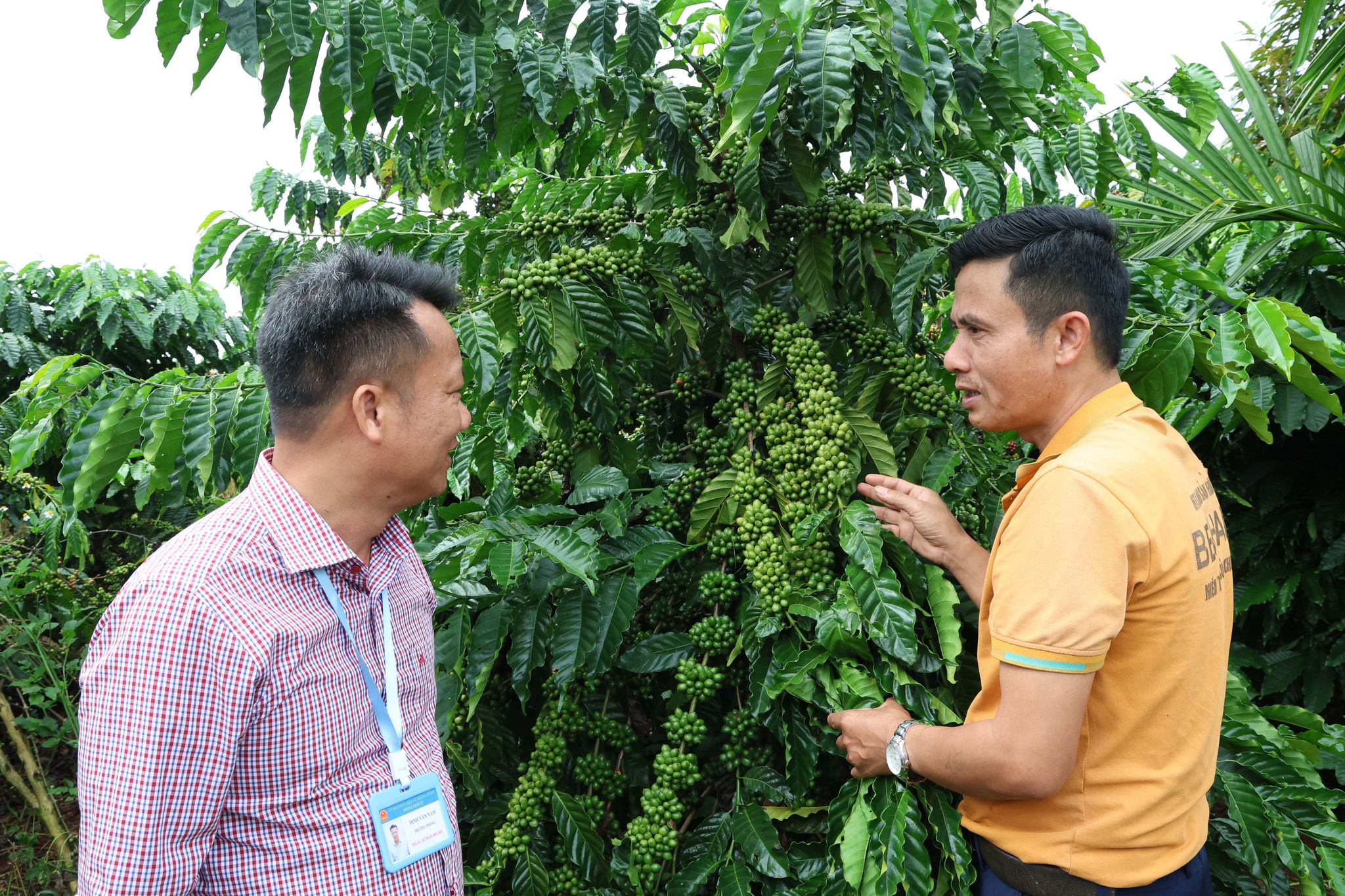
Ha Cong Xa believes that today's consumers are concerned not only with product quality but also with its origin and production methods.
In practice, OCOP participation is not simply about completing the paperwork required for certification; it is a process of improving product quality, reorganizing production and building consumer trust.
Building on the existing advantages of local coffee, the cooperative is gradually developing distinctive products that can compete in the market while telling the unique story of this land.
Ha Cong Xa, Director of a Coffee-Producing Cooperative in Truong Xuan Commune, Lam Dong Province
The OCOP initiative is fostering positive developments in rural economic growth, enabling local areas to leverage their strengths, enhance the value of agricultural goods, and gradually create unique local brands.
Nonetheless, for these products to sustain their growth, cooperatives and enterprises must continue investing in processing technologies, refining product designs, packaging, and branding, enhancing traceability systems, and broadening distribution networks.
Simultaneously, maintaining the quality of raw materials and strengthening partnerships with farmers will lay the groundwork for OCOP products to not only attain certification but also secure a strong foothold in the marketplace.