


From Resolving Stalled Projects to Attracting Strategic Investment
With 321 delayed projects worth a combined VND 257.3 trillion (approximately US$10 billion) and covering more than 23,000 hectares, Lam Dong is accelerating efforts to remove legal and procedural bottlenecks in a move expected to unlock a new cycle of economic growth.
Provincial officials say that even if only half of the stalled projects are revived — particularly the 165 projects already integrated into the national Project Resolution Database 751 system — the province could create significant momentum for investment, infrastructure development and long-term growth.
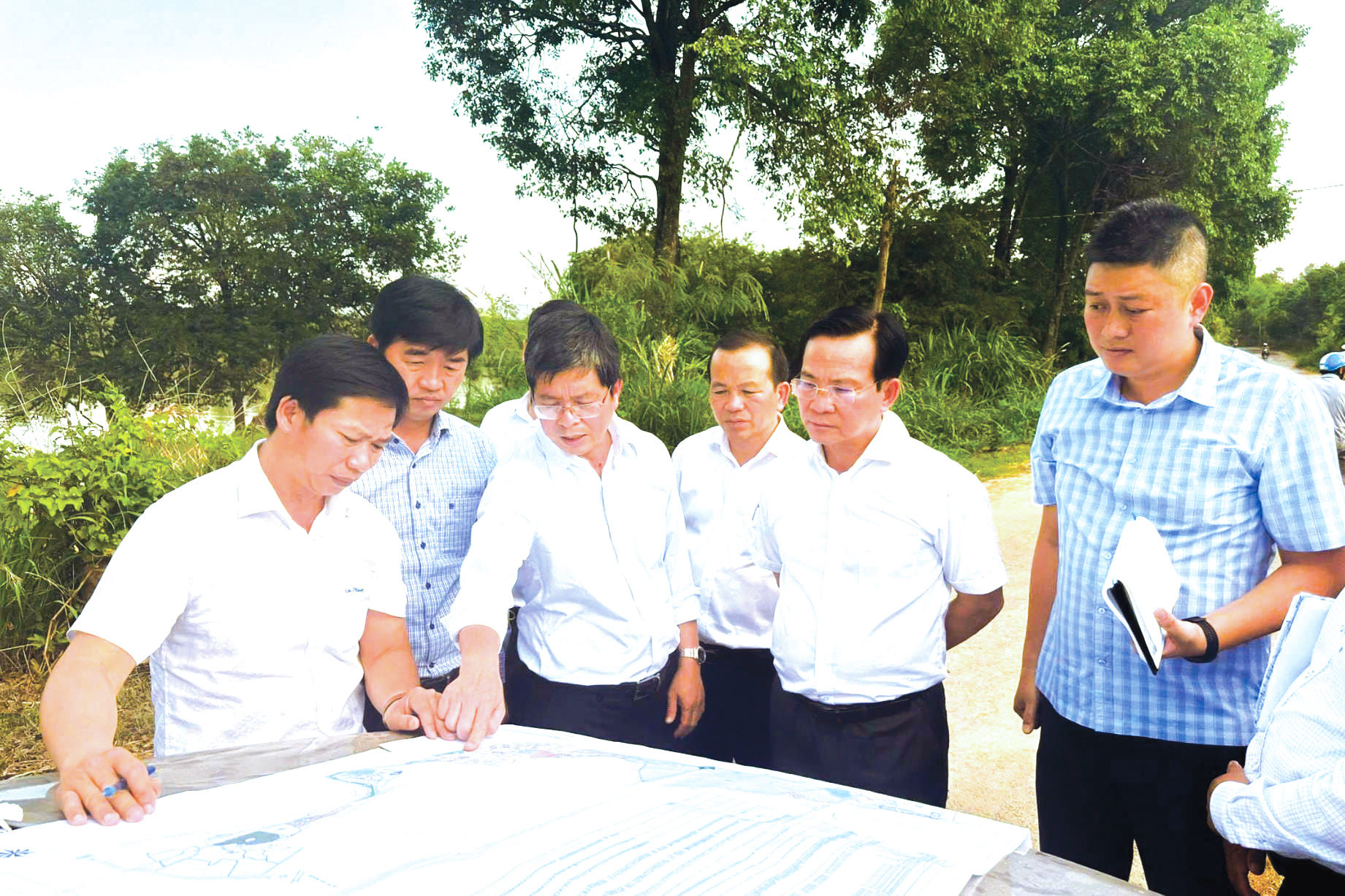
Unlocking Land Resources and Investment Flows
Even before National Assembly Resolution No. 29/2026 officially took effect on May 1, 2026, Lam Dong had already begun efforts to resolve stalled investment projects through conferences, direct dialogues with investors and coordinated administrative action.
A major step was the establishment by the provincial government of six special task forces responsible for handling legal and procedural obstacles affecting non-budget investment projects across the province.
Through a comprehensive review process, authorities identified 365 projects facing difficulties requiring intervention.
According to a report released by the Party Committee of the Provincial People’s Committee on May 13, 2026, 44 projects were later removed from the list after issues had been resolved, projects were deemed unfeasible, investors failed to cooperate, or authorities could no longer contact project owners.
That leaves 321 projects still under review and processing. Of these, 77 fall under central government authority, while 244 are handled at the provincial level.
The projects face a broad range of obstacles across 15 categories, including construction planning, forestry land leasing, forest-use conversion, mineral resource regulations, investment procedures, bidding and auction procedures , land clearance, infrastructure connectivity and investor capacity.
Additional challenges include unresolved land pricing, waste-treatment pricing frameworks, delays in land-use extensions, conversion of land lease structures and legal violations related to land use or unauthorized construction.
The affected projects are spread across all three major development zones of Lam Dong — from the flower-growing highlands and coastal tourism areas to forest regions — with many remaining inactive for years.
Against that backdrop, Resolution No. 29 has drawn strong attention as a policy shift from a “suspend to investigate” approach toward a “resolve to continue” strategy.
The resolution is expected to help clear long-standing legal obstacles, restart delayed projects and unlock both land resources and capital flows.
On May 7, 2026, the Government issued Decree No. 147/2026/ND-CP providing implementation guidelines for Resolution No. 29. Two days later, the Lam Dong Provincial People’s Committee released Official Dispatch No. 6487/UBND-NNMT to organize implementation across the province.
With the legal framework now clarified and coordination established between central and local authorities, the process of removing obstacles is being accelerated simultaneously across multiple sectors.
.jpg)
From Administrative Control to Government Partnership
One of the most notable features of Resolution No. 29 is its policy mechanism aimed at protecting officials and civil servants who acted in good faith but became entangled in legal violations during project implementation.
Under Article 10 of the resolution, disciplinary exemptions are not granted universally. Instead, they apply only to officials, civil servants, public employees and members of the armed forces who meet strict conditions, including the absence of corruption, clear public-service motivations and proven practical effectiveness.
The policy is widely viewed as an attempt to eliminate fear, hesitation and risk aversion among officials, particularly in handling stalled non-budget investment projects.
The entire resolution process is also being made more transparent through the national Database 751 system, established under Prime Ministerial Decision No. 751/QD-TTg to oversee unresolved and delayed projects nationwide.
In Lam Dong, 165 non-budget projects with a total investment value of approximately VND 170.9 trillion and covering around 87,120 hectares have already been uploaded to the system.
According to the May 13 report from the Provincial People’s Committee Party Committee, these projects have been categorized by authority and resolution mechanism:
- 12 projects involve court rulings, inspection conclusions or investigation outcomes proposed for resolution under the special mechanism of National Assembly Resolution No. 170/2024/QH15.
- 43 projects require handling under the authority of the Government, Prime Minister or central ministries.
- 83 projects fall under the jurisdiction of ministries or local authorities.
- 27 projects have been proposed for removal from the monitoring system.
At the same time, the provincial government has proposed removing 101 of the 165 projects from direct supervision under the national 751 Steering Committee, arguing that these projects can be resolved within provincial authority.
Provincial task forces are currently working under an accelerated timeline, targeting the resolution of 98 projects by May 30, 2026, and 248 projects by June 30, 2026.
The pace and scale of the current effort are unprecedented in the province.
Officials say the initiative is critical not only for achieving Lam Dong’s ambitious double-digit GRDP growth target, but also for reshaping the image of local government — from a purely regulatory authority to a proactive development partner.
The broader objective is to strengthen investor confidence and reposition Lam Dong’s investment strategy away from simply “calling for investment” toward “selecting strategic investors,” prioritizing projects with strong financial capacity, high added value and long-term sustainability.
National Assembly Resolution No. 29/2026 on “Special mechanisms and policies for handling land-related legal violations occurring before the 2024 Land Law took effect, and for resolving obstacles affecting delayed and prolonged projects” is expected to play a central role in unlocking stalled projects across Lam Dong Province.
Provincial leaders believe the policy could reopen access to land resources, restore market confidence and lay the foundation for a new phase of sustainable economic growth.