


Geotourism – A Sustainable Path for UNESCO Global Geopark Dak Nong
In 2020, Dak Nong Geopark was officially recognized by UNESCO as a Global Geopark. This milestone is not only a source of pride for the local community but also opens new opportunities for Dak Nong to develop sustainable tourism, closely tied to nature conservation and cultural preservation.
A land of unique values
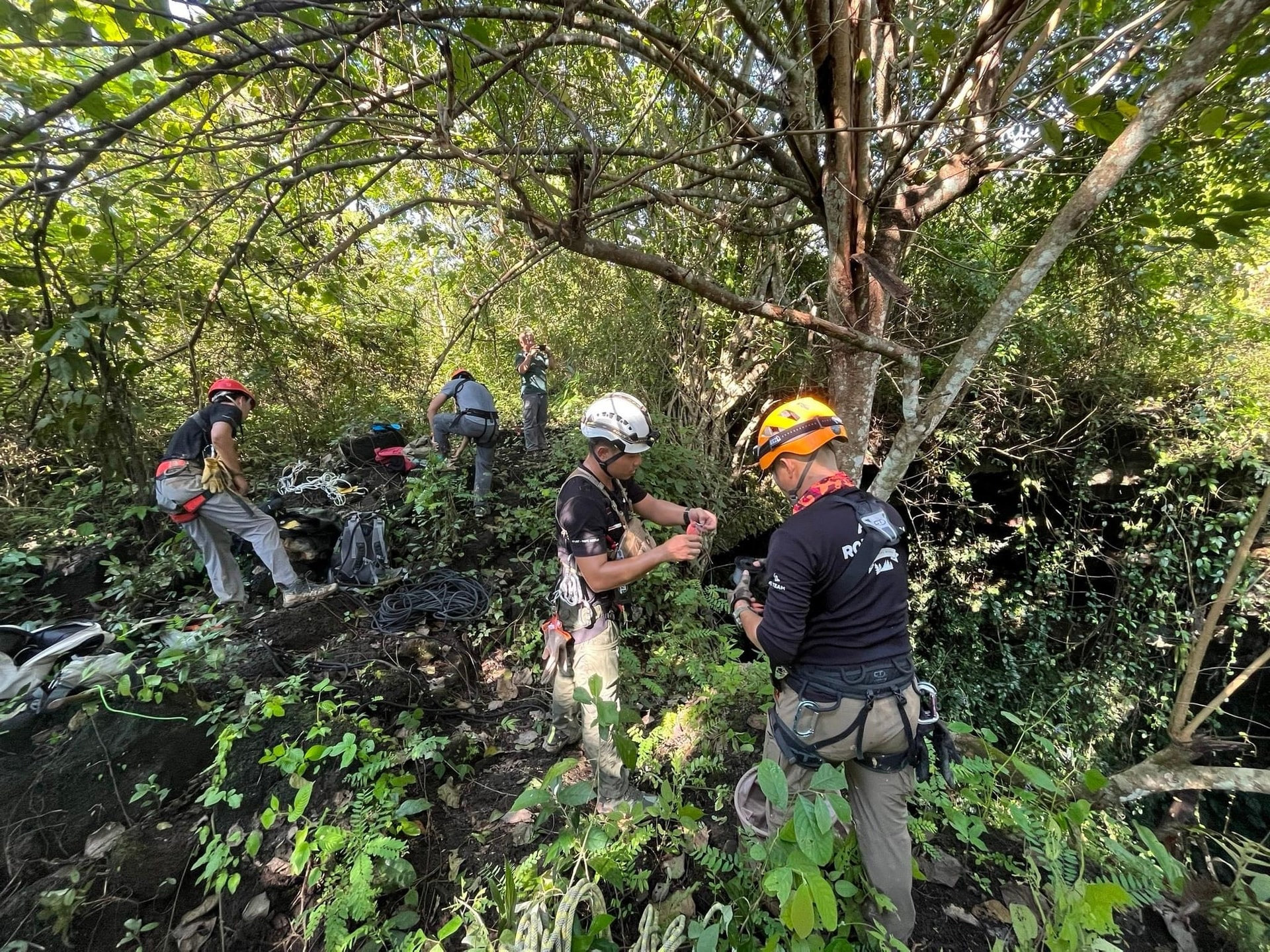
Covering more than 4,700 km², Dak Nong UNESCO Global Geopark is home to a wide range of geological, biological, and cultural heritages. Its highlight is the Krong No volcanic cave system, discovered in 2007 and recognized as the largest and most unique of its kind in Southeast Asia. Inside the caves, researchers have found scientific treasures and traces of prehistoric human habitation dating back 6,000–7,000 years.
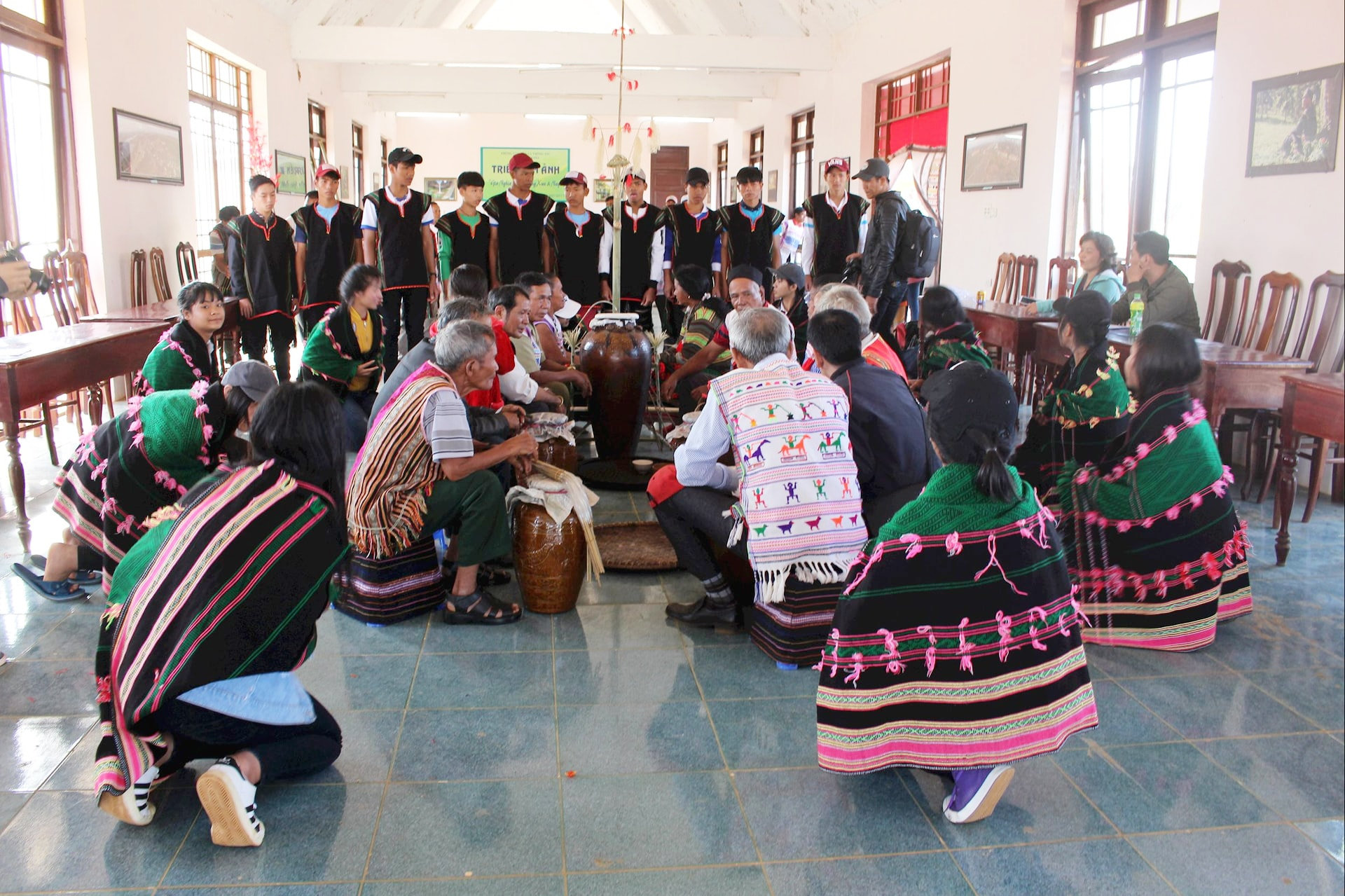
The geopark also boasts rich mineral resources and a vibrant cultural heritage, including the Gong culture of the Central Highlands, the Ot N’drong epics, as well as numerous national and provincial historical sites. Its biodiversity is further enriched by nature reserves such as Nam Nung, Ta Dung, Đ’ray Sáp, and part of Yok Đôn National Park.
Geotourism – distinctive and sustainable
Unlike mass tourism, geotourism focuses on discovery, learning, and education about nature, geology, and culture, thereby raising awareness of conservation among both locals and visitors. Each destination offers not only sightseeing but also a vivid “lesson” on Earth’s history and human adaptation.
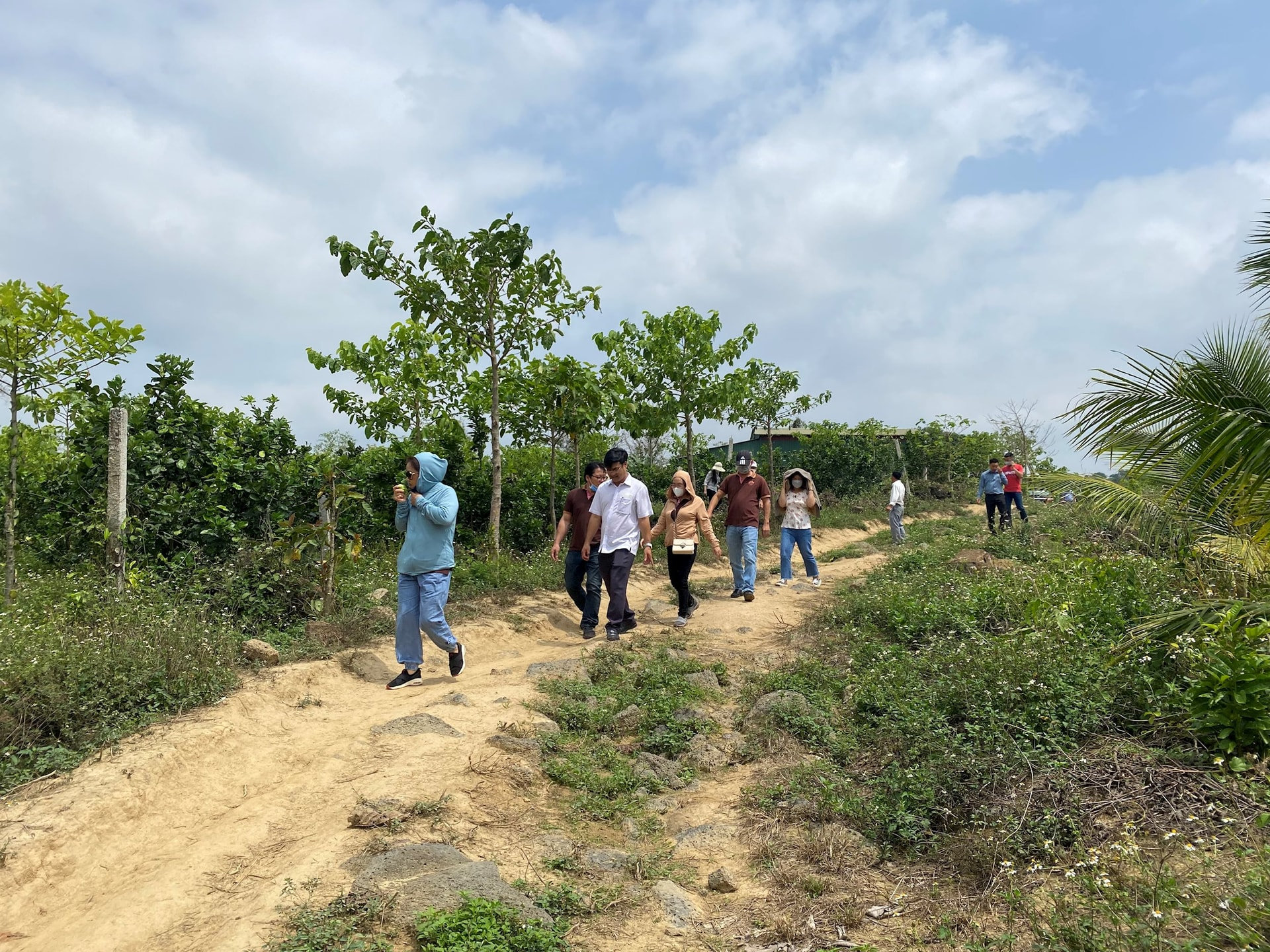
In recent years, Dak Nong has invested in infrastructure to link volcanic caves, waterfalls, and lakes with local villages. Community-based tourism has been encouraged to create livelihoods while safeguarding cultural identity.
A notable example is the Yok Nam Nung community tourism group in Nam Nung Commune, organized by local residents. Visitors here can enjoy gong performances, taste traditional dishes such as rice wine, bamboo-tube rice, and grilled meat, stay overnight in stilt houses, and immerse themselves in the daily rhythm of village life.
H’Thương, head of the Yok Nam Nung community tourism group, shared: “Community-based tourism not only generates jobs and income but also helps preserve our cultural traditions. Our members receive regular training to better serve visitors.”
A shared effort for long-term growth
According to the Dak Nong UNESCO Global Geopark Management Center, geotourism is a sustainable, educational form of tourism that directly benefits local communities and is essential to the geopark’s development in line with UNESCO standards.
For geotourism to become a sustainable path, Dak Nong needs to:
• Strictly protect and manage geological and cultural heritages.
• Train human resources knowledgeable about the geopark.
• Strengthen international promotion efforts.
• Raise awareness among local communities – the true “owners” of the heritage.
Currently, the province has established three tourism routes with 41 heritage sites. However, effective operation requires the joint efforts of local authorities, businesses, communities, and a unified management system.
Geotourism is not only an economic driver but also a key to preserving nature and culture – the foundation for Dak Nong’s sustainable future.