


“Green Notes” in Lam Dong Tourism
“Lam Dong - The Green Symphony” is shaped not only by tourism routes, natural landscapes and famous destinations but also by the rhythms of rural life. Gardens, farms, agricultural products and local people’s stories add their own distinctive notes. As visitors get closer to local production activities, agricultural products find new ways to reach the market, while farmers have more opportunities to create greater value from their own land.
Part 1: Letting Agricultural Products “Tell” Their Stories
In rural areas of Lam Dong, gardens and farms are becoming destinations where visitors can learn about local production and enjoy agricultural products right where they are grown and made. When farmers learn how to tell the stories behind their products and combine production with experiential tourism, their products gain additional market outlets and greater value.
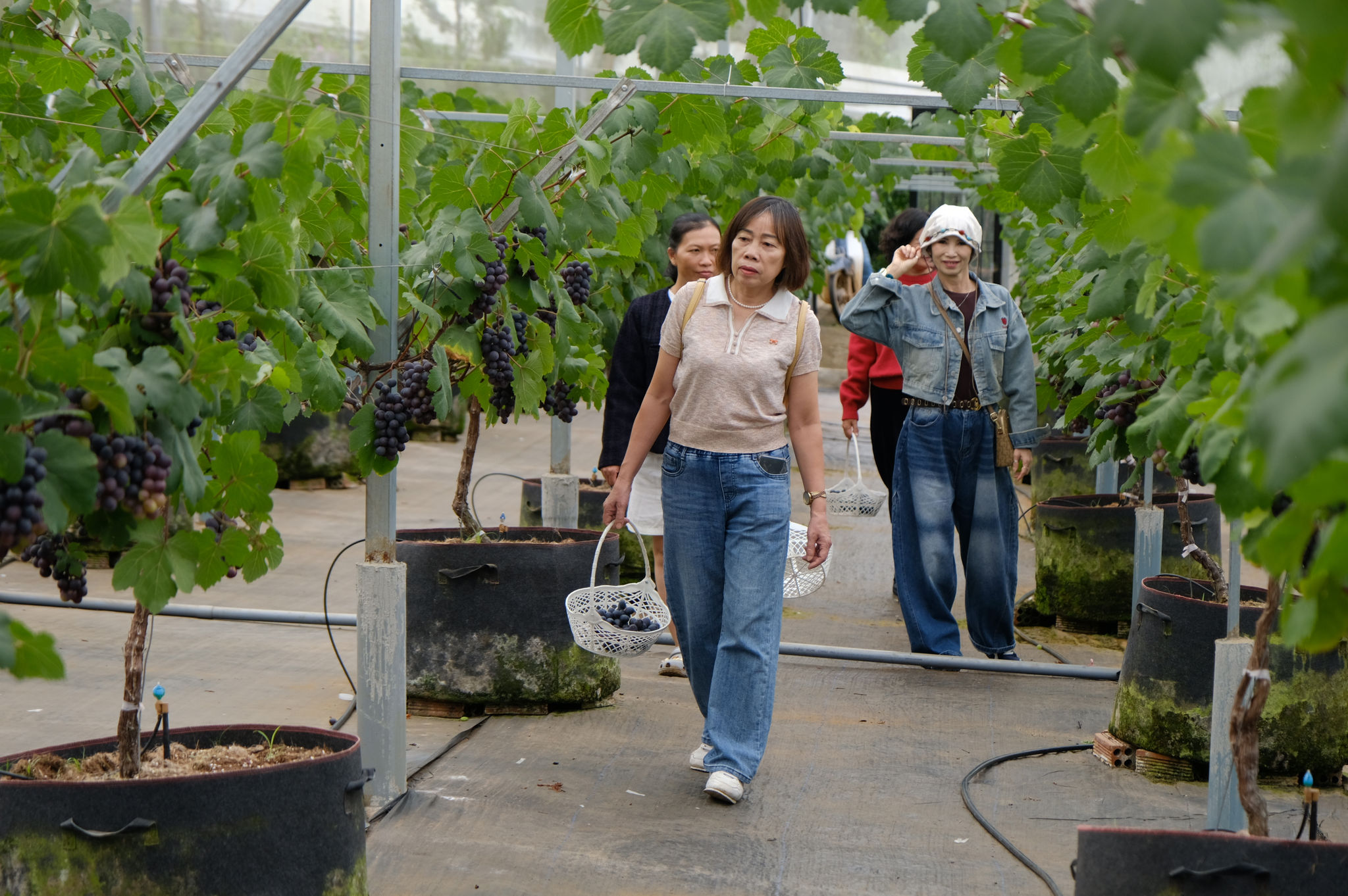
When Rural Villages Become Destinations in Lam Dong
Whenever the vineyard gets busy with visitors, workers at Bong Lai Farm swap their work clothes for neater outfits, ready to welcome visitors, guide them through grape picking and share stories about the growing season.
A few years ago, the idea of farmers working in their gardens while welcoming visitors was still quite new to Nguyen Huu Thanh, a farmer in Bong Lai Hamlet, Hiep Thanh Commune. In 2026, he marked 10 years of growing Black Queen grapes. For more than three years, he has taken on another job: learning how to create a better experience for visitors to his family vineyard.
Thanh said every grape that reaches a visitor’s hands is the result of an entire process, from selecting varieties and preparing the soil to building greenhouses and monitoring each stage of growth. But when he began engaging in tourism, he realized that the product had another value: the story behind how it is grown.
More than 4,000 square meters of greenhouses at Bong Lai Farm currently produce around 7 tons of grapes a year. The entire output is sold directly to visitors, at around VND 250,000 per kilogram, compared with only around VND 100,000–150,000 per kilogram previously.
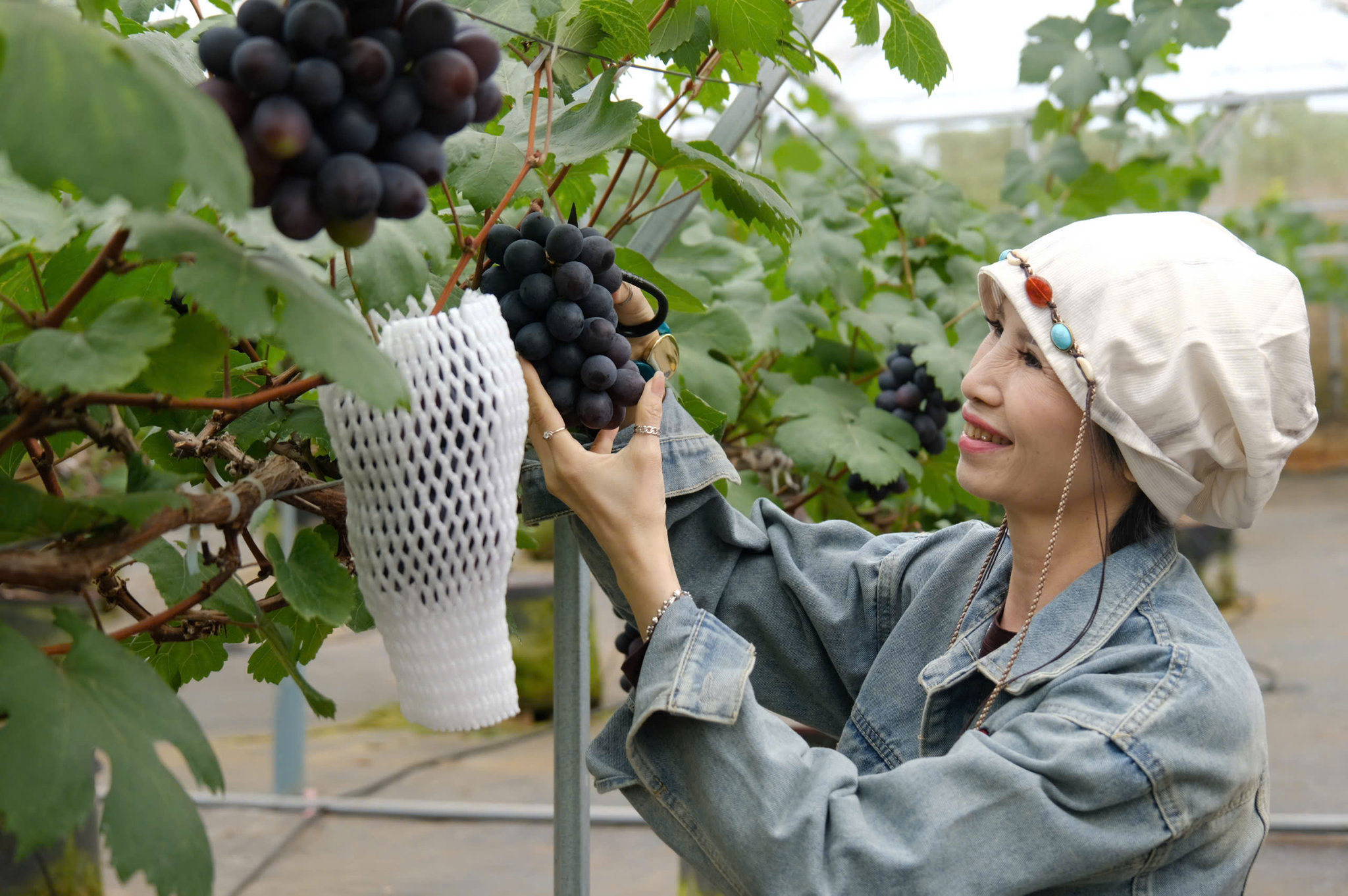
Compared with the early days, the vineyard has tripled in size. A small building that was once used to store agricultural supplies and serve as a place for workers to rest at noon has now been upgraded. Paths and landscaping have been improved, with more greenery added to make it more convenient to welcome visitors. Bong Lai Farm also provides regular employment for six local workers.
The changes are not limited to the garden. Workers have also had to learn a new job.
“At first, everyone was very awkward. Even smiling at visitors felt uncomfortable. But now all the workers can take the initiative and provide support when large groups arrive at the same time,” Thanh said.
The two sets of clothes have thus become a small detail reflecting a change in the way agriculture is practiced. Workers still tend the plants and harvest grapes, but when visitors arrive, they become guides who introduce the products and tell the story of the garden.
According to Nguyen Huu Thanh, visitors to Bong Lai Farm do not come merely to buy grapes. They also want to know how grapevines are grown, how farmers care for them and what a grape-growing season is like.
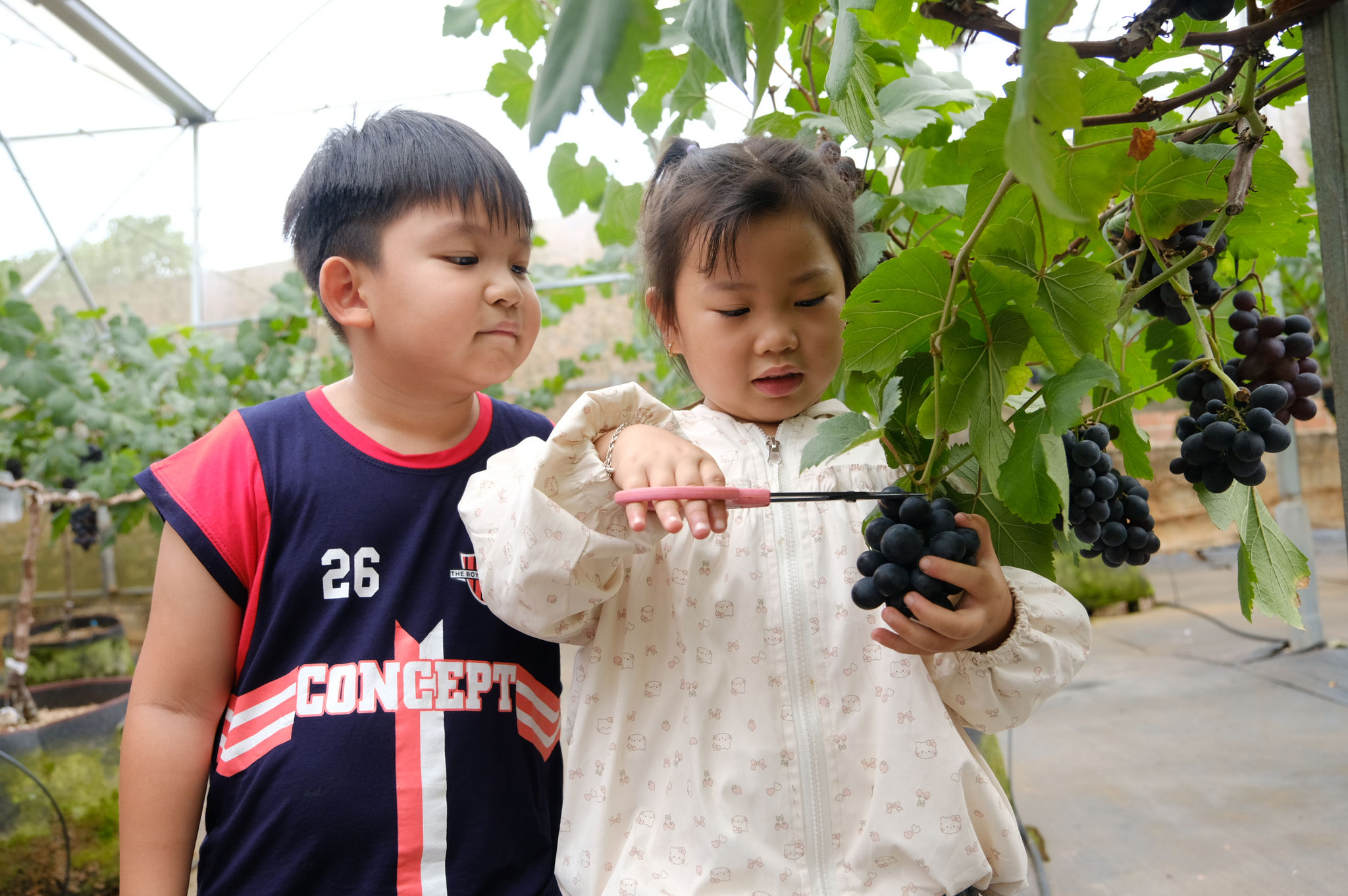
Around Bong Lai Farm, a number of eateries and other services have also begun to emerge. Groups of visitors from different localities, including international tourists, are coming to the garden.
“Rural areas do not need to transform into something else to welcome visitors. What matters is showing them what we already have,” Thanh said.
Not far from Bong Lai Farm, Avocado Farm in Quang Loi Hamlet, Quang Lap Commune, also started as an agricultural production garden. It is one of four agricultural tourism sites recognized by the Lam Dong Provincial People’s Committee.
From an avocado orchard that is decades old, Phan Thanh Nhan, founder of Avocado Farm, chose to combine accommodation and sightseeing and design experiential tours based on visitors’ needs.
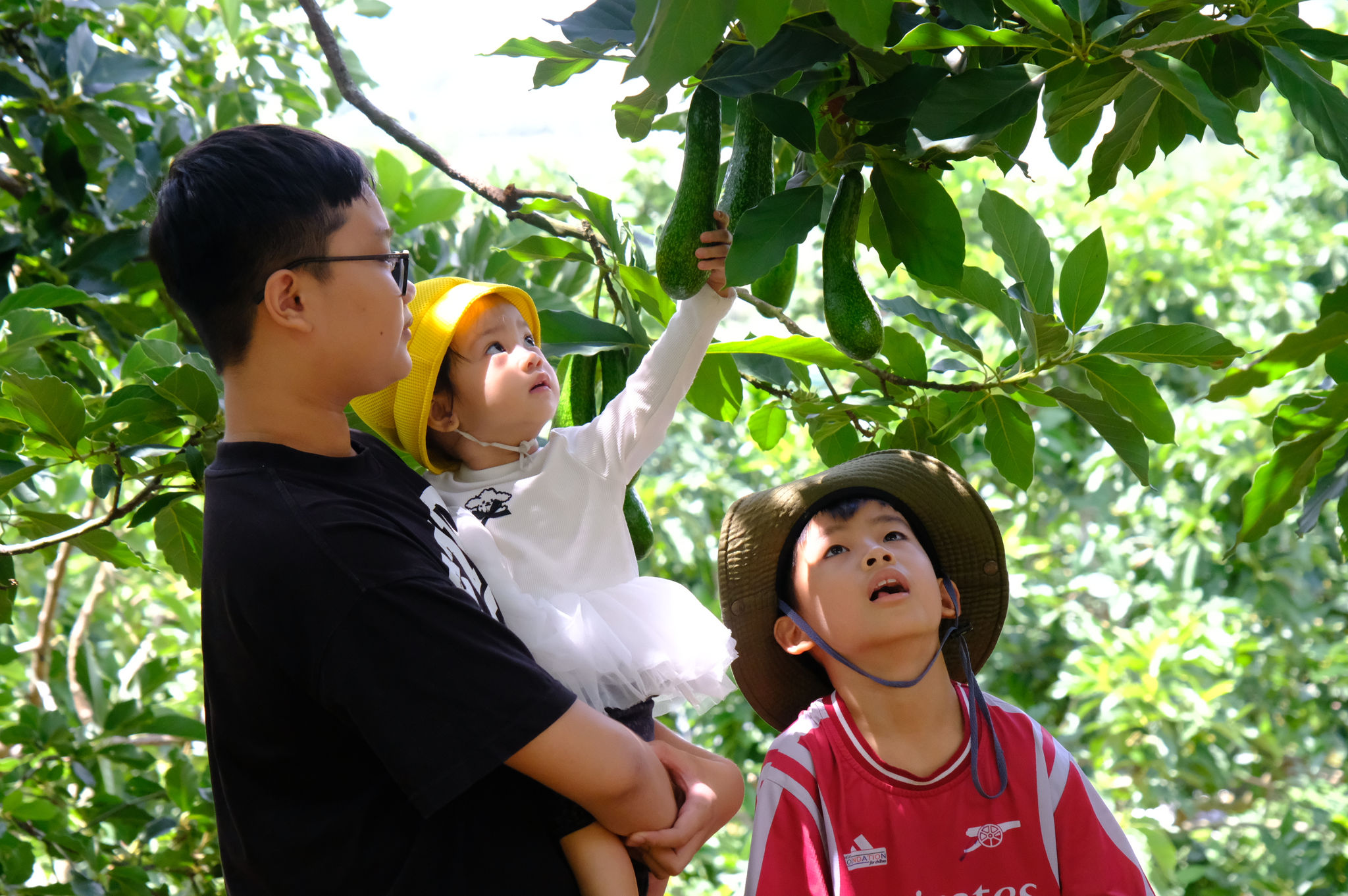
According to Nhan, what he wants to preserve first and foremost is the existing way of life in the countryside. Surrounding the farm are vegetable gardens and fruit orchards, along with the cultural values of the Churu people, including traditional crafts such as silver ring making, rustic pottery and weaving.
These products are incorporated into visitors’ journeys rather than being separated into individual destinations.
The farm is also gradually establishing links with local farming households to develop a chain of products and experiences.
“Those seemingly small-scale traditional crafts are actually important ‘pieces’ of the puzzle, helping create a distinctive tourism experience where visitors do not merely sightsee, but can also touch, listen to and experience the cultural depth of an entire community,” Nhan said.
From Gardens to Connected Stories
In Quang Lap, as more visitors begin to arrive, surrounding households are gaining more opportunities to introduce their products and production activities.
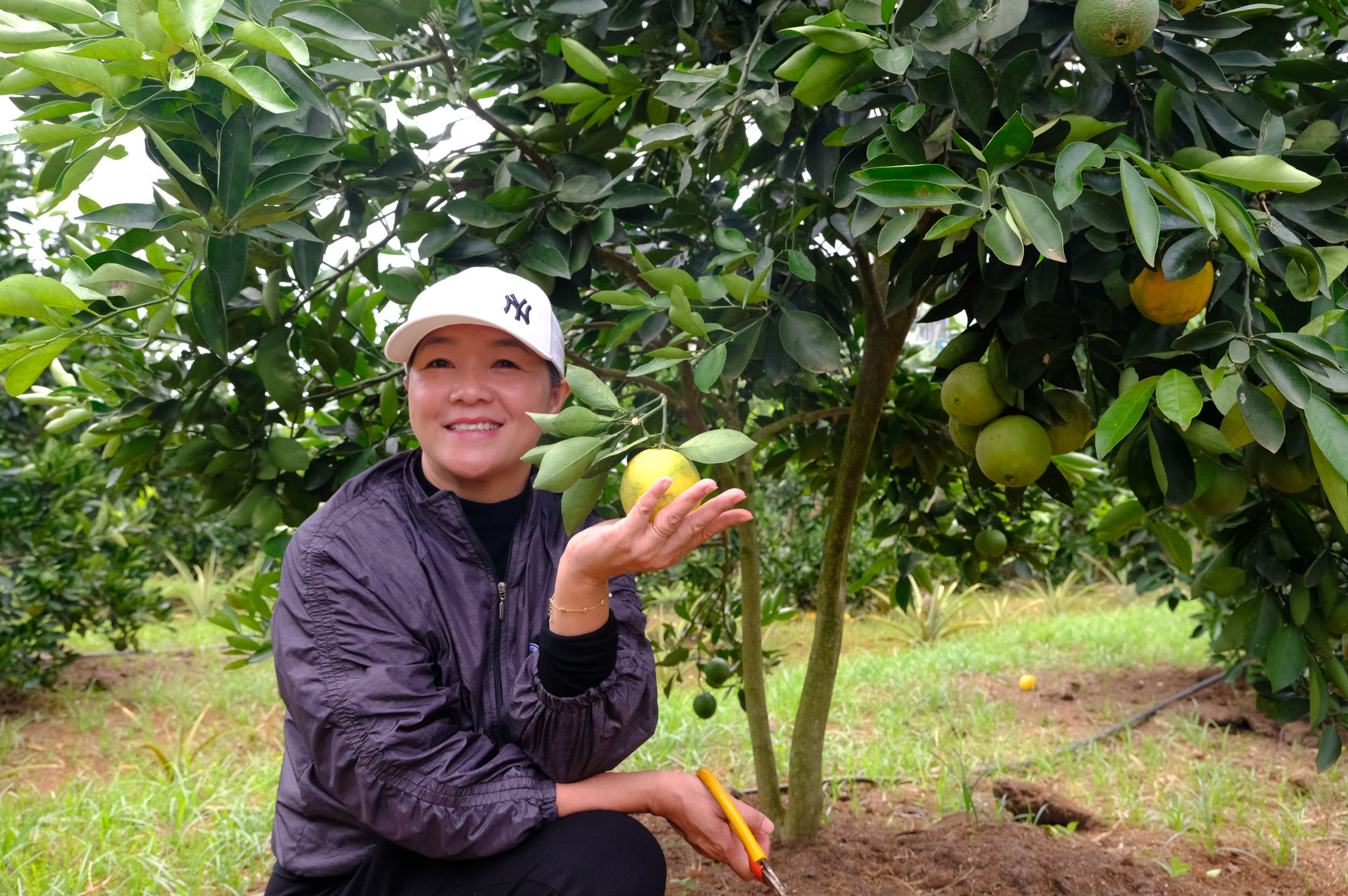
Minh Hieu’s dairy farm, also in Quang Loi Hamlet, previously focused mainly on livestock farming. As visitors began coming to see the farm, she started thinking more about introducing products right where they are produced.
She invested in a 3,000 square meter area planted with Cara Cara orange trees, both to add products to the farm and to create additional experiences for visitors. She also attended training courses on reception services and environmental protection organized by the tourism sector and received a certificate upon completing the course.
From simply selling products, Hieu is now considering processing dairy products further and developing additional experiential activities so visitors can better understand farmers’ work.
Alongside this, other production models are also beginning to be incorporated into experiential itineraries.
Pham Thi Thanh Tuyen, Director of the Don Duong Women’s Earthworm Cooperative, said some visitors staying at Avocado Farm had come to explore the cooperative’s earthworm farming and agricultural waste and by-product treatment model.
Here, things that might otherwise be discarded are returned to the production cycle. Agricultural by-products become food for earthworms, while the resulting vermicompost is then used to fertilize crops. For visitors, this provides a direct view of a circular process in agricultural production.
According to Nguyen Van Tu, Vice Chairman of the Quang Lap Commune People’s Committee, the locality has developed high-tech agriculture strongly in recent years while gradually tapping into its landscape, environment and rural way of life to develop experiential tourism.
The commune currently has five entities directly engaged in tourism operations, attracting more than 10,000 visitors annually.
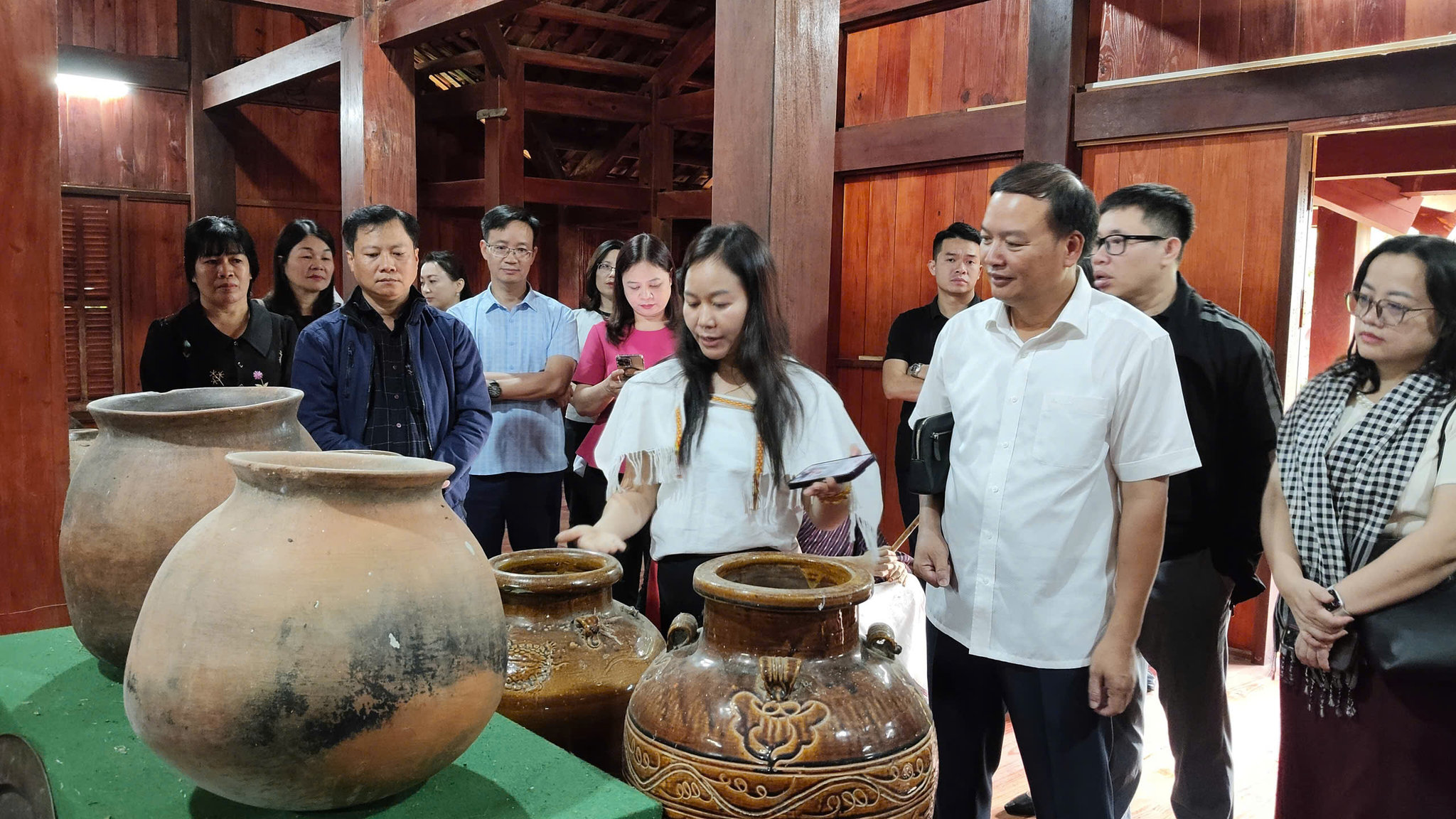
According to Tu, tourism development in the locality is linked to the preservation and promotion of the cultural values of indigenous ethnic communities.
Agricultural products, traditional crafts and rural landscapes, when appropriately connected, can give local people additional outlets for their products while providing visitors with more reasons to stay longer.
At first, I planted Cara Cara oranges for commercial purposes, but after word spread, customers from near and far started coming. They did not just want to visit; they wanted to pick and eat the oranges right in the garden. I think we can be bold in developing tourism to increase the value of the oranges.
Minh Hieu, owner of the Cara Cara orange garden in Quang Loi Hamlet
From gardens such as Bong Lai Farm and Avocado Farm, agricultural production is gaining a new way to approach the market.
A bunch of grapes sold directly at the vineyard, an orange introduced along with the story of its grower, or a by-product treatment model turned into a visitor experience—all these activities are connecting production with services and farmers with consumers.
In these rural areas, people continue to farm as their families have done for generations. The difference is that, alongside farming seasons, they are beginning to learn how to welcome visitors, tell stories and sell products through the stories of the land they call home.
(To be continued)