


“Green Notes” of Lam Dong TourismPart 2: Letting Tourism Touch Everyday Life
A symphony is not created by a single instrument. Tourism in Lam Dong is the same. From the highlands and vast forests to the coastal area, each region has its own products, landscapes, culture and stories. When these values are naturally incorporated into visitors’ journeys, local people have more opportunities to increase the value of their products and preserve what has long been part of their everyday lives.
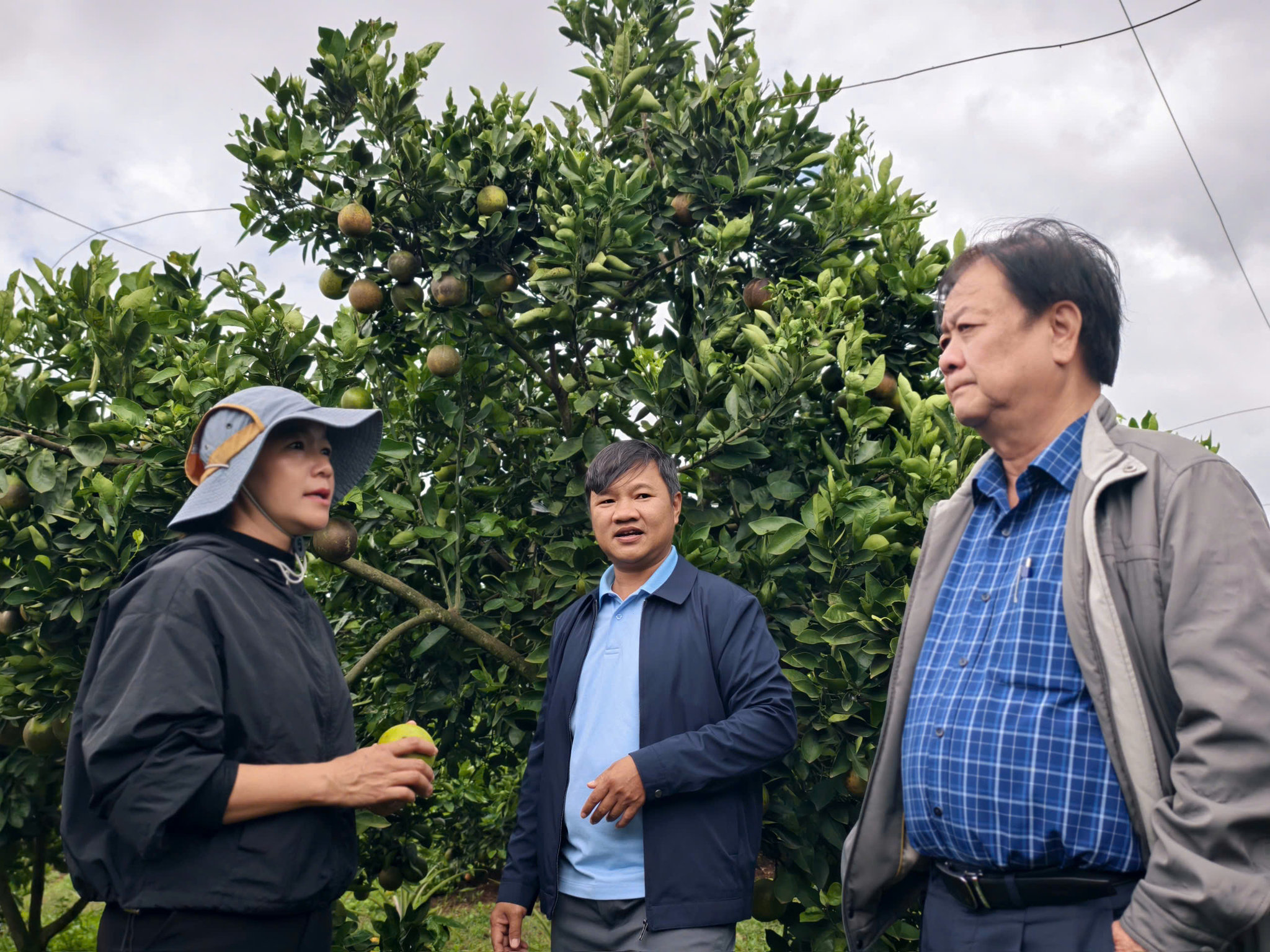
Don’t Turn Rural Areas into a Stage
That was the advice of Le Minh Hoan, former Vice Chairman of the National Assembly and former Minister of Agriculture and Rural Development (now the Ministry of Agriculture and Environment), during his visit to Lam Dong.
He posed a question to local authorities and relevant agencies: How can visitors stay longer, spend more, gain a deeper understanding of the land and, after returning home, still want to tell others the story of Lam Dong?
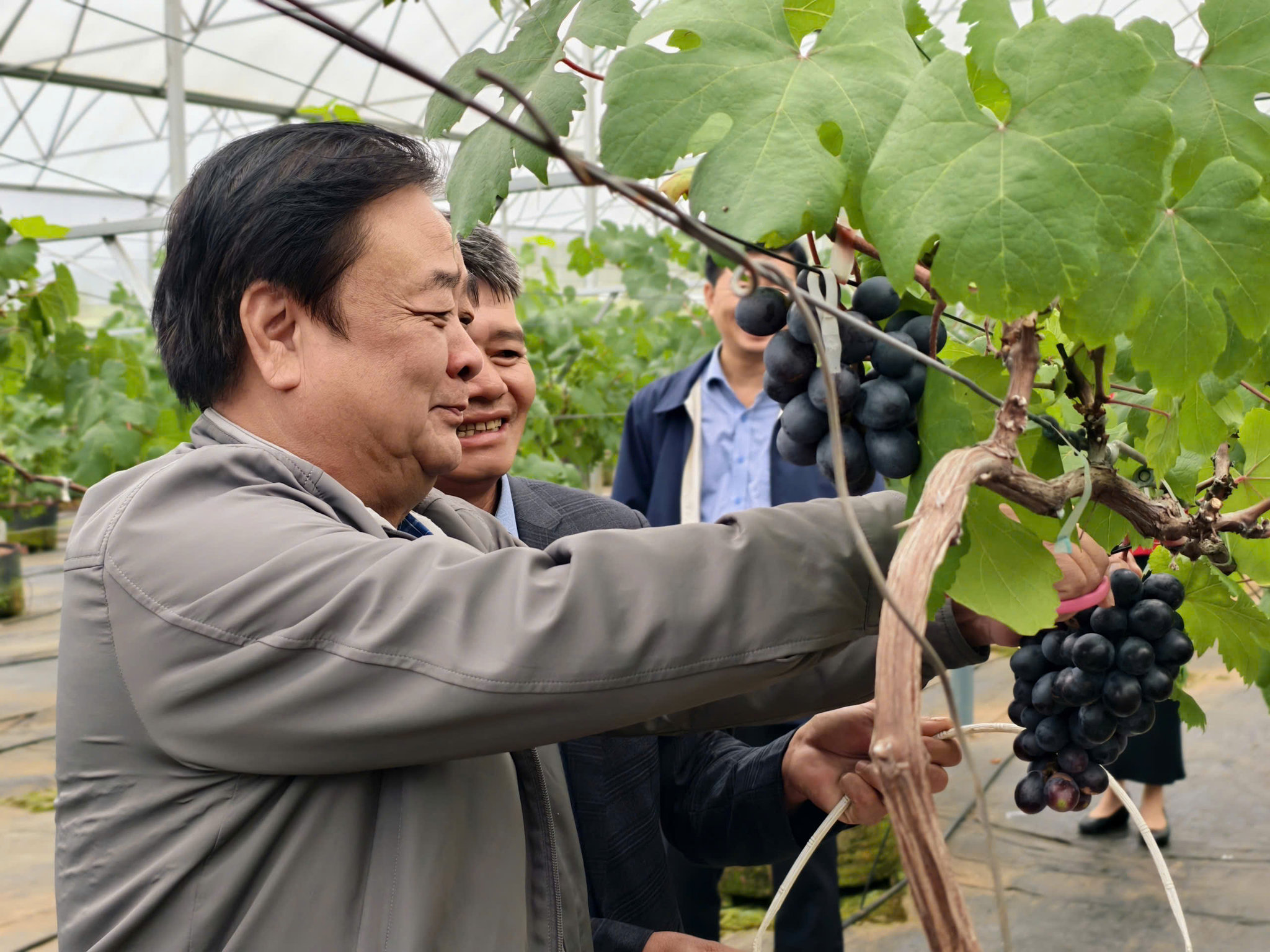
According to Le Minh Hoan, tourism needs to go deeper into everyday life. In many rural areas, agriculture is part of people’s daily work, but for visitors, it can become a valuable experience.
Therefore, instead of simply taking visitors to beautiful gardens, agricultural producers should think about the organization of production from the outset: beyond agricultural products, what experiences can the place offer?
That is the difference between “agricultural tourism” and “tourism-oriented agriculture,” where farmers do not simply sell agricultural products but also sell the stories and experiences associated with the process of producing them.
We should not create things that merely ‘look rural’ just to please visitors. We should not turn community culture into performances scheduled by the hour, nor turn farmers into actors in their own homes. Today’s visitors are increasingly seeking authenticity.
Le Minh Hoan, former Minister of Agriculture and Rural Development (now the Minister of Agriculture and Environment)
The province currently has hundreds of farms, cooperatives and craft villages that combine production with tourism. Four sites have been recognized as agricultural tourism products: Tam Trinh Coffee Experiences in Nam Ban Lam Ha Commune, Avocado Farm in Quang Lap Commune, Bong Lai Farm in Hiep Thanh Commune, and Le Phuc Persimmon Garden in Xuan Truong - Da Lat Ward.
During the first 8 months of 2026, Lam Dong welcomed 16.46 million visitors, up 18.98% year on year. Tourism revenue reached VND 45.5888 trillion, up 22.31%. The development of agricultural and rural tourism models has added new destinations and experiences, contributing to the overall performance of the province’s tourism sector.
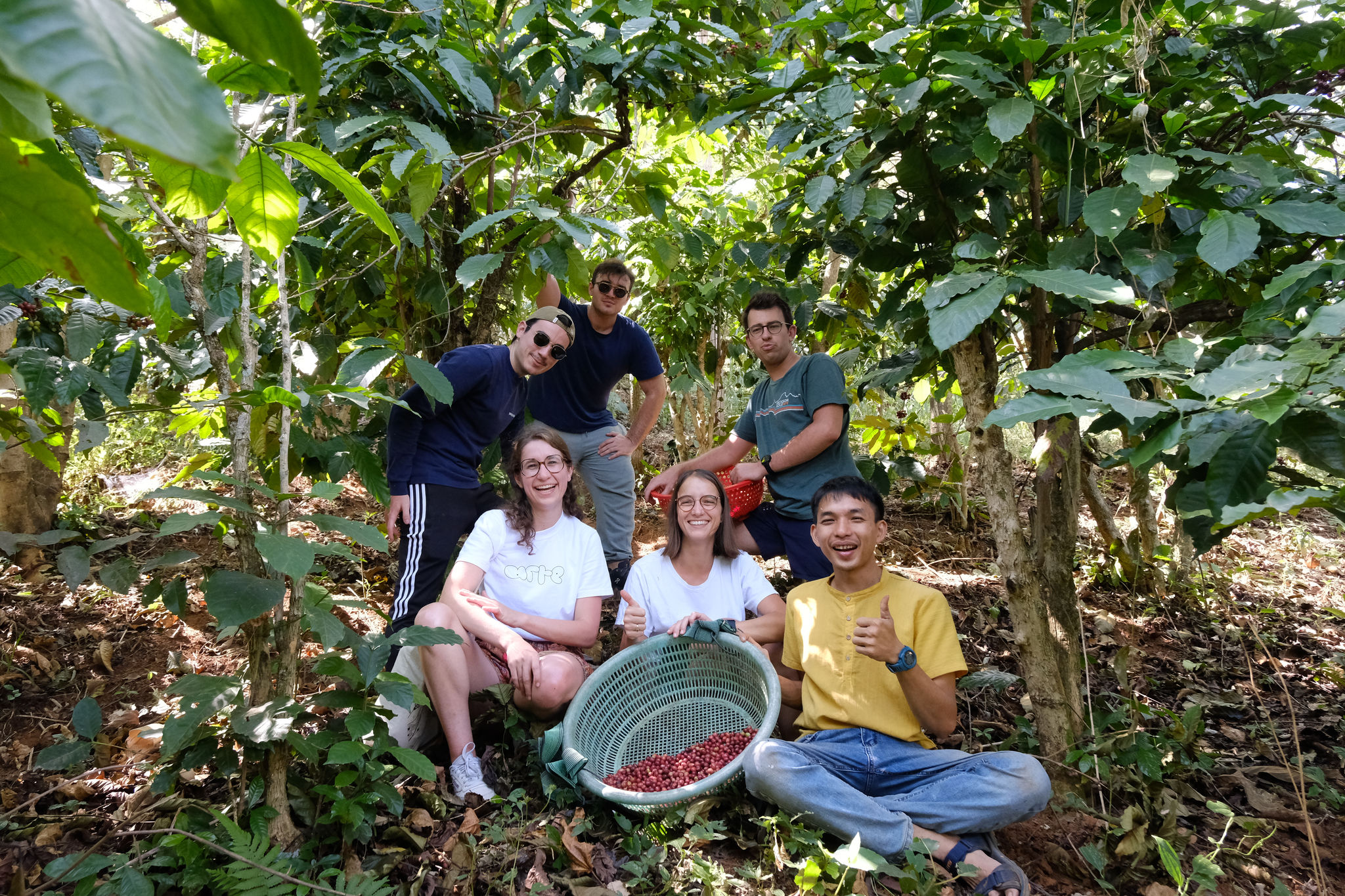
At Tam Trinh Coffee Experiences, Nguyen Thi Tam, director of the agricultural tourism site, does not create additional landscapes solely for visitors. Instead, she uses the coffee garden that is already in production to tell the story of coffee plants and farmers.
Paths and signboards are arranged so visitors can follow the journey from coffee plants to a cup of coffee. They can learn about cultivation and harvesting, roasting and grinding, and brewing, and take part in hands-on activities according to their interests.
“I think developing tourism is not about turning a garden into a place for welcoming visitors. It is about making the garden itself, the farmer and the way we produce agricultural products into a story for visitors,” Tam said.
Values That Remain
In Ta Nang Commune, Ha Thuy Dien, a Tay ethnic woman, moved from Ho Chi Minh City and has been running a homestay for 10 years. Located along the Ta Nang - Phan Dung trekking route, her family uses its own living space to accommodate visitors.
Vegetables from the garden, chickens from the coop and fish from the pond become ingredients for meals served to guests. The family’s everyday activities have also become part of the visitor experience.
Dien’s mother, a retired teacher, makes cakes with guests, tells stories and guides children in shaping animals from clay. The family also hires local people to guide visitors, cook and help out at the homestay.
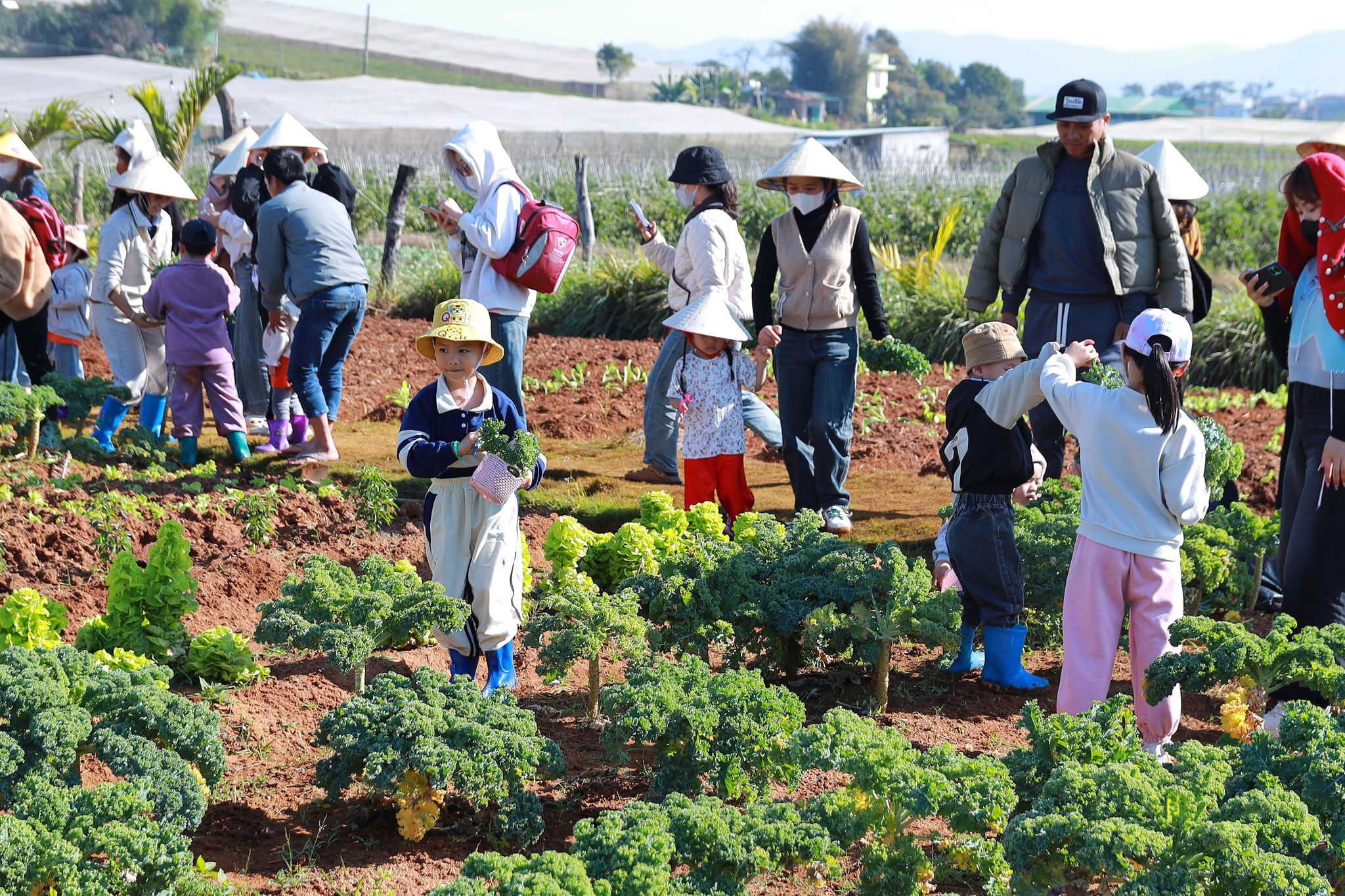
From simply providing accommodation, the family has begun selling products made from coffee and macadamia nuts. Visitors also buy dried bamboo shoots and other local specialties to take home.
Dien learned processing techniques to increase the value of agricultural products instead of selling them as raw produce, generating annual revenue of more than VND 1 billion.
“Tourism has changed the lives of my entire family. Agricultural products have gained an additional sales channel, local people have more jobs, and our once-peaceful rural community is now known to more visitors,” Dien said.
Dien said food and beverage services account for about 40% of the homestay’s revenue, while agricultural product sales account for around 30%. As guests usually stay for only one or two nights, these are important sources of income for the family.
For large groups, she hires one or two people from the village to cook and clean. Occasionally, she also asks local people to guide visitors in exploring the mountains and forests.
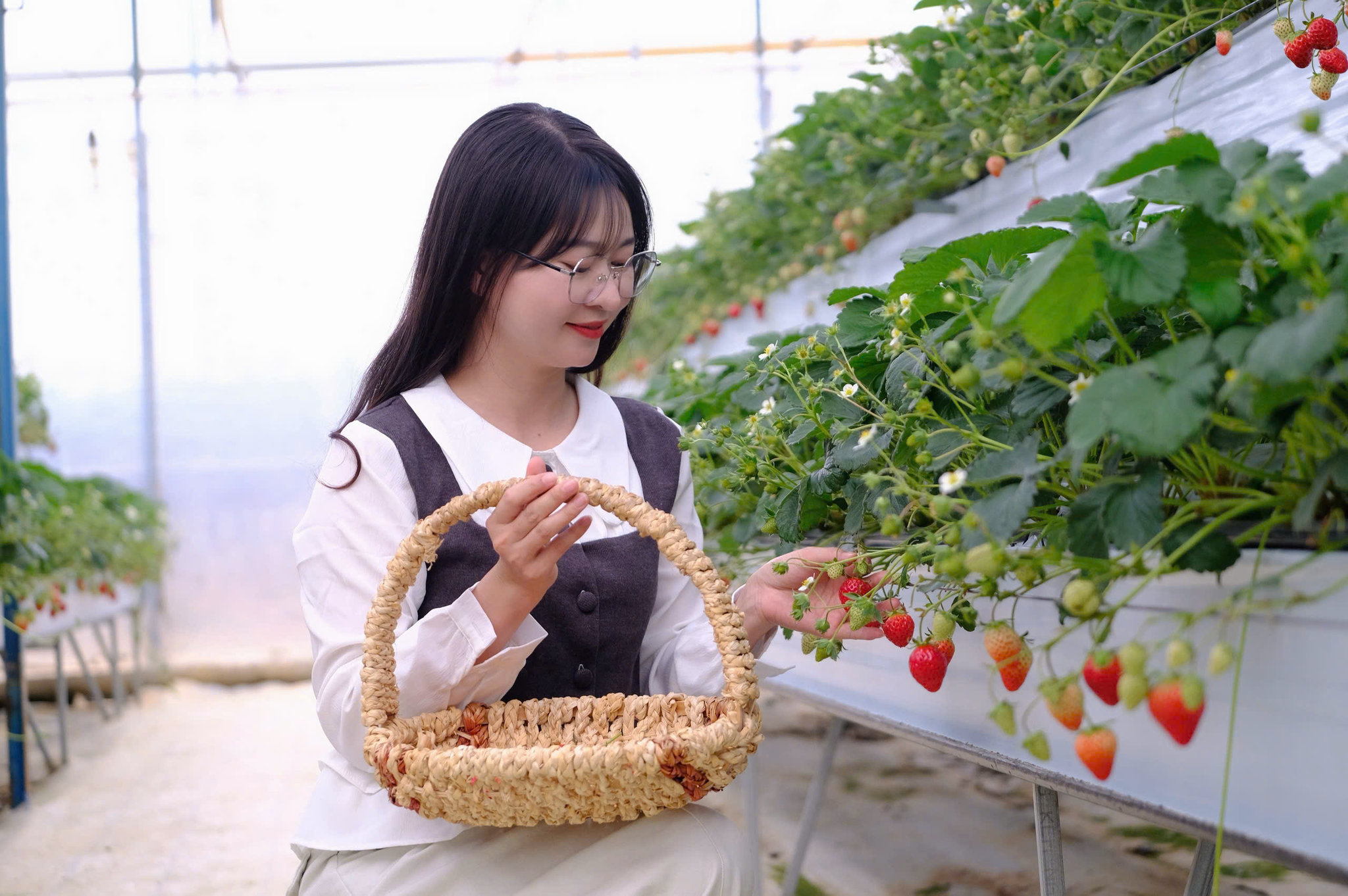
The story of Dien’s family shows how tourism can bring many aspects of rural life into visitors’ journeys. From vegetable gardens and local specialties to cake making, family stories and people’s daily work can all become sources of income.
Making Tourism Grow Alongside Local People
According to Nguyen Lan Ngoc, Deputy Director of the Department of Culture, Sports and Tourism, combining agriculture with tourism in recent years has helped open up additional markets for agricultural products and OCOP products, create jobs and increase local incomes.
Many traditional occupations and handicraft products have also gained more opportunities to reach visitors, thereby contributing to the preservation and promotion of the cultural values of the K’Ho, Churu, Ma, M’nong, Cham and other communities.
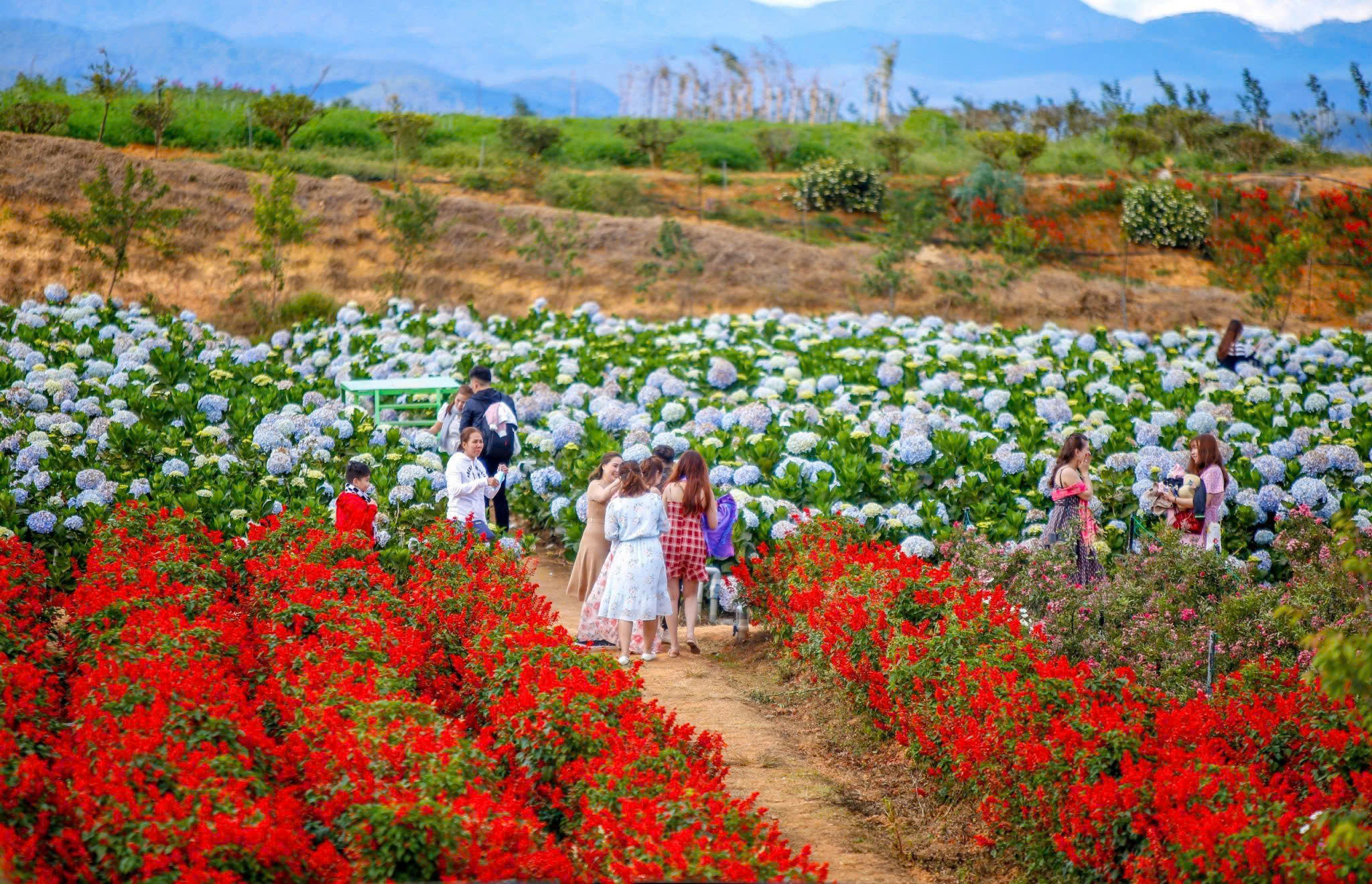
To date, the province has 33 agricultural and rural tourism models and is piloting six models of rural development associated with different types of tourism.
These models have attracted visitors and created jobs for nearly 1,000 local workers. Since 2018, they have welcomed nearly 6 million visitors and generated total revenue of nearly VND 250 billion, contributing around VND 25 billion to the state budget.
Through tourism, farm owners, farming households and businesses have gained greater motivation to improve services, invest in technology and promote their products.
The important point is that these values do not stop at selling products to visitors. When traditional occupations have people learning and practicing them and their products are put to use; when agricultural products are processed and introduced right where they are produced, local people gain additional income from what they already have.
This is also a way to ensure that the values of rural communities continue to be maintained.
Vice Chairman of the Provincial People’s Committee Dinh Van Tuan has repeatedly called on departments, sectors, localities and the business community to strengthen coordination, develop new products, and focus on agricultural tourism and distinctive local products.
With its coastal areas, highlands and vast forests, along with a diverse agricultural sector, Lam Dong still has considerable potential to develop this type of tourism.
But for tourism to truly become part of everyday life, local people must be the protagonists of the stories being told.
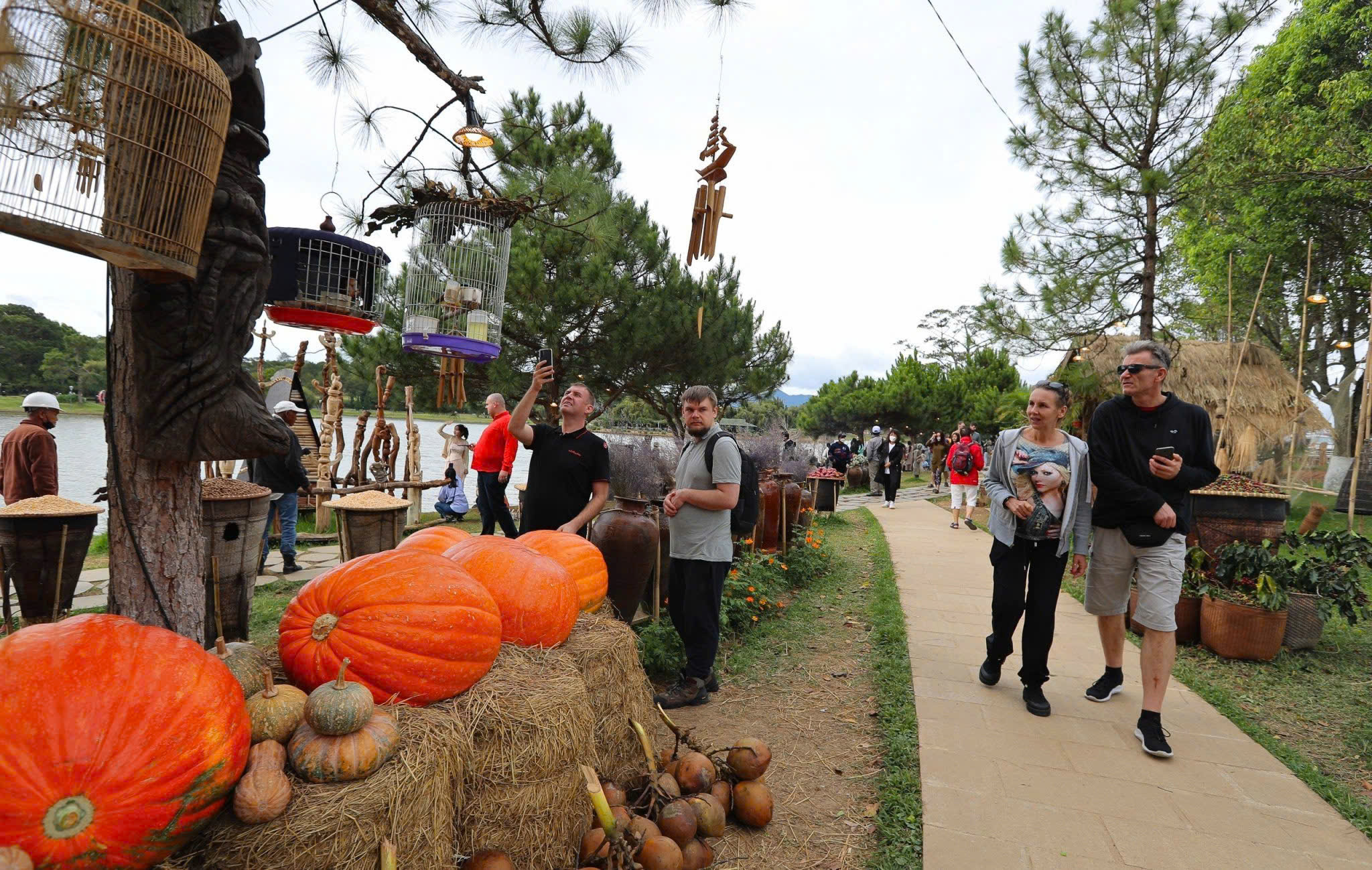
Farmers continue doing their work while learning how to introduce their products; young people gain more opportunities in their hometowns; traditional crafts continue to be passed down; and visitors experience authentic everyday life rather than a space created solely for check-ins.
When that happens, tourism becomes connected with agriculture and everyday life, turning what local people already have into value that can welcome visitors, generate income and continue to be preserved.
In line with its tourism development orientation, Lam Dong will continue diversifying tourism products, expanding tours and routes, promoting the distinctive features of each region, and linking tourism with agriculture, craft villages, indigenous culture and community life.