


Green Value Chain Reshapes Lam Dong Agriculture
A greenhouse gas inventory helps businesses in Lam Dong identify emission sources and develop reduction plans. Beyond regulatory compliance, it can also help companies review resource and energy use, identify opportunities for savings and make better investment decisions.
Cooperatives coordinate green production areas
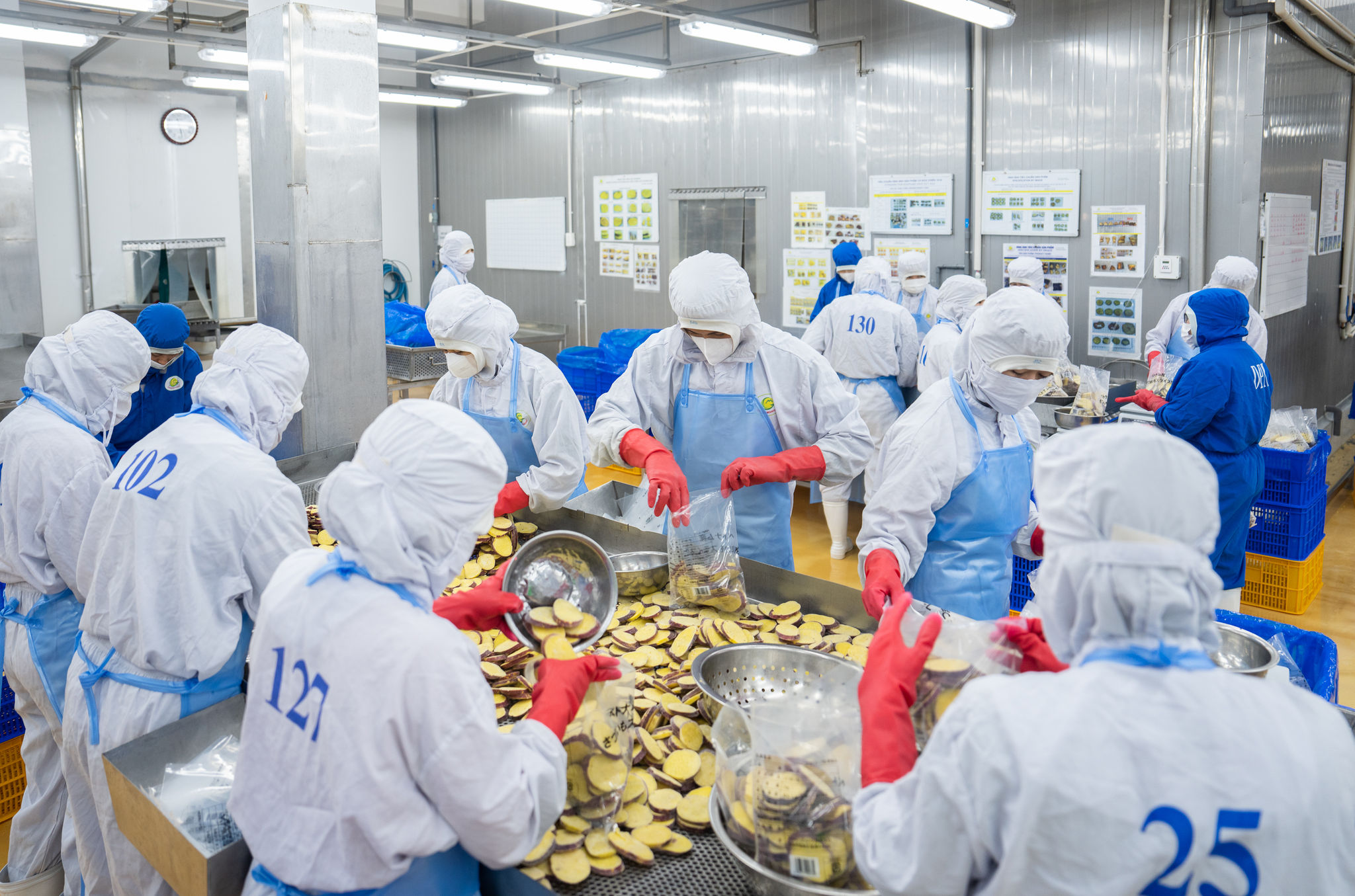
After seven years of operation, Vuon Nha Da Lat Cooperative has concluded that individual farmers who produce independently and seek their own markets face considerable difficulties in accessing complete market information, fulfilling demanding orders and maintaining consistent quality, food safety, traceability, packaging specifications and reliable supply.
As a result, the cooperative does more than purchase products and look for buyers. Its more important role is to reorganize production in response to market signals.
The cooperative works with member households to agree on product types, quality requirements, quantities and delivery schedules. It also coordinates guidance on cultivation, harvesting, preliminary processing, grading and packaging to achieve greater consistency in the products supplied to the market.
“To build a sustainable value chain, the cooperative needs to strengthen the coordination of production areas through cooperation, common standards and information sharing with its members. It must take the initiative in organizing production rather than waiting for an order before looking for products to purchase,” says Luong Thi Yen Van, Director of Vuon Nha Da Lat Cooperative.
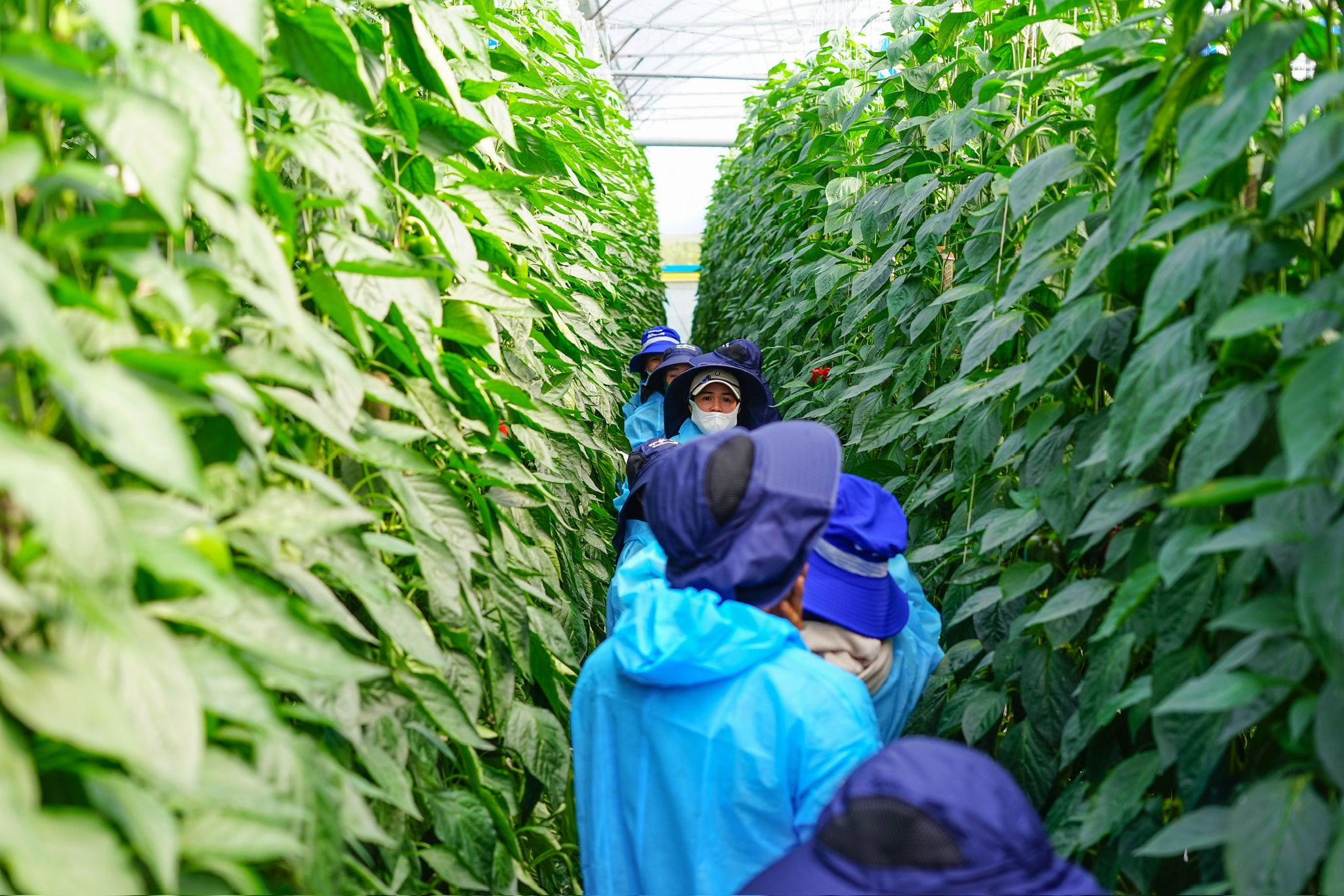
Experience shows that an effective production and distribution chain cannot rely solely on sales contracts. It must be reorganized from the production structure upward.
Businesses play the role of market leaders, bringing market requirements, quality standards and added-value expectations to the production chain. Cooperatives act as coordinators of production areas, organizing production, controlling quality and bringing farmers together. Farmers remain the direct producers of agricultural goods.
This requires cooperatives to move beyond simply “gathering members” toward actively “organizing production areas.”
The value of a cooperative is therefore not measured only by its membership or the number of support programs it receives. More importantly, it lies in its ability to transform individual farms into an organized production area with consistent quality and a close connection to market demand.
This is also the foundation for improving agricultural value chains and increasing the value of farm products.
Businesses help green the distribution chain
Lam Dong currently has eight cooperative alliances, 959 agricultural cooperatives and 1,290 agricultural cooperative groups.
Among them, 192 cooperatives serve as lead organizations for 428 agricultural production and sales chains, involving 47,590 farming households across a combined area of 85,000 hectares and corresponding to annual output of about 20,000 tons.
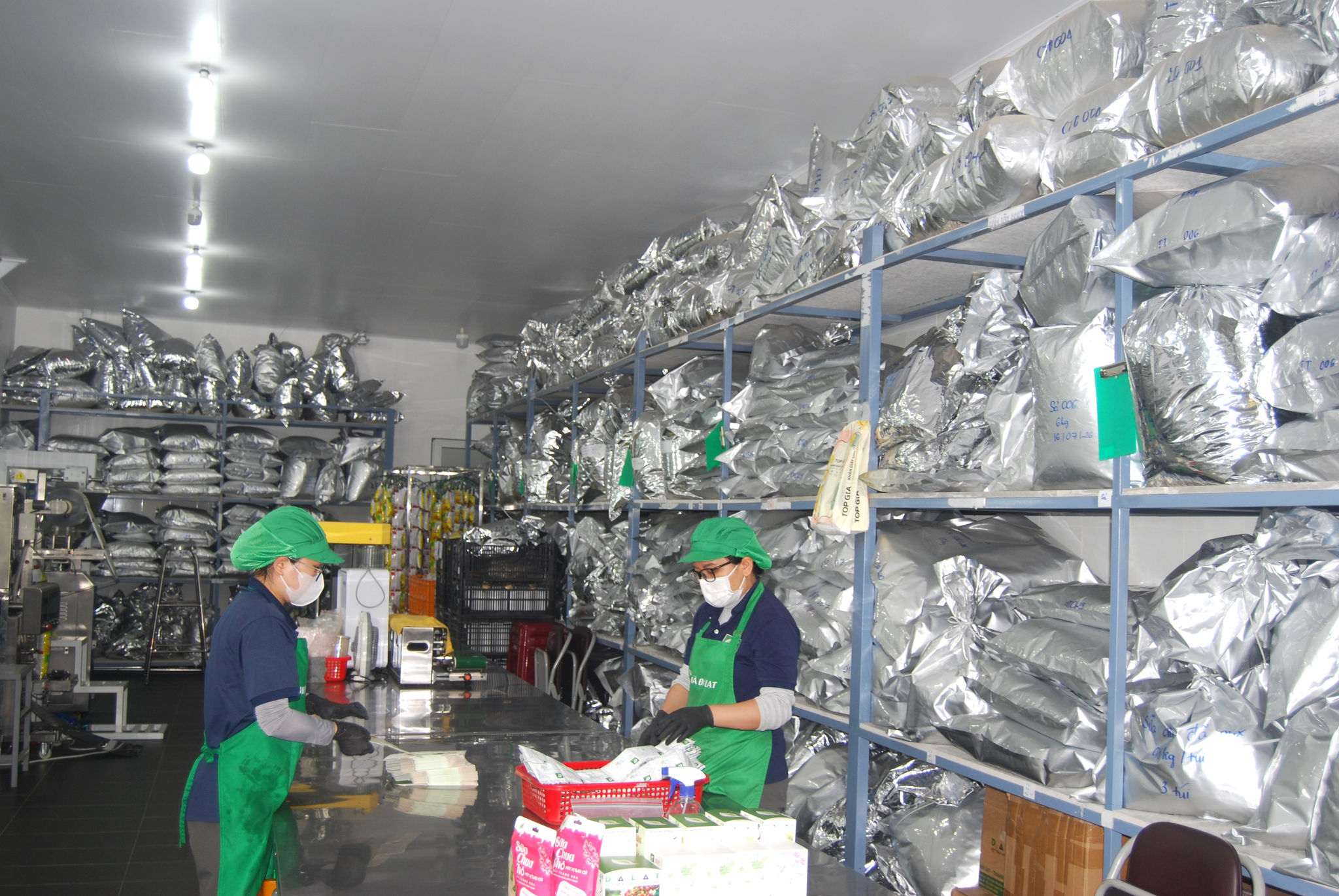
Results from individual value chains show that cooperatives are increasingly serving as organizational hubs, bringing member households together to follow common production processes.
Businesses, meanwhile, bring requirements for green production, product quality, branding and added value to the market.
According to the provincial Cooperative Alliance, the goal for the coming period is for at least 50% of effectively operating agricultural cooperatives to establish stable value-chain partnerships with businesses and farmers.
The province also plans to select and develop model cooperatives, leading cooperatives and cooperative alliances organized around specific agricultural sectors for wider replication.
Achieving these goals will require coordinated investment in production-area infrastructure, logistics, cold storage, preliminary processing and processing facilities. Support is also needed for digital transformation, traceability, trade promotion and brand development.
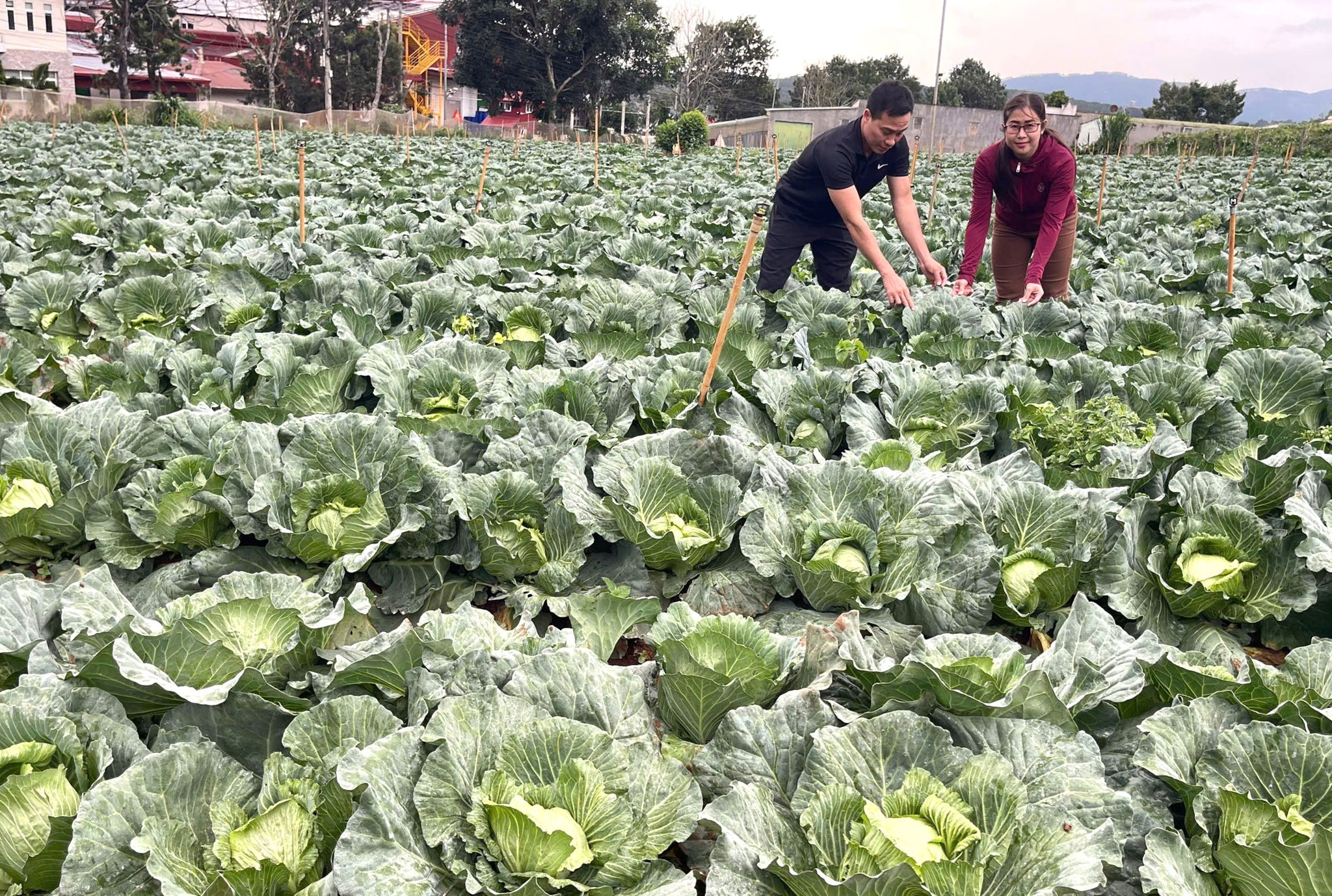
For the Cooperative Alliance, the focus also needs to shift from communication and mobilization toward management consulting and connecting cooperatives with capital, businesses and markets.
Businesses need to take the initiative in signing stable purchase contracts and investing in deeper processing.
Cooperatives need to further strengthen management capacity, transparency and production organization.
Farm households, meanwhile, need to follow production processes and maintain quality standards to help green the linked production chain and build long-term, sustainable partnerships.
Greening the chain from farm to market
Nguyen Van Muoi, Deputy Secretary-General of the Vietnam Fruit and Vegetable Association, says that when links are established consistently from farming households to cooperatives, businesses, preliminary processing and processing facilities, and ultimately the market, the value chain becomes more transparent.
Greening the agricultural value chain, therefore, is not simply a matter of changing practices in the field. It also requires innovation in how production, processing, distribution and partnerships are organized and managed.
For Lam Dong, this approach provides a framework for connecting its agricultural production base with increasingly demanding markets.
A value chain built around shared standards, reliable data, traceability, efficient logistics and market-oriented production can create stronger links between farmers and buyers while supporting higher-value agricultural products.
The broader challenge is to ensure that “green” becomes a characteristic of the entire chain rather than a label attached only to production at farm level.
With stronger coordination among farmers, cooperatives and businesses, Lam Dong's agricultural sector can gradually build value chains that are more transparent, efficient and responsive to market demand.
Lam Dong currently has eight cooperative alliances, 959 agricultural cooperatives and 1,290 agricultural cooperative groups. Among them, 192 cooperatives serve as lead organizations for 428 agricultural production and sales chains, involving 47,590 farming households across a combined area of 85,000 hectares and generating an annual output of about 20,000 tons.