


Greening the country’s largest ecological region
With the largest natural land area in Vietnam — spanning three distinct ecological zones of highlands, forests, and coastal waters — Lam Dong Province is positioning itself for breakthrough progress in a comprehensive and sustainable green transition.
A Green Landscape That Keeps Visitors Coming Back
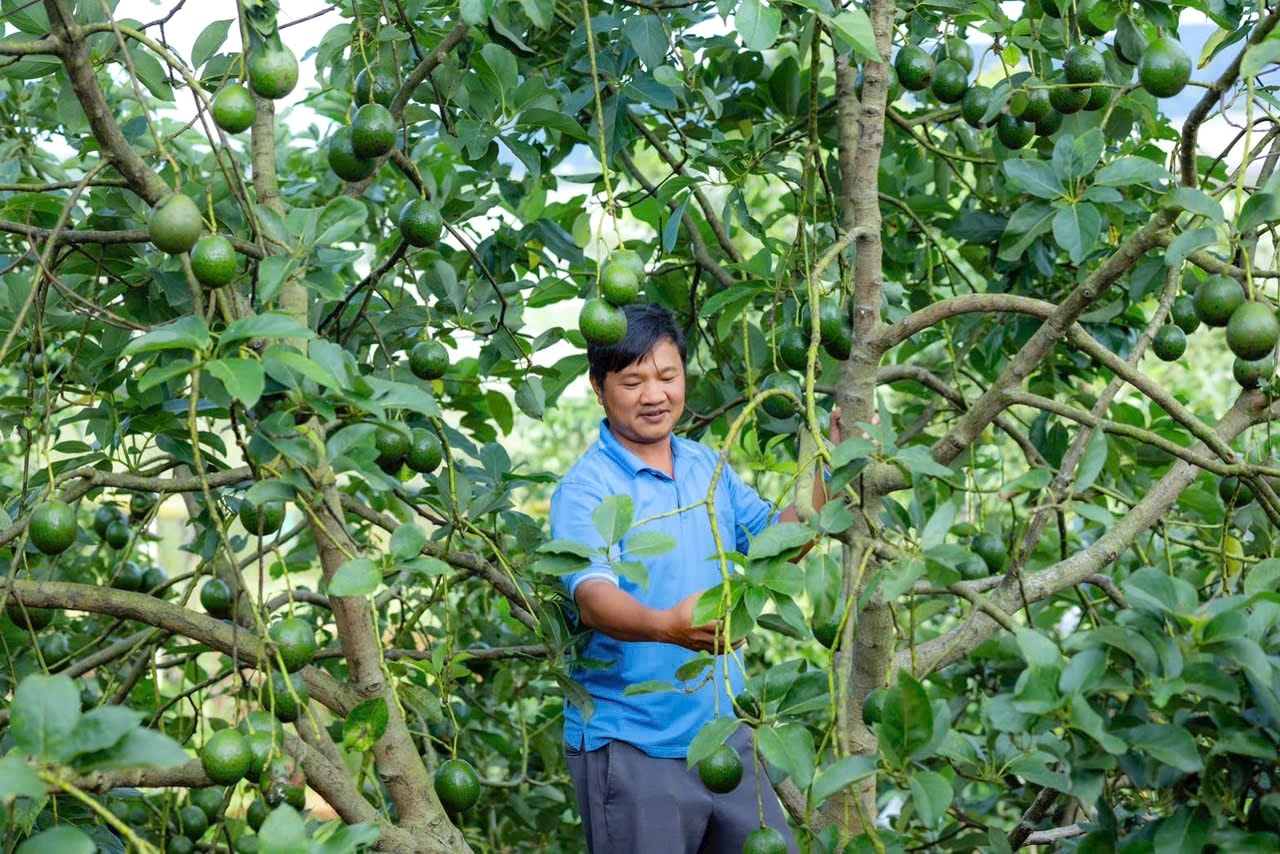
Avocado Farm in Quang Lap Commune continues to attract a surge of domestic and international visitors during the 2026 New Year holiday. The primary attraction lies in the large-scale green-transition initiatives across nearly 11,430 hectares of vegetable and flower production throughout the “Flower Highlands” — including Quang Lap, Don Duong, D’ran, and Ka Do.
Recognized as an agritourism destination since early 2024, Avocado Farm serves as a gateway to rural tourism in northern Lam Dong, where roughly 16,600 hectares of vegetables and flowers are currently undergoing “greening.”
According to farm owner Phan Thanh Nhan, 2026 marks the seventh year of implementing a green agritourism model on a 25,000-square-meter site. Transitioning from aging, low-yield coffee to environmentally responsible production aligned with VietGAP and OCOP standards, the farm now offers a year-round green landscape of fruit trees, vegetables, and flowers in a temperate climate.
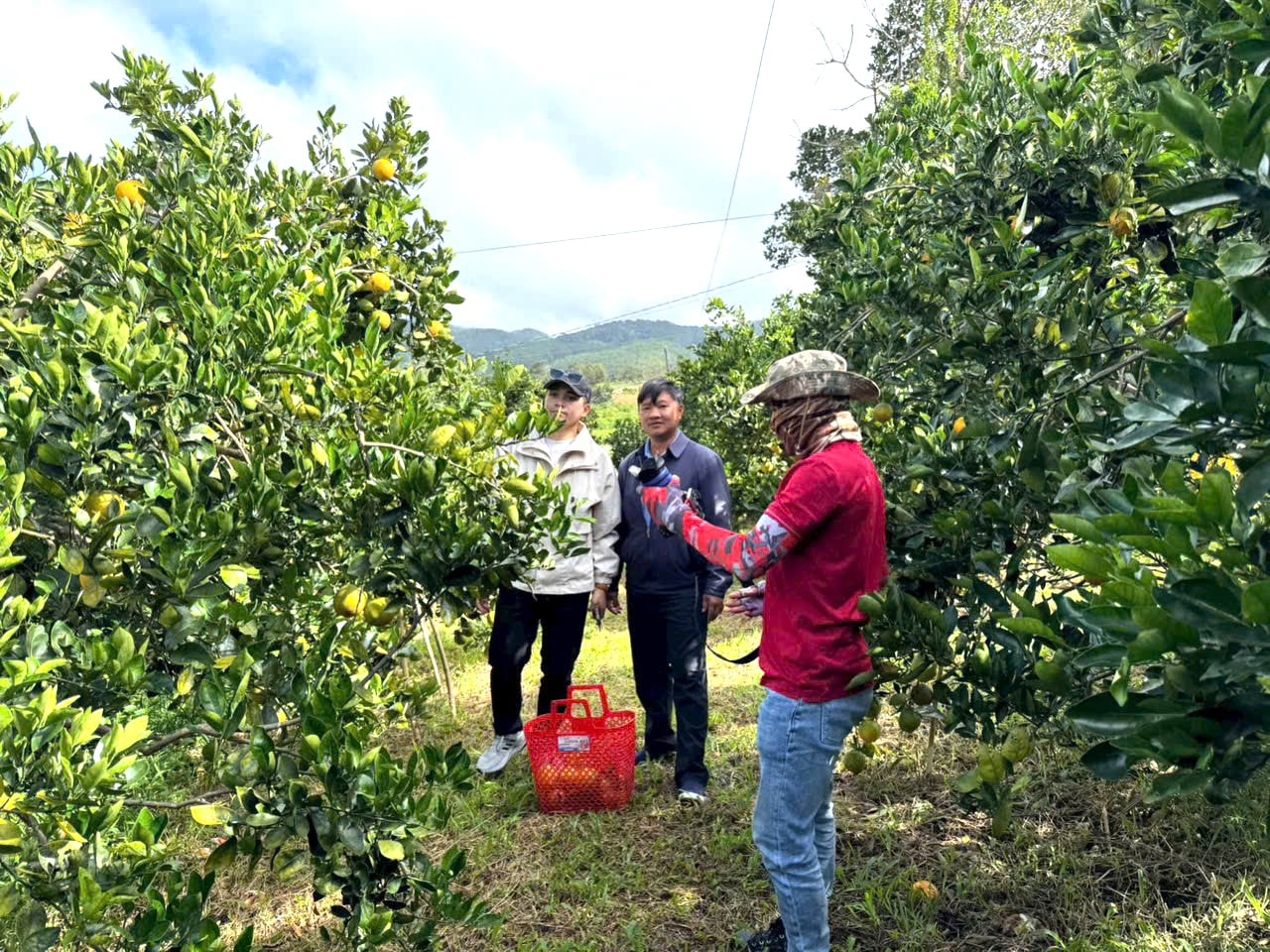
After more than two years of conversion, a 4,000-square-meter Japanese black grape vineyard in Hiep Thanh Commune has become a highlight within Avocado Farm’s green value chain. To meet rising domestic and international demand, the vineyard will expand by an additional 2,000 square meters beginning in 2026.
Organic fields in Lang Biang Ward also demonstrate the success of green transformation at altitudes of 1,500 meters. Farmer Nguyen Thanh Hai applies circular farming techniques across more than 15,000 square meters of terraced land, recycling on-site biomass into nutrients to maintain year-round organic production — with demand consistently exceeding supply.
Enhancing National Competitiveness
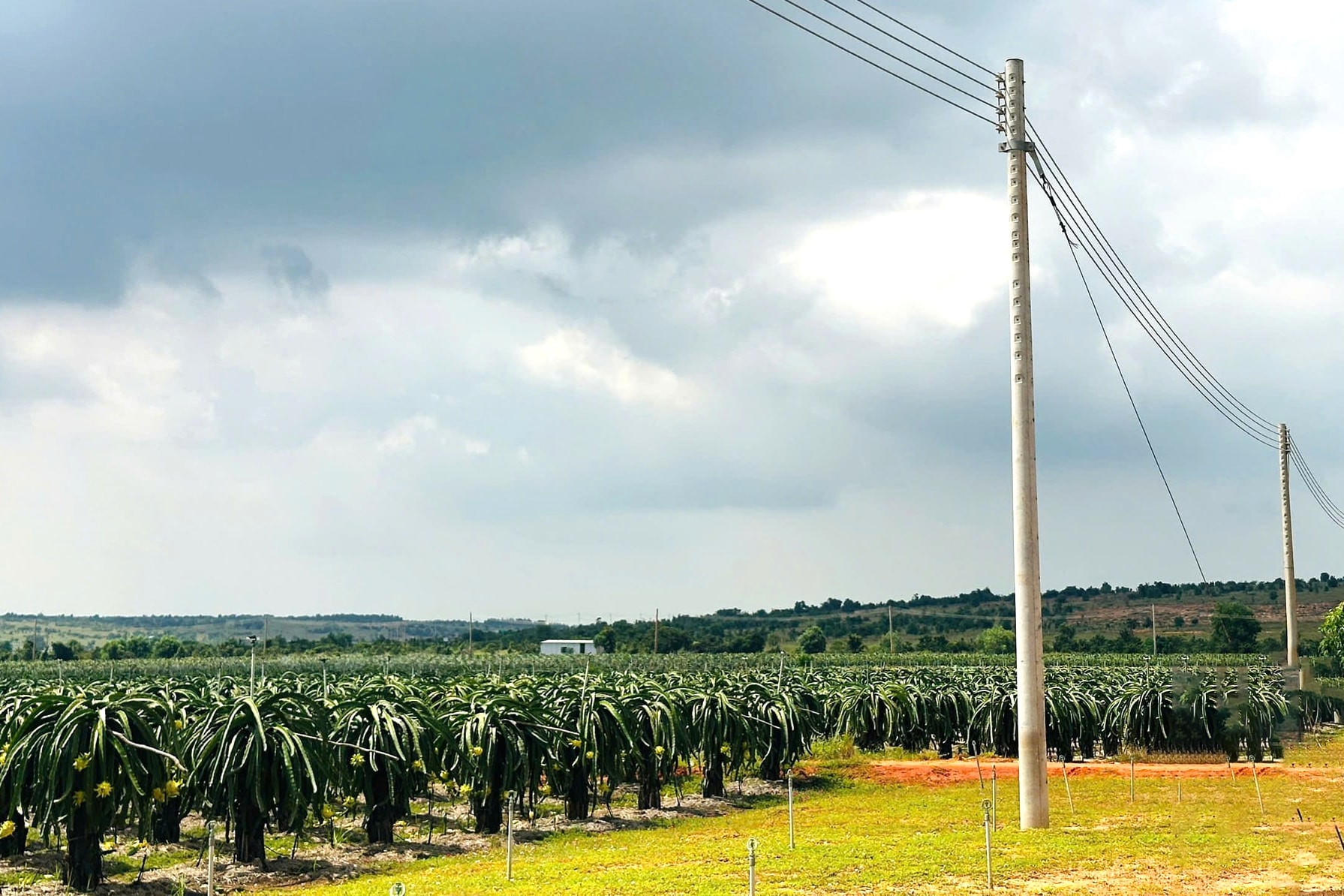
Green-transformed ecological zones in Lam Dong have produced clean, food-safe agricultural products that have been successfully exported to some of the most demanding markets worldwide, alongside the growth of agritourism. One notable example is the dragon fruit cultivated in Lam Dong's coastal ecological zone.
By the end of 2025, Lam Dong Province produced 613,000 tons of dragon fruit on almost 26,490 hectares, or around 40% of the nation's total growing area. This indicates growth of around 2% in area and 7% in output as compared to 2024.
According to Mr. Huynh Canh, Chairman of the Binh Thuan Dragon Fruit Association, the association has worked closely with local authorities to provide training and encourage producers to expand certified dragon fruit production under VietGAP and GlobalGAP standards, ensuring food safety and traceability to strengthen the province's sustainable brand reputation. This is in addition to support programs from Lam Dong's agricultural sector to refine cultivation techniques and meet requirements for growing-area and packing-facility codes.
Currently, 300 hectares of organic cultivation, 12% GlobalGAP, and roughly 45% VietGAP make up Lam Dong's "green dragon fruit" area. Compared with 2024, exports to key markets, including Singapore, the Republic of Korea, India, Japan, China, the US, the EU, and the Middle East, rose by 8% in 2025. About 18% of total output is sold domestically, primarily through wholesale marketplaces and large grocery chains. By 2026, Lam Dong aims to expand certified green dragon fruit production by 1,000 hectares, leveraging the benefits of its coastal natural zone.
Similarly, Lam Dong’s “Great Highlands” ecological region has adopted development goals through 2030, with a vision toward 2050, prioritizing green, organic, and circular agriculture while reducing greenhouse-gas emissions. The strategy tightly connects production with processing, logistics, digital transformation, mechanization, and automation across the value chain — recognized as a key driver of sustainable agricultural growth and provincial competitiveness.
More than 100,000 hectares in this region are undergoing green transformation using high-tech solutions, with expected annual output exceeding 420,000 tons. Of this, 35,175 hectares are certified under national and international quality standards. The region also hosts three high-tech agricultural enterprises and seven designated high-tech agricultural zones totaling nearly 3,556 hectares, focusing on rice, coffee, pepper, and mango.
According to the Department of Agriculture and Environment, Lam Dong — covering 24,233 square kilometers — benefits from favorable climate, soil, and forest-marine resources, creating strong foundations for high-tech agriculture integrated with processing industries, marine logistics, and agritourism. These linkages are forming multi-sector value chains, boosting national competitiveness, and positioning Lam Dong’s ecological regions as models for Vietnam’s green agricultural transition.