


Half a Century – A New Land Becomes Home
Fifty years ago, 125 young pioneers from Hanoi set out for Nam Ban Lam Ha. Before them lay vast wilderness, deep forests, rugged mountains and countless hardships. Few could have imagined that their first steps in reclaiming the land would lay the foundations for a prosperous, close-knit community.
The First Steps Toward a New Life
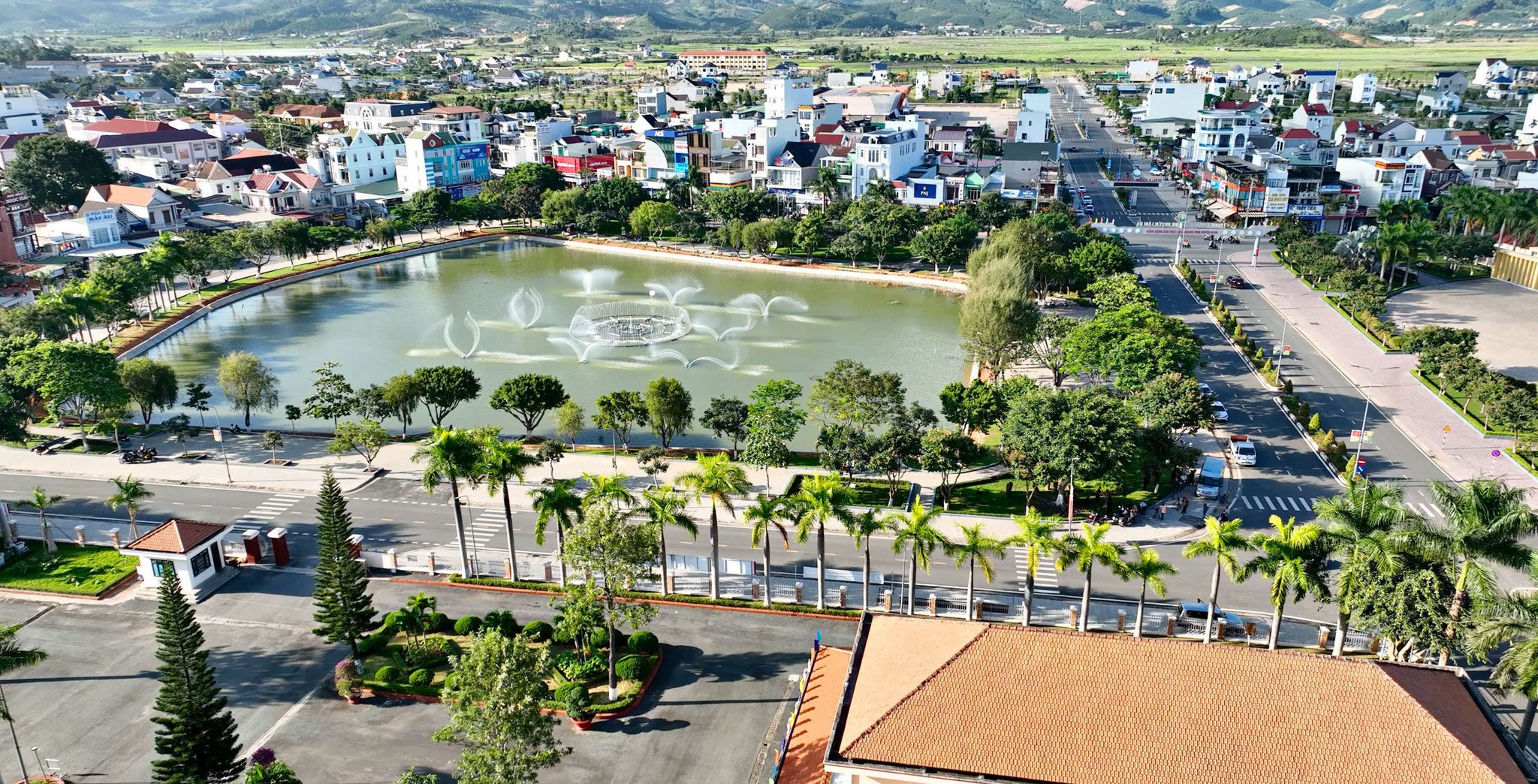
Walking among lush coffee and mulberry plantations, along paved and concrete roads stretching through villages, those who came before are reminded of the hardships they once endured. Their youth, sweat, tears and quiet sacrifices helped transform a new settlement into a place they could call home.
In his spacious, well-built house in Long Bien Hamlet, Nguyen Xuan Dong, a member of the first group of 125 pioneers, still vividly remembers arriving in Nam Ban Lam Ha in early 1976. He was then 39 and had lived through two wars while working at the Bac Duong Propaganda and Education Board. Life in the new settlement began with days spent clearing grass, cutting trees and building homes, followed by long nights missing his wife and children and worrying about his elderly mother.
“But when the Party assigns you a task, no matter how difficult it is, you must not retreat,” Dong recalled.
In 1977, he returned to his hometown to bring his wife and children to the new settlement. While many of his fellow pioneers returned to northern Vietnam after completing their assignments, he chose to stay. He continued working in production and cooperative management, helping stabilize local livelihoods and build the new economic zone.
Now 90, with slower steps, Dong considers his greatest wealth to be his five successful children, 12 grandchildren and two great-grandchildren. Four generations of his family live in close connection, and his descendants have grown up on the very land he helped reclaim. He is happy to see the area change day by day, becoming a lively, welcoming place that has evolved from a settlement where people began with nothing into a true homeland.
In 1978, Hoang Thi Khuong, from Ba Dinh Hamlet, followed her husband to Nam Ban Lam Ha. A modest 24-square-meter wooden house with a simple metal roof, surrounded by hills and mountains, became the starting point for their new life. Her husband worked as a local police officer, frequently facing danger during missions against FULRO. Nearly two years later, he died suddenly, leaving behind a young wife, one small child and another baby still unborn.
Losing her husband thousands of kilometers from her former hometown left Khuong's life uncertain and precarious. But believing that her husband had been laid to rest on this land, she decided to stay. She continued working while engaging in agricultural production and raising their two children to adulthood, carrying on their father's legacy. After retirement, she remained active in women's groups, the Red Cross and older people's associations, contributing practical support to her community and earning the trust and affection of those around her.
From Barefoot Childhoods to a Prosperous Homeland
If the older generation laid the first foundations, their children and grandchildren, born and raised in the new settlement, have continued to enrich their homeland.
Nguyen Xuan Vung, born in 1974, moved with his family to Nam Ban Lam Ha when he was just three years old. His childhood was shaped by red dirt roads that became muddy and slippery in the rainy season and dusty during the dry months. With vast stretches of land and a sparse population, schools were far from home. Children walked barefoot, carrying their sandals in one hand and schoolbags in the other, often running to class. Meals commonly consisted of sorghum mixed with corn, sweet potatoes and cassava. After school, Vung and his siblings helped their parents grow beans and corn, while clearing land to cultivate upland rice during the rainy season to ensure there was enough to eat.
Recalling those childhood days, Vung could not hide his emotion. He said that back then, no one could have imagined that the once-wild landscape would develop into what it is today. Roads are now convenient, the airport is just 20 minutes away, and expressway connections have helped link what was once a remote community with major development centers.
Each of Vung's four siblings chose a different path. He decided to stay, remain connected to his homeland, care for his parents and educate his children so they could succeed. It was a simple decision, but one that reflected his deep attachment to the place where he grew up through seasons of sweet potatoes and cassava, and where he now hopes to build a future for his own children.
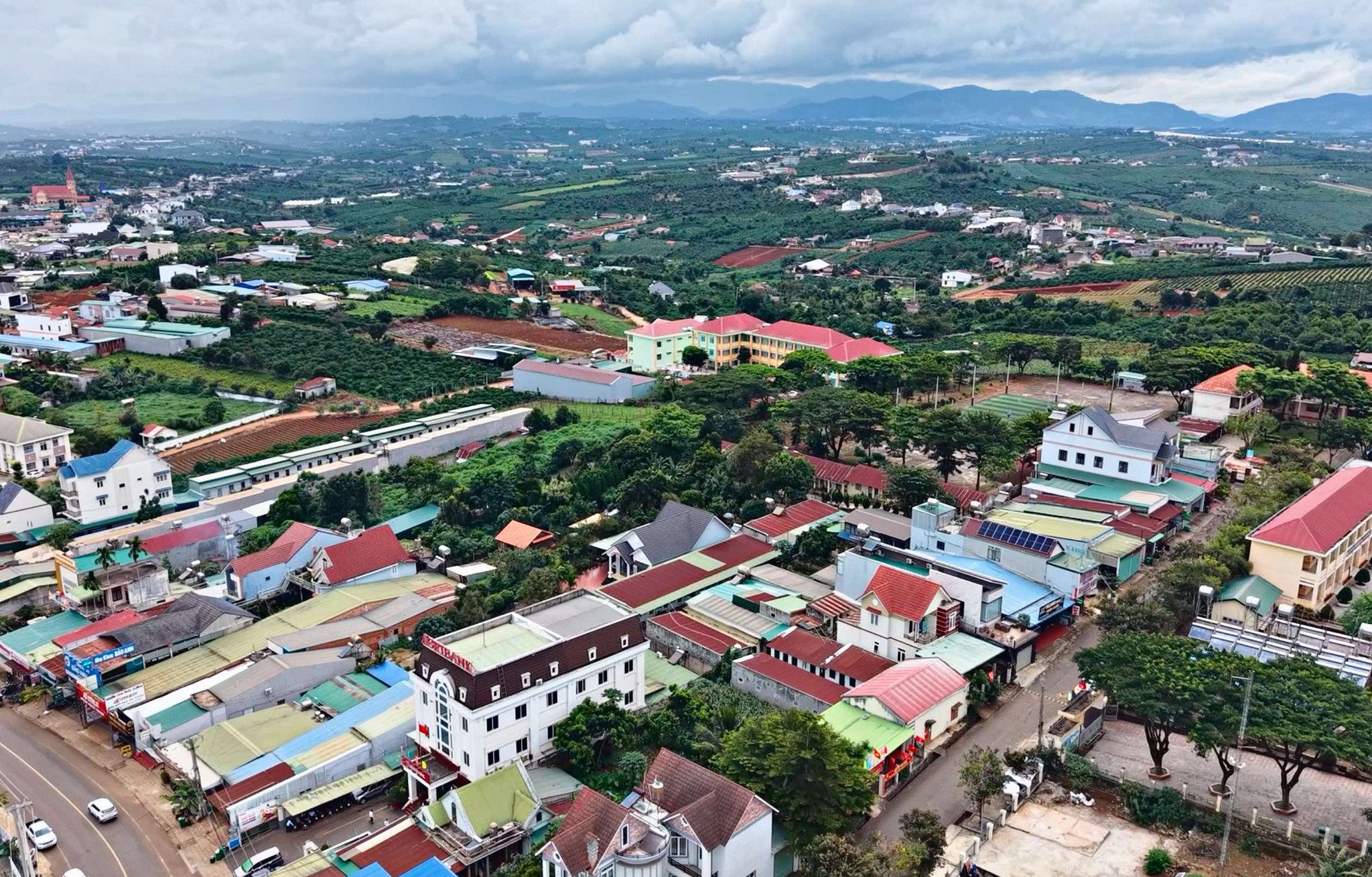
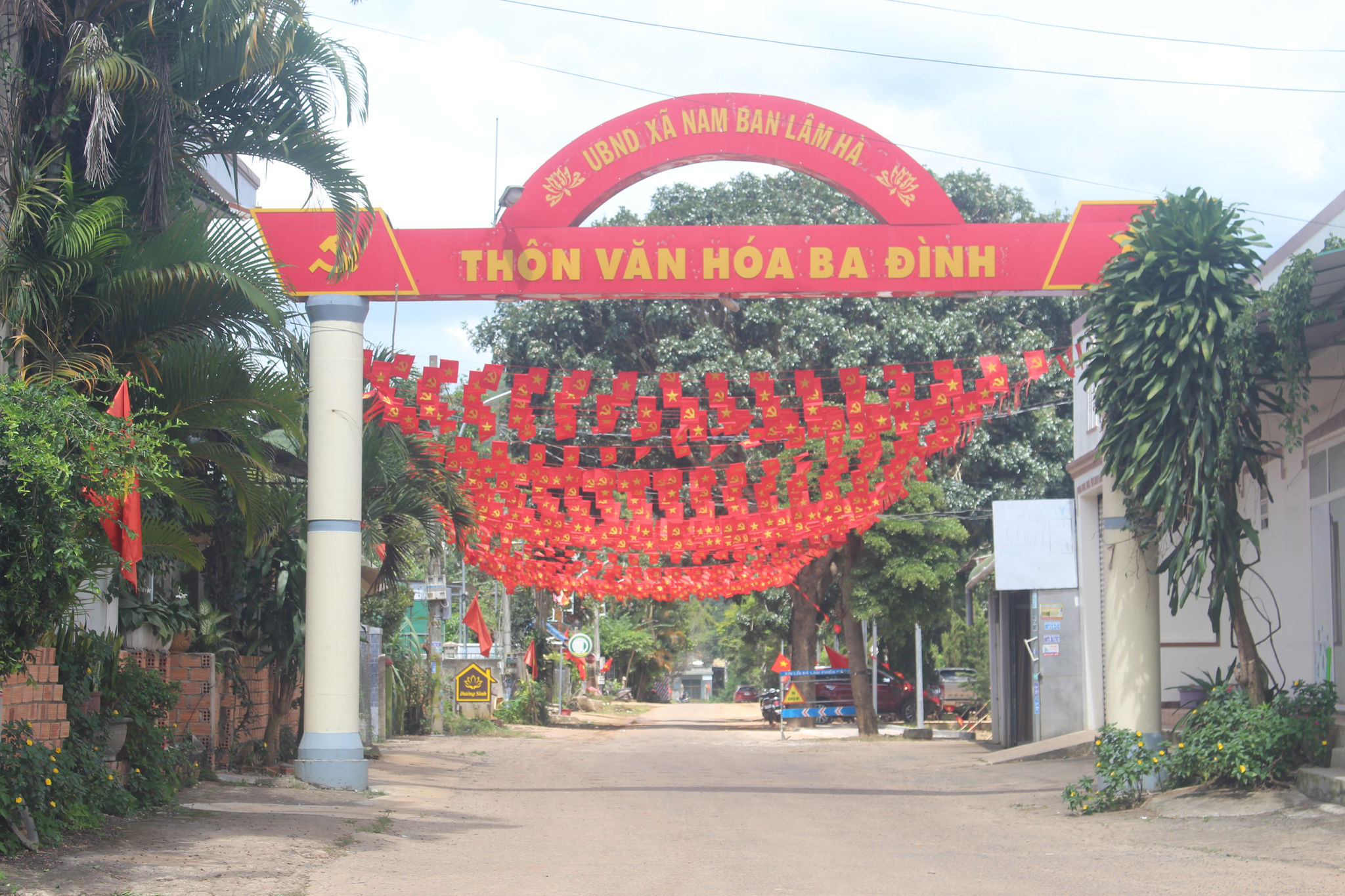
From the simple homes of the early years, the community has steadily grown. Place names such as Ba Dinh, Thang Long, Gia Lam, Thanh Tri, Hoan Kiem, Dong Da, Phu Dong and Long Bien continue to evoke the settlers' roots. Throughout the past half-century, Hanoi has maintained a warm and enduring bond with its new economic zone in Lam Dong.
A Homeland Built on Love and Commitment
Fifty years have been enough to turn wild forests into coffee gardens, muddy dirt tracks into improved roads, and village paths into concrete roads reaching residential neighborhoods. The barefoot children of those early years have grown into grandparents, parents, officials, workers and responsible citizens. Yet what remains most deeply rooted is the determination to overcome hardship, the spirit of solidarity and mutual support, the bonds among neighbors, and the lasting connection between the land and its people.
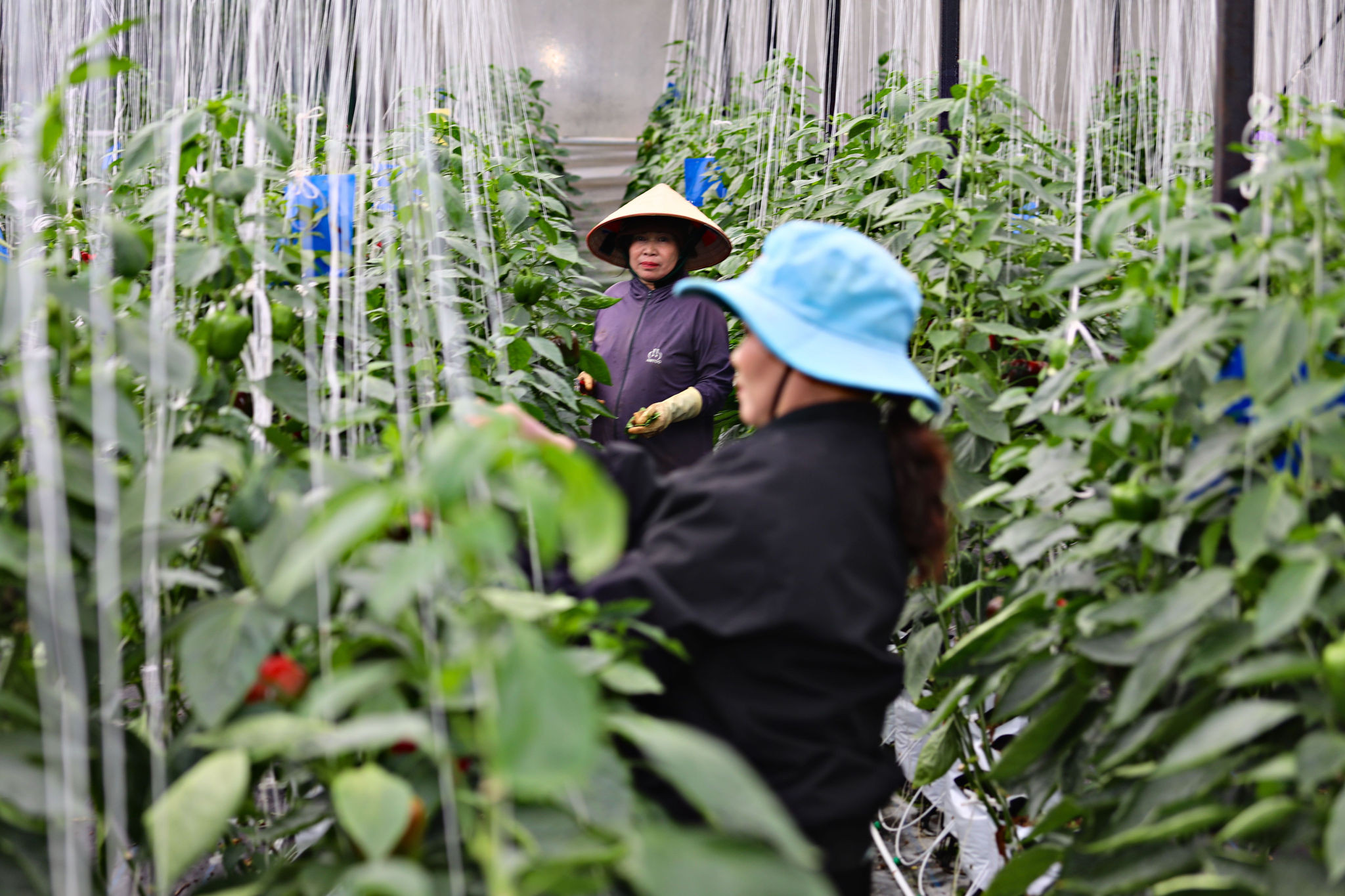
From a once-undeveloped area, Nam Ban Lam Ha has become a dynamic and growing community. Its total production value has increased by an average of 10.5% annually. The cultivated area has reached 7,524 hectares, with production zones for coffee, tea, mulberries, fruit trees and vegetables. A plan to develop approximately 2,700 hectares of high-tech agriculture is opening up opportunities for sustainable commercial production.
Average income has reached VND 90 million per person per year, while the multidimensional poverty rate has fallen to 1%. In the first nine months of 2026, state budget revenue reached VND 195 billion, exceeding the annual assigned estimate of VND 127.3 billion, reflecting the area's strong economic vitality and growth.
Nguyen Van Chau, Secretary of the Nam Ban Lam Ha Commune Party Committee, said that the longer people lived on this land, the more deeply they appreciated the bonds between people and their homeland. Those who came from Hanoi decades ago brought with them youthful energy, determination and aspirations to build new lives.
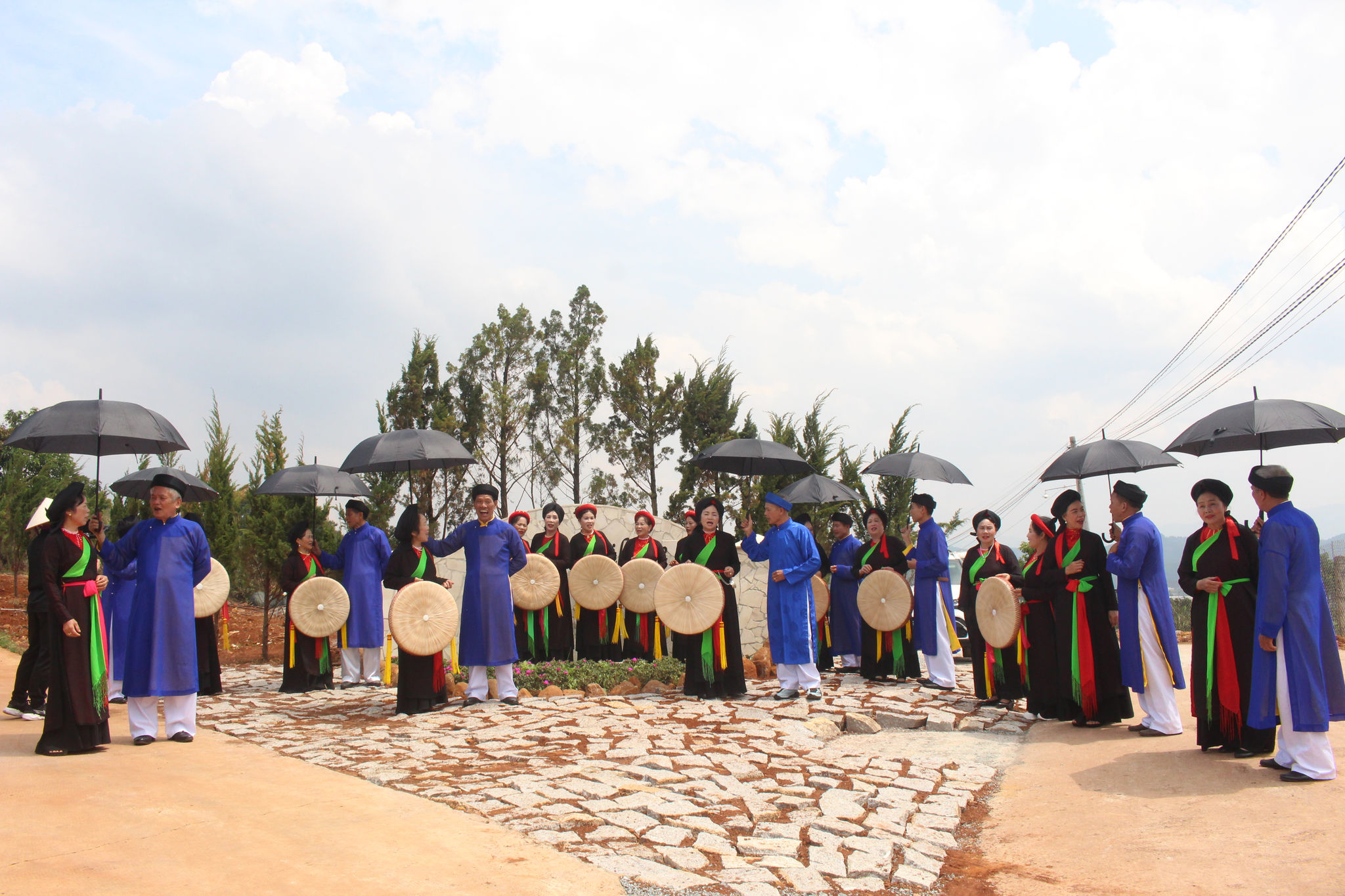
Since the arrival of the first scouting group in 1976, Nam Ban Lam Ha has grown into a home for people from across the country who have come to settle and build their livelihoods. It has become a diverse, vibrant and close-knit community. The new land has become a homeland, one that future generations will continue to build with their hands, intelligence and love.
Successive generations of Hanoi's leaders have consistently affirmed that the Nam Ban Lam Ha new economic zone remains part of their homeland. Hanoi has supported nearly 100 public-service and community infrastructure projects in Lam Ha's communes, with total funding of nearly VND 900 billion. This assistance has helped improve infrastructure, support residents' daily lives and demonstrate Hanoi's enduring care for those who left home to help develop the new land.