


Harnessing rooftop sunshine to power greener production
By using factory rooftops to generate electricity for production, rooftop solar is helping businesses and household enterprises become more energy self-sufficient, reduce grid electricity costs and optimize production-line operations.
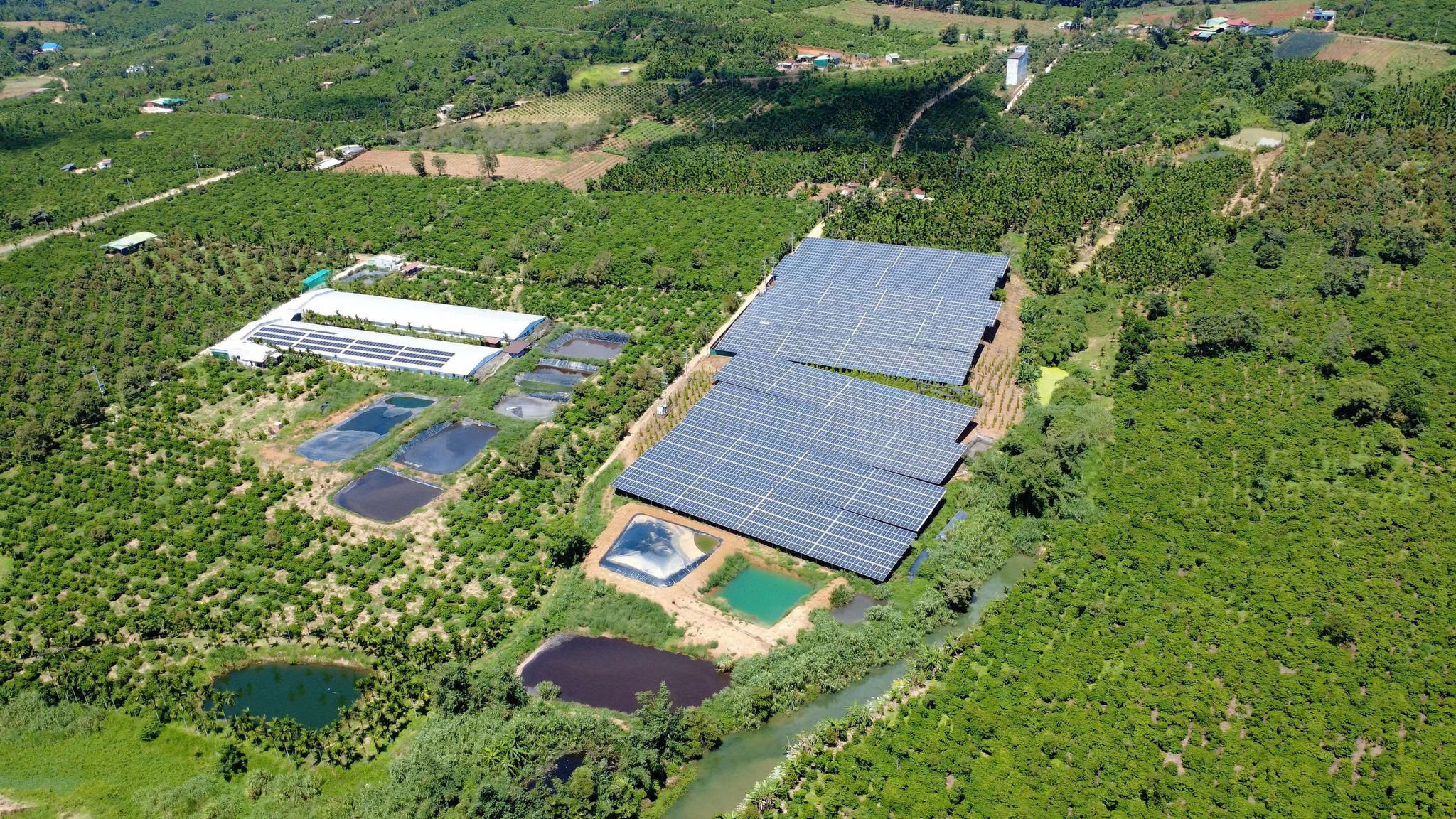
From factory rooftops to on-site energy
Under the daytime sun, rows of solar panels stretch across factory roofs, reflecting light over busy production areas. Below, livestock farming, business operations, processing and agricultural packaging continue throughout the day, all requiring a stable power supply to keep production running smoothly.
The link between these two spaces is becoming increasingly clear: rooftops are no longer simply structures that provide shelter from sun and rain, but are also becoming sources of energy that directly support business operations.
At agricultural processing businesses in Cu Jut and Krong No, Lam Dong Province, investment in rooftop solar is creating another option for securing power for production. Instead of relying entirely on the grid, businesses can use electricity generated directly at their facilities, particularly during periods of strong sunlight.
The value of this model lies not only in the solar panels installed overhead. More importantly, the electricity they generate can be integrated into production operations, meeting demand during daylight hours and helping reduce the amount of power purchased from the grid.
Aligning production schedules with sunlight hours
Previously, electricity use was largely planned around the operating needs of production lines. With rooftop solar added to the energy mix, businesses now have an opportunity to adjust production schedules to make better use of locally generated power.
Where conditions allow, energy-intensive stages of production can be concentrated during periods of strong solar radiation, typically during the daytime. Tasks that require less electricity, such as certain packaging or support activities, can be scheduled more flexibly at other times, provided product quality, delivery schedules and working conditions are not affected.
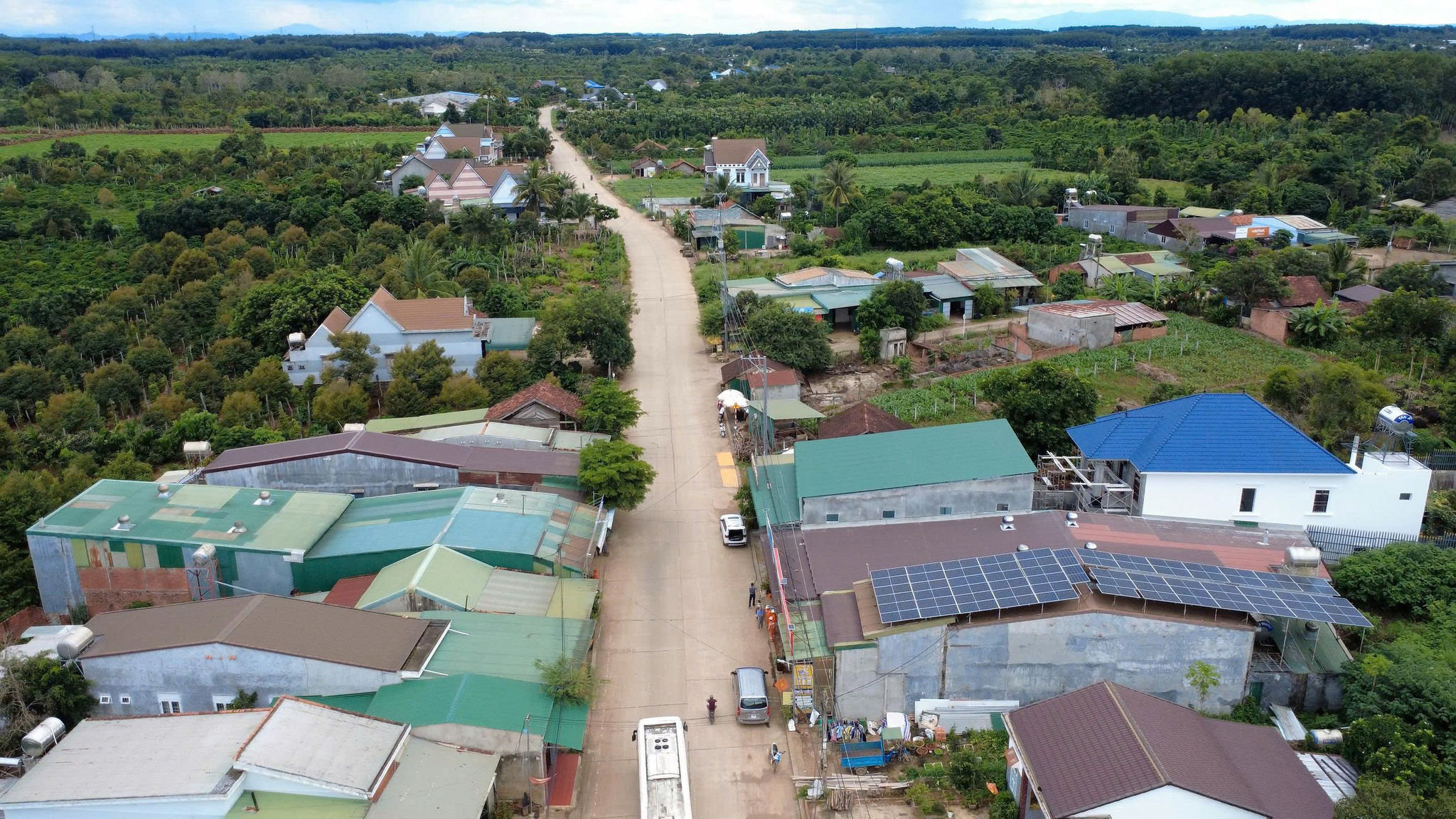
This approach requires businesses to reassess their load profiles, identify peak electricity-use periods, determine which equipment can have its operating schedule adjusted and which stages must run continuously. There is no single formula, as scheduling decisions must reflect the characteristics of each production line and the capacity of the power system.
Another option is to use solar power during periods of strong sunlight to operate cooling, ventilation or refrigeration systems according to actual demand. For facilities with suitable technical conditions, adjusting operating times, controlling temperatures and reducing cooling losses can improve energy efficiency while still meeting storage requirements for raw materials and finished products.
If properly designed and economically justified, battery storage systems can also help store surplus electricity generated during favorable periods for use at other times. However, this solution needs to be assessed based on investment costs, storage capacity, load demand and actual operating efficiency, and should not automatically be considered the best choice for every business.
The key point is that saving electricity does not mean arbitrarily cutting power use. An inefficient production line, energy-intensive equipment or poorly managed cooling systems can still drive up costs even when solar panels have already been installed on the roof.
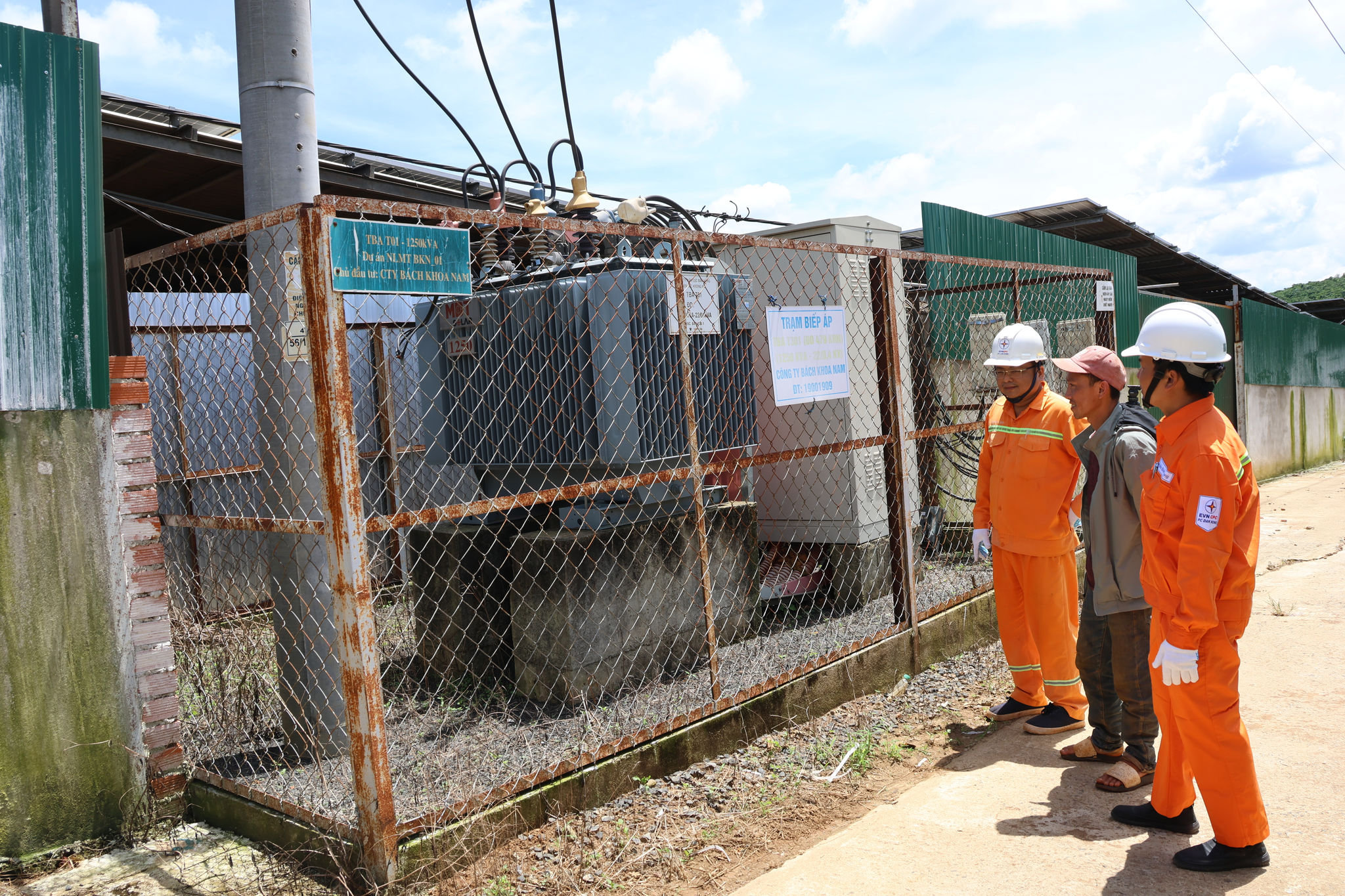
Efficiency, therefore, should be measured by the ability to generate greater production value from each unit of electricity consumed, while still ensuring product quality, production schedules and operational safety. In that way, rooftop solar power not only helps reduce part of the electricity bill, but also becomes a driver for businesses to innovate technologically and strengthen their competitiveness.
Vu Thanh Nam, head of Cu Jut Power Company, said: “As more businesses invest in rooftop solar power for production, the power sector’s operating model is also changing. If in the past electricity supply planning mainly relied on electricity demand, it now has to monitor both on-site generation and the amount of electricity consumed by businesses. This requires more flexible load forecasting, greater digitalization of data, closer operational monitoring and an assessment of the grid’s capacity to absorb locally generated power. That helps ensure the system operates safely, stably and efficiently.”
Businesses’ growing energy self-sufficiency is also creating new demands for the power sector. When factory rooftops are no longer only places of consumption but also sources of generation, grid management must shift from a one-way approach to one that flexibly monitors and coordinates both supply and load. This is also when the power sector’s role as a partner becomes even more important, helping businesses make effective use of on-site electricity while ensuring the safety of the wider system.
At Tuyet Thuy Company in Dak Wil Hamlet, the solar panels on the roof not only make use of factory space but are also directly tied to rice and agricultural processing operations. Given the heavy use of machinery, rooftop solar gives the business another opportunity to secure its energy supply, plan operating times and control production costs.
Nguyen Xuan Thuy, a representative of Tuyet Thuy Company in Dak Wil Hamlet, said: “For businesses processing rice and agricultural products, electricity is a key input for many stages such as milling, grinding, drying and operating machinery. Making use of rooftop solar gives us an additional on-site power source, greater flexibility in organizing production and lower grid electricity costs. More importantly, by arranging electricity-intensive stages during periods when the system is generating well, the company can use energy more efficiently, improving production efficiency and the competitiveness of agricultural products.”
The power sector stands alongside businesses to ensure safe operation
The emergence of on-site power generation is also changing the requirements for managing and operating the electricity system. When businesses both draw power from the grid and generate their own solar electricity, load monitoring and operational coordination must be carried out more closely.
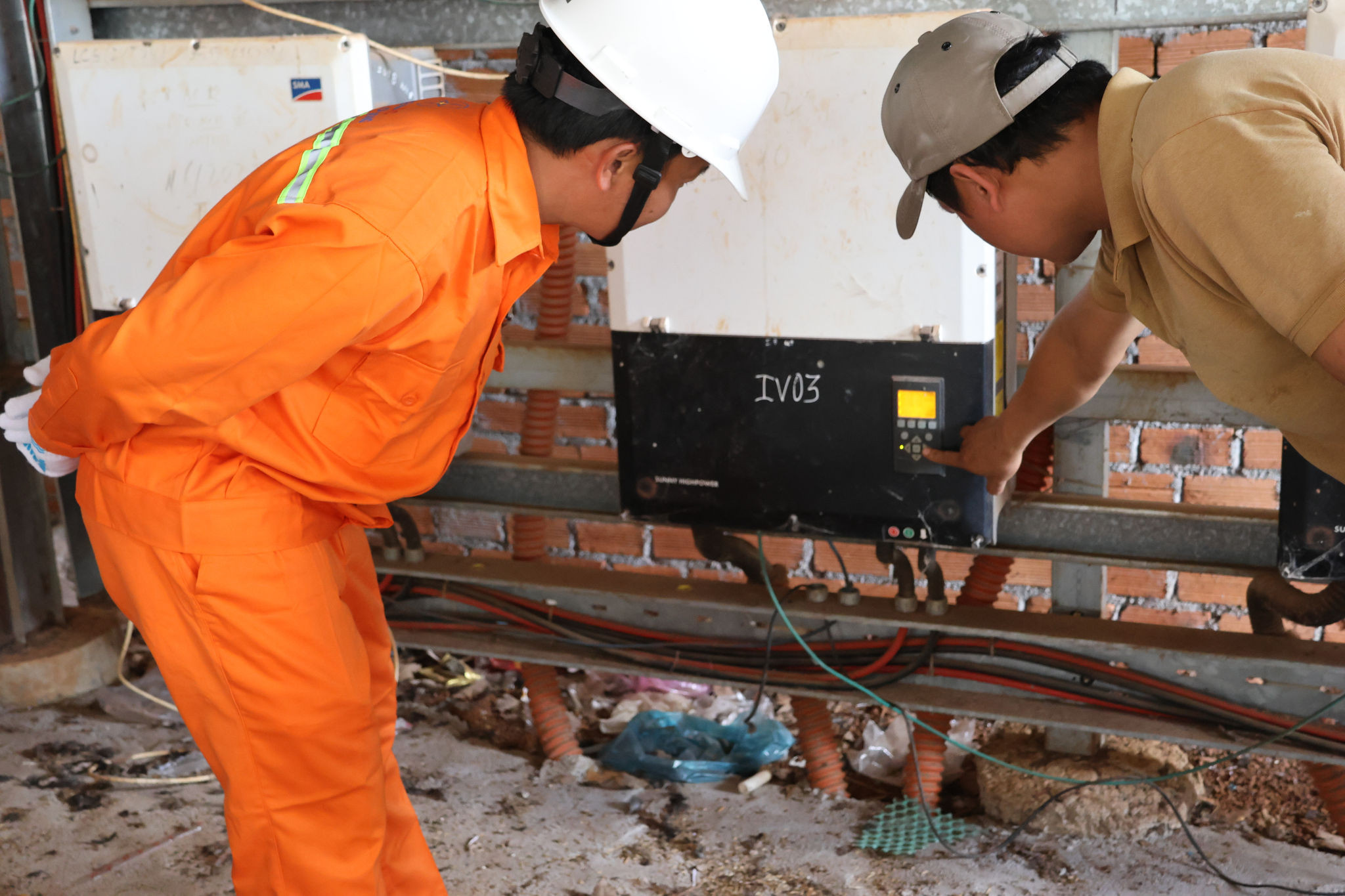
In the course of working with customers in Cu Jut and Krong No, power sector staff coordinate inspections of related components such as inverters, electrical cabinets, metering equipment, wiring and connection points to the facility’s electrical system. Guidance on safe electricity use, equipment checks and the identification of potential hazards is especially important, particularly at factories with specific production environments.
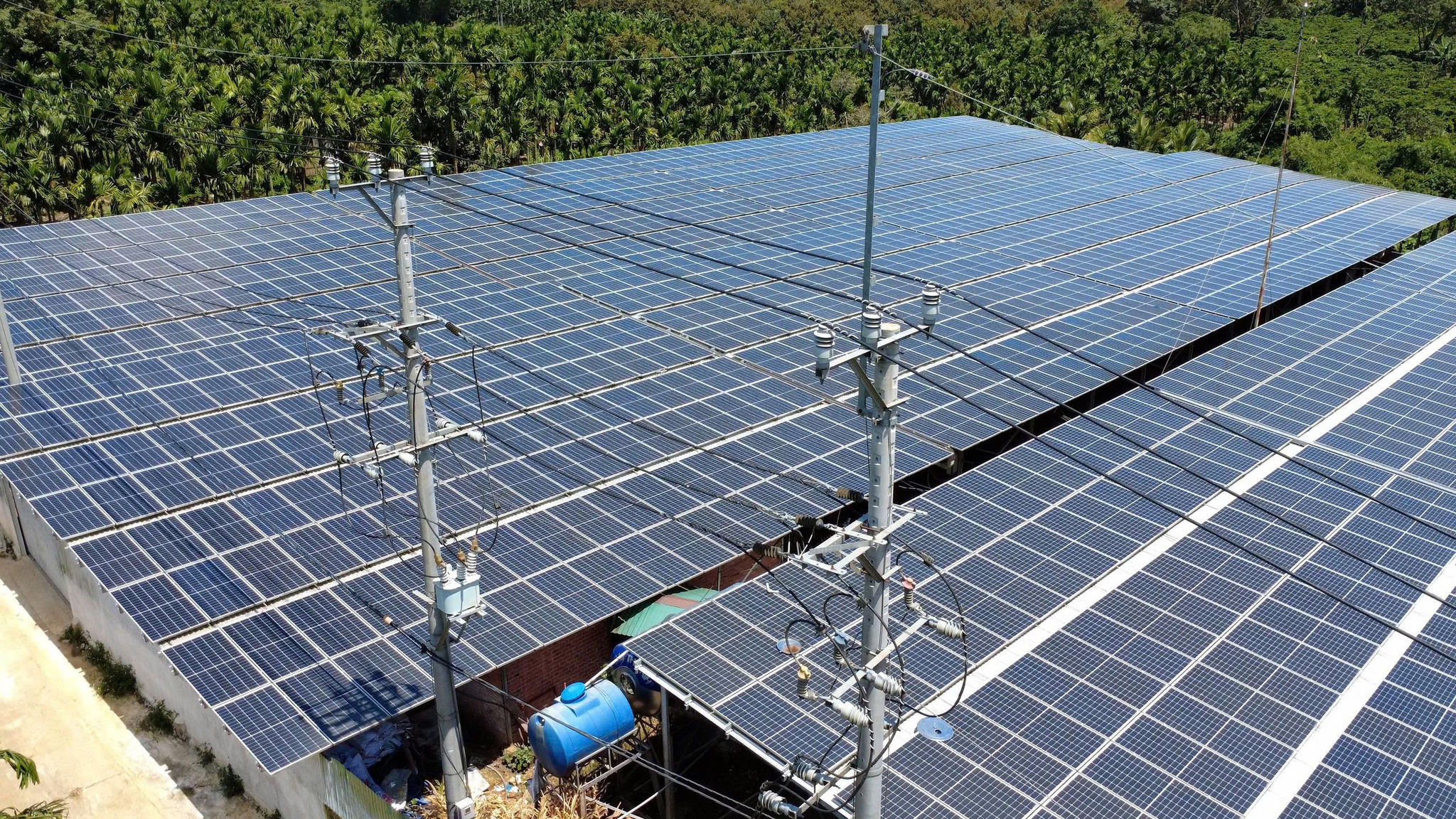
For rooftop solar systems, safety requirements do not stop at the generating equipment itself. Installation, maintenance and incident response must comply with technical procedures, while protection systems, grounding, lightning protection and fire prevention measures must all receive proper attention. Workers also need guidance to recognize abnormal signs and avoid interfering with equipment without the necessary expertise.
At the same time, solar power depends on radiation conditions and can fluctuate with the weather. For that reason, a business’s electrical system must still be designed to meet demand when generation drops or when there is no sunlight. Grid connection and operation must comply with regulations and the technical conditions of the local power network to ensure that the use of on-site generation does not affect the overall safety and stability of the system.
In Dak Wil and other agricultural processing areas, businesses’ energy efficiency is also tied to local economic development goals. When input costs are better controlled, production processes improved and resources used more effectively, businesses are better positioned to enhance competitiveness, maintain stable operations and expand their markets.