


Harnessing the Comparative Advantages of Medicinal Plants
Drawing on Lam Dong's favorable climate, fertile soil, and a rich forest ecosystem, the Department of Agriculture and Environment is strategically capitalizing on the comparative advantages of medicinal plants.
Building a Synergistic Alliance for Lam Dong's Medicinal Plants
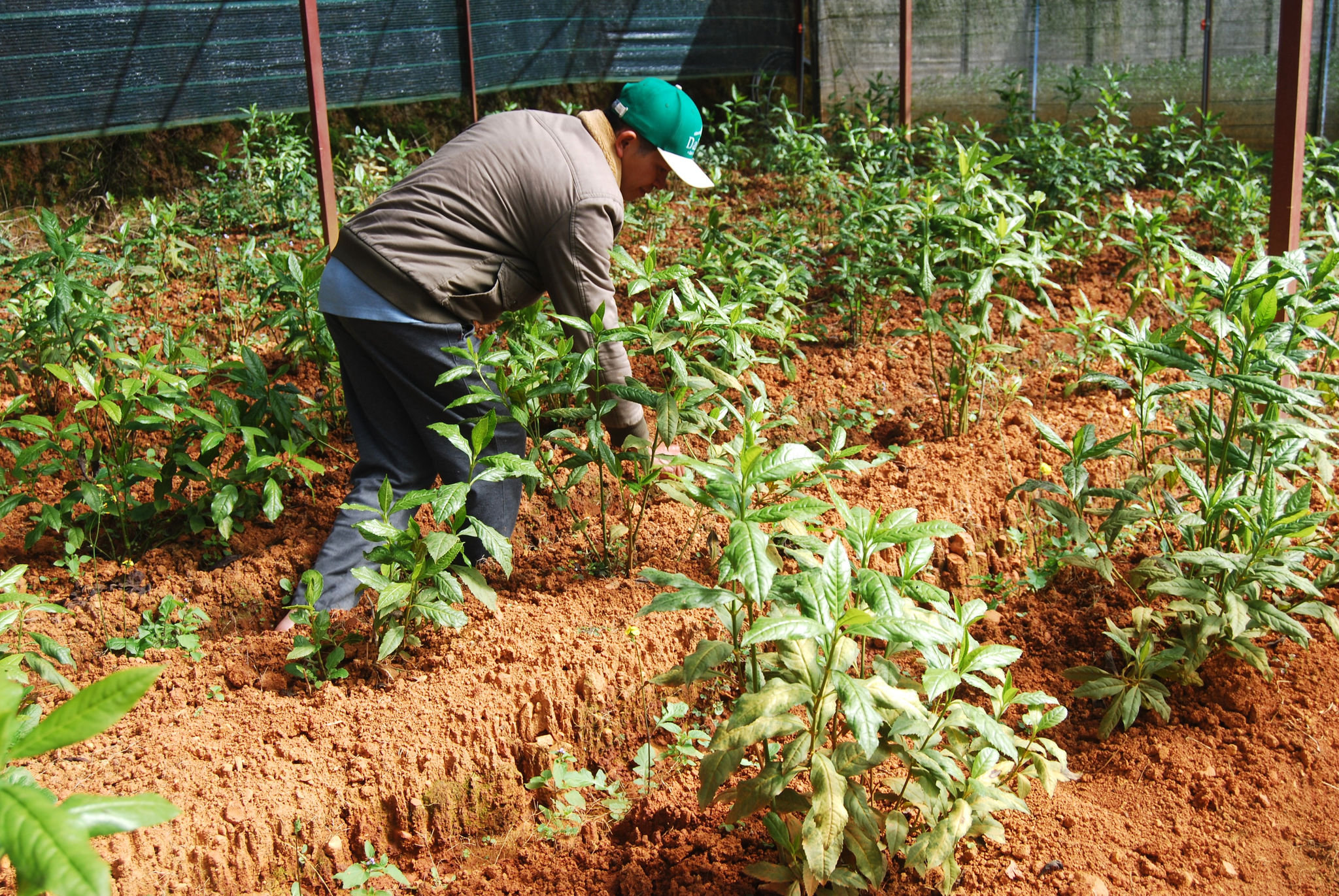
After years of successful cultivation trials, Le Thi Thu Hau has systematically scaled up the cultivation of endemic medicinal plants to over 12 hectares. In parallel, she has established partnerships with nearly 10 farming households under strict food safety certification standards, focusing on high-yield species that deliver stable annual economic returns.
Her journey began with the transition of a 3,000-square-meter open-air vegetable plot into dandelion cultivation at her farm in Lang Biang - Da Lat Ward.
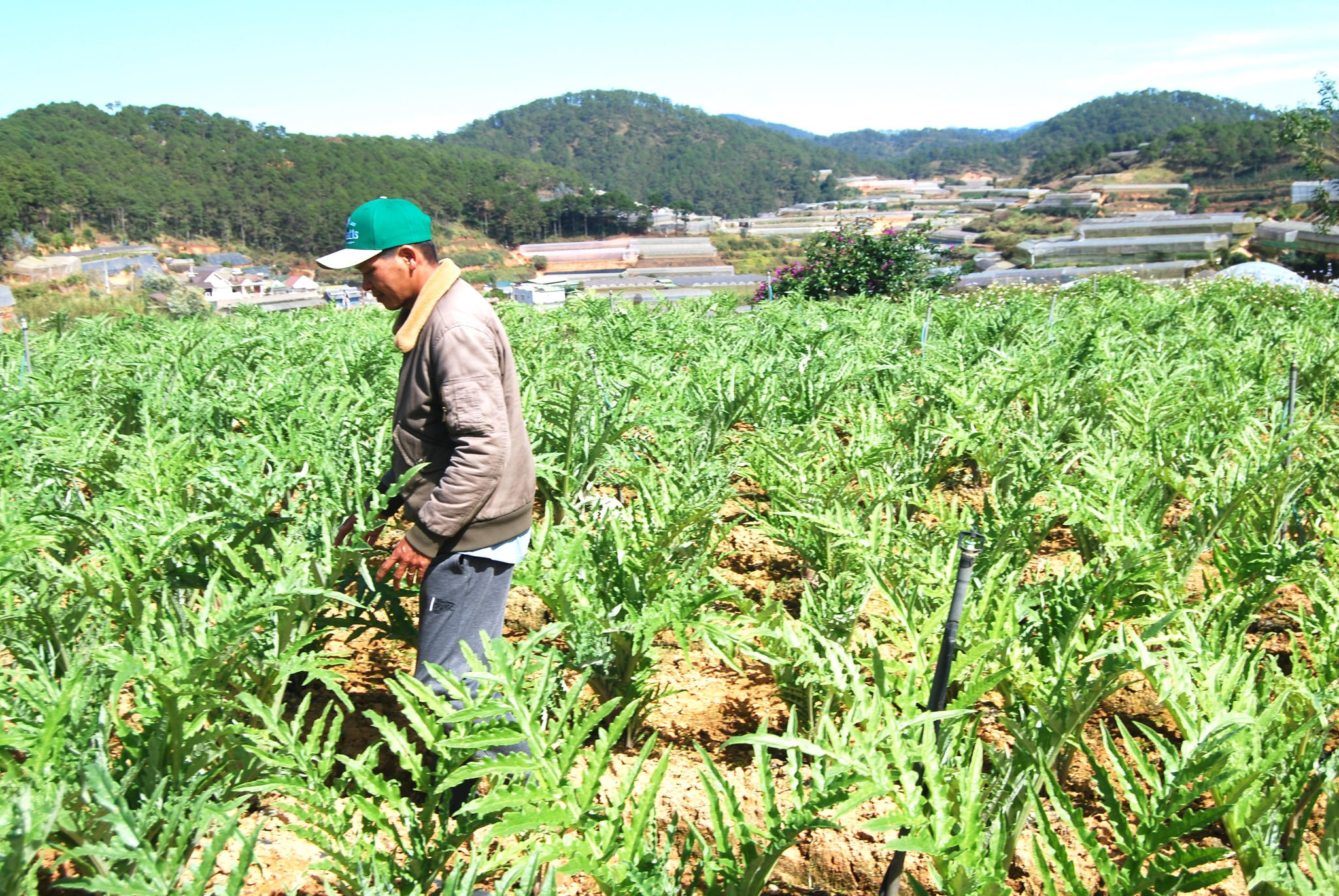
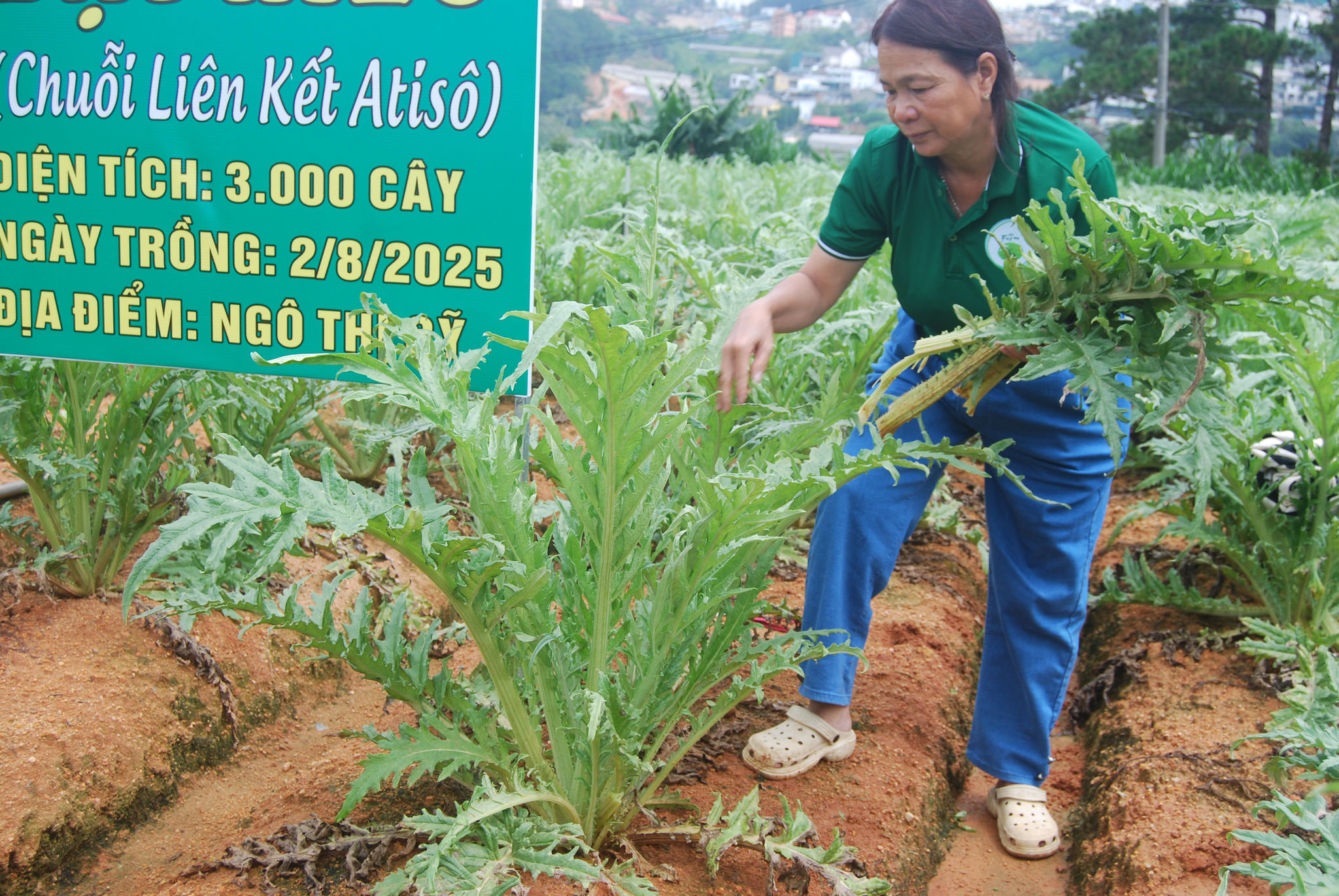
For artichokes, Hau imported European seeds and planted them on raised beds covering 5,000 square meters with technical guidance from medicinal plant specialists. This enables the farm to achieve high yields and ensure that the harvested leaves, stems, and roots meet the requirements of a diverse customer base. Each 12-month cultivation cycle is conducted in accordance with VietGAP, organic, and GlobalGAP standards, enabling the farm to maintain continuous harvesting, preliminary processing, and distribution.
"Medicinal plants in general, and dandelions and artichokes in particular, require minimal maintenance but thrive in this temperate ecological zone," Hau noted. "They yield highly concentrated extracts, which scientists have evaluated as having premium therapeutic properties. Market prices remain strong and stable year-round without volatile fluctuations. As of early July 2026, average revenues reached 350 million to 400 million VND ($13,800 – $15,800 USD) per hectare annually."
Recognizing these benefits, neighboring farmer Nguyen Vy My Phung has maintained a lucrative artichoke production model in the agricultural zone of Xuan Huong Ward, Da Lat, through her partnership with Hau’s farm.
Phung shared that due to labor shortages over the past three years, her family decided to convert 1 hectare of open-air strawberry fields into organic artichoke cultivation. Leveraging her extensive farming experience and modern techniques provided by Hau, Phung has strictly fulfilled her contractual obligations—delivering artichoke leaves, stems, flowers, and roots that meet exact quality, quantity, and delivery requirements. The products boast verifiable traceability and are grown entirely without prohibited chemicals.
In return, Hau’s enterprise guarantees the timely purchase of Phung’s entire harvest and ensures prompt payments, with a strict clause against arbitrary contract termination without justifiable cause.
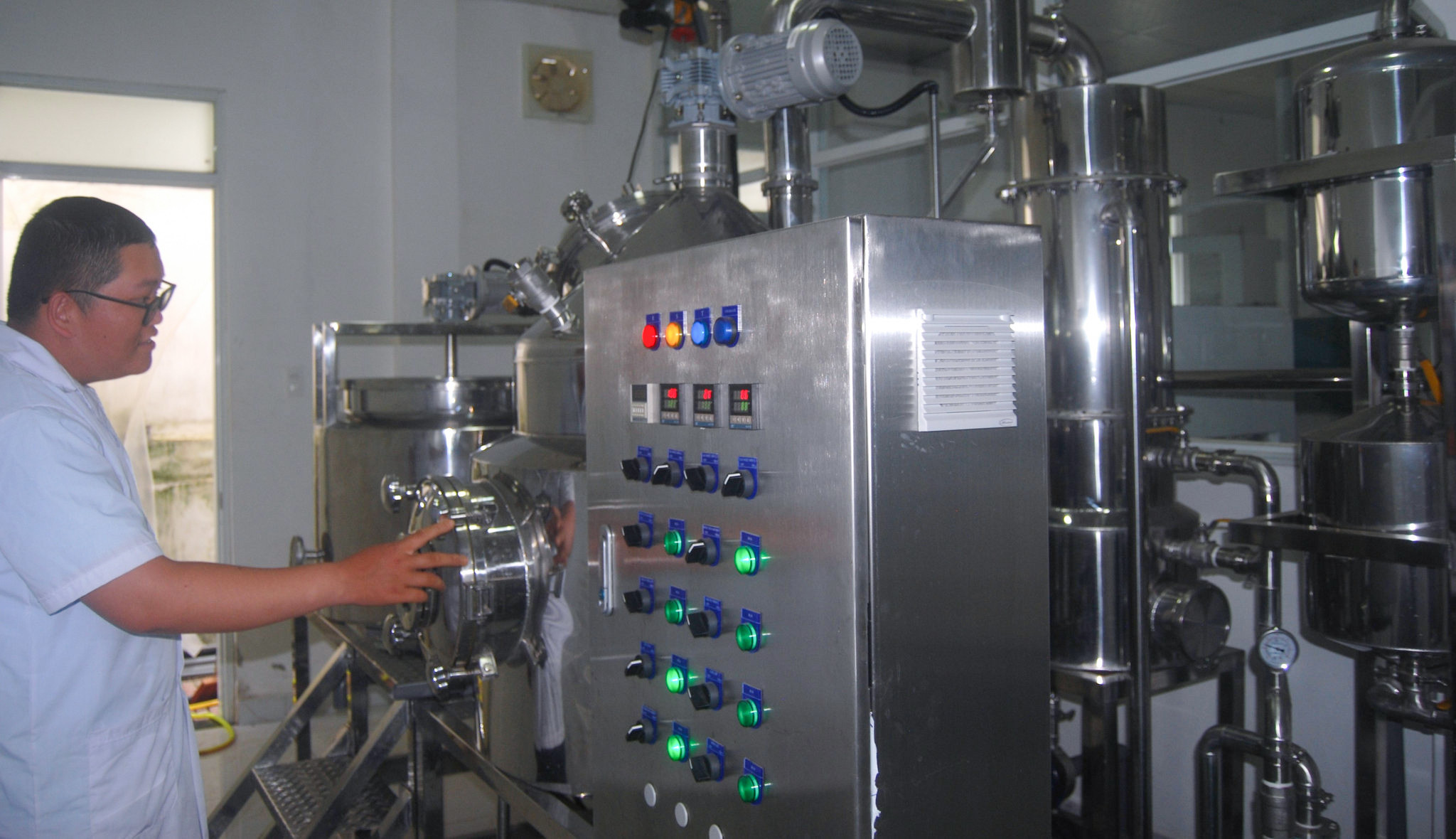
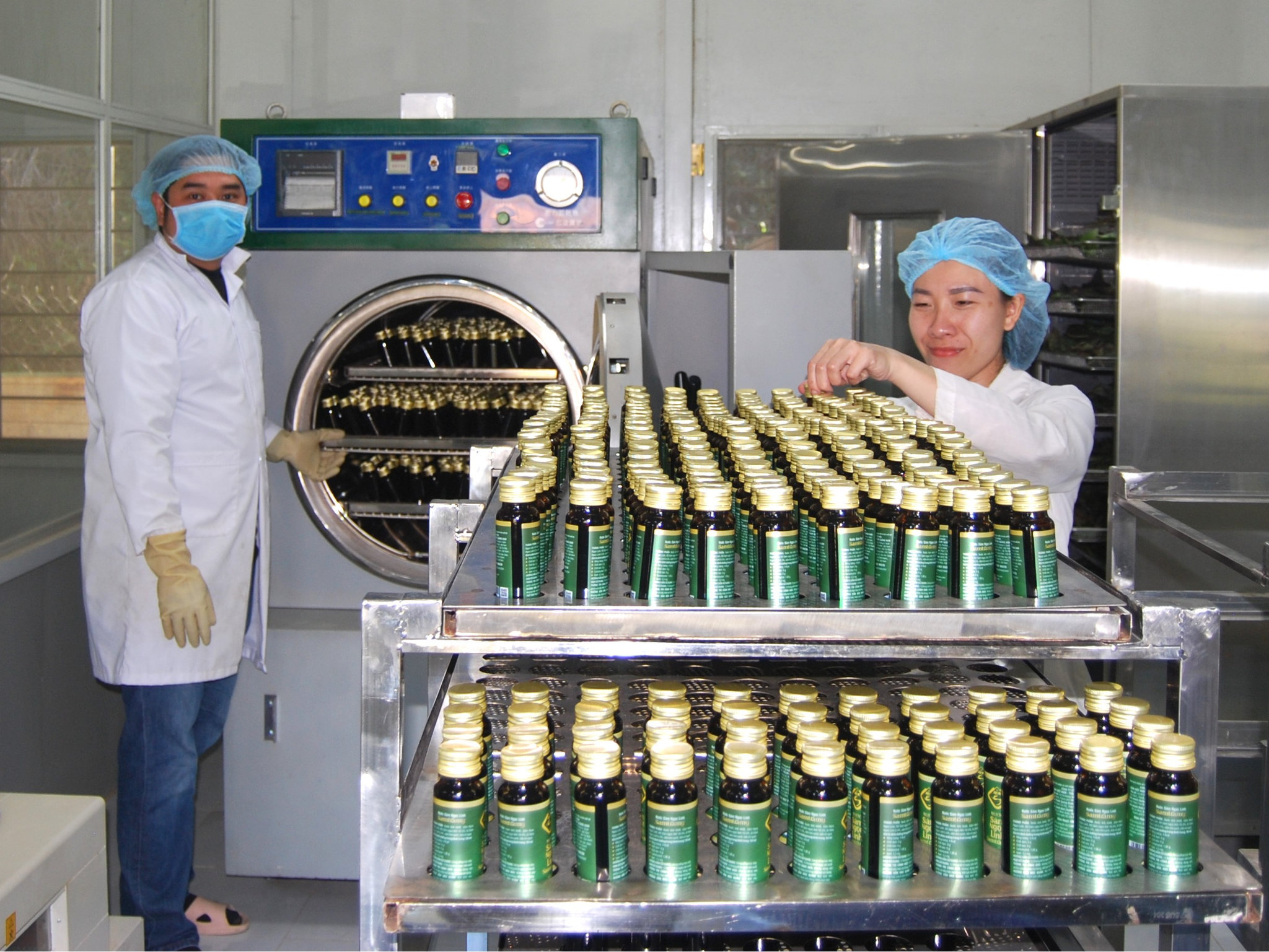
Nguyen Bao, a technical director at a major herbal processing enterprise in Xuan Huong - Da Lat Ward, highlighted the commercial scale of this alliance. At the beginning of each year, the enterprise sources raw materials from Hau’s supply chain—approximately 5 tons of dandelions and 10 tons of artichokes. These are processed at a state-of-the-art facility to produce highly competitive finished products, including dry, soft, and liquid herbal extracts for the market.
Expanding Raw Material Zones and Forest-Understory Economies
Statistics show the province’s total raw material zone for medicinal plants currently spans approximately 2,144 hectares. Key cultivation areas are dedicated to artichokes, yellow camellia , broadleaf jewel orchid , ganoderma lucidum , codonopsis pilosula , and Ngoc Linh ginseng .
With forests covering nearly 47% of the province's total natural land area, the development of under-canopy medicinal farming integrated with forestry management is unlocking significant economic prospects.
Nguyen Thi Moi, Chairwoman of the Board of Directors of the Vietnam Silk-Sericulture and Eco-Tourism Cooperative Alliance, stated that the alliance plans to upgrade Hau’s supply chain to expand medicinal plant cultivation under forest canopies across the province.
For the 2026–2030 period, the alliance aims to establish a 300-hectare raw material zone for artichokes and other primary medicinal plants. This expansion will align with local land-use planning, forest protection, biodiversity conservation, and eco-tourism.
Key initiatives will include: developing rigorous product traceability profiles; securing OCOP (One Province One Product) ratings; implementing World Health Organization (WHO) guidelines on Good Agricultural and Collection Practices (GACP) for medicinal plants; evaluating carbon credit integration, brand building, and distribution channel expansion.
According to provincial agricultural authorities, fully unlocking this potential requires a stronger "Four-Party Alliance" linking the State, enterprises, scientists, and farmers. This synergy is vital to securing stable, high-quality raw material zones that meet both domestic and international certifications.
By fostering a favorable environment to attract investment in advanced, certified processing facilities, the province aims to optimize land-use profitability and elevate its regional medicinal plant brand to global prominence.
The province’s medicinal plant cultivation network spans approximately 2,144 hectares, concentrated in key agricultural hubs producing high-value species such as artichokes, yellow camellia, broadleaf jewel orchid, ganoderma lucidum, codonopsis pilosula, and Ngoc Linh ginseng.