


Harvesting Chang Chang – A Dry-Season Livelihood in Mui Ne
In the twelfth lunar month, when the northeast monsoon shifts and the tide recedes, revealing vast stretches of sand along the back beach of Mui Ne, local fishermen enter the season of harvesting chang chang (coquina clams) to earn their living.
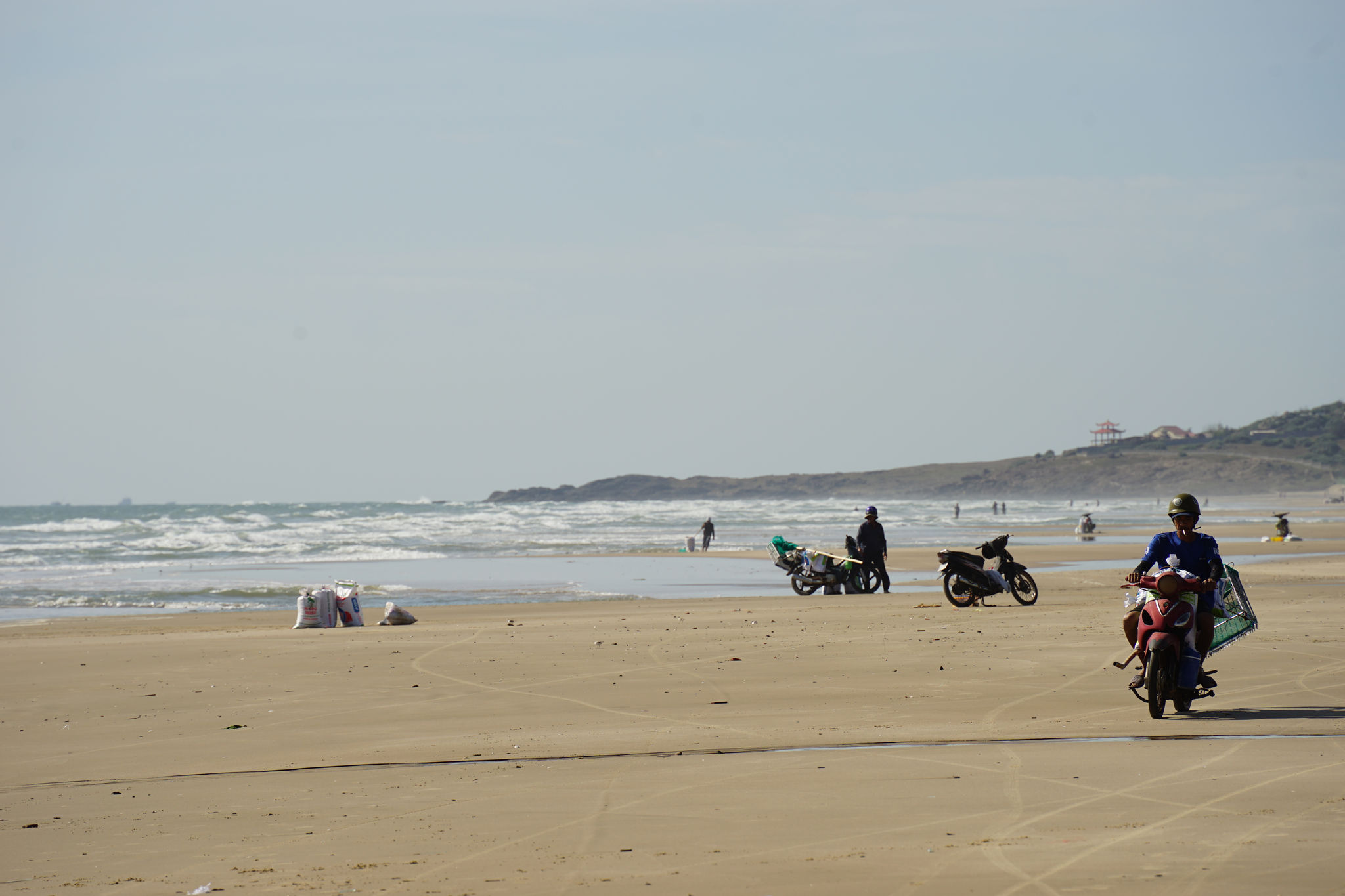
These days, Mui Ne’s back beach is alive with activity. Across the wide sandy shore, groups of fishermen wade into the water, dragging dredge baskets as they seize the final ebb tides of the morning to collect the sea’s ‘blessings’ and haul them back to gathering points.
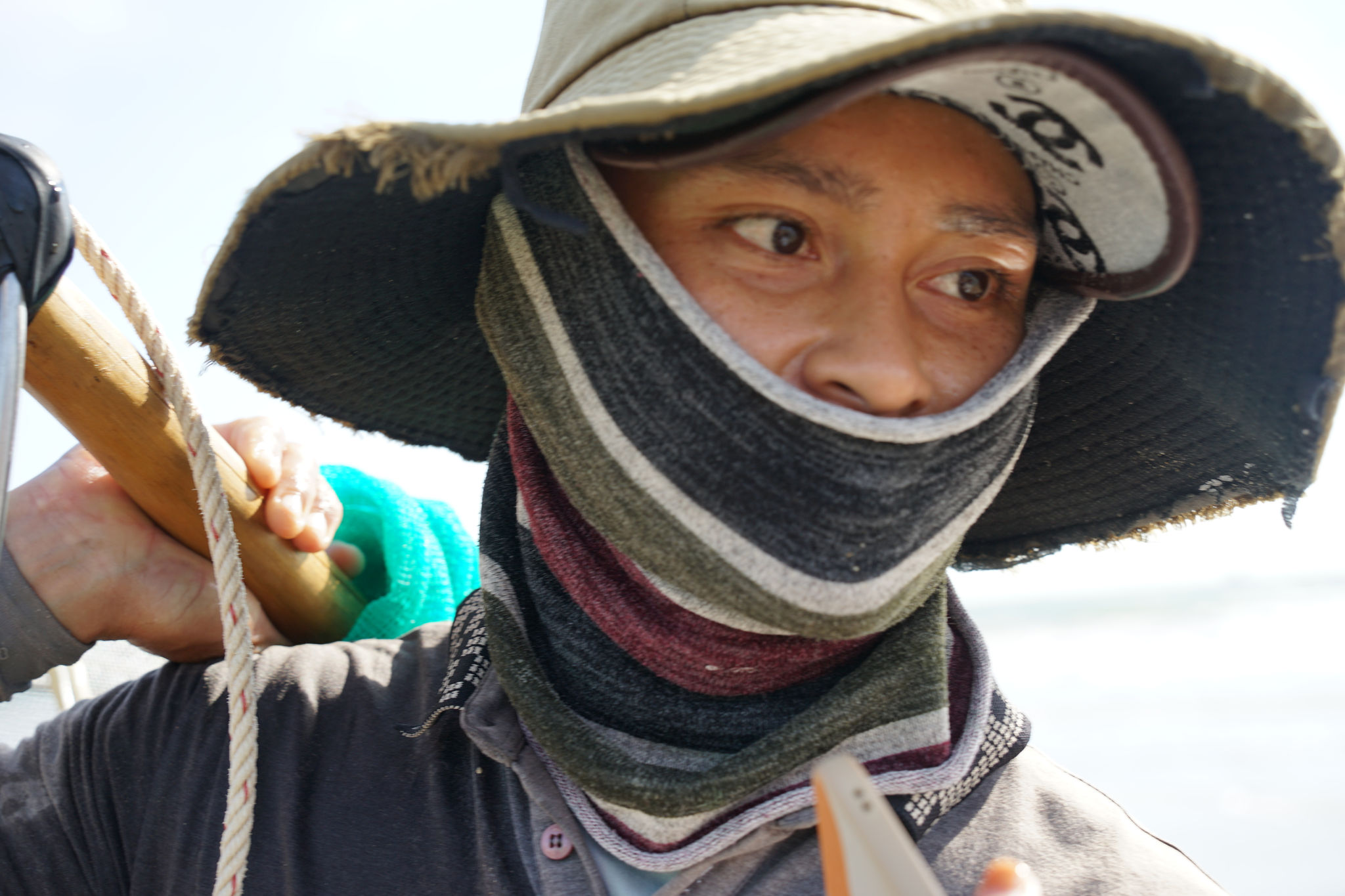
Mr. Le Tung Nhan, a resident in Mui Ne Ward, said he usually arrives at around 3 a.m. to harvest chang chang. ‘Chang chang are available year-round, but you have to time the tides. When the water recedes deeply, we head out to harvest them. Each session can earn a few hundred thousand VND,’ Mr. Nhan shared
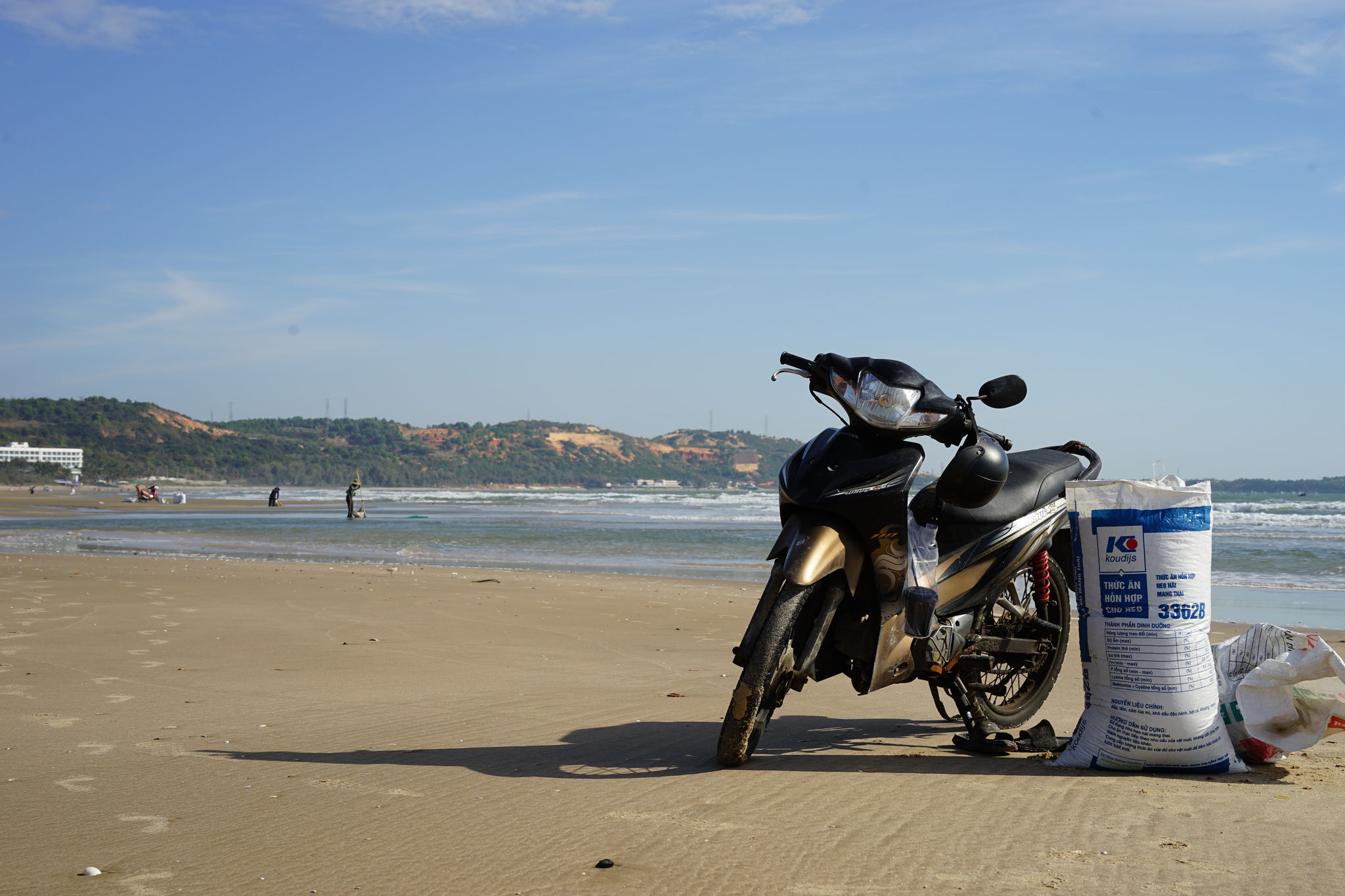
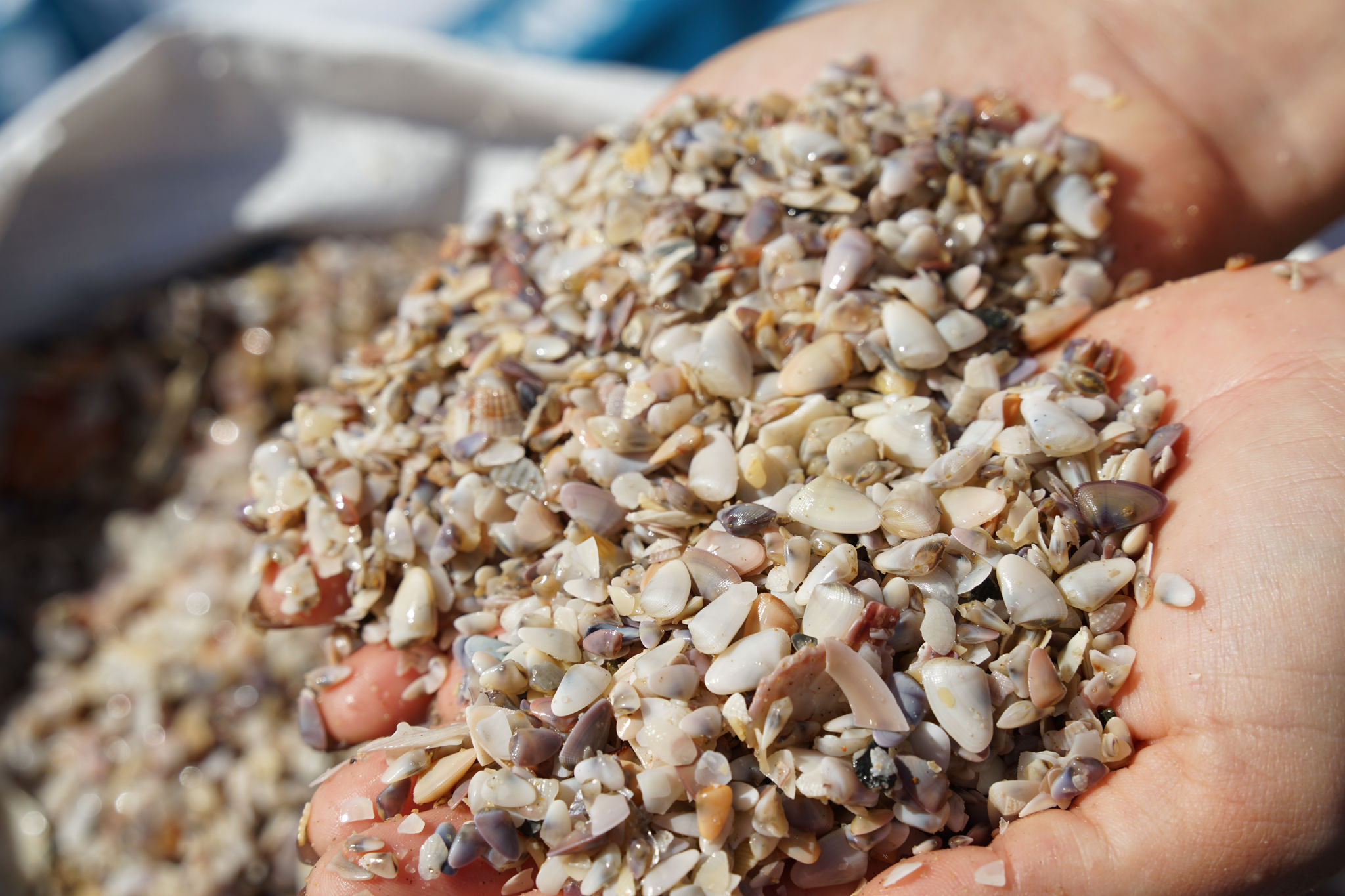
Chang chang is the local name for a small bivalve mollusk, similar to clams or cockles but much smaller in size. They live buried in the sand near the shoreline in saline coastal areas affected by tidal movements, such as Rang Beach in Mui Ne Ward, Tien Thanh Commune, and Hoa Thang Commune in Lam Dong Province. Once harvested, chang chang are mainly processed as feed for shrimp farming.
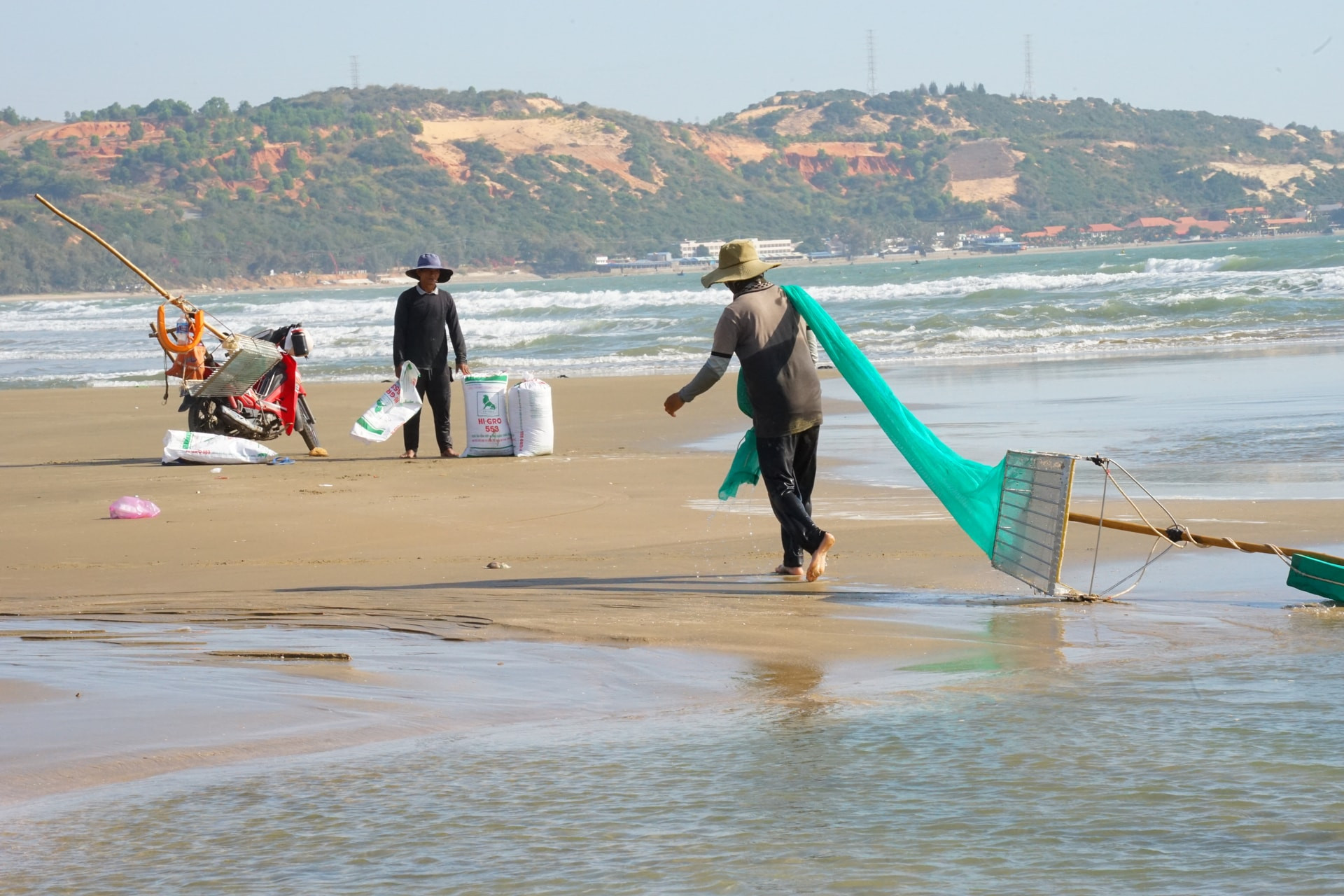
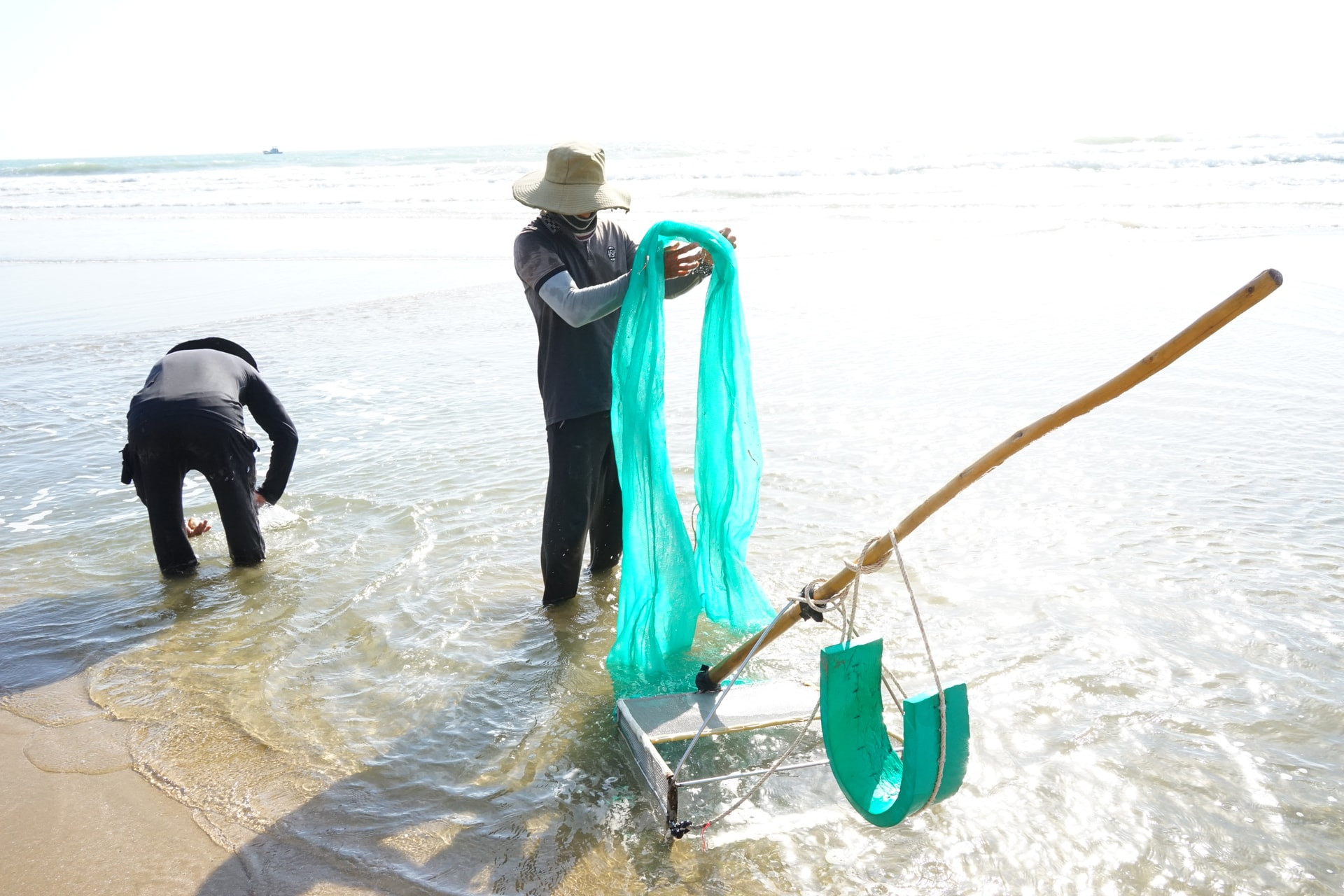
The primary harvesting tool is a stainless-steel dredge basket attached to a hardwood handle more than two meters long. A net approximately three meters in length is fixed to the back of the basket, while its mouth is fitted with sharp teeth to dig into the sand. During harvesting, the basket is dragged underwater, with an additional rope attached to provide greater pulling force.
After each session, the chang chang are gathered into piles, sifted through coarse baskets to remove sand and debris, then bagged and transported to purchasing facilities. Depending on the time and supply, purchasing prices range from 22,000 to 25,000 VND per kilogram. During peak seasons, fishermen’s incomes are comparatively higher thanks to abundant yields.
.jpeg)
.jpeg)
.jpeg)
Currently, there are at least three chang chang purchasing points operating along Mui Ne’s back beach. According to Mr. Pham Van Hien, the owner of one such facility in Quarter 5, around 40 people sell their harvest to his establishment each day.
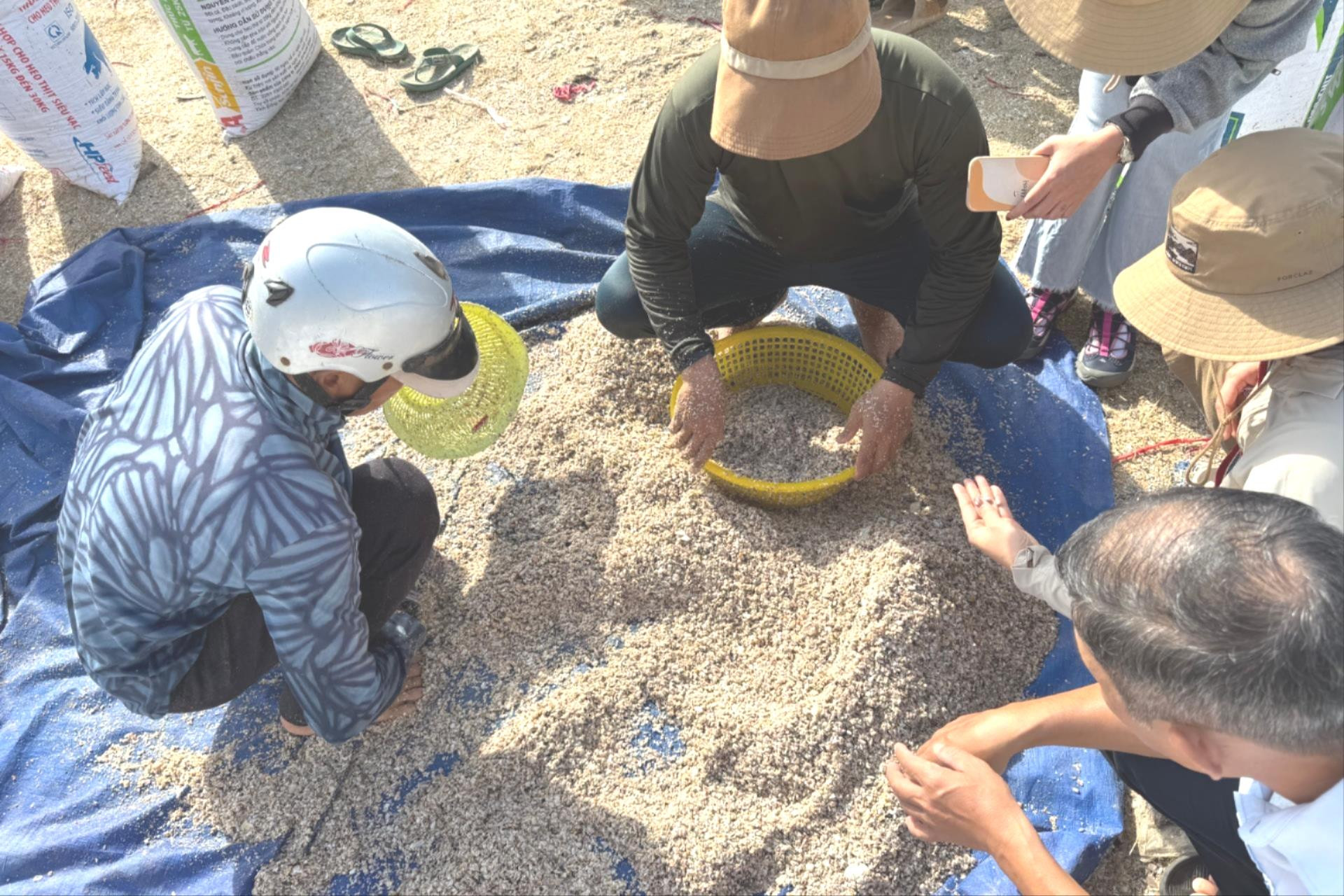
Local fishermen note that chang chang yields are strongly influenced by weather conditions and tidal patterns. Some years see abundant harvests, while others produce limited or even no catch. This year’s favorable conditions, however, have encouraged many residents to take advantage of their free time to participate in harvesting and supplement their income.
The sight of fishermen wading through the shallow waters in the early morning hours, gathering chang chang along Mui Ne’s shoreline, paints a picture of simple, industrious coastal life. Many visitors strolling along the beach pause to observe and capture these everyday moments of the local fishing community.
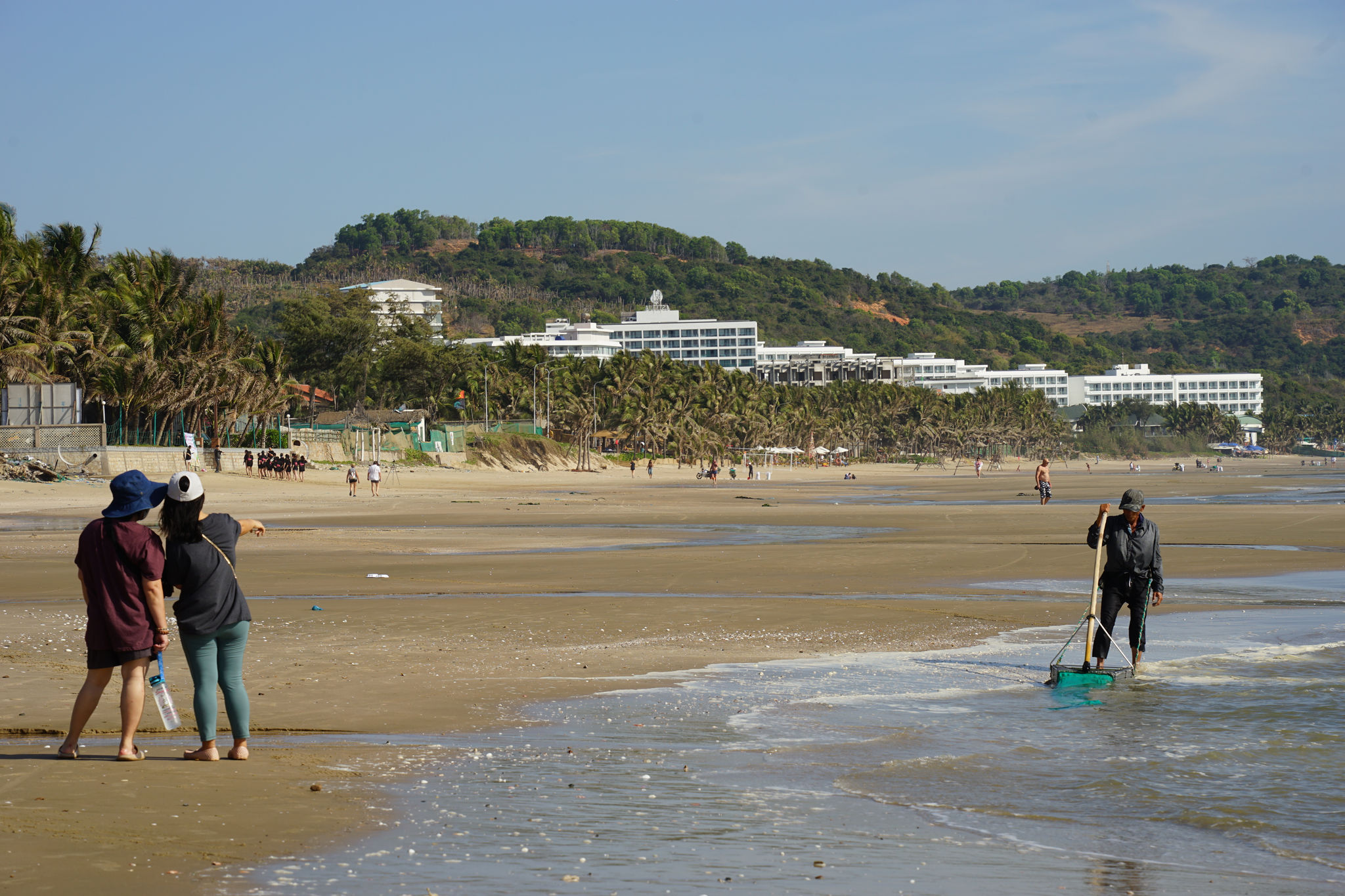
Seasonal chang chang harvesting during low-tide periods not only provides fishermen with an additional source of income during the dry season, but also contributes to the distinctive rhythm of daily life along Mui Ne’s coast whenever the northeast monsoon arrives.