


Helping Lam Dong’s Flower Industry Keep Pace with Global Integration
With nearly 12,000 hectares of flower cultivation and an annual output of 5 billion stems, Lam Dong has significant potential in flower production, yet exports only around 8–10% of its total output. Despite its favorable climate and skilled workforce, the province’s flower industry continues to grapple with a key question: how can it boost exports?
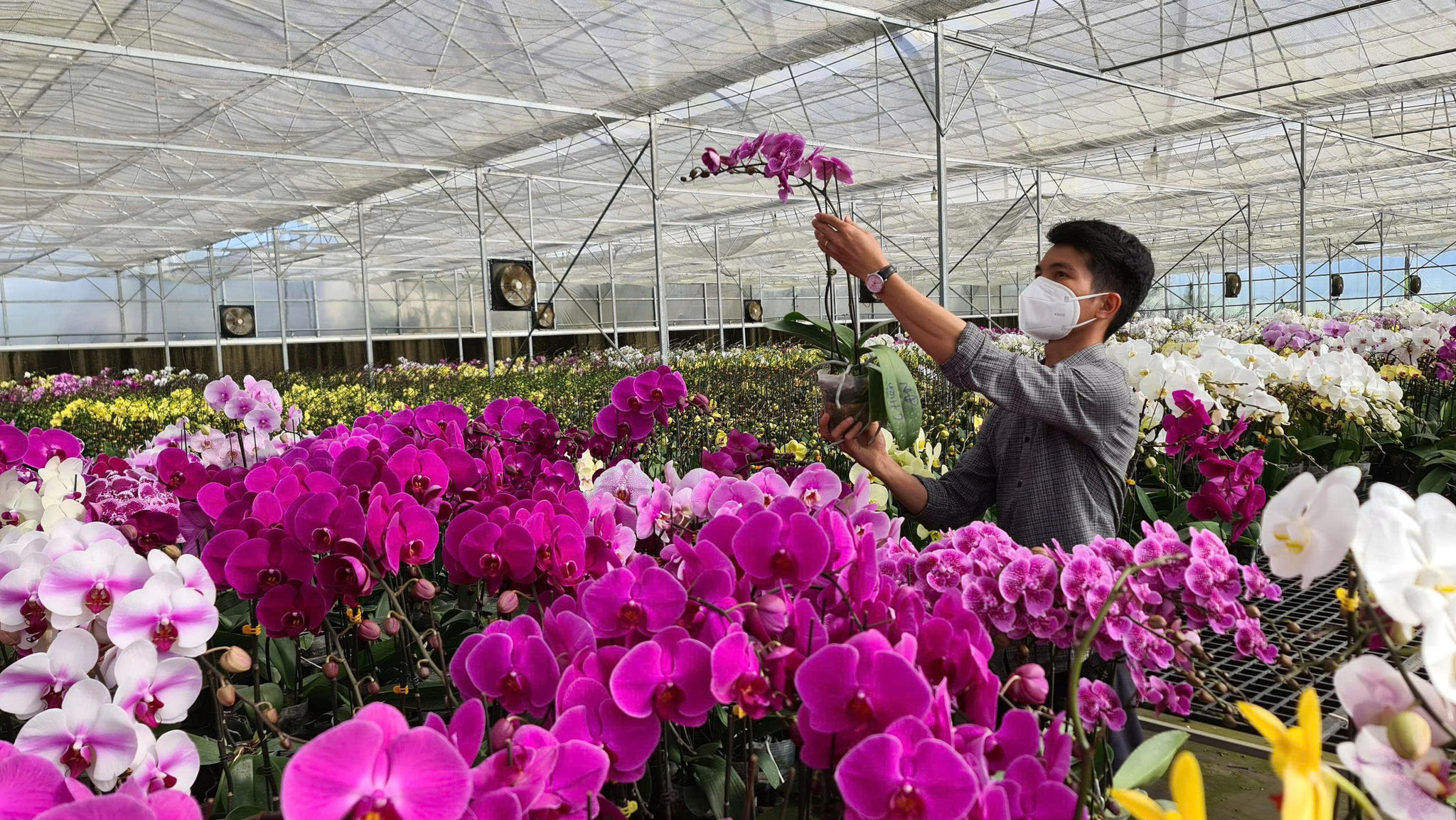
New Varieties Move Faster Than Regulations
Biotechnology is rapidly changing flower varieties. In countries like the Netherlands, Japan, New Zealand and others, breeders are constantly creating new types of chrysanthemums, roses, carnations, and lilies that are more visually appealing, longer-lasting, and more resistant to diseases.
However, Vietnam's regulatory framework, availability of capital, and responses to plant pest and disease risks frequently fall behind these advancements.
Phan Thanh Sang, Chairman of the Da Lat Flower Association, noted: “The timeframe for developing new flower varieties is becoming shorter than the time it takes to update regulatory documents.”
He pointed out that dahlias, fire lilies, and calla lilies are examples. While these flowers are already cultivated in Da Lat, this does not necessarily mean that growers have access to new varieties of these species.
The species may be well-known, but the varieties are novel. However, when import procedures are reviewed in Vietnam, these two separate issues are frequently treated as a single matter.
Circular No. 14/2024/TT-BNNPTNT, which was issued by the former Ministry of Agriculture and Rural Development (now the Ministry of Agriculture and Environment), represented a significant advancement by excluding tissue-cultured plants from the classification of planting materials that require pest risk analysis (PRA).
Nevertheless, the president of the Da Lat Flower Association noted that businesses intending to import truly new varieties that have no prior import record still face a lack of clear instructions regarding the data they need to provide, where to submit it, the procedures to follow, and how long it will take to obtain a result.
“What the flower sector desires is not the elimination of PRA, but rather a system that is increasingly transparent, based on scientific principles, predictable, and proportionate to the risk level,” Sang stated.
The Gap Begins with Planting Materials
Lam Dong currently needs to import approximately 1.6–3.0% of its planting materials each year, primarily for high-end cut flowers such as chrysanthemums, lisianthus, lilies, roses and tulips, to meet the stringent requirements of export markets.
Although this represents a relatively small proportion, these materials play a decisive role in determining the quality of the entire downstream supply chain. Major businesses such as Dalat Hasfarm, Rung Hoa and YSA Orchid Farm have opted for formal import channels.
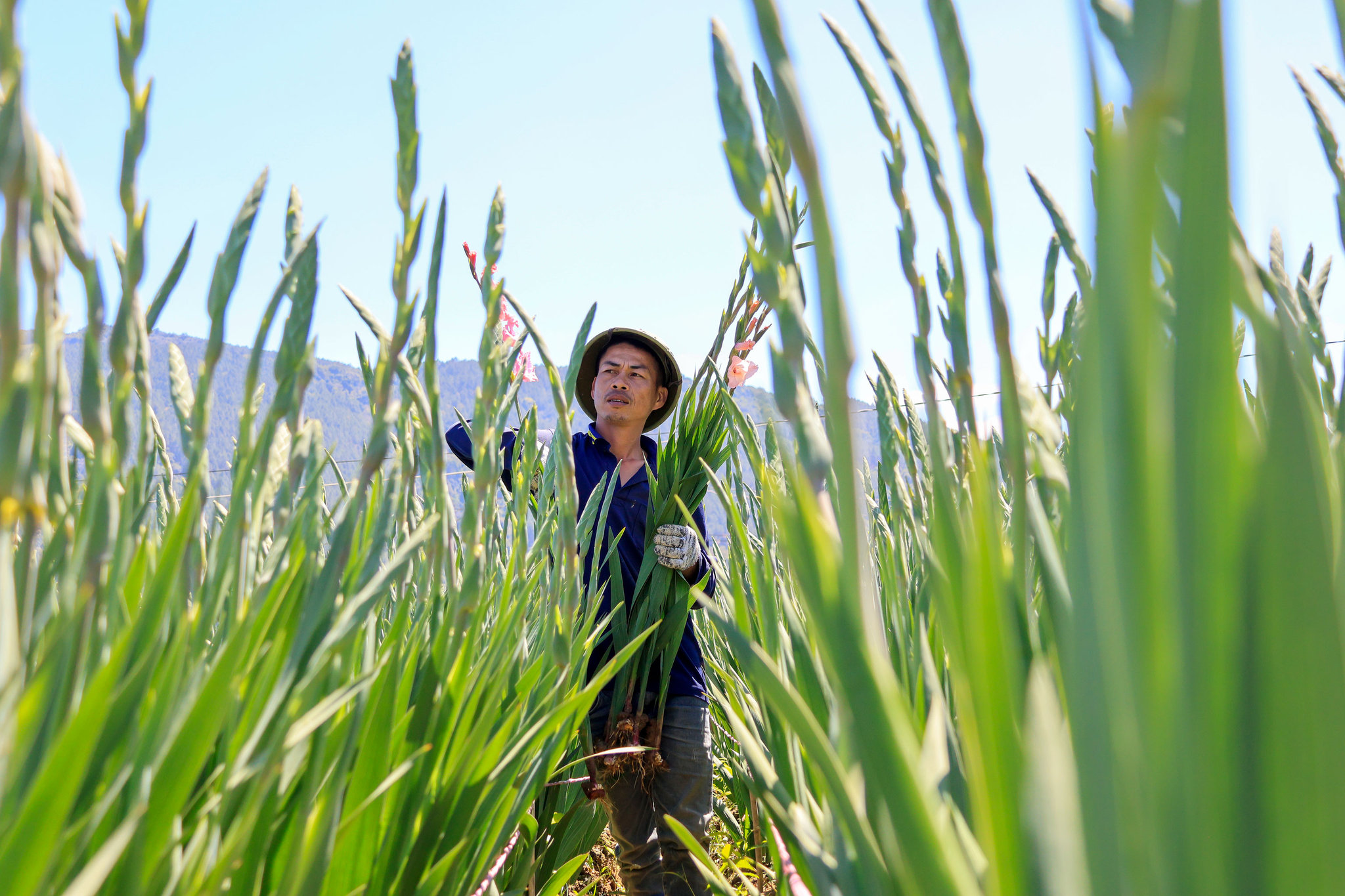
They source different varieties from the Netherlands, Japan, and South Korea and adhere to international regulations on protecting new plant varieties.
Additionally, they possess the necessary resources and staff to navigate the required processes. In contrast, smaller enterprises and individual flower growers find the process to be time-consuming and expensive, leading many to resort to unofficial imports without permits or clear details regarding the origins of the varieties.
The implications of this decision are considerable. Unauthorized varieties that violate plant breeders’ rights may not meet international market standards.
Consequently, much of Lam Dong’s flower production remains limited to the domestic market, even as prospects for entering international markets continue to grow.
Nguyen Thi Phuong, a flower farmer from Da Thien, stated, “Small farms like ours struggle significantly to access new flower varieties. We primarily have to experiment on our own and purchase planting materials based on recommendations, so our products are mostly sold in limited quantities.”
Data from Lam Dong’s agricultural sector reveal a significant disparity between the two categories of varieties. Older varieties that are propagated independently yield an average income of only VND 800 million to 1.2 billion per hectare each year. Their output is predominantly sold in the domestic market, with cut flowers receiving standard market prices.
In contrast, recently licensed varieties can yield an average income of VND 2.5–4.5 billion per hectare each year. They fulfill the standards of demanding markets like Japan and South Korea, and their cut flowers fetch prices that are 40–150% higher than those of similar older varieties.
This means that the income per hectare from new varieties is three to four times greater than that from older varieties. Royalties make up about 10–15% of the initial costs of planting materials. Although this is a significant expense for smallholder farmers, it constitutes just a minor portion of the extra value generated through exports.
Therefore, every growing season in which the introduction of new varieties is delayed represents a missed chance for farmers to benefit from that added value.
Controlling Plant Pests While Opening the Door to New Varieties
Phan Thanh Sang stated: “Everyone in the flower industry supports plant quarantine. Da Lat has experienced damage from pests and diseases, and those of us in the industry recognize more than anyone that the introduction of a single pathogen into the production area can threaten an entire growing region. The real issue is whether the extent of regulation is appropriate to the actual risk."
He contended that evaluations should adhere to a specific set of questions: Which plant species is involved? What kind of planting material is being imported? What is its country of origin? What risks do pests and diseases present? How does the production facility manage disease? And how do the plant protection authorities of the exporting country ensure oversight?
Major plant-breeding countries already have disease-free planting materials, environmentally controlled greenhouses, virus testing and traceability systems. These are data sources that can inform risk classification, rather than placing every case under the same level of scrutiny.

During recent workshops, specialists, economists, and prominent flower-growing companies have highlighted that for Lam Dong to increase the proportion of its flower production aimed at export beyond the current approximately 10%, the province needs to focus on three key priorities at the same time: conserving native genetic resources, developing and securing intellectual property rights for locally developed varieties, and enabling the controlled introduction of new global varieties.
An open and transparent plant quarantine system that honors the rights of plant breeders would also enhance international breeders' confidence in introducing new varieties and technologies to Vietnam.