


High-Tech Melon Farms Gear Up for the Tet Market
As the Lunar New Year of the Horse (Binh Ngo) 2026 approaches, high-tech melon farms in eastern Lam Dong Province are entering their peak production season, expanding cultivation areas and staggering harvest schedules to meet rising demand for festive displays and gift-giving.
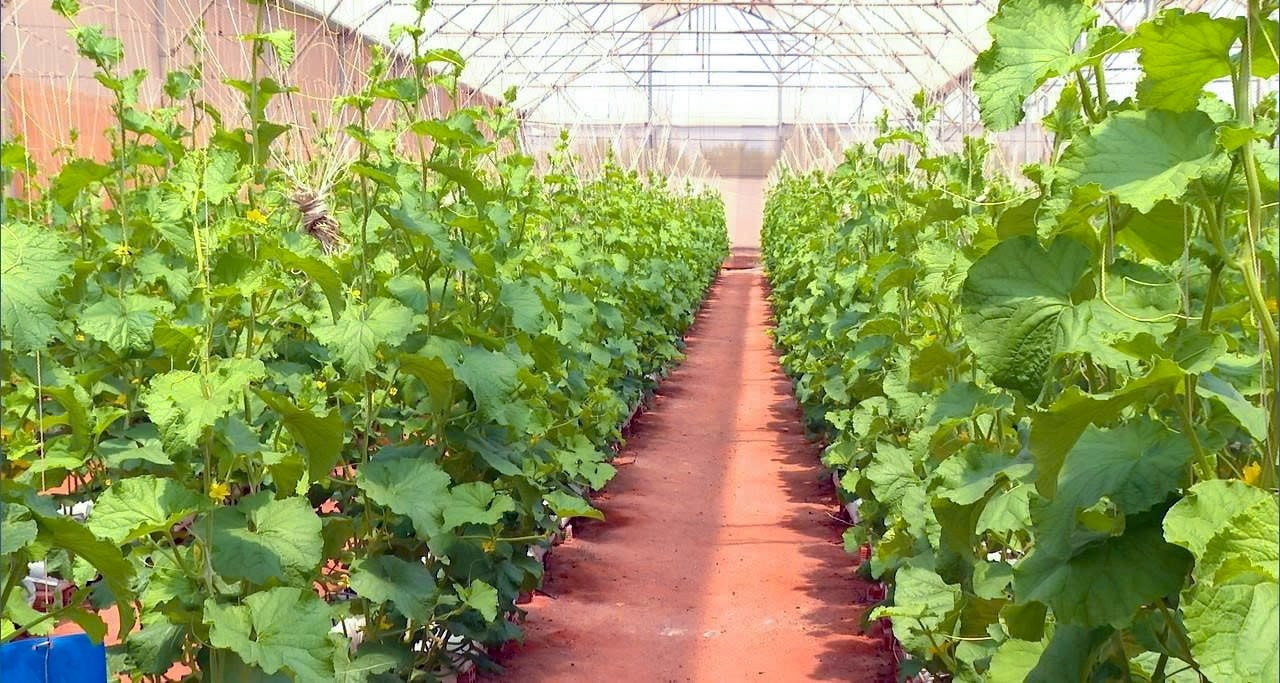
Proactive staggered production to boost output for the Tet market
To prepare for the Tet holiday market, many farms have increased their planting areas by 30–60 percent, with some even doubling production compared to regular seasons.
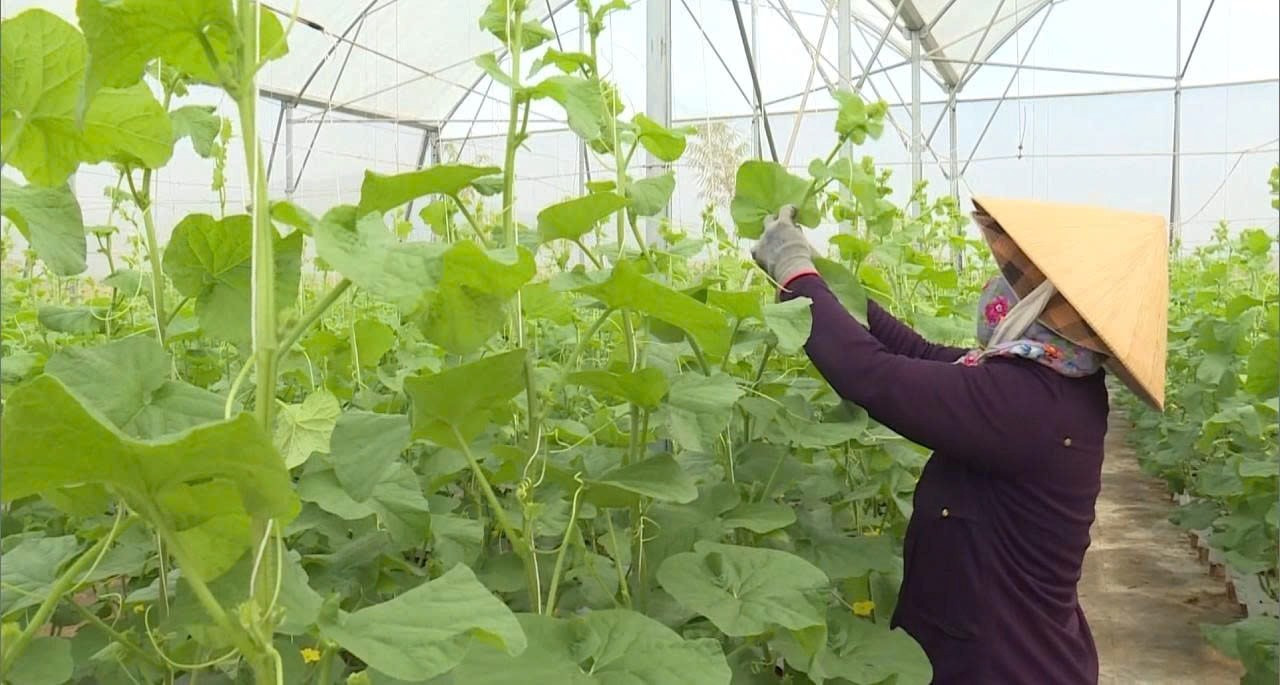
The “Tuy Phong Melon Team,” cultivating about three hectares, has allocated half of its area to staggered production to ensure harvests coincide with the Tet holiday. With flexible growth cycles ranging from 55 to 75 days depending on the variety, farmers can adjust planting schedules to fulfill contracts with businesses, fruit retailers and traders at major wholesale markets.
According to Nguyen Huu Tan, owner of a high-tech melon farm in Phan Ri Cua Commune, Tet-season production requires more meticulous planning in terms of timing, product quality and visual appeal.
.png)
Currently, eastern Lam Dong localities such as Lien Huong, Phan Ri Cua, Hoa Thang, Tan Thanh, Ham Thuan Bac and Hong Son ... have nearly 200 hectares of high-tech melon cultivation. Of this total, around 100 hectares are estimated to be dedicated to the 2026 Tet market.
While farms typically grow 10 to 12 different melon varieties during regular seasons, Tet production focuses on premium varieties with attractive appearances and high quality, including Huynh Long, Dac De Mat, Hoang Long, Hami, 88 and TL3… These varieties are favored for both five-fruit trays and family consumption during the Lunar New Year.
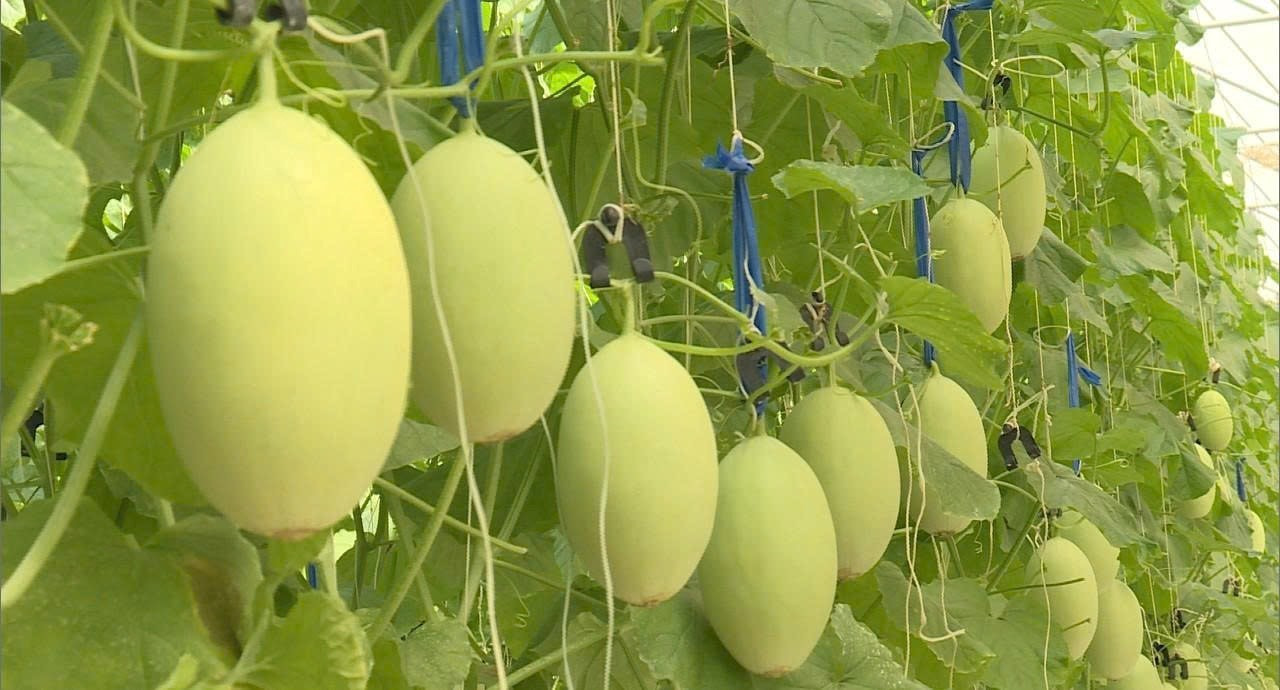
Demand and prices for melons during Tet are consistently higher than usual, encouraging farmers to invest in expanded production and advanced technologies to improve yields and product quality.
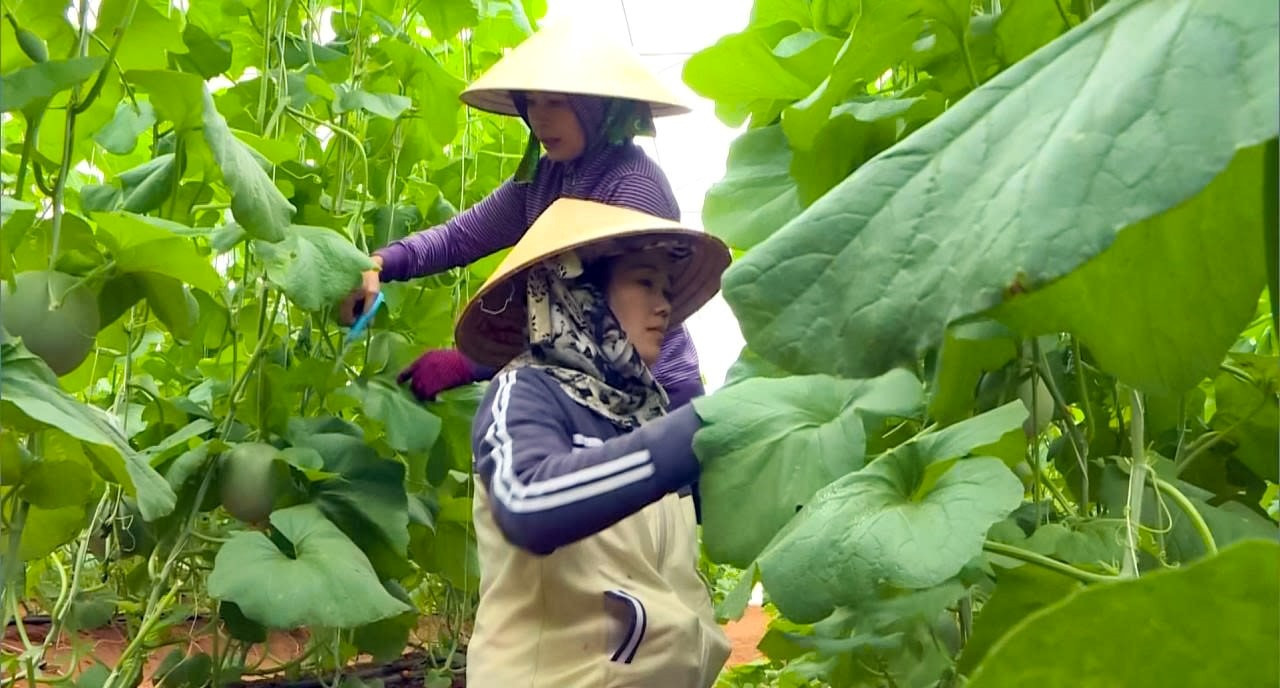
High-tech farming opens new opportunities for agriculture in challenging regions
Once considered a challenging agricultural region due to its dry climate and limited rainfall, eastern coastal Lam Dong has seen a transformation through the widespread adoption of science and technology.
Melons are grown in net houses using coconut fiber substrates, automated irrigation and fertilization systems, and digital controls for temperature, humidity and light.
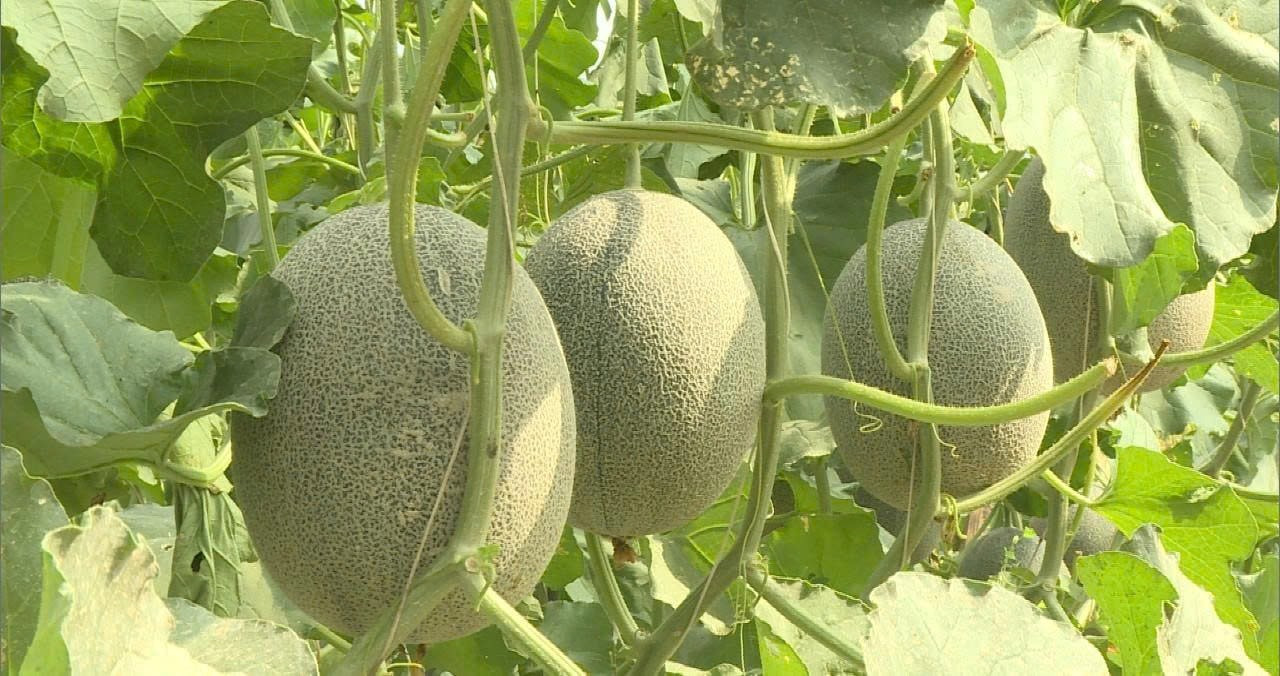
Production processes rely on biological products, with data continuously programmed and monitored, allowing plants to grow steadily while minimizing pests and diseases. As a result, harvested melons are uniform in size, stable in quality, safe for consumers and easily traceable.
Tran Dinh Dung, manager of a high-tech melon farm in Tan Thanh Commune, said digital technology has significantly reduced labor costs, mitigated weather-related risks and improved production efficiency. On average, farmers can earn profits of VND 50–80 million per 1,000 square meters after a single crop cycle of about 2.5 months.
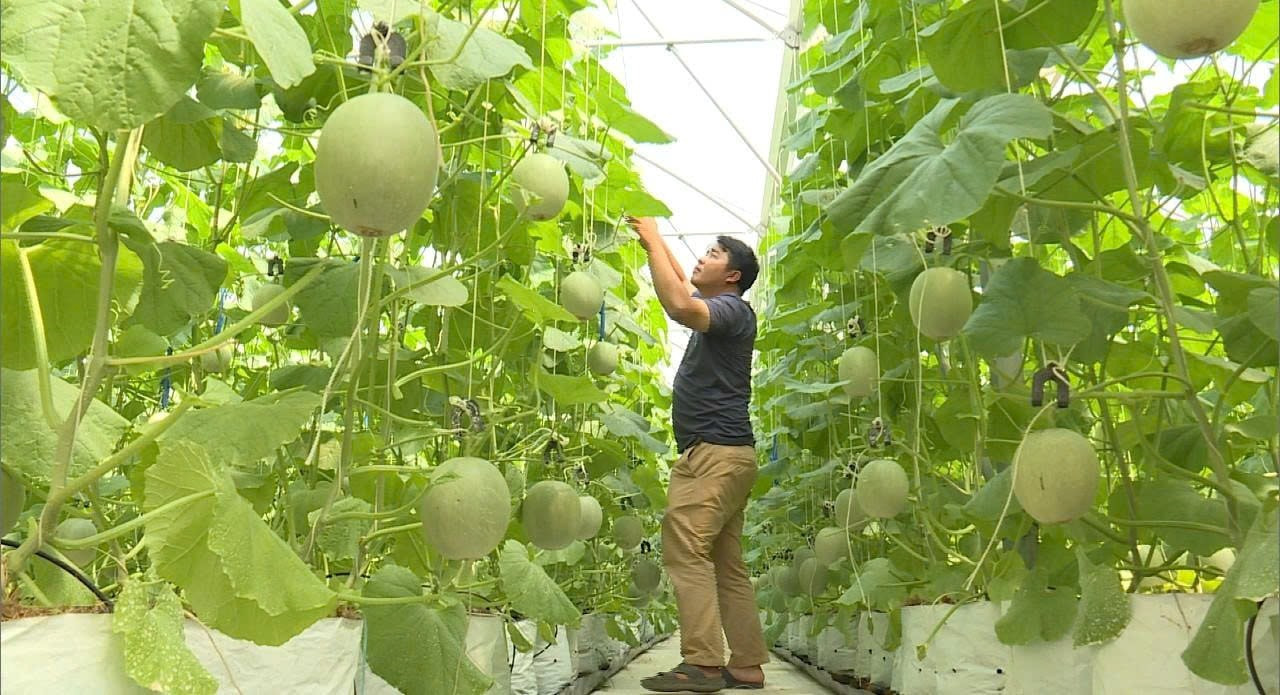
To date, more than a dozen melon products from eastern Lam Dong have been certified as OCOP three-star products and are widely distributed at supermarkets, clean fruit stores and wholesale markets in Ho Chi Minh City and Hanoi. Several businesses are also exploring export opportunities.
In Vietnamese folk belief, melons symbolize family reunion, prosperity and abundance. Their sweetness represents fulfillment and happiness, while their round shape signifies good fortune and wealth. As a result, melons are increasingly featured on five-fruit trays in Vietnamese households each Lunar New Year.