


Hon Cau: Where Spring begins at sea
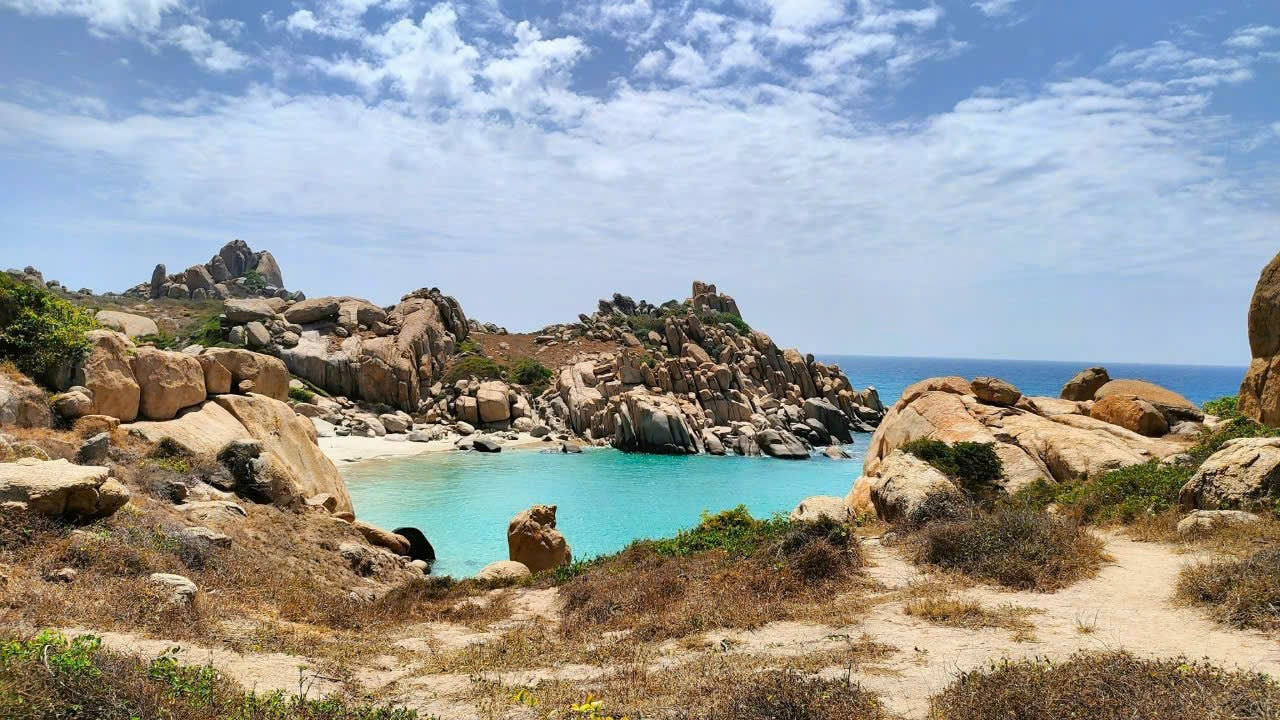
Amid the vast open sea, Hon Cau (also known as Cu Lao Cau) is often likened to a “kingdom of stones,” with rock formations of striking and unusual shapes. Yet in this place that seems to hold nothing but sun, wind, and fierce waves, life is carefully nurtured and preserved, little by little.
Spring on the Mainland, Spring Offshore
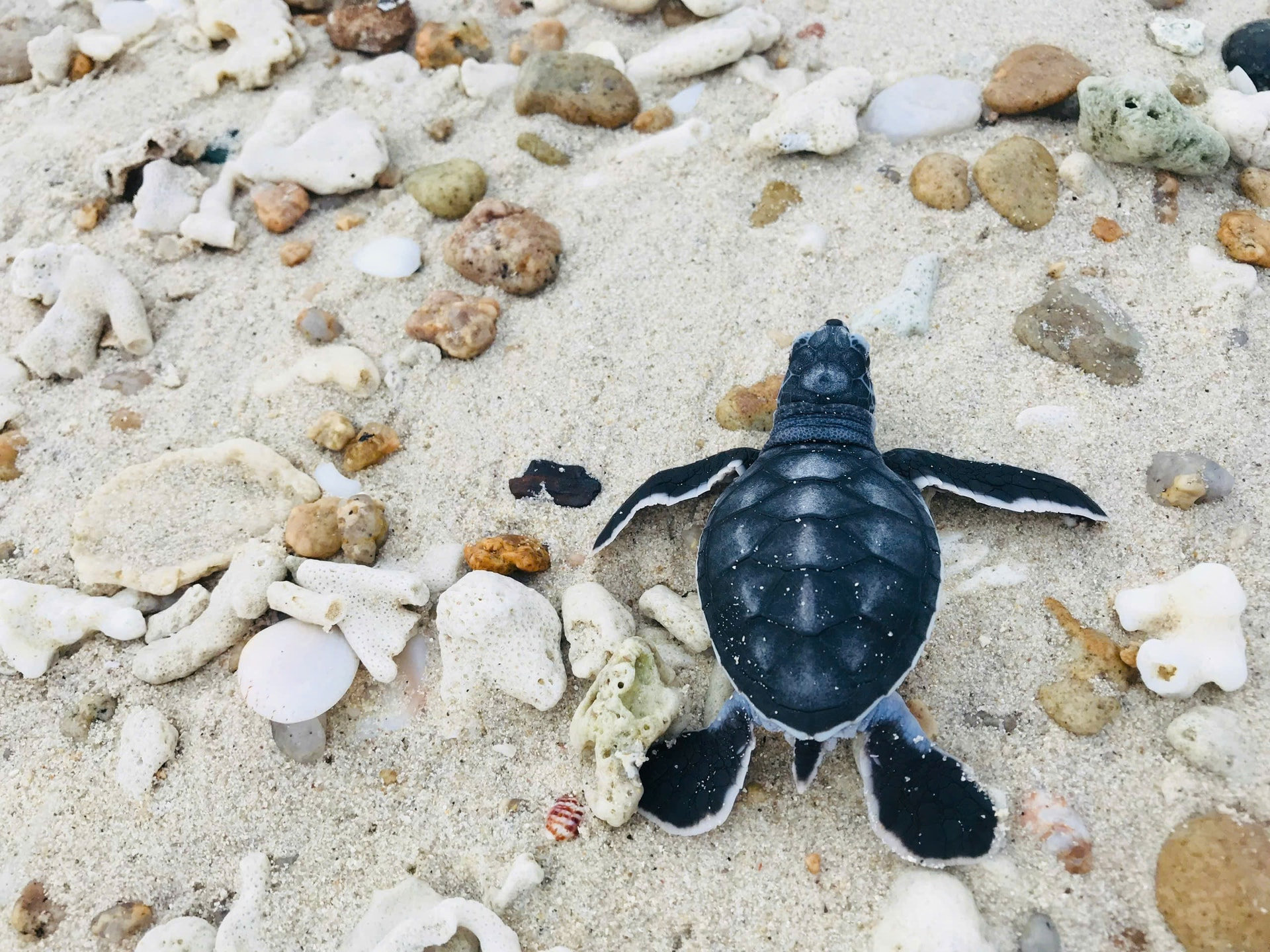
Spring in Hon Cau does not begin with blossoms in bloom or the crackle of fireworks. On this small island off the coast of Lien Huong Commune, spring arrives while the northeast monsoon still carries a lingering chill and waves crash relentlessly offshore. Amidst this harsh weather, life quietly unfolds, on deserted sandy beaches at night, in the heavy, patient crawl of a sea turtle returning to shore to entrust her life cycle to the sand and sea.
Here, however, humans have chosen a different way of coexisting with the ocean: stepping back so that the sea may rest. This choice has shaped a very distinct spring for Hon Cau, a spring of continuity and renewal.
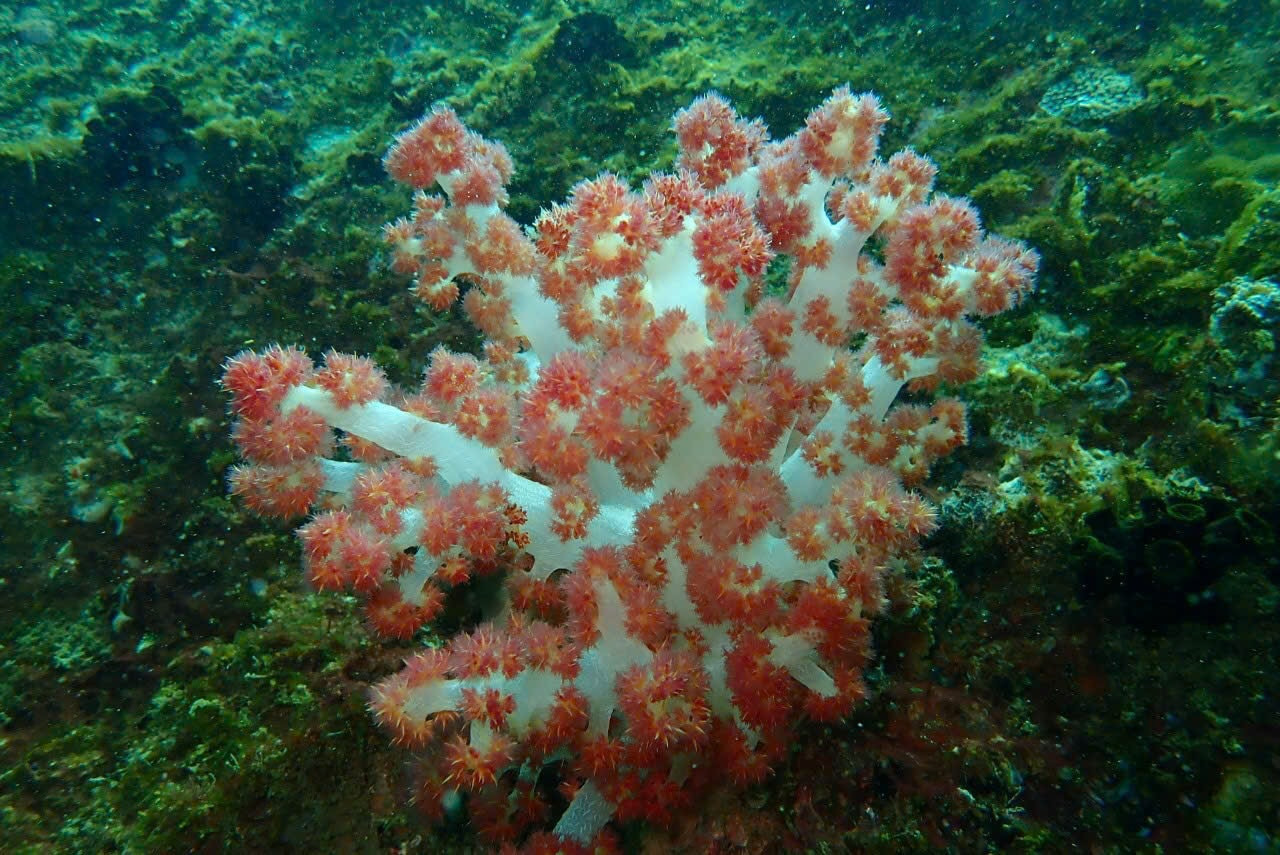
Today, Hon Cau is known as a Marine Protected Area. Behind that designation lies a long journey of awareness and responsibility. There was a time when fishing boats anchored around the island and coral reefs bore the brunt of human activity. When signs of ecological decline emerged, protecting Hon Cau did not simply mean “closing off” the sea; it meant accepting the need to slow down so nature could recover.
“Sea turtles are like an ecological barometer. If they continue to return, it means the environment remains healthy. That is something we deeply value, but it is also a great responsibility, because even a small mistake could cause them to disappear for good.”
Mr. Nguyen Thanh Phuc, Acting Director of Hon Cau Marine Protected Area
According to Mr. Phuc, marine conservation demands greater patience and perseverance than almost any other field. “The sea cannot recover overnight. Some values must be measured in years, even generations. If we do not begin today, there will be nothing left for the future,” he shared.
Unlike what many might imagine, Lunar New Year is not a bustling time on Hon Cau. Sea turtle nesting season typically falls between May and October. The days leading up to Tet often coincide with rough seas and strong winds, making travel to the island difficult. During this period, monitoring and protection efforts are adjusted flexibly, combining mainland duty shifts with island access when weather permits. The sea rests in its own way, and people, too, must yield to the rhythm of the monsoon.
The Sea Turtles’ “Guardian” and Sleepless Nights
One of the clearest signs of successful conservation at Hon Cau is the return of sea turtles to its shores. To safeguard their nests, some choose to keep vigil with the sea at night—quietly, patiently, and with unwavering devotion.
Among them is Luu Yen Phi, a staff member of the Hon Cau Marine Protected Area, affectionately known by her colleagues as the sea turtles’ “guardian.” Her work keeps no office hours. During nesting season, sleepless nights are simply part of life for her and her team.
A faint, unfamiliar trail across the sand or the softest rustle in the darkness may signal a turtle’s return. There are no raised voices—only silent observation from a respectful distance, illuminated by the gentle glow of red-filtered flashlights so as not to startle the fragile visitor.
“Sea turtles are extremely sensitive. Even a small light or unexpected noise can cause them to abandon their nest and retreat to the sea. Sometimes we have to stand perfectly still for a long time, waiting until the turtle has finished laying her eggs before we can move closer,” Yen Phi shared.
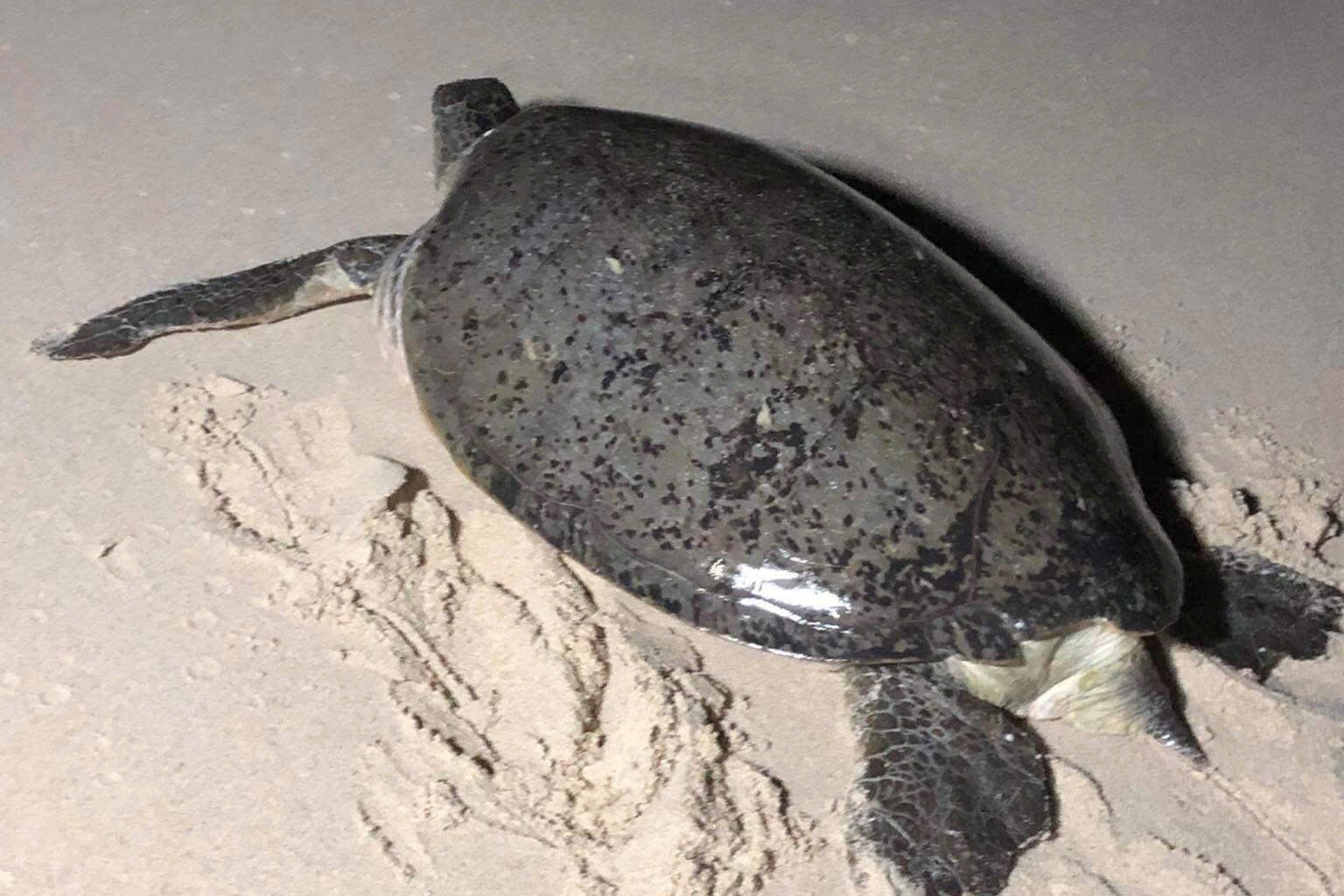
For her, spring is not marked by the stroke of midnight on New Year’s Eve, but by the traces a mother turtle leaves behind in the sand—tiny lives waiting for the day they break free and make their first journey toward the open sea.
At a time when many coastal destinations prioritize rapid tourism development, Hon Cau has chosen a different path: limiting exploitation, minimizing impact, and preserving the pristine balance essential to its marine ecosystem. It is not an easy choice. Short-term economic gains often exert strong pressure.
“Marine conservation does not bring immediate profit. But if we trade everything for short-term development, our descendants will have no sea left to depend on,” Mr. Phuc reflected.
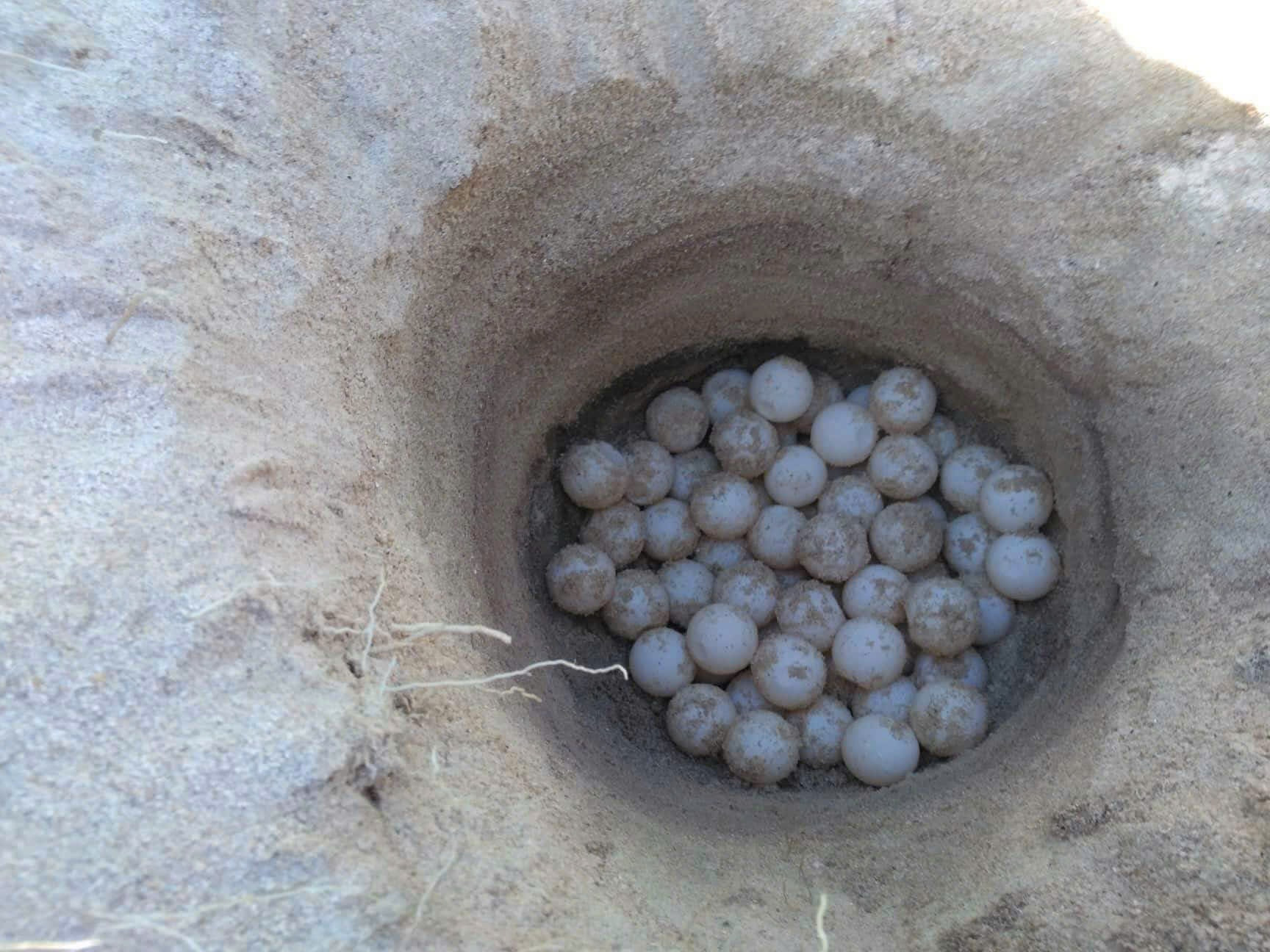
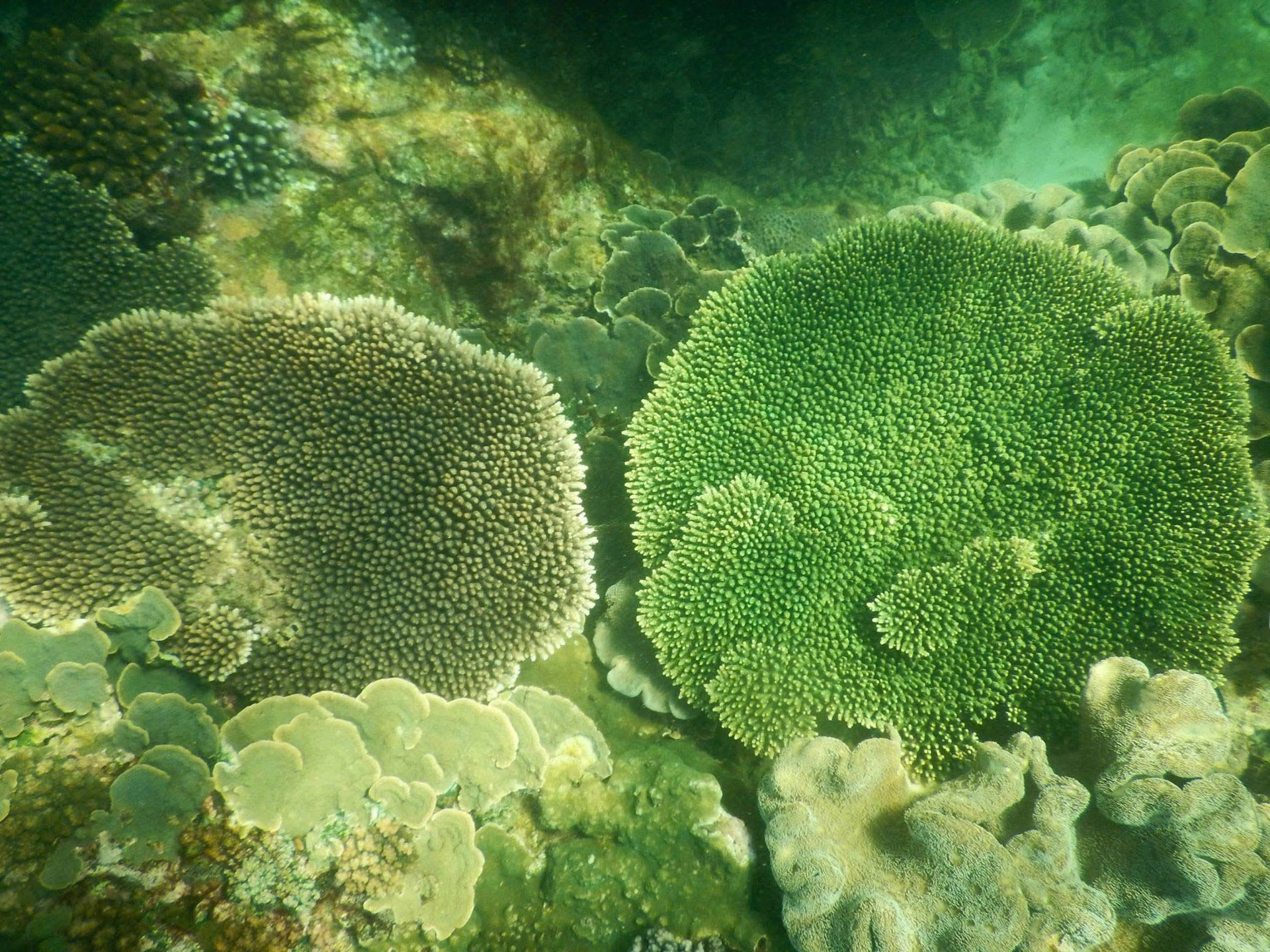
When hatchlings finally emerge from beneath the sand and instinctively head toward the vast ocean, it is the most beautiful moment on Hon Cau. Spring here is felt in the clarity of the water that still welcomes turtles home, in the quiet necessary for coral reefs to regenerate.
Another spring arrives. And the greatest wish of those who guard this sea is simple: that the waters remain blue, the island peaceful, and that life always finds its way back to the ocean.