


Hong Son taps its agricultural potential
From crop restructuring to the development of concentrated production areas, Hong Son Commune is working to make better use of its land potential, increase agricultural value, raise local incomes and promote sustainable farming.
Restructuring crops to increase production value
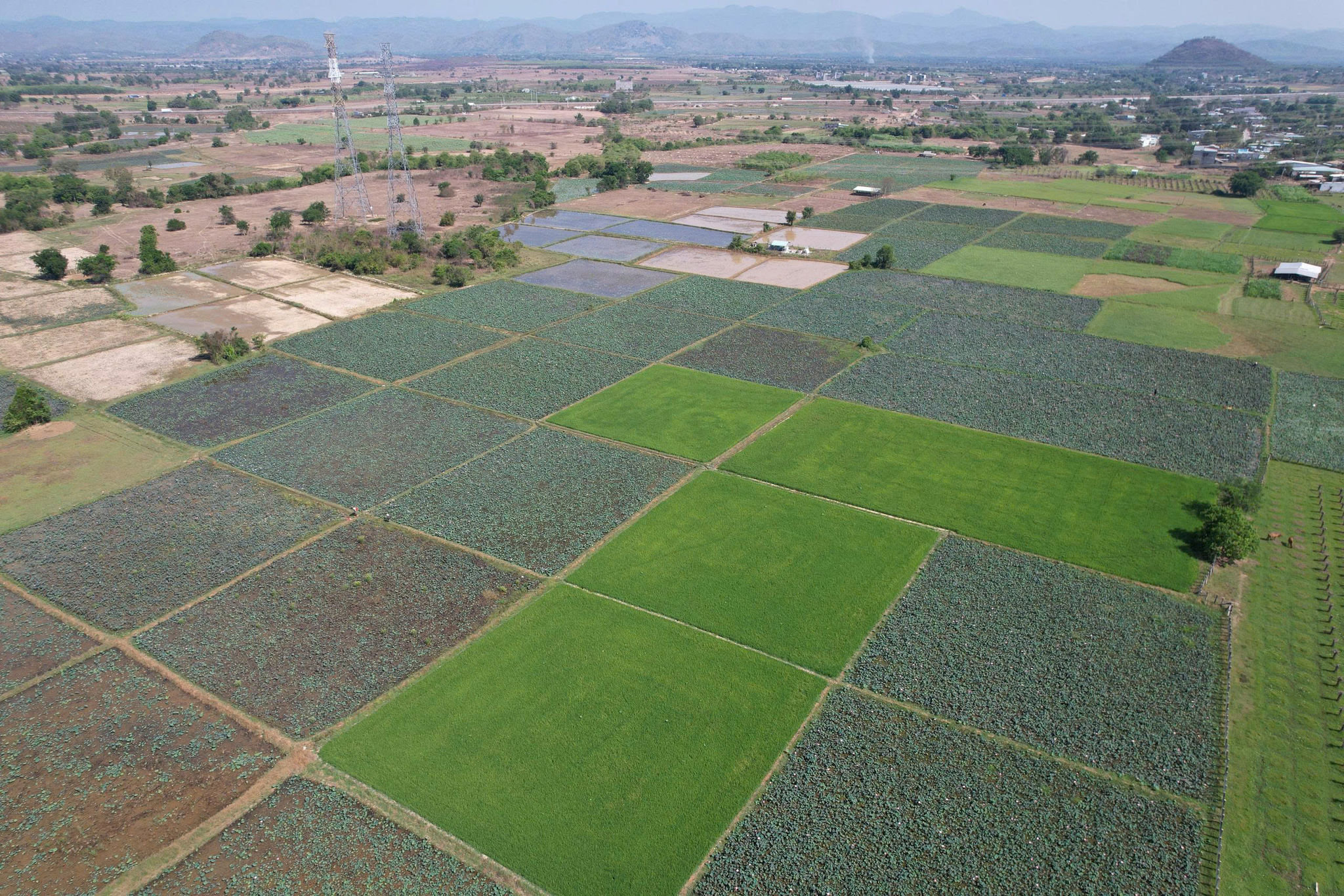
Le Xuan Sang of An Thai Hamlet decided to convert his 1.2 hectares of rice fields to lotus cultivation after seeing rice prices remain low while input costs continued to rise. According to Sang, lotus has a short growing cycle and can be harvested after about three months, allowing three to four crops a year.
Profit reaches around VND 5-7 million per sao per crop, depending on the season and market price. During the off-season, fresh lotus seeds fetch higher prices. In the main season, prices fall, but higher yields still allow growers to make a profit.
Compared with rice, lotus cultivation gives his family greater flexibility in choosing planting seasons while improving land-use efficiency.
The locality has called on organizations and individuals to invest in workshops and facilities for shelling, preliminary processing and processing lotus seeds to increase the value of products supplied to the market. Once these facilities operate steadily, the locality expects to expand production, invest in equipment and gradually bring lotus seed products to wider markets.
Nguyen Thanh Minh, Vice Chairman of the Hong Son Commune People's Committee
Sang's story reflects a broader shift now taking place in several production areas of Hong Son Commune. In the past, lotus was grown by only a small number of households on a limited scale, mainly for family use and landscaping. In recent years, rising demand for fresh and dried lotus seeds has encouraged more farmers to introduce lotus into crop rotations on former rice land, gradually forming concentrated production areas.
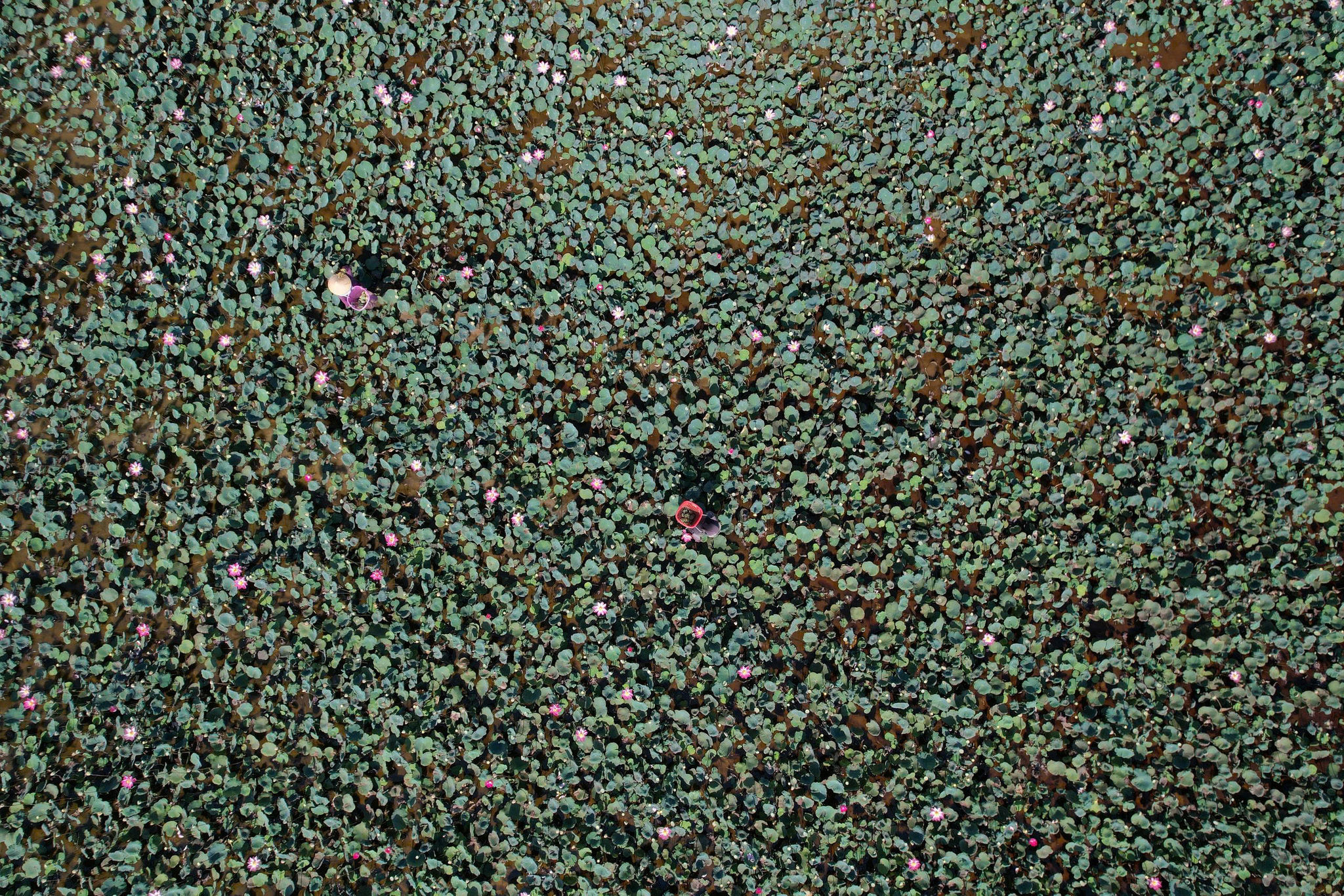
According to the Hong Son Commune People's Committee, more than 300 hectares of rice land have so far been converted to lotus cultivation, concentrated in An Thai, Suoi Da and Long Thanh hamlets. The model generates economic returns two to three times higher than those from rice cultivation. In addition, more than 33 hectares of Siamese coconut trees have been planted in Thuan Phong, Long Thanh and Long Phu hamlets, providing stable incomes that are several times higher than those from some other crops.
Nguyen Thanh Minh, Vice Chairman of the Hong Son Commune People's Committee, said Hong Son is an agricultural commune where dragon fruit and rice were previously the main crops. However, amid unstable dragon fruit prices, farmers have shifted to lotus and other crops offering better economic returns. In response, the locality has coordinated with the provincial Sub-Department of Crop Production and Plant Protection and relevant agencies to review and assess production areas and study ecological and environmental conditions, helping guide farmers toward more suitable crop conversion and higher incomes.
Developing concentrated production areas
Building on the initial success of crop conversion models, Hong Son is restructuring its agricultural sector toward a more modern, sustainable and climate-resilient direction, with production increasingly linked to market demand. The focus is on planning crop zones suited to local land and water conditions, improving agricultural product quality and strengthening market linkages.
During the 2026-2030 period, the locality will maintain dragon fruit production in suitable areas while gradually shifting toward safe and organic farming linked to production-area codes for export. It also plans to develop concentrated rice production areas, prioritizing high-quality varieties, water-saving practices and the "One Must, Five Reductions" approach, while expanding black sesame in dry areas suitable for crop rotation.
For cassava-growing areas dependent on rainfall, the locality is encouraging the cultivation of drought-tolerant fruit trees such as red-fleshed jackfruit, custard apple and Siamese coconut. It is also studying models combining drought-tolerant grass cultivation with cattle and goat farming. Aging cashew orchards will be replanted or grafted with higher-yield varieties and intercropped with short-term legumes to improve land-use efficiency.
Hong Son aims to establish at least one to two concentrated production areas of more than 50 hectares each with coordinated infrastructure, while targeting VietGAP or organic standards on 70-80% of the cultivated area. The locality also plans to strengthen and develop at least two to three effective cooperatives with market linkages, along with five to seven commodity-based cooperative groups.