


How Can Coffee Move Beyond Raw Exports and Low Prices?
Although Lam Dong is Vietnam's largest coffee-growing region, it remains trapped in a cycle of exporting raw beans at low prices. The time has come for this strategic industry to shift from exporting green beans to producing high-value processed coffee products.
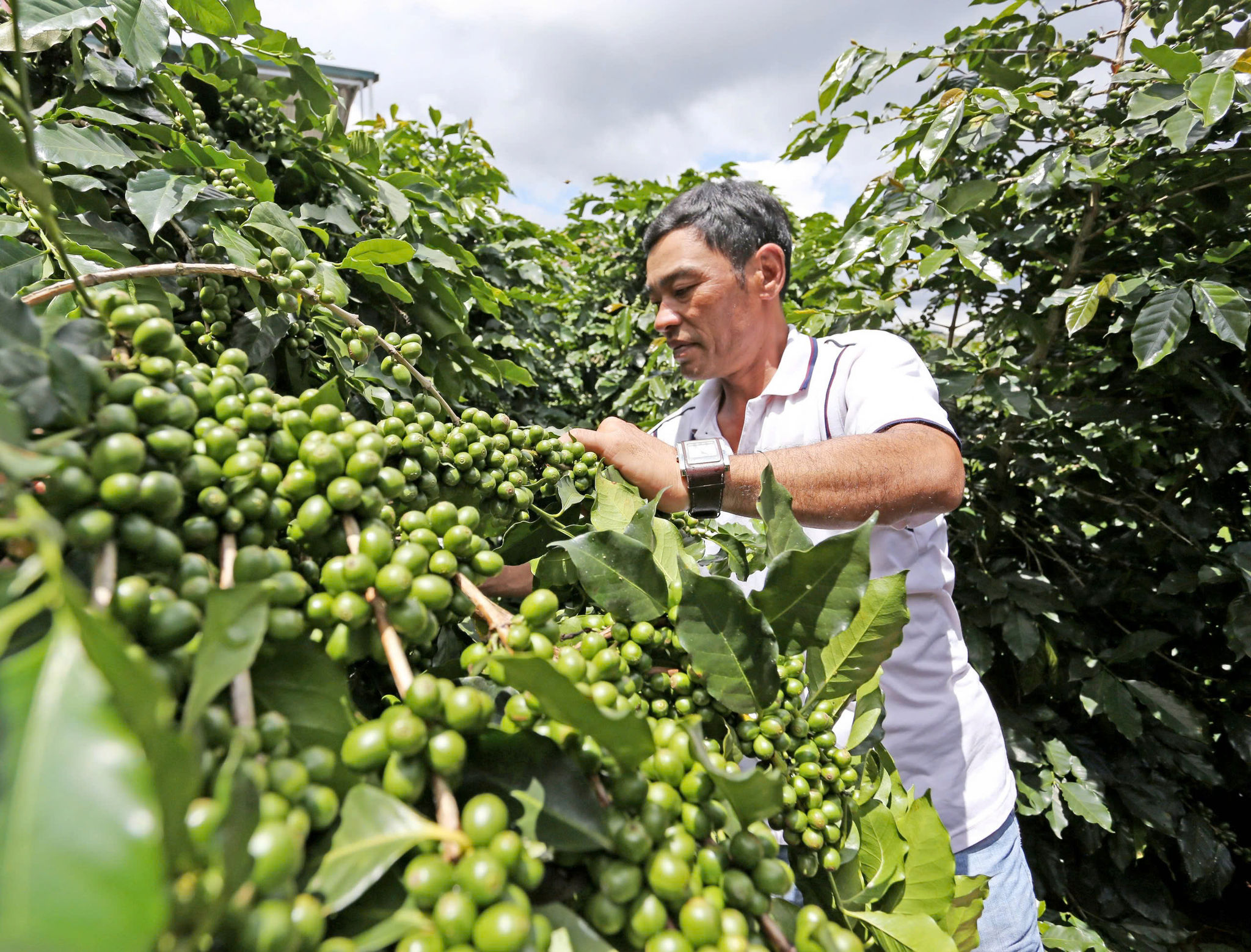
The Paradox of Vietnam's Coffee Capital
In 2025, coffee, seafood, and cashew nuts were the three leading agricultural exports to key markets such as the European Union, accounting for 49%, 15%, and 14% of export value respectively.
In the first four months of 2026, Vietnam exported approximately 791,090 tons of coffee worth US$3.66 billion. However, behind these impressive figures lies a concerning reality: export volume increased by 9.4%, while export value fell by 10.3% compared to the same period last year.
This decline highlights one of the coffee industry's biggest weaknesses—its heavy reliance on raw coffee exports.
Lam Dong currently has the largest coffee-growing area in Vietnam, with around 314,000 hectares in production and an average yield of 3.2 tons of green coffee beans per hectare. Yet nearly all of its exported coffee remains in raw bean form. Meanwhile, processing accounts for up to 60% of a cup of coffee's flavor and refinement.
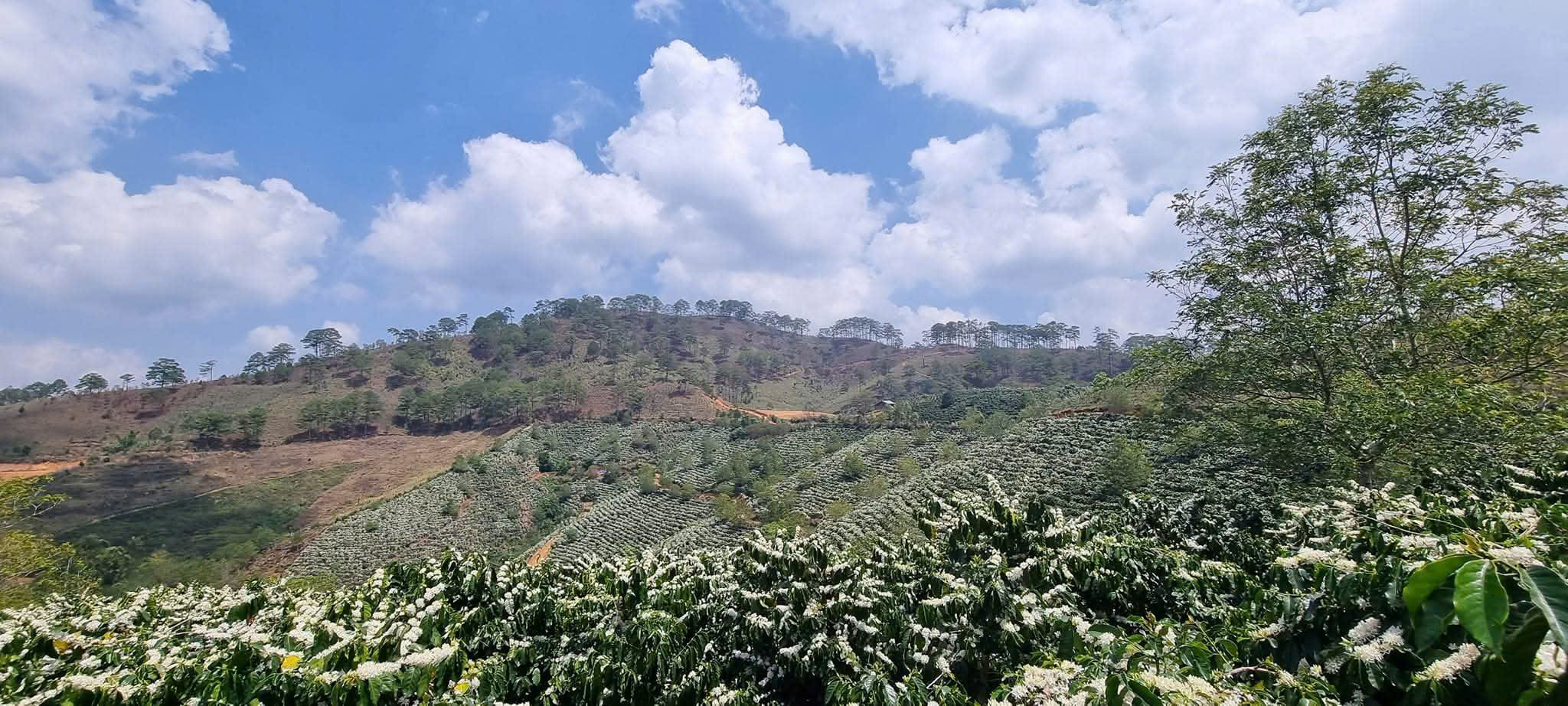
Nature has blessed Lam Dong with ideal conditions for cultivating both high-quality Robusta and Arabica coffee varieties. This gives the province strong potential to become a market leader.
"It is unfortunate that Lam Dong possesses internationally certified coffee-growing regions meeting standards such as 4C, Rainforest Alliance, VietGAP, and organic agriculture, along with valuable geographical indications recognized worldwide, including Cau Dat Arabica coffee. Yet the actual economic returns generated from these brands remain far below their true potential," said Bach Thanh Tuan, Vice Chairman of the Vietnam Coffee-Cocoa Association.
Technology as the Key to Unlocking Value
According to the Vietnam Coffee-Cocoa Association, Vietnam has signed a total of 17 bilateral and multilateral free trade agreements (FTAs).
New-generation FTAs such as the EVFTA, CPTPP, and RCEP offer significant tariff advantages. However, they also impose increasingly strict technical requirements.
If Lam Dong's coffee industry continues to rely on fragmented small-scale production and weak supply-chain linkages, it risks losing competitiveness.
"Major markets no longer buy coffee beans alone; they also assess the environmental responsibility behind their production. Requirements related to the EU Deforestation Regulation (EUDR), Net Zero commitments, sustainable labor practices, and ESG principles are becoming essential prerequisites for market access," Tuan emphasized.
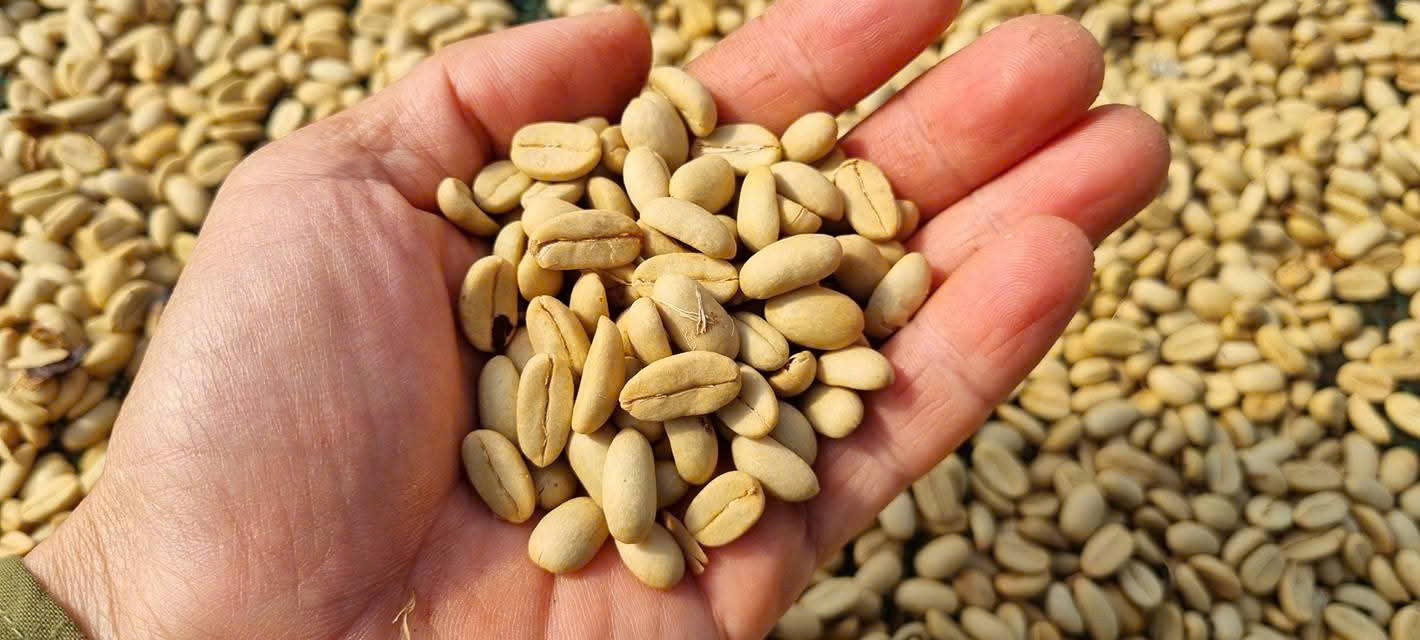
To escape the cycle of exporting raw coffee at low prices, Lam Dong needs a comprehensive restructuring strategy.
A central priority is attracting strong investment in advanced processing technologies.
"It is necessary to offer preferential policies on tax, land access and green credit to attract major investors to develop modern, large-scale coffee processing complexes. Investment should focus on roasted coffee, specialty instant coffee, and other export-oriented products. Only by investing boldly in modern processing technologies can the value of coffee beans be multiplied," Bach Thanh Tuan said.
Alongside investment promotion, economic experts believe that strengthening collective economic models is equally important. Cooperatives and producer groups should become key pillars connecting smallholder farmers, consolidating production volumes, and improving bargaining power in both sales and pricing.
The transition from quantity to quality, and from raw exports to value-added processing, requires coordinated efforts from government authorities, businesses, and farmers alike.
With greater attention to cultivation practices, quality management, advanced processing technologies, and market-oriented thinking, Lam Dong coffee can shed its image as a low-priced commodity and compete confidently through its brand identity and the value created by the land where it is grown.