


Igniting Lam Dong's border economy
With a 141-km border with Cambodia, two national border gates, and a network of border markets, western Lam Dong holds great potential for trade. However, import-export turnover remains modest, calling for coordinated solutions to unlock the economic potential of the border region.
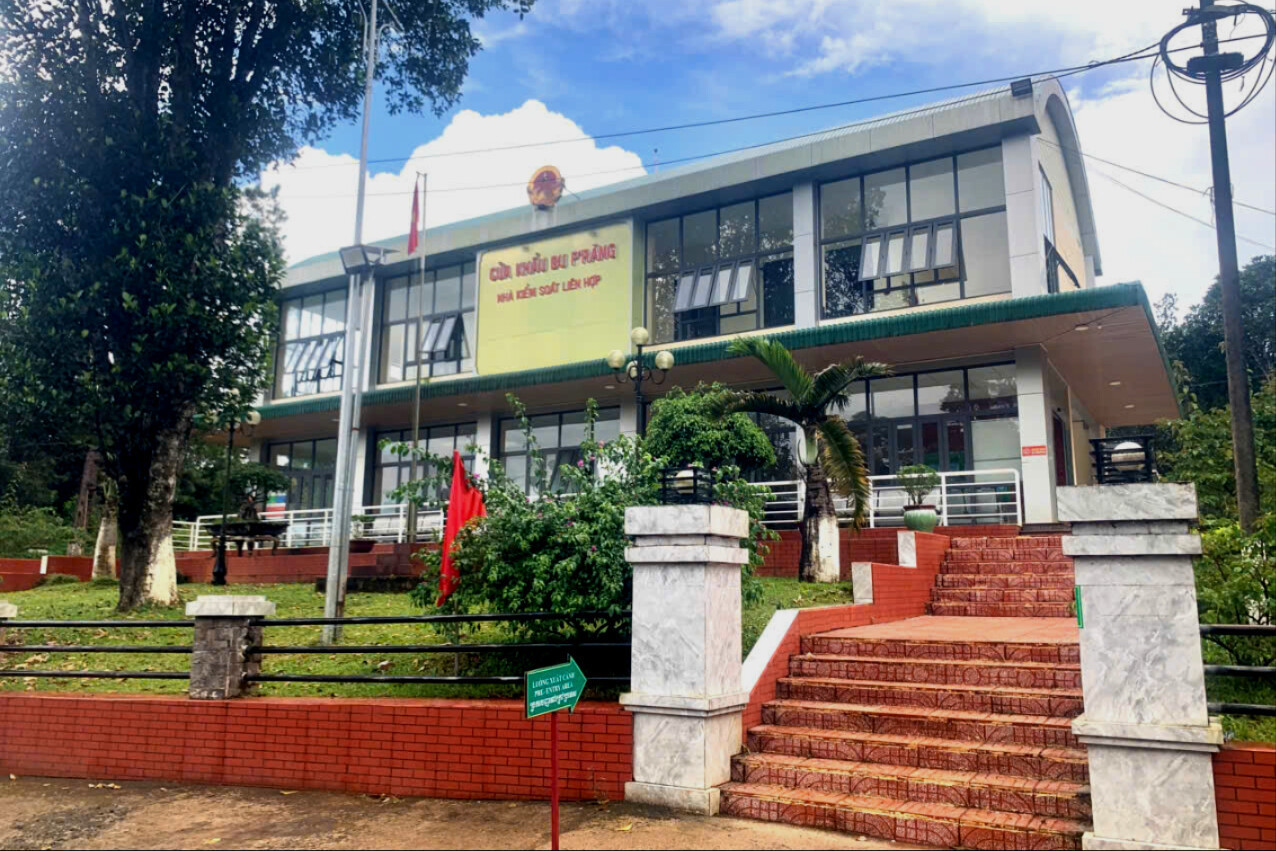
Tra de not matching potential
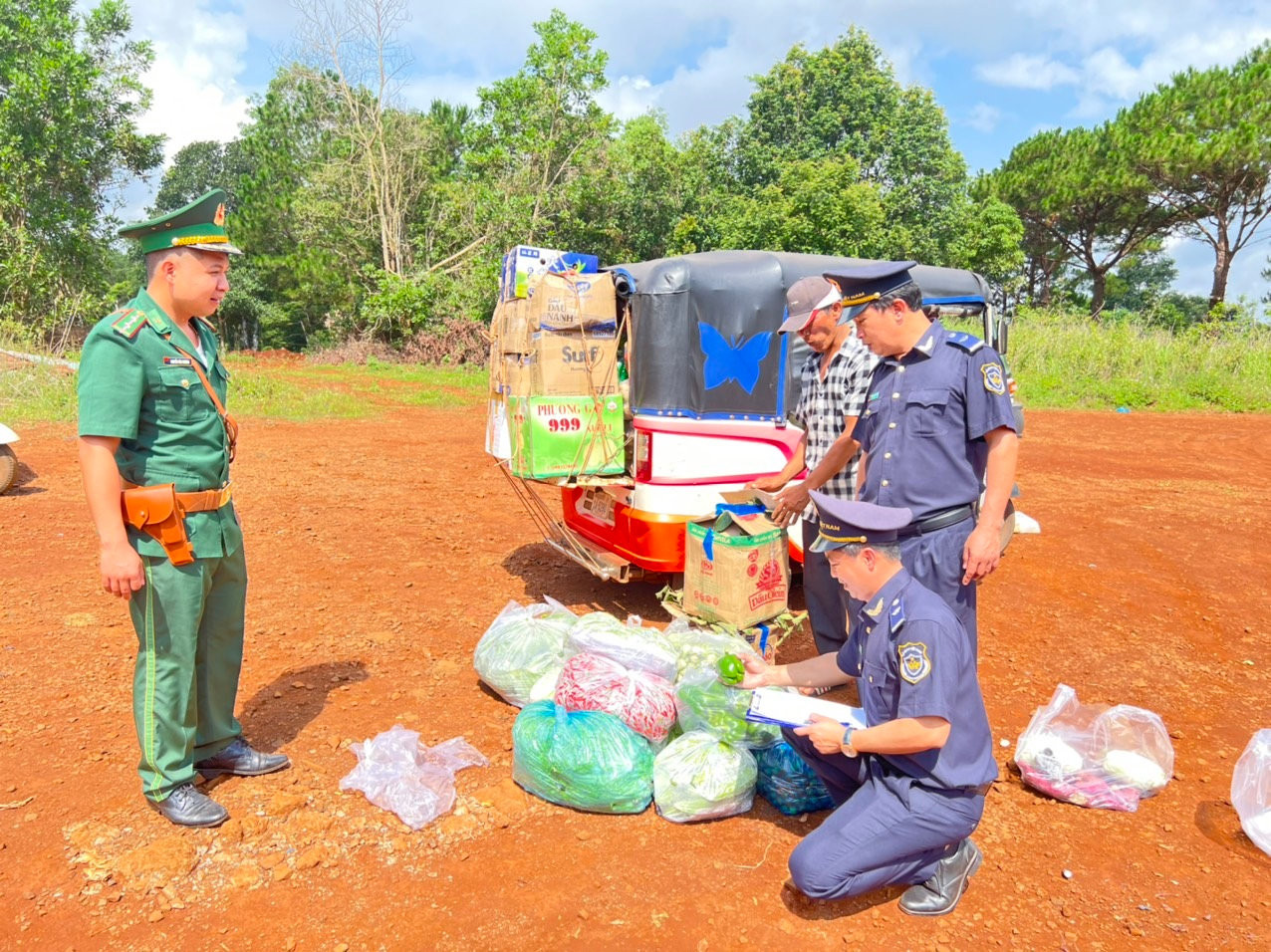
According to the Department of Industry and Trade, during the 2021–2025 period, total import-export turnover through the two border gates of Bu Prang - Dak Dam and Dak Peur - Bu Sara reached $26.9 million. Of this, exports totaled $11 million and imports totaled $15.9 million. The composition of traded goods is mainly determined by the production and consumption needs of both sides. As a result, trade volumes have remained modest in recent years, falling short of expectations for expanded border economic cooperation. Cross-border trade among residents has also generated little economic value.
Meanwhile, border trade infrastructure in Lam Dong and Mondulkiri provinces still faces many difficulties, and transport links between the paired border gates remain underdeveloped. Consequently, border trade relations between the two sides remain limited and have developed slowly. Investment in trade and service development remains modest, and traded goods primarily include consumer goods, agricultural inputs, construction materials (cement, steel, bricks), fresh and dried cassava, wood chips, and wood and wood products.
In addition, investment activities between the former Dak Nong Province and Mondulkiri have largely been limited to exploring investment opportunities and signing memoranda of understanding. The number of projects implemented remains small, and no businesses from either side have invested in the other.
According to enterprises operating in communes along the border, developing the border economy requires turning trade promotion activities into concrete business partnerships. Fairs, conferences, and product promotion programs can only be truly effective when businesses can find partners, secure regular orders, expand markets, and move toward cooperation in production, processing, and distribution.
Unleashing resources
To facilitate the development of the border economy, Lam Dong is pursuing development plans alongside upgrades to transport and trade infrastructure. Specifically, under the master plan for the former Dak Nong Province for the 2021–2030 period, with a vision to 2050, the development of border trade infrastructure has been identified as a priority to capitalize on the international gateway advantages, meet the demand for transporting goods from production sites to consumption hubs, promote cross-border trade, and improve the living standards of border residents.

Accordingly, Lam Dong is focusing on investing in and upgrading to transport routes connecting the border region, including the Gia Nghia - Chon Thanh expressway and nine provincial roads, aiming to create an integrated transport network with convenient connections to border gates. Meanwhile, the master plan for border gates along Vietnam's land borders with Laos and Cambodia for the 2021–2030 period, with a vision to 2050, also provides for the upgrade of the Dak Peur border gate to an international border gate.
According to Bien Tan Tai, Deputy Director of the Department of Industry and Trade, in addition to developing transport infrastructure and border gates, Lam Dong plans to establish logistics centers linked to the Bu Prang and Dak Peur border gates, while also developing small-scale logistics and warehousing facilities based on local demand.
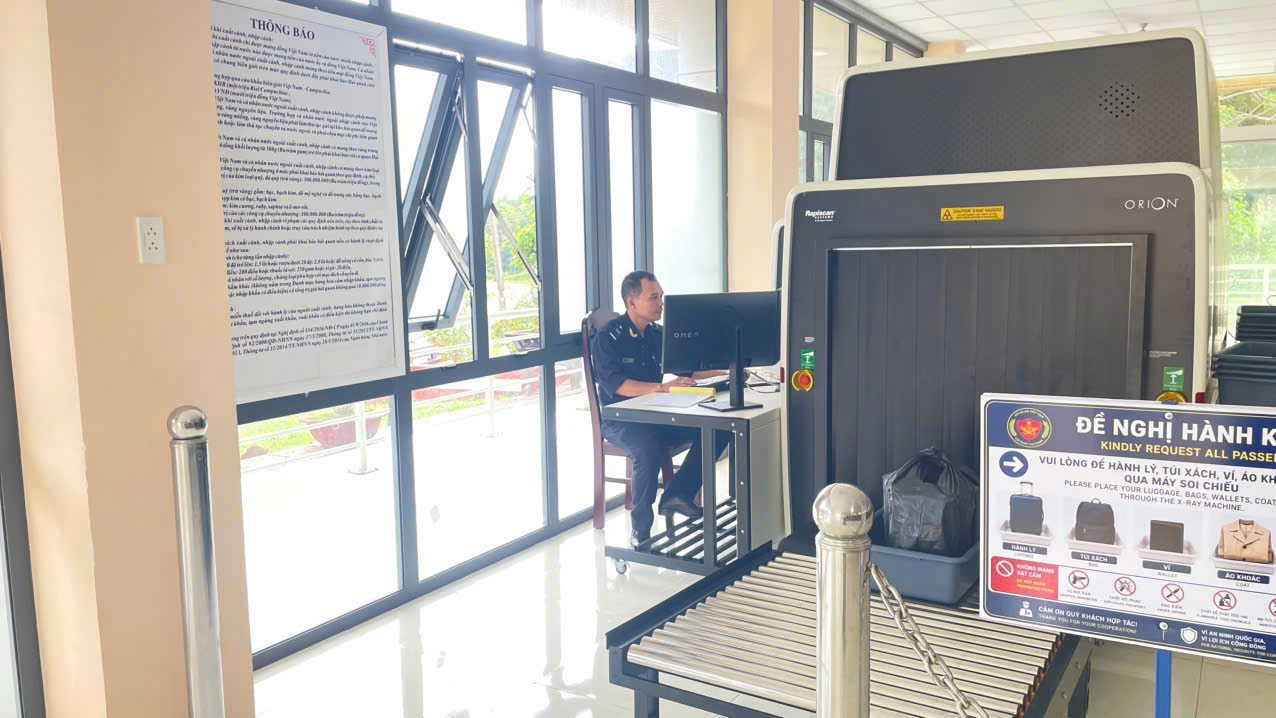
The province is also promoting and attracting investment in border trade infrastructure between Lam Dong and Cambodia, including markets, shopping centers, supermarkets, and warehouses, to better harness the province's border economic potential.
This approach aims to gradually develop a multimodal logistics system, agricultural logistics, and cold chain services to support import-export activities and goods distribution within and between regions.