


Indigenous Delicacies Highlight the Green Gastronomy Trend in Lam Dong
Beyond majestic landscapes and UNESCO Global Geopark heritage in western Lam Dong, visitors are increasingly captivated by the region’s unique indigenous cuisine – a culinary expression of harmony between humans and nature, now aligning with the global green gastronomy movement.
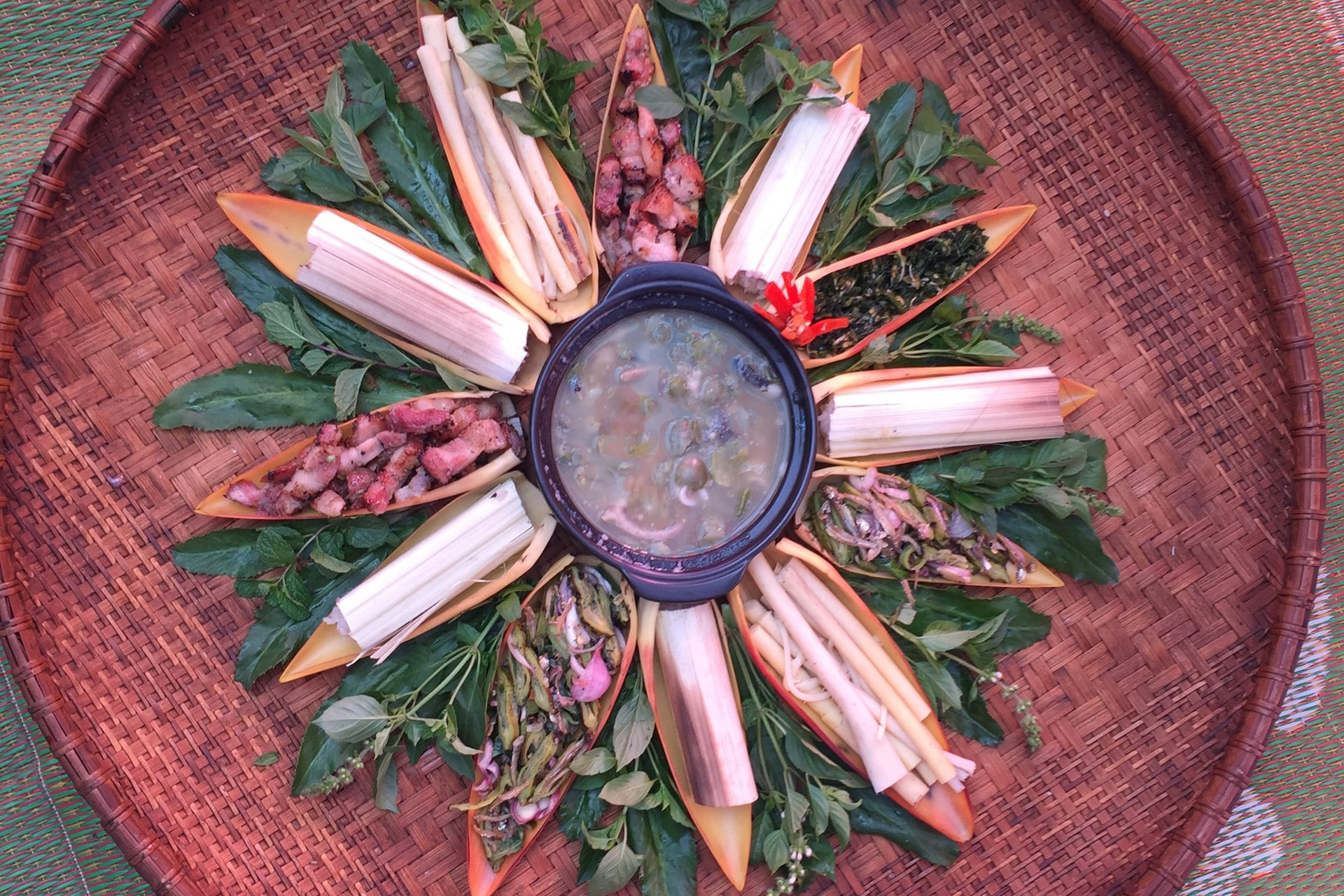
natural ingredients.
Pure, Local, and Sustainable Ingredients
Lam Dong’s indigenous cuisine is marked by its simplicity and respect for nature. Ingredients are sourced locally – from forest vegetables, bamboo shoots, mushrooms, stream fish to free-range poultry and livestock – maintaining their natural flavors without relying on industrial seasonings.
Ethnic groups such as the M'nông, Mạ, Ê đê, or Dao, Tày and Nùng have long embraced a way of cooking that is both delicious and wholesome. Dishes like canh thụt (a traditional stew), bamboo-tube grilled fish, cơm lam (sticky rice cooked in bamboo), charcoal-grilled meats, and fermented rượu cần wine reflect a sustainable way of living with minimal environmental impact – the very ethos of green gastronomy.
A New Asset for Sustainable Tourism
Traditional dishes are being reimagined as “green specialties” attracting eco-conscious tourists. Canh thụt, for instance, is prepared from young bamboo shoots, forest leaves, and rice flour, cooked inside bamboo tubes without chemical additives. Cơm lam retains the fragrance of the bamboo it’s roasted in, while rượu cần – a fermented rice wine made with forest herbs – remains entirely handmade and chemical-free.
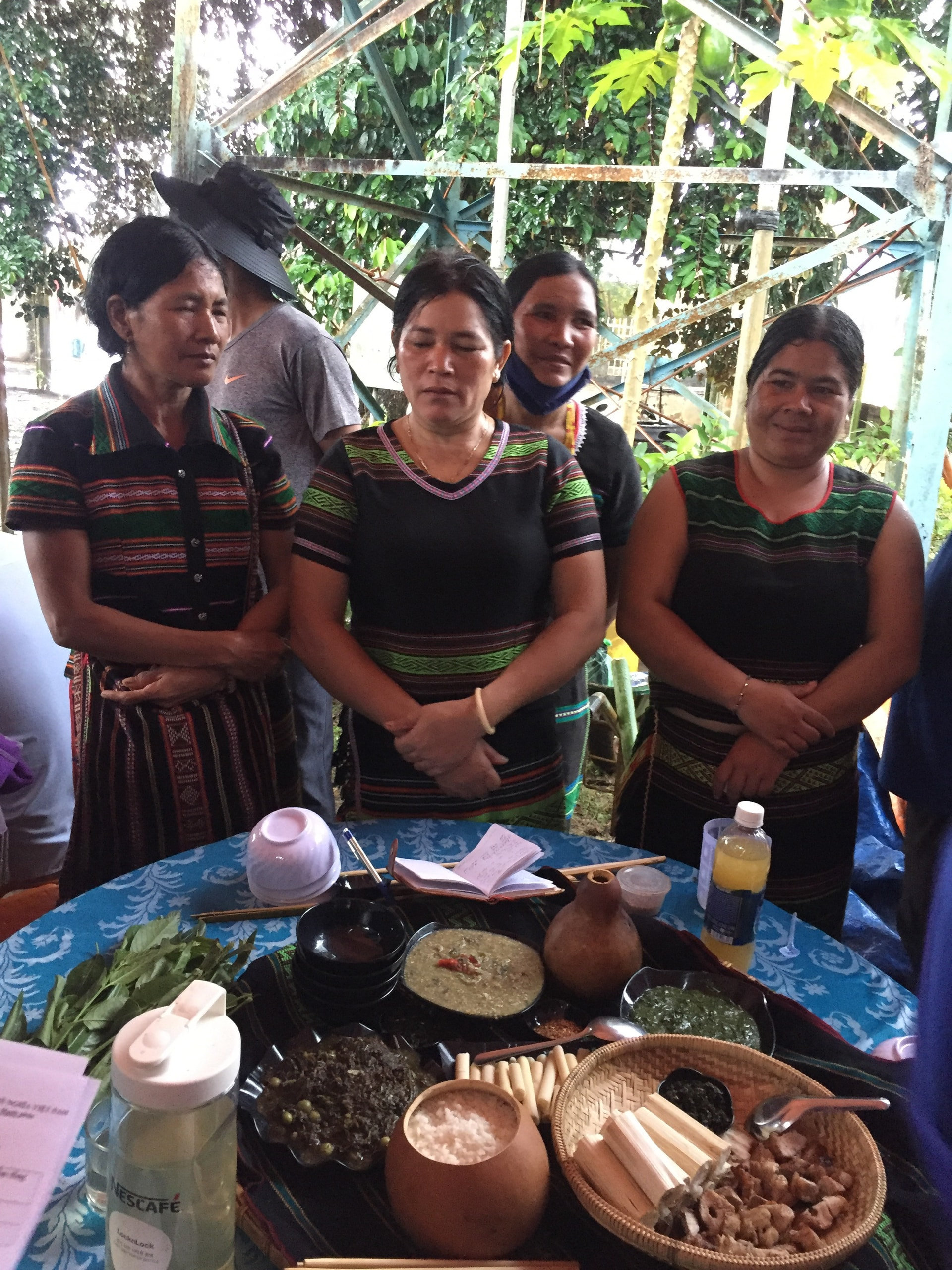
for both the environment and the community.
Beyond the food itself, green values are embedded in preparation and presentation. Locals opt for bamboo, banana leaves, and wooden containers instead of plastic. Communal drinking from bamboo straws during festivals also reduces waste. Various households and cooperatives are now integrating indigenous cuisine with eco-tourism, creating new appeal for visitors.
Artisan Điểu Nơi , a M'nông villager from Jiêng Ngaih (Tuy Duc commune), emphasized: “To preserve our culinary heritage, we must first respect the natural ingredients. We avoid industrial additives, staying true to original flavors. It’s both cultural and healthy – in line with today’s green lifestyle.”
Toward a Sustainable Culinary Identity
Many travelers now seek immersive experiences, such as sharing a traditional meal in a longhouse or ethnic village. The rustic yet rich flavors leave lasting impressions. Meanwhile, young locals are blending culinary heritage with modern innovation – from eco-packaged dry food products to interactive dining spaces tied to community tourism.
To fully unlock the potential of green indigenous cuisine, collaboration between local communities and authorities is vital. Building brand identity, promoting local products, providing technical support, and improving service skills will be key.
Positioning indigenous cuisine as a core part of Lam Dong’s green tourism strategy can create long-term value – preserving culture, protecting nature, and boosting local livelihoods.