


Indigenous Knowledge Helps Preserve Lam Dong’s Forests
For many ethnic minority communities in Lam Dong Province, forests are more than a source of livelihood—they are sacred cultural landscapes deeply intertwined with ancestral beliefs and spiritual traditions. Over generations, these communities have developed customary laws, rituals, and indigenous knowledge systems that continue to play an important role in protecting the region’s forests.
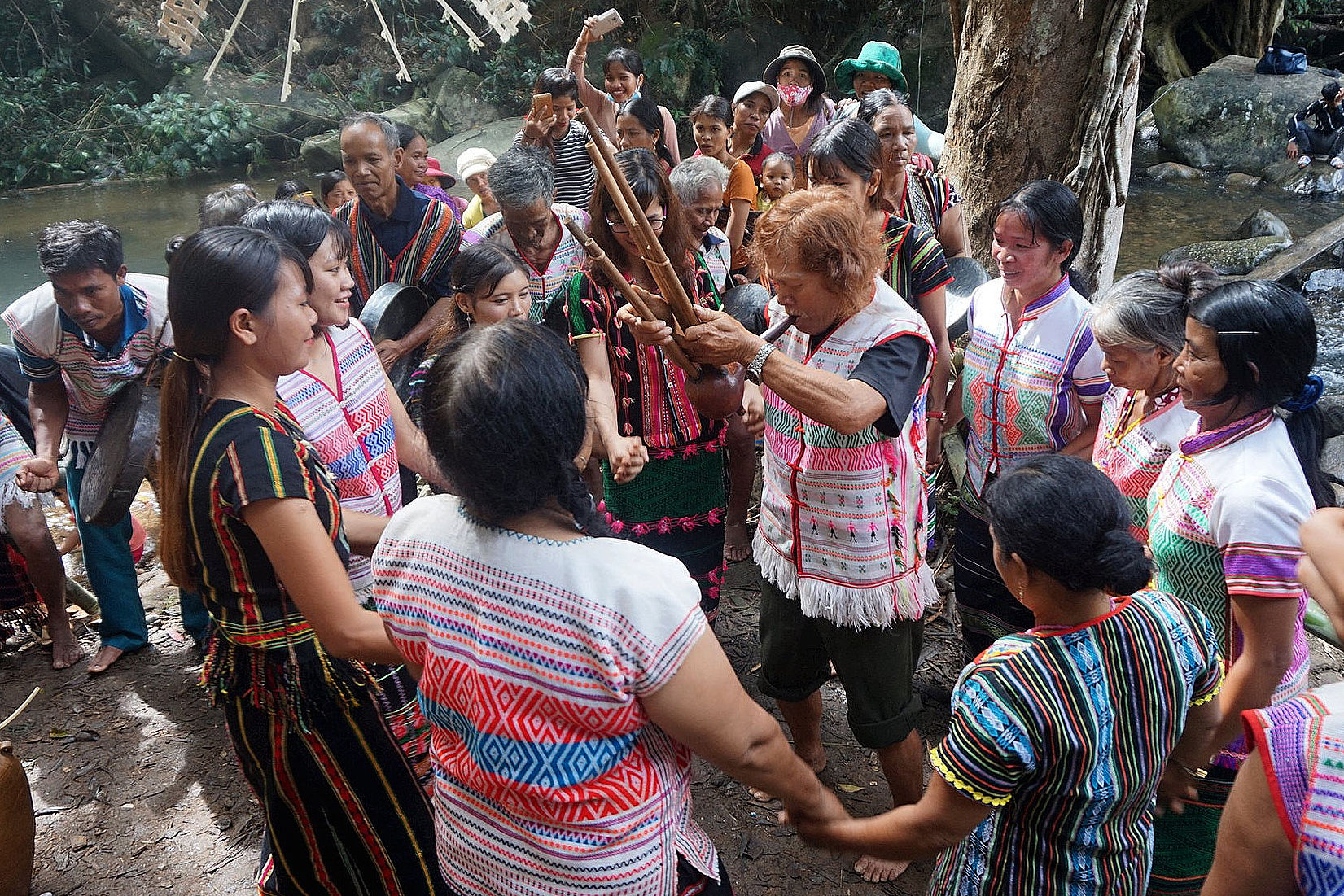
From ancestral wisdom...
For centuries, the lives of the Ma people in Ta Dung Commune have been closely connected to the surrounding forests. The forest provides shelter, food, and the foundation for community life. Each year, at the beginning of the rainy season, the Ma community holds the traditional Yang Bre (Forest Spirit Worship Ceremony).
Depending on each family's economic circumstances, the ceremony may be organized on a household or community scale. Larger communal ceremonies follow traditional rituals, including prayers seeking permission from forest spirits, raising the ceremonial tree, and symbolic seed-sowing rites.
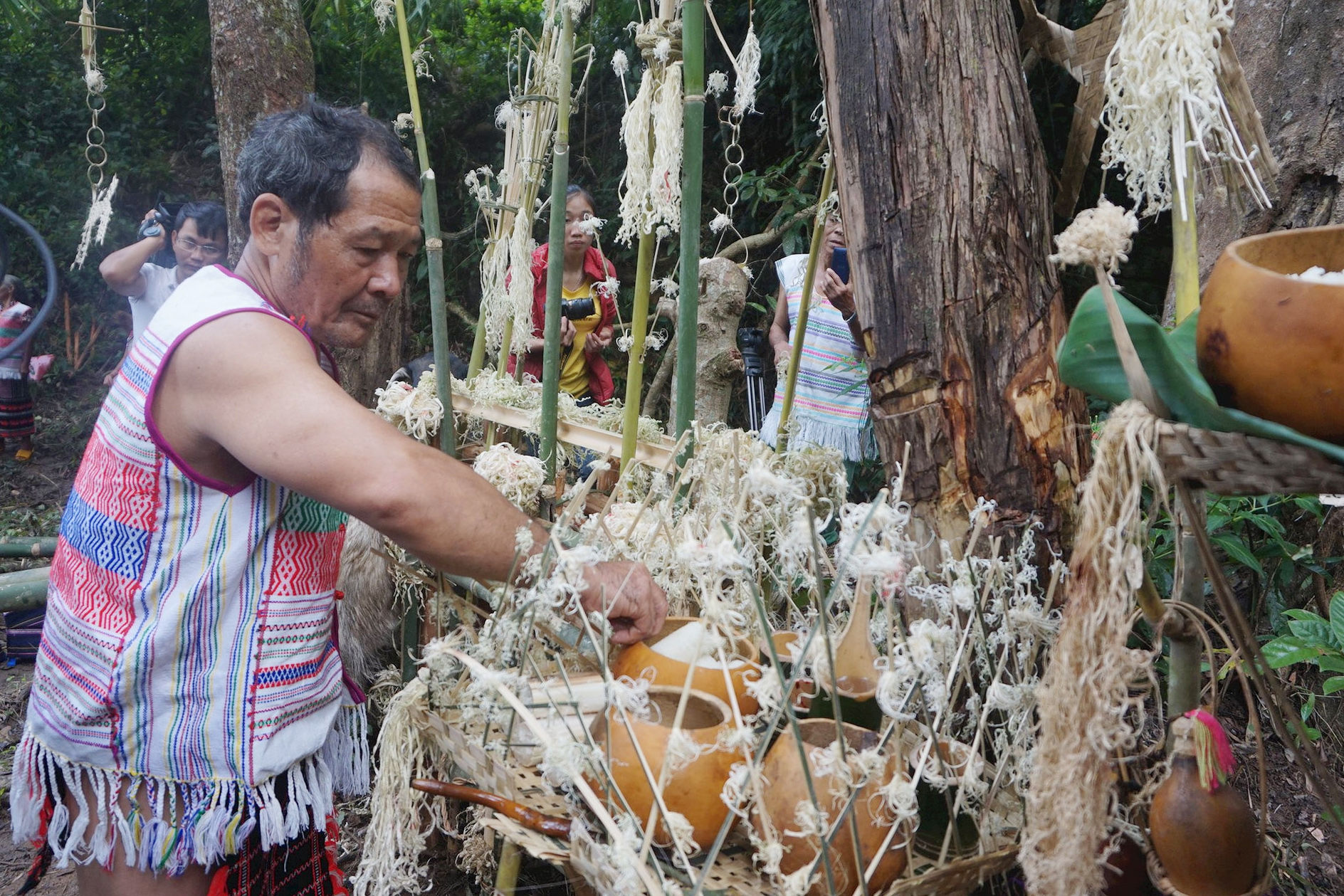
Artisan K'rong from B’Tong Village, Ta Dung Commune, explained:
“Every prayer, every gong beat, and every offering during the Forest Spirit Ceremony expresses the Mạ people's gratitude to the forest. We always seek the forest's permission before taking anything from it.”
Recognizing its cultural significance and environmental message, Vietnam’s Ministry of Culture, Sports and Tourism officially inscribed the Ma people's Forest Spirit Worship Ceremony on the National Intangible Cultural Heritage List in 2024.
The recognition not only honors a traditional ritual but also acknowledges indigenous ecological knowledge and the central role forests play in the cultural and spiritual life of the Ma community.
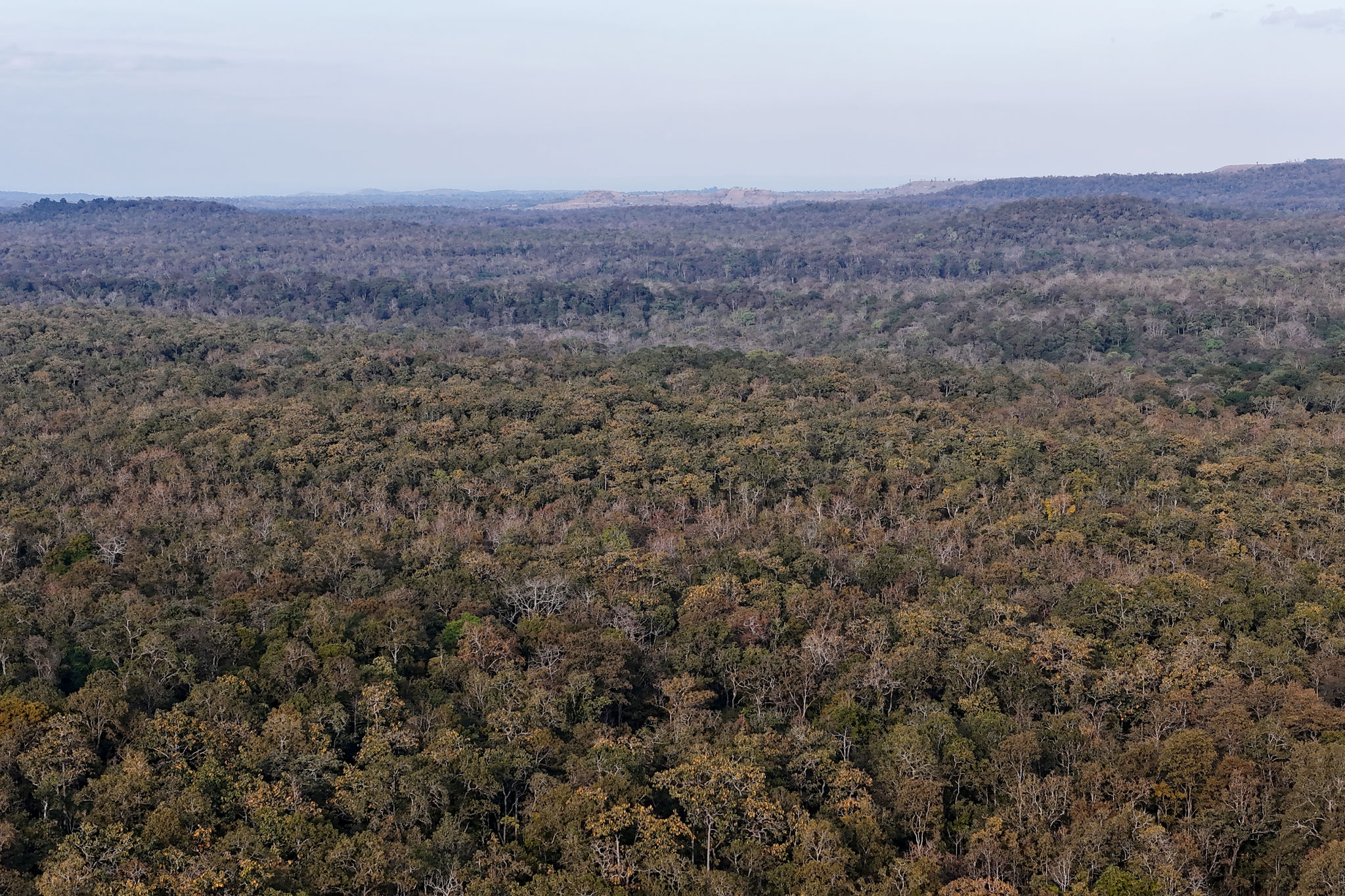
Like the Ma, the M’nong people also regard the forest as their home and their Mother Earth. According to M’nong tradition, villagers must perform a forest worship ritual before clearing land for cultivation or building homes. Sacred forests, primary forests, watershed forests, and forests containing valuable timber species are strictly protected. Violating these rules is believed to invite punishment from forest spirits through floods or drought.
“Although many traditional customs have evolved to comply with modern laws, respect for forests—especially sacred forests and watershed forests—remains deeply rooted in our community.”
Dieu Hung, Deputy Secretary of Tuy Duc Commune Party Committee
Dieu Hung added: “These traditions provide an important foundation for strengthening community participation in sustainable forest management, protection, and development.”
Turning awareness into forest protection
While traditional customs have long nurtured respect for forests, village elder K’Ho of B’Tong Village has transformed those values into decades of practical conservation work.
For him, protecting forests is not solely the responsibility of forest rangers but a shared duty of every villager. In Ma culture, forests ensure water supplies, fertile land, and the survival of their cultural identity.
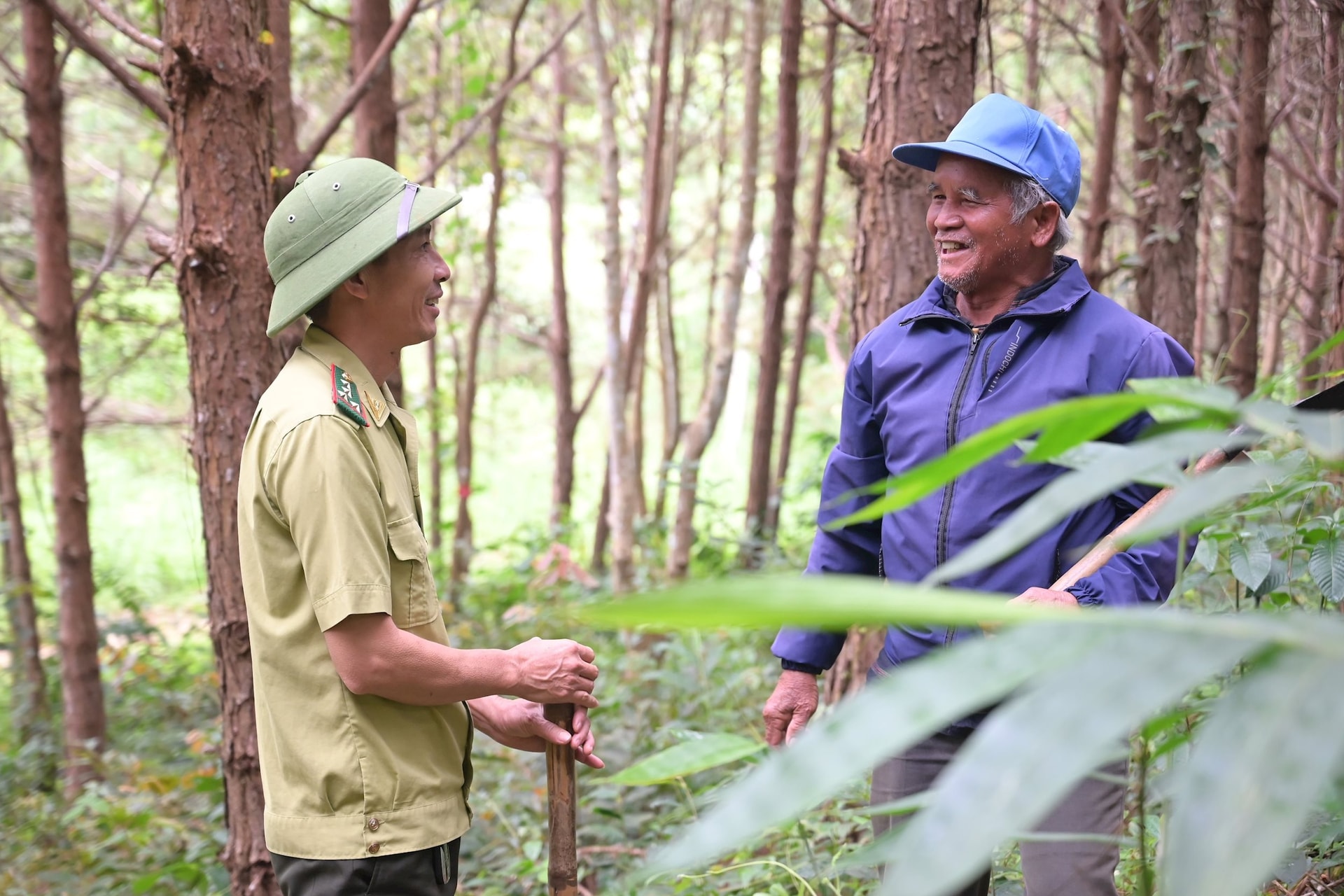
Since being elected village elder in 2010, K’Ho has remained at the forefront of forest conservation. During periods when illegal logging and wildlife poaching were widespread, he regularly patrolled forests alongside rangers from Ta Dung National Park, encouraging residents not to assist illegal loggers and to comply with forest protection regulations.
“The forest gives us life, so we have a responsibility to protect it. No matter how difficult it is, we cannot abandon the forest.”
—Village elder K’Ho, Ta Dung Commune
Beyond his patrol work, K’Ho also serves as a bridge between government regulations and local communities, using his influence to educate younger generations about protecting watershed forests, preserving valuable timber species, and maintaining indigenous knowledge of living harmoniously with nature.
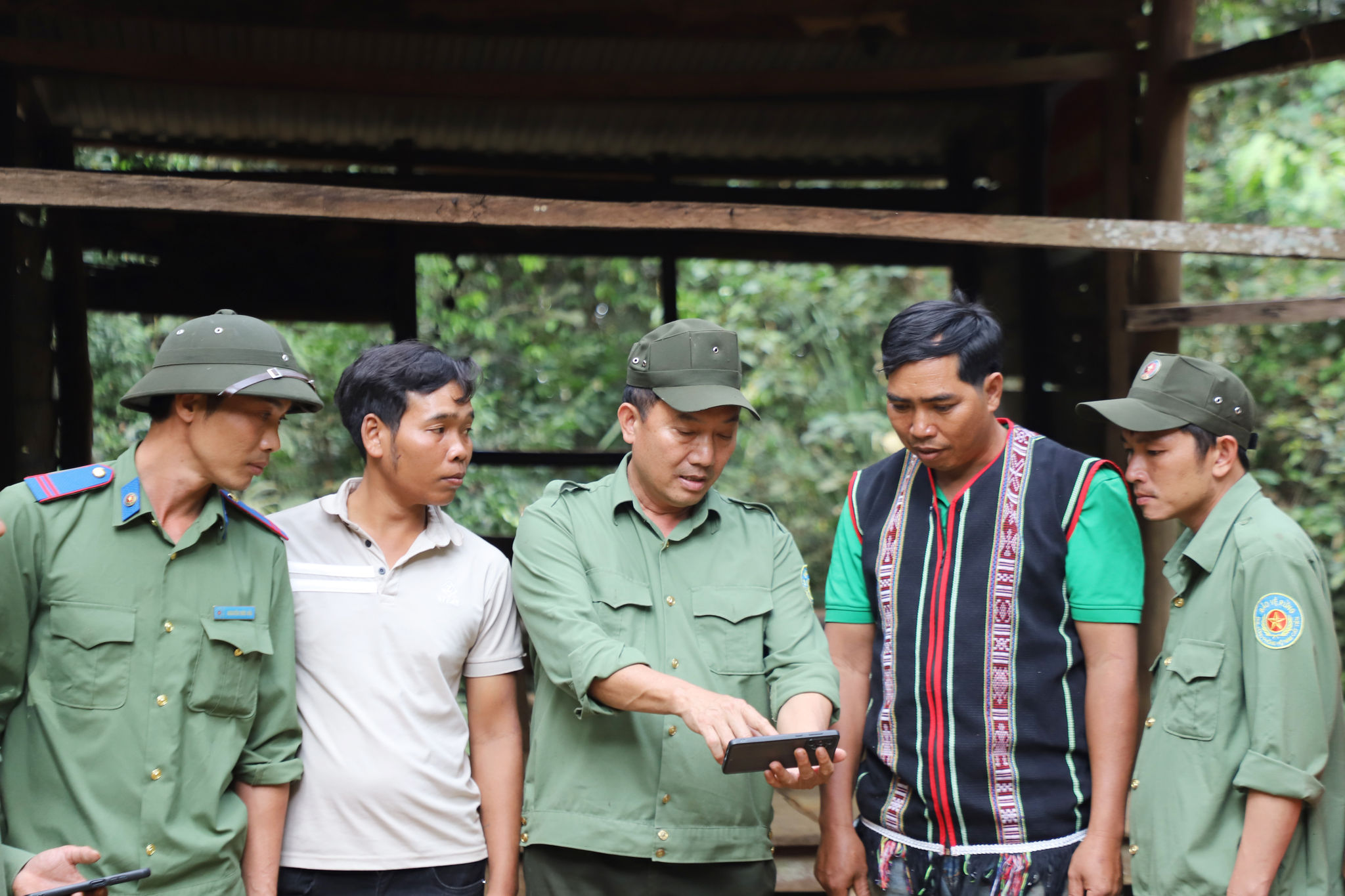
Similarly, since 2010, Y Lanh and fellow M’nong residents in Pi Nao Village, Nhan Co Commune, have considered forest protection both a cultural obligation and a responsibility toward their ancestral heritage.
Whenever villagers hear motorcycles entering forest areas or notice smoke rising from the forest, they immediately notify authorities while also entering the forest themselves to inspect the situation and assist with response efforts.
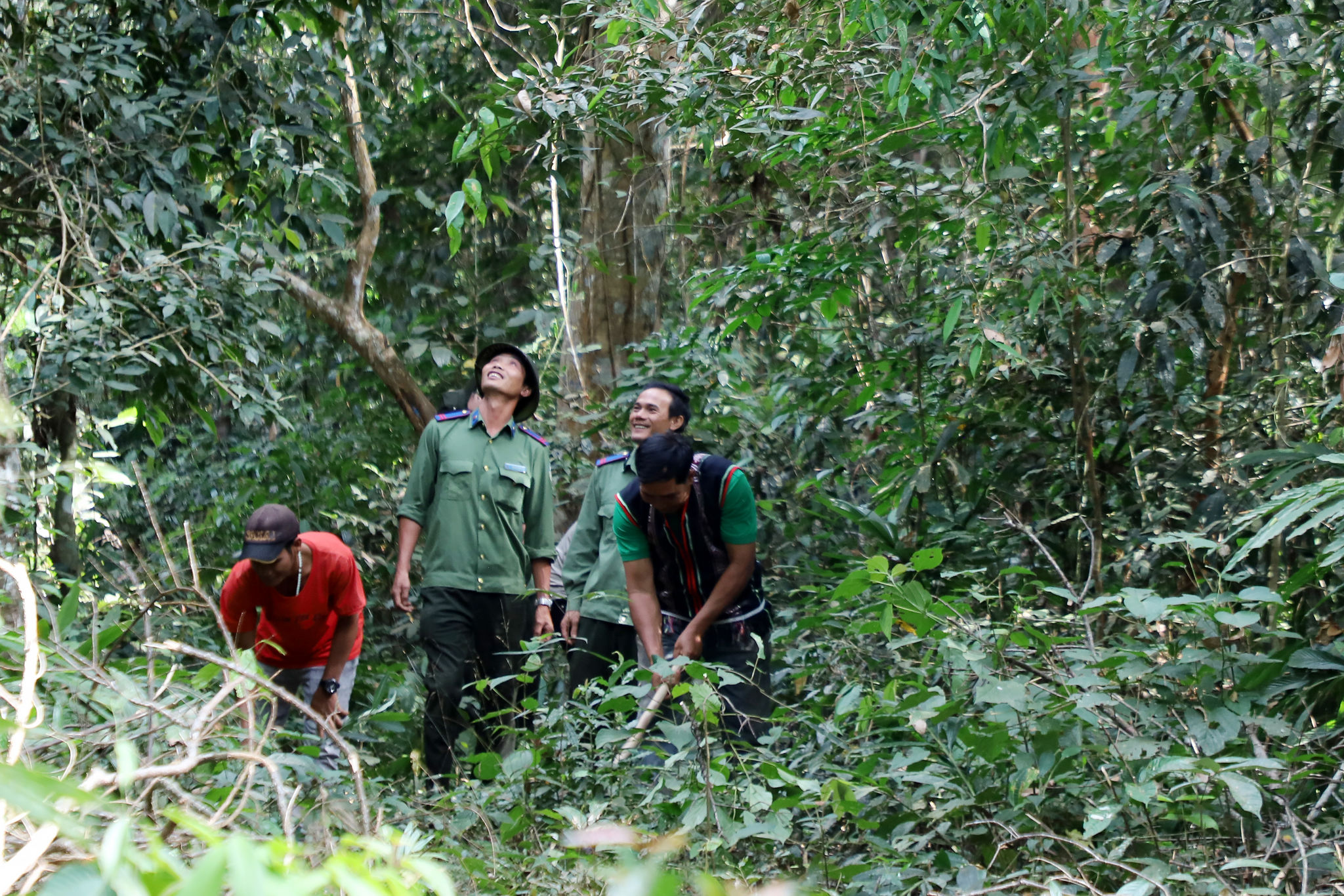
According to Y Lanh, protecting forests not only forms part of M’nong cultural identity but also opens new opportunities through ecotourism and community-based tourism. “Our greatest hope is to preserve these forests intact so they can support ecotourism and community tourism. When visitors come to experience nature and learn about our indigenous culture, local people can earn sustainable livelihoods from the value of the forests themselves.”