


Industrial Development in Western Lam Dong
The industrial and handicraft zones across western Lam Dong have played an important role in promoting local economic growth and attracting investment. Despite these positive achievements, several long-standing challenges remain and require timely solutions to ensure sustainable development.
Areas with High Occupancy Rates
Tam Thang Industrial Park in Cu Jut Commune covers 179 hectares and has attracted 50 investment projects with a combined registered capital of more than VND 2.58 trillion. The park's occupancy rate has exceeded 99 percent, with 30 projects currently in operation.
Businesses in the park operate in a wide range of sectors, including furniture manufacturing, fertilizer production, garment processing, and agricultural product processing. In 2025, enterprises in the industrial park generated revenues of VND 5.11 trillion and contributed approximately VND 47 billion to the state budget.
Despite these achievements, parts of the infrastructure remain incomplete, and some businesses continue to face challenges due to shortages of raw materials and skilled labor. At the same time, the industrial park still has significant room for future expansion and development.
According to Ngo Quoc Phong, Chairman of the Cu Jut Commune People's Committee, Tam Thang Industrial Park has made a substantial contribution to local socio-economic development by creating jobs and providing stable incomes for residents.
A similar situation can be seen at Thuan An Industrial and Handicraft Cluster in Thuan An Commune. According to Vice Chairman Nguyen Thanh Nam, 17 investors are currently operating on nearly 17 hectares, with Phase 1 reaching an occupancy rate of almost 96 percent.
The cluster has contributed positively to economic growth and labor restructuring in the area. However, infrastructure limitations remain, particularly the lack of properly upgraded roads.
Addressing Existing Weaknesses
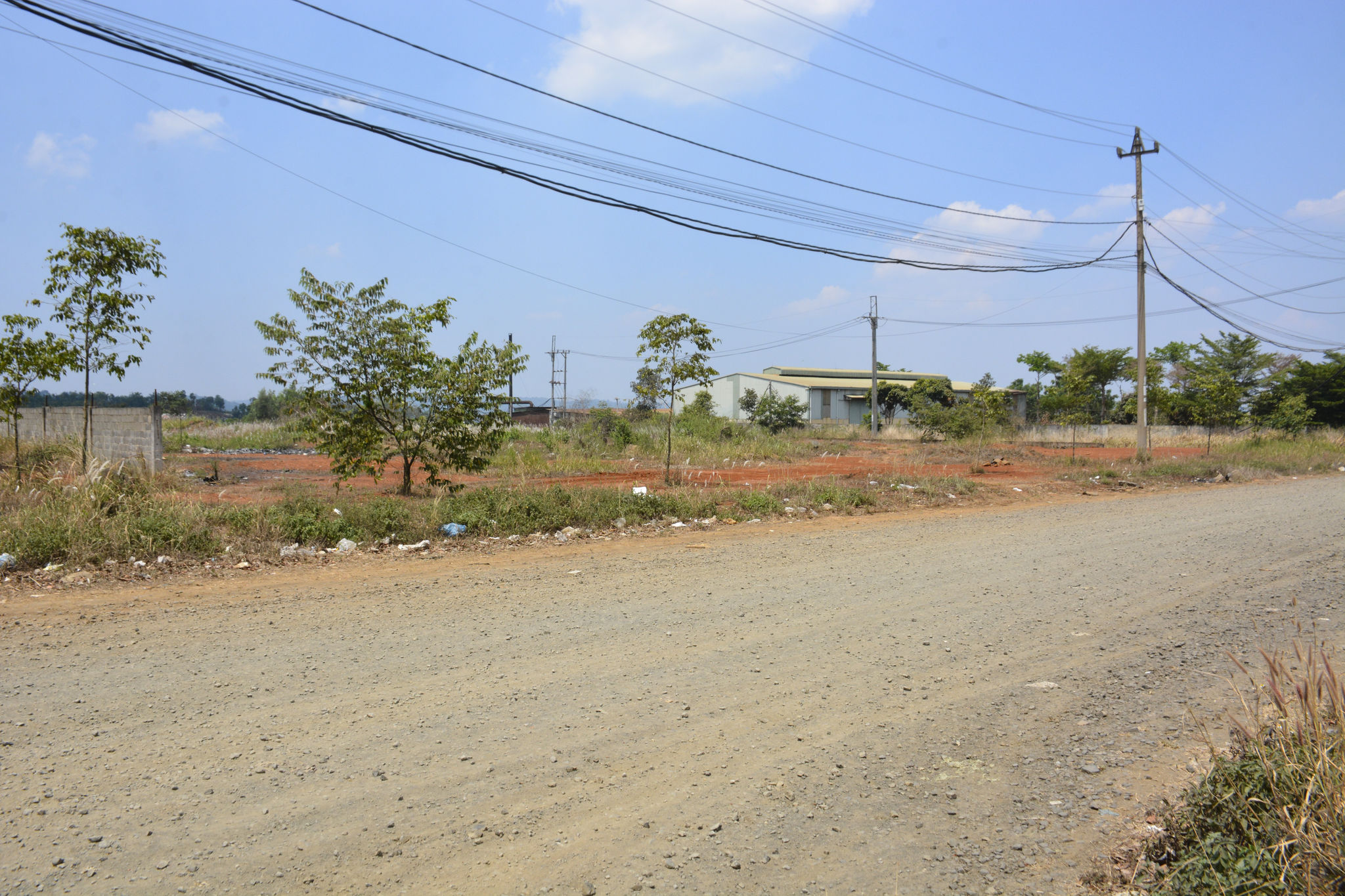
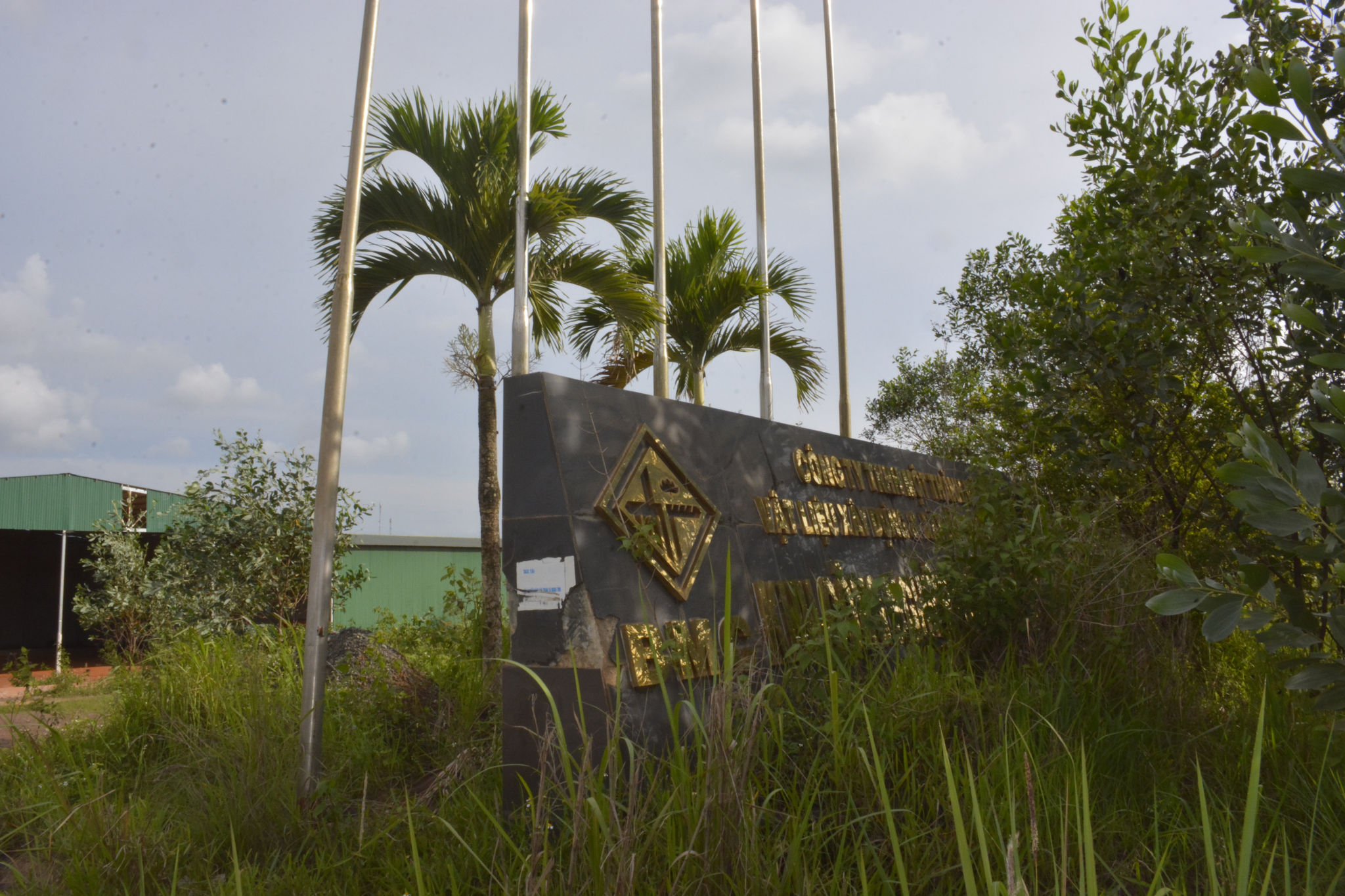
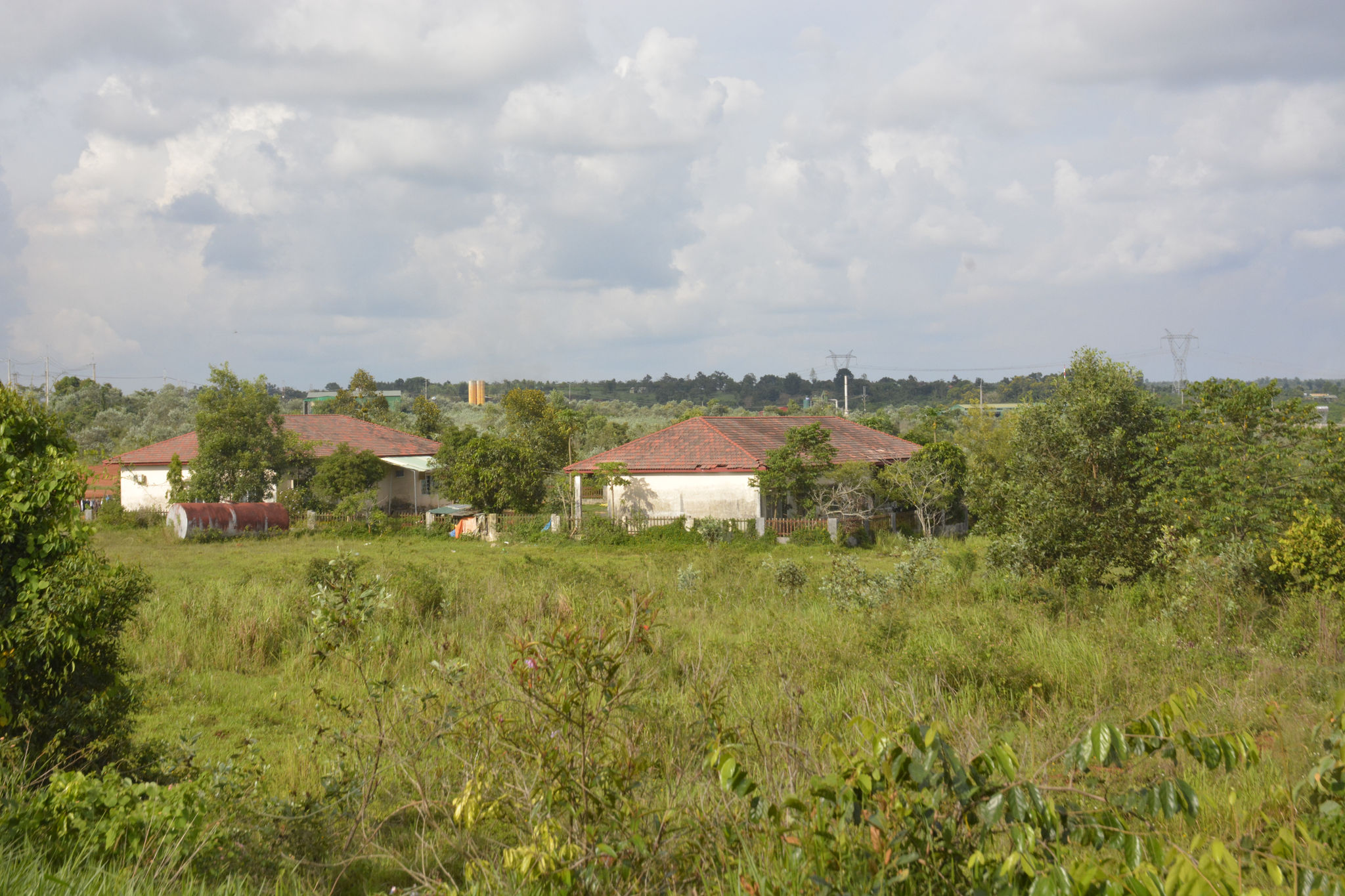
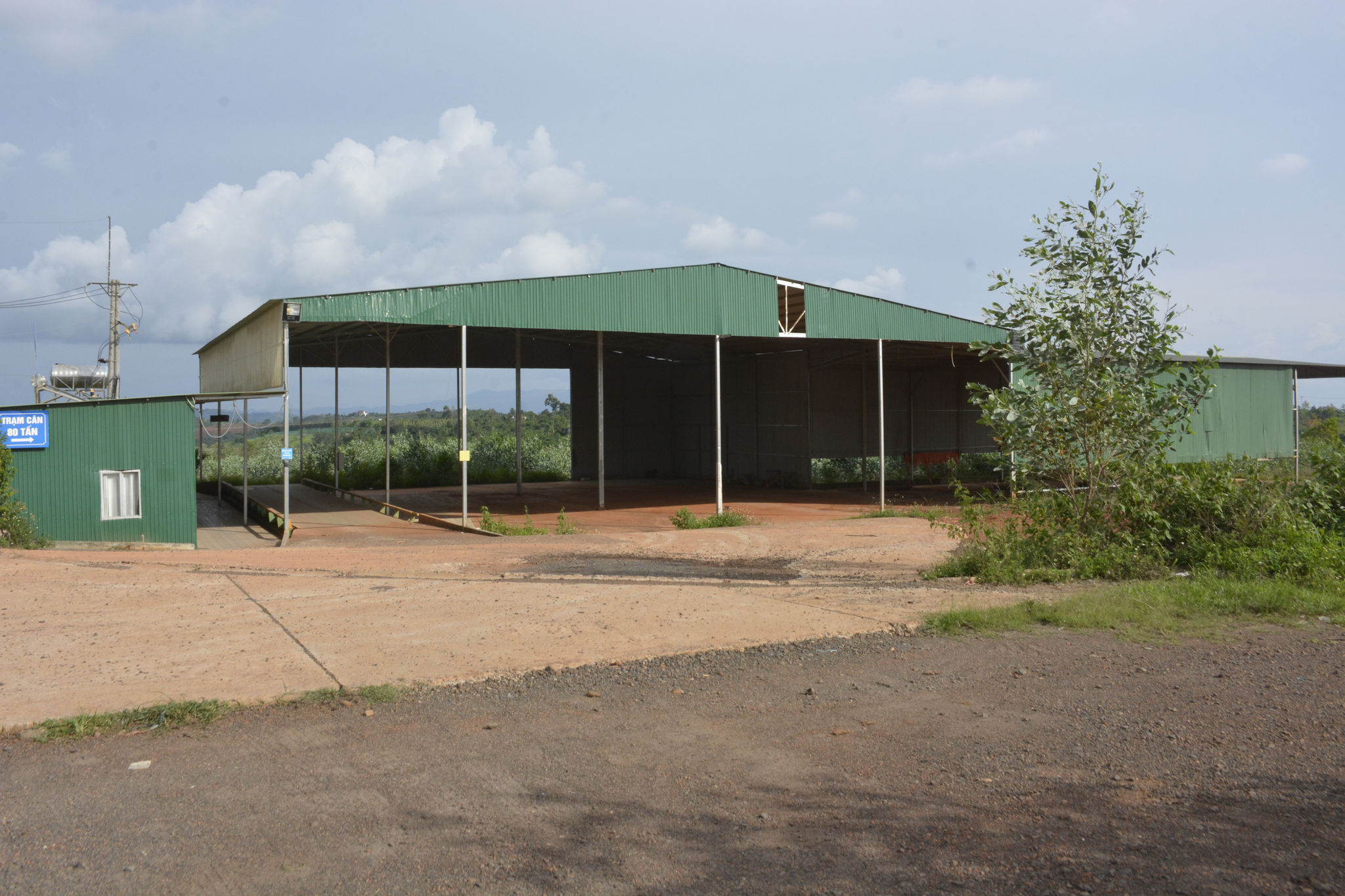
In contrast, the current condition of the BMC–Dak Nong Industrial and Handicraft Cluster in Bac Gia Nghia Ward reflects a different reality. Overgrown vegetation surrounds the entrance, while large areas of land remain unused.
Located along National Highway 28B, the cluster enjoys excellent transport connectivity and strong regional development potential. It was originally expected to become an important center for industrial investment, job creation, and economic growth. However, nearly two decades after its launch, it has yet to function as a fully operational industrial cluster.
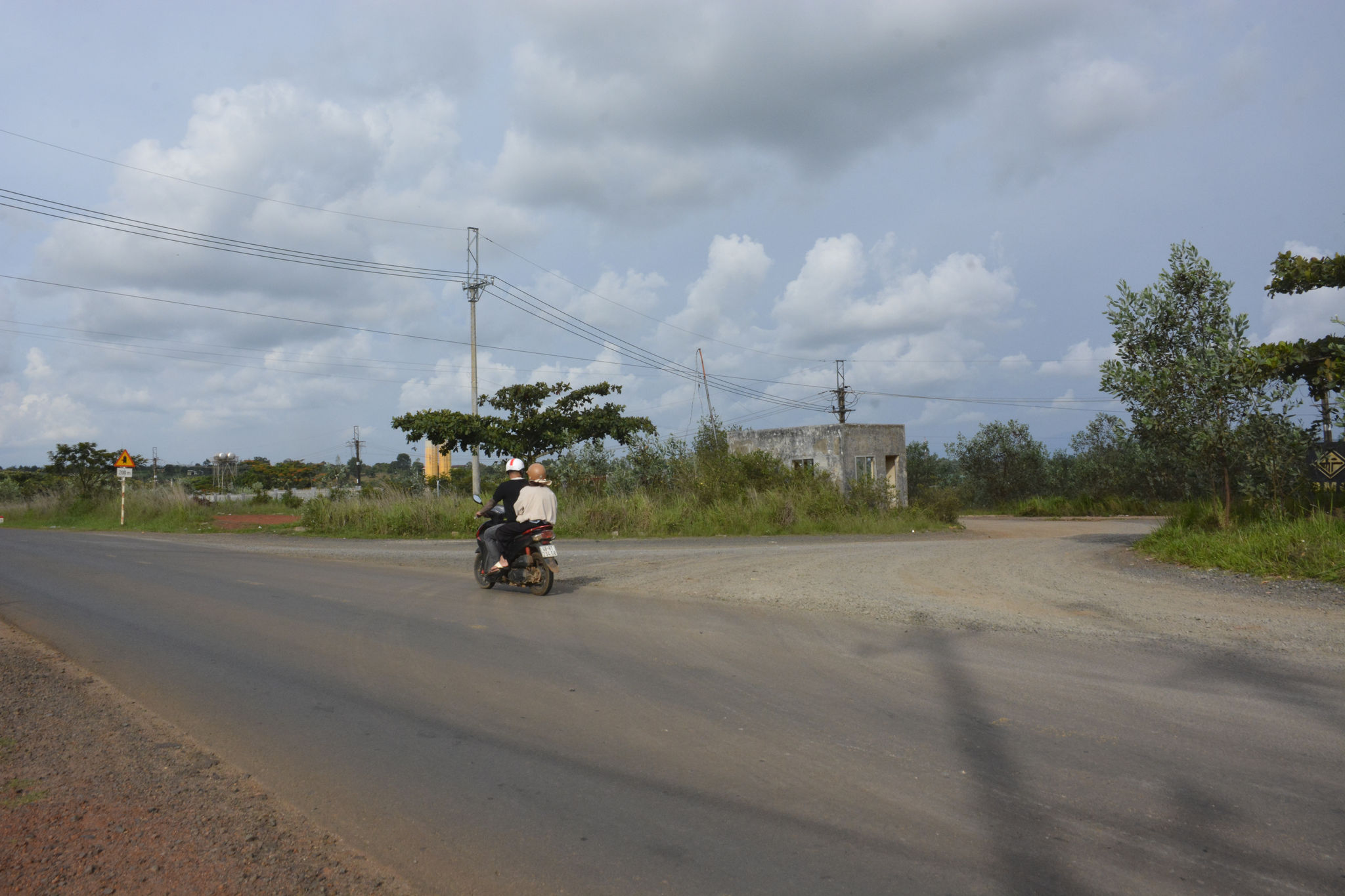
The project was assigned in 2007 to BMC Construction and Building Materials Company, headquartered in Ho Chi Minh City. Covering more than 37 hectares with total investment exceeding VND 83.4 billion, it was originally scheduled for completion in 2010 with fully integrated infrastructure.
According to the Bac Gia Nghia Ward People's Committee, only four businesses are currently operating in the cluster, resulting in an occupancy rate of just 26.8 percent, or 5.83 hectares, leaving approximately 26 hectares vacant.
Chairman Trinh Anh noted that prolonged delays and incomplete technical infrastructure have significantly limited the project's ability to attract investors. Inefficient land use has also negatively affected local socio-economic development goals and the investment environment.
Local authorities have therefore recommended that higher-level agencies require the current investor to urgently transfer the project to a more capable developer who can complete the infrastructure and bring the industrial cluster into operation. If this cannot be achieved, authorities have proposed terminating the project in accordance with legal regulations to prevent further waste and negative impacts on investment attraction.
Toward More Effective Industrial Development
During a recent working session at Tam Thang Industrial Park, Provincial People's Committee Chairman Ho Van Muoi emphasized that effective projects should continue receiving support, while underperforming projects should be resolutely withdrawn.
He also stressed that future investor selection must be rigorous, transparent, and based on genuine financial and operational capacity in accordance with legal regulations, ensuring that industrial parks can maximize their development potential.
The directive reflects not only expectations for Tam Thang Industrial Park but also a broader approach that could help western Lam Dong make more effective use of its industrial zones and handicraft clusters, attract quality investment, and strengthen sustainable regional development.