


Industry Set to Take Off and Reach Further
In 2025, the development of provincial industrial and energy infrastructure took place against a backdrop of intensifying strategic competition and slowing global growth. Furthermore, natural disasters and extreme weather events continue to disrupt supply chains, exerting pressure on Vietnam’s economy in general and Lam Dong in particular.
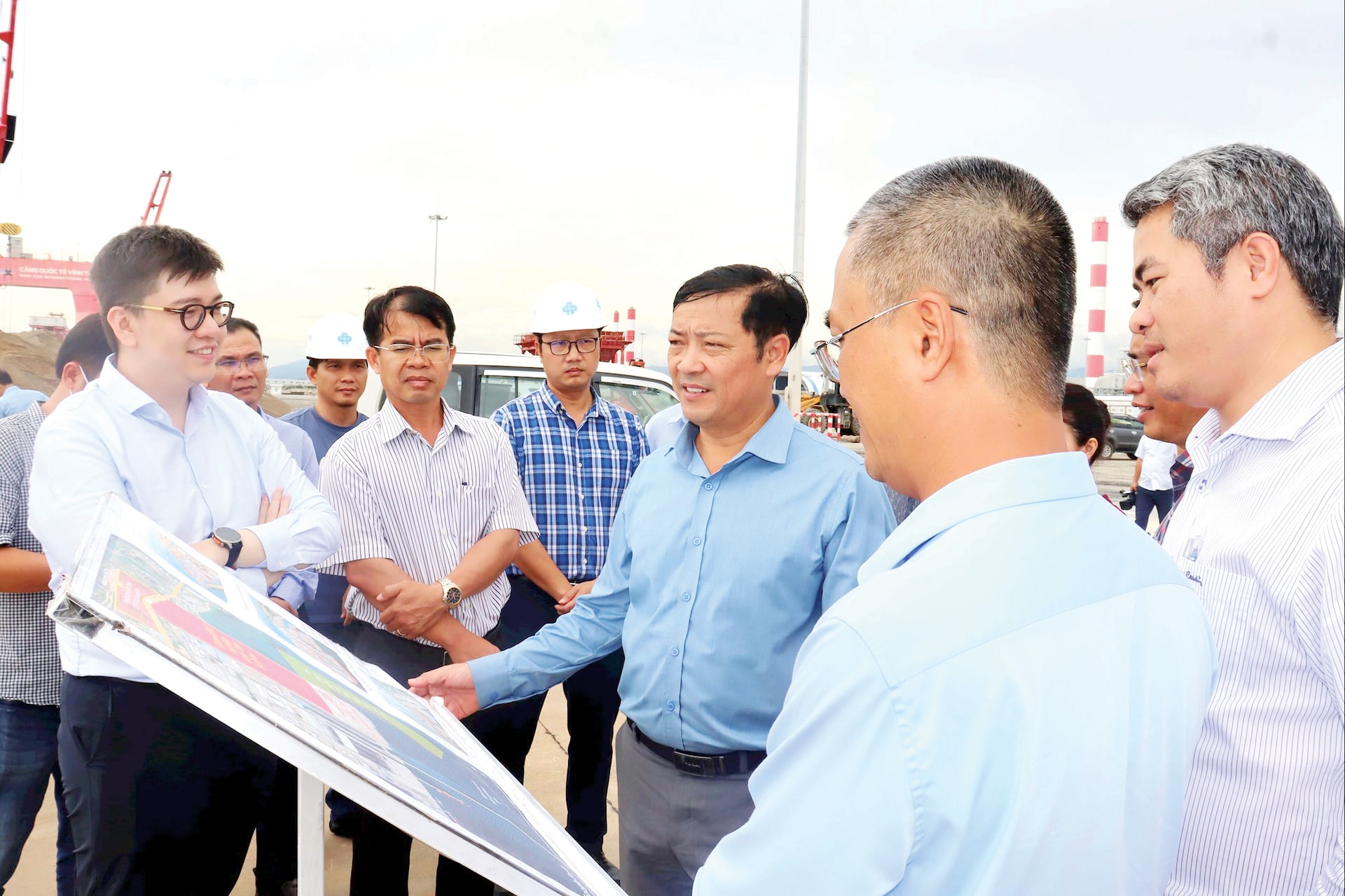
Positive signals amid global headwinds
Despite these challenges, the province’s industrial sector recorded a year of encouraging progress, laying a solid foundation to sustain and further strengthen its strategic direction. Over the past year, Lam Dong continued to implement the Industrial and Trade Sector Restructuring Scheme, the Provincial Party Committee’s Resolution on industrial development to 2025 with a vision to 2030, as well as the provincial master plan and relevant national sectoral plans.
In 2025 alone, the province successfully attracted investment and established one additional industrial cluster, Da Oai Industrial Cluster. To date, Lam Dong has planned a total of 67 industrial clusters covering 2,620.18 hectares. Of these, 23 clusters have secured infrastructure investors, accounting for 819.1 hectares, or more than 32% of the planned area, and have attracted 170 secondary investors with a leased area of 268.91 hectares.
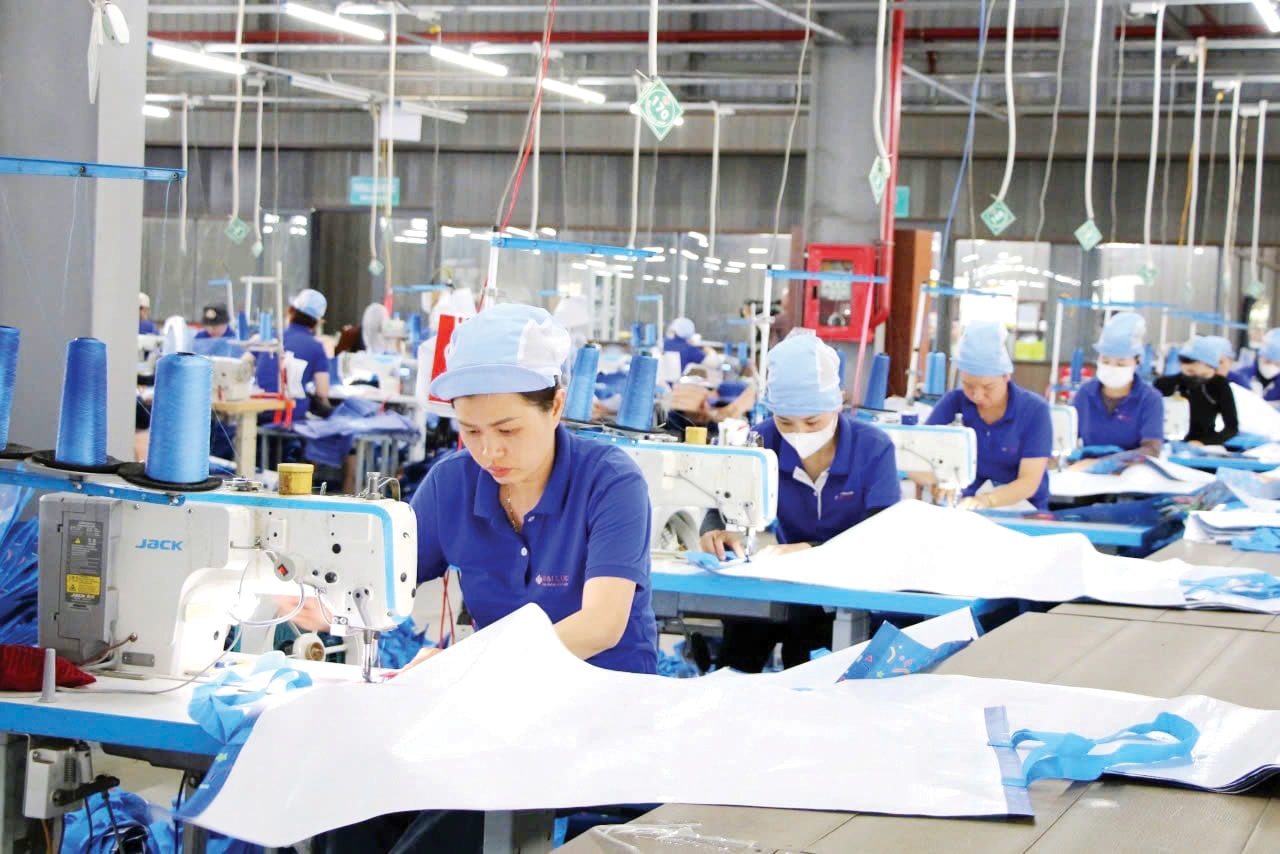
These industrial clusters focus on sectors aligned with the province’s strengths, including agricultural processing, garment manufacturing, construction materials and small-scale mechanical engineering. Such sectors capitalize on locally available resources while serving both domestic and export markets.
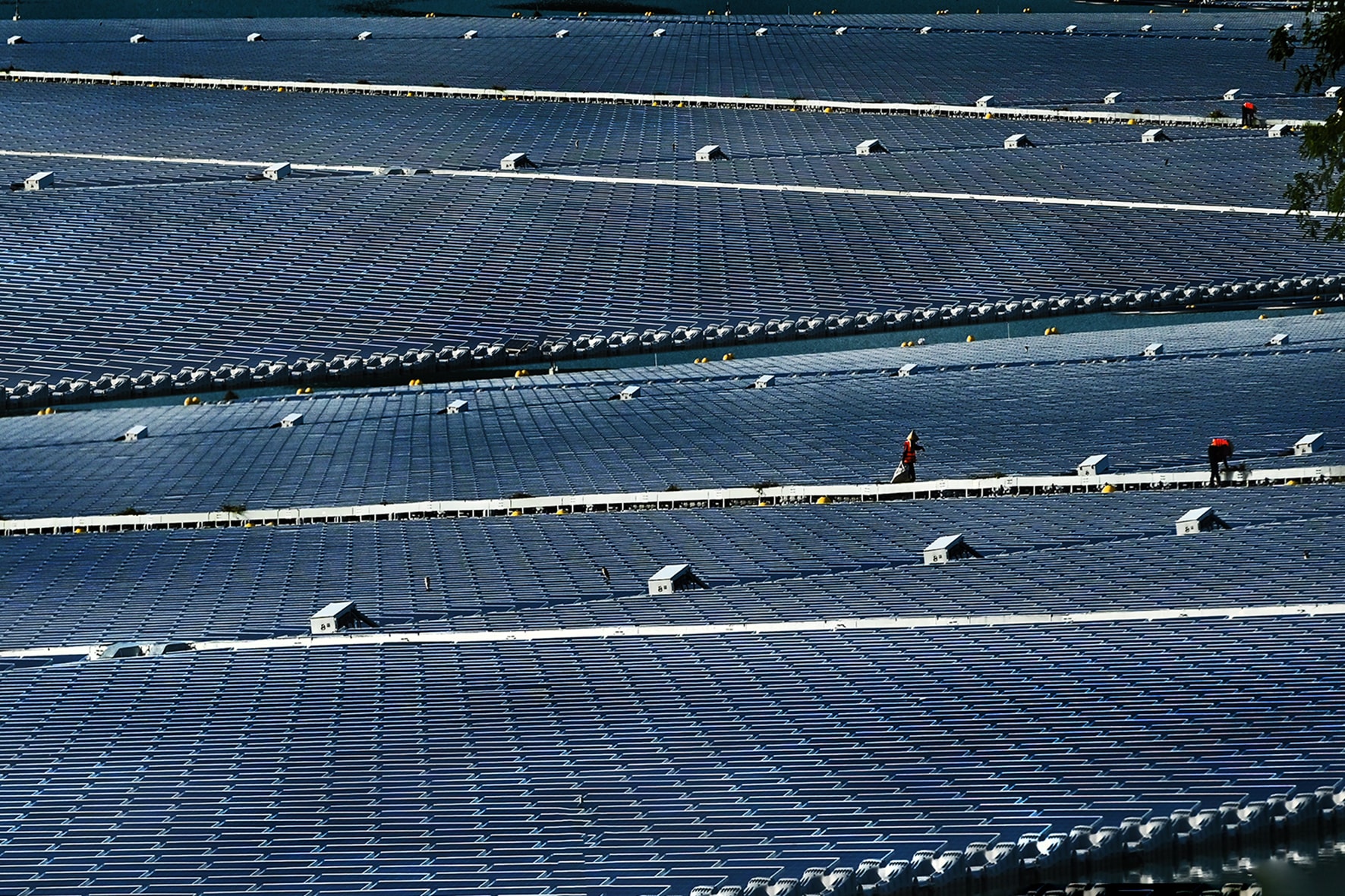
In terms of energy infrastructure, Lam Dong currently has 110 power generation projects in operation, with a combined capacity of 9,080.1 MW. The power grid system—from 500 kV, 220 kV and 110 kV lines to 22 kV medium-voltage networks, low-voltage lines and substations—has been regularly invested in, upgraded and modernized to ensure a safe, stable and continuous electricity supply for socio-economic development and national defense and security.
A golden opportunity for the aluminum value chain
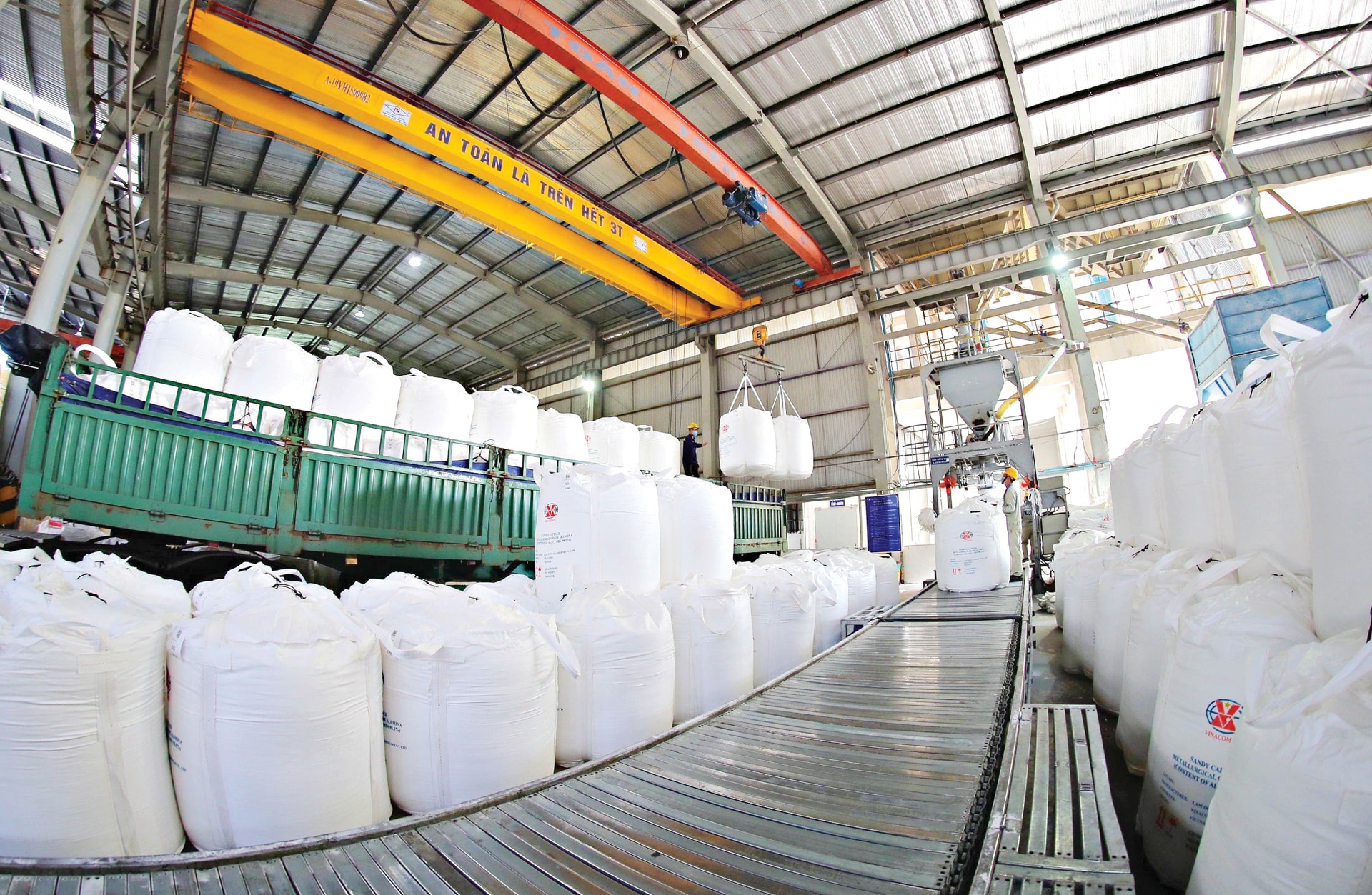
Following six months of post-merger operations, Lam Dong is now facing an unprecedented opportunity to position itself as a key link in the global aluminum supply chain.
The highland region possesses more than 7 billion tonnes of bauxite reserves and is attracting major investors to develop integrated bauxite–alumina–aluminum complexes. Meanwhile, the flower highlands, with extensive experience in operating the Lam Dong Bauxite–Aluminum Complex (Tan Rai), which also holds reserves of several billion tonnes, serve as a technical hub and a center of expertise in modern alumina production.
Electrolytic aluminum production is an energy-intensive industry that requires a highly stable power supply and efficient export infrastructure. In this context, the coastal region emerges as a crucial piece of the puzzle, being a major hub for renewable energy—wind and solar power—as well as thermal power generation. Its abundant and stable electricity supply is a prerequisite for operating aluminum electrolysis plants.
At the same time, Vinh Tan International Port and the coastal transport infrastructure provide the most cost-effective and efficient gateway for exporting finished aluminum products to global markets and importing auxiliary materials.
On the transport front, expressways such as Tan Phu–Bao Loc and Bao Loc–Lien Khuong, together with regional connectivity planning toward the Southeast region, are expected to significantly shorten travel time from mining sites to processing plants and seaports. National Highways 28 and 28B serve as strategic arteries linking the bauxite-rich highlands and the flower highlands directly to the coast. Upgrading these routes will substantially reduce logistics costs for businesses.
At a working session with the province in January 2026, Minister of Construction Tran Hong Minh stated: “After the merger, Lam Dong enjoys many advantages for development, but still faces challenges related to planning and transport connectivity. To support the province, the Ministry of Construction will maintain close coordination with Lam Dong and the localities involved in relevant projects to finalize procedures and implementation.”
Beyond economic growth, the province is also steering toward green aluminum production. Using renewable energy from Binh Thuan for aluminum electrolysis will enable aluminum products from Dak Nong and Lam Dong to meet low-carbon standards, facilitating access to demanding markets such as the United States and Europe.
When mineral resources converge with seaports and reliable power supplies, the aluminum value chain will no longer be fragmented. A new Lam Dong is taking shape as a closed-loop industrial ecosystem, with the potential to contribute billions of USD to GDP and generate hundreds of thousands of jobs across the Central Highlands and the South Central Coast. Confidence for 2026 is therefore pinned on a truly auspicious takeoff.