


Infrastructure First: Paving the Way for Lam Dong’s Development Aspirations
To turn its aspiration of becoming a well-developed province into reality, Lam Dong is prioritizing the development of a modern, integrated infrastructure system. Guided by the principle that “infrastructure must go first,” the province is working to remove bottlenecks and create momentum for a strong breakthrough in the new term.
Aspiration to Reach Wider Horizons
Throughout history, transport and urban infrastructure have served as the lifeblood and structural backbone of economic development. In line with the Party’s guidelines, the 1st Provincial Party Congress of Lam Dong for the 2025–2030 term identified the development of a synchronized and modern infrastructure system as one of its key strategic breakthroughs.
As Vietnam’s largest province by area, with complex terrain, Lam Dong faces an even more pressing need to ensure that infrastructure development leads the way. Central leaders have repeatedly underscored the province’s strategic role—not only as the southern gateway of the Central Highlands, but also as a vital economic bridge connecting the Southeast region with the South Central Coast.
However, existing infrastructure remains disproportionate to the province’s potential. Persistent bottlenecks, particularly in national highways and expressway connections, risk limiting Lam Dong’s growth prospects if not addressed promptly.
In response, leaders of the Provincial Party Committee and the People’s Committee have demonstrated strong political resolve, identifying infrastructure development as a top priority. The approach goes beyond relying on public investment, emphasizing innovation and the mobilization of all social resources to build new roads, bridges and development spaces, thereby unlocking untapped potential areas and integrating them into the province’s broader growth trajectory.
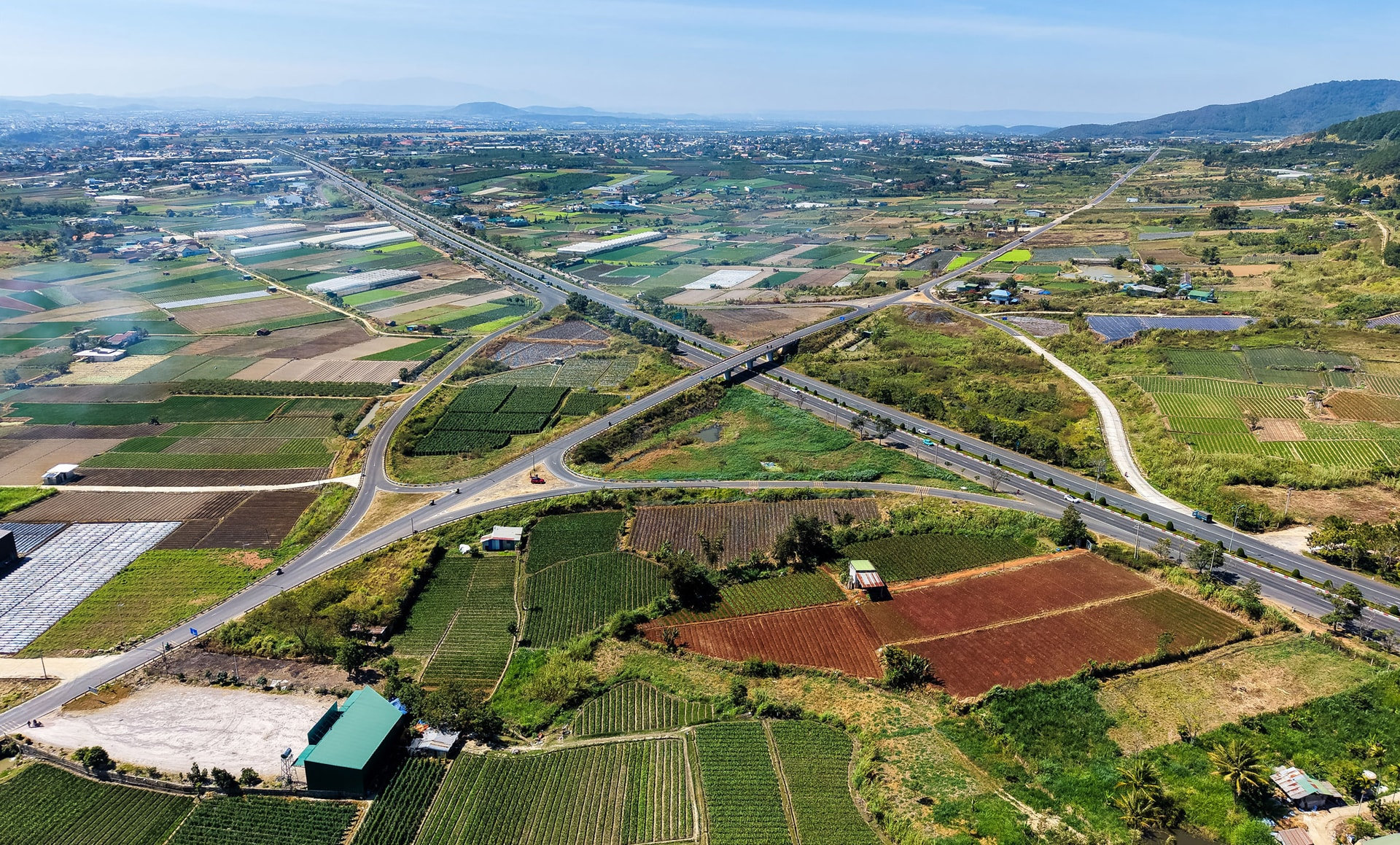
A central pillar of this strategy is the Dau Giay–Lien Khuong Expressway, widely regarded as a “road of aspiration.” As a nationally significant project, the expressway will reduce travel time from Ho Chi Minh City to Da Lat to around four hours upon completion. Beyond saving time, it will lower logistics costs, attract investment and tap into the vast tourism flows from the country’s most dynamic economic region.
The expressway will also break the long-standing reliance on National Highway 20, ease chronic congestion during peak travel periods, and open new gateways for Lam Dong’s high-quality agricultural products to reach seaports, airports and major domestic and international markets.
Provincial leaders have taken a proactive approach by proposing mechanisms, coordinating closely with central ministries and investors, and accelerating project implementation. Preparations for the Tan Phu–Bao Loc and Bao Loc–Lien Khuong sections are being fast-tracked to move swiftly toward construction.
A Breakthrough Through a Multi-Objective Mindset
Alongside transport infrastructure, urban infrastructure forms another cornerstone of Lam Dong’s development strategy. With Da Lat as the core and satellite urban centers such as Phan Thiet, Gia Nghia, Bao Loc and Duc Trong, the province is moving toward a green, smart and climate-resilient urban development model.
As the key advisory agency, the Lam Dong Department of Construction has shown strong determination to improve planning quality and management.
Planning must come one step ahead, with a long-term vision while remaining grounded in reality. It should serve as an effective tool for development management, investment attraction and the continuous improvement of residents’ quality of life.
Mr Le Ngoc Tien, Director of the Department of Construction
According to Mr. Le Ngoc Tien, the construction sector in the new term will focus on reviewing and adjusting master and zoning plans to ensure consistency and connectivity. Urban renewal projects, along with upgrades to water supply, drainage and waste treatment systems, are being implemented in parallel, with the goal of making Lam Dong’s cities more livable, attractive and investment-friendly.
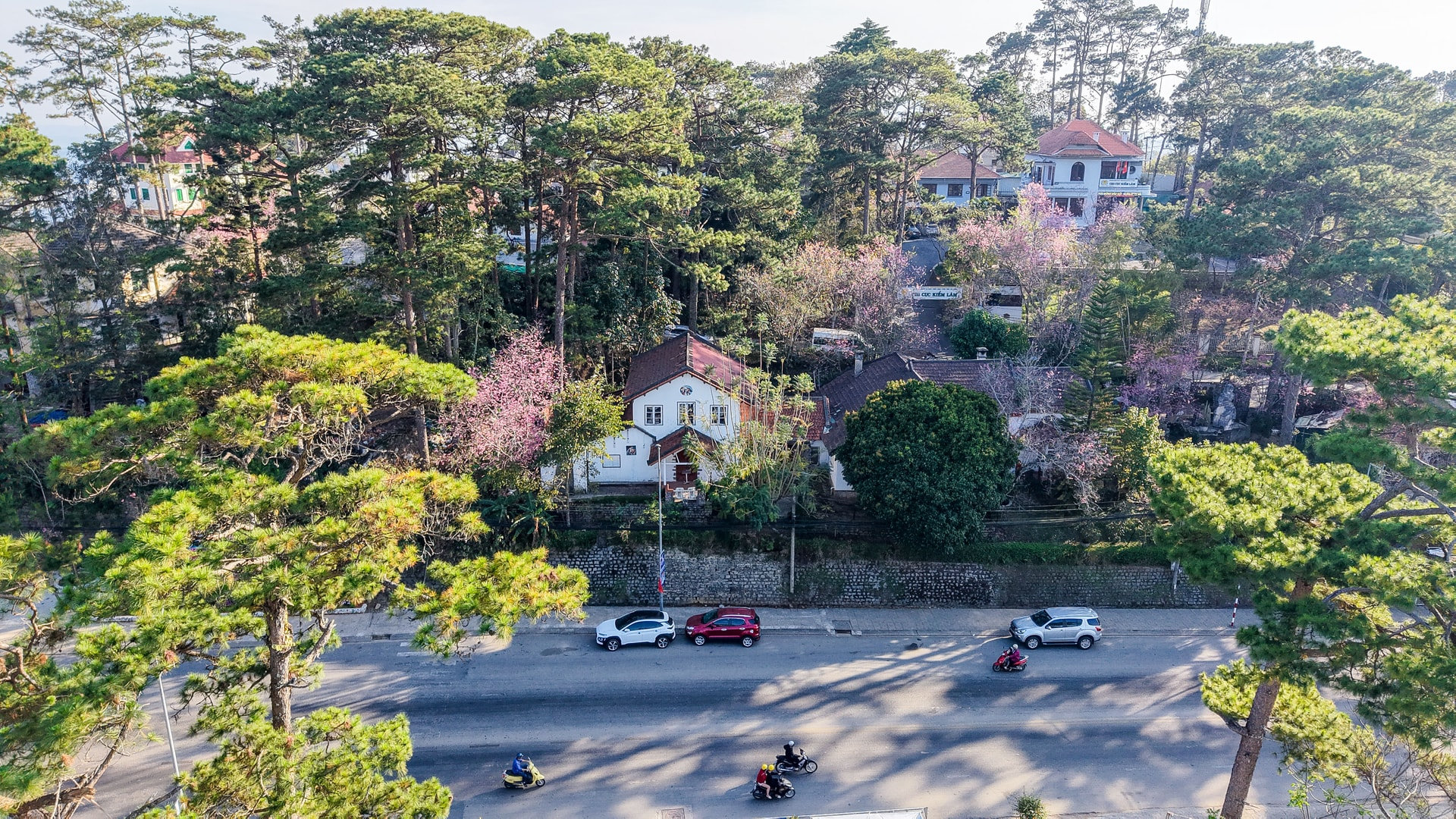
The province is also embracing a multi-objective infrastructure development approach, integrating economic growth with social welfare, national defense, security and environmental protection. Priority is given to transport projects that connect remote and ethnic minority areas. Newly built concrete roads reaching villages and hamlets have not only facilitated agricultural production and distribution but also brought healthcare, education and cultural services closer to local communities.
Collective Efforts to Realize Shared Aspirations
Prime Minister Pham Minh Chinh has repeatedly emphasized that while state funding serves as seed capital, social resources play a decisive role. In line with this approach, Lam Dong is improving its investment environment and policy framework to attract strategic investors to key infrastructure projects through public–private partnerships (PPP).

Public consensus remains a crucial factor. Stories of residents voluntarily donating land for road construction, along with strong support from the business community, have become powerful drivers helping the province overcome challenges.
Looking ahead, with a solid foundation and renewed political determination, Lam Dong is well positioned to achieve a breakthrough, targeting double-digit growth in the upcoming term.
A synchronized and modern infrastructure system will serve as the “broadband network” for the provincial economy, enabling it to accelerate and soar—realizing the ambition of becoming a well-developed province worthy of the trust of the Central Government and the expectations of its people.