


Initial effectiveness of the melon greenhouse model in Cat Tien “Rice Land”
Driven by a strong aspiration to build prosperity through modern agriculture, Dinh Van Canh, a member of the Farmers’ Association in Cat Tien Commune, Lam Dong Province, has boldly invested in a high-tech, closed-system greenhouse melon model.
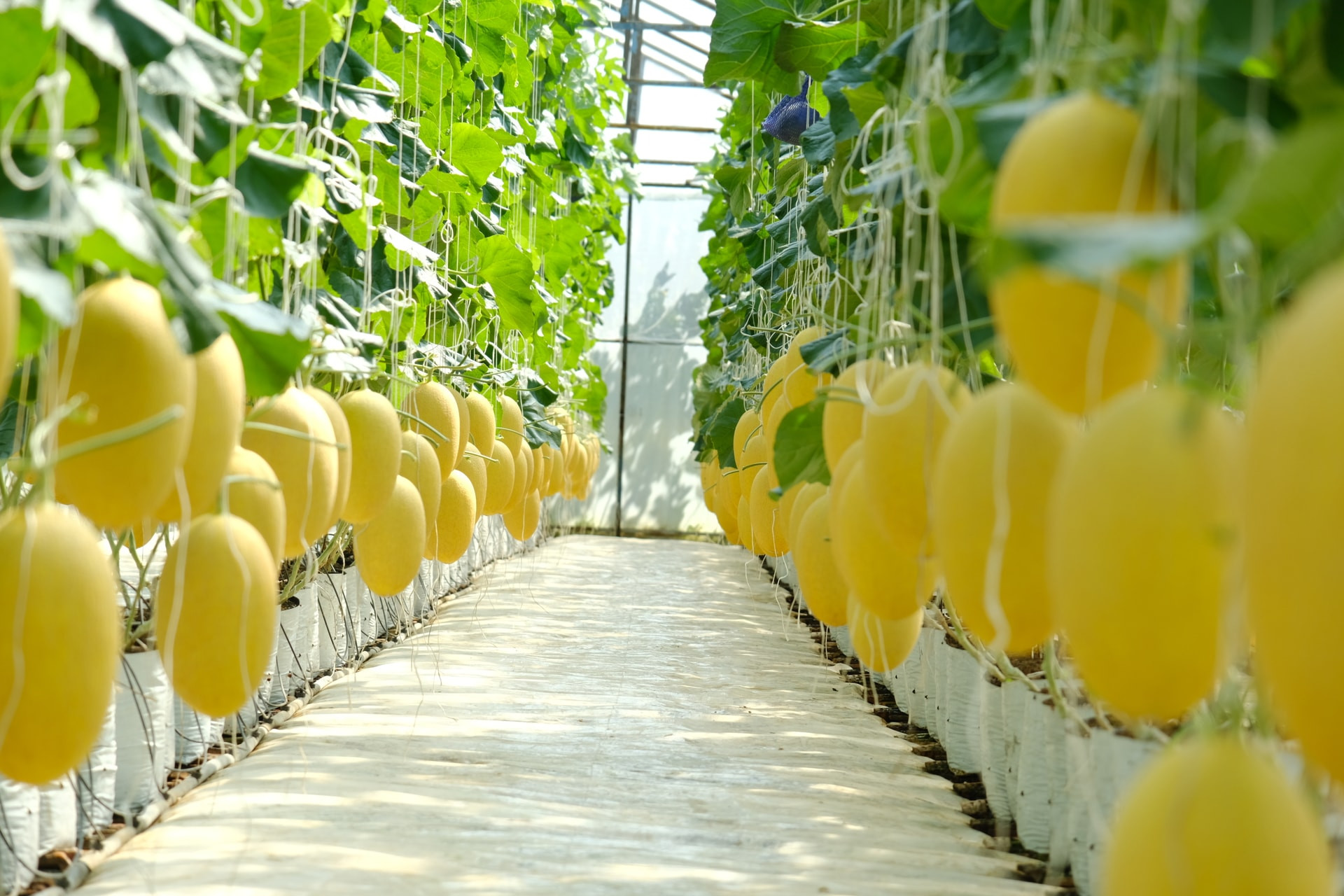
The model has delivered promising initial economic results while opening a new direction for local agriculture.
Located along the Dong Nai River, Cat Tien has long relied on rice, mulberry, and several fruit crops. Amid fluctuating agricultural prices, rising input costs, and shrinking farmland, increasing value per unit of land has become a pressing challenge for farmers.
For Dinh Van Canh, these concerns became motivation to seek a more effective production model aligned with market trends.
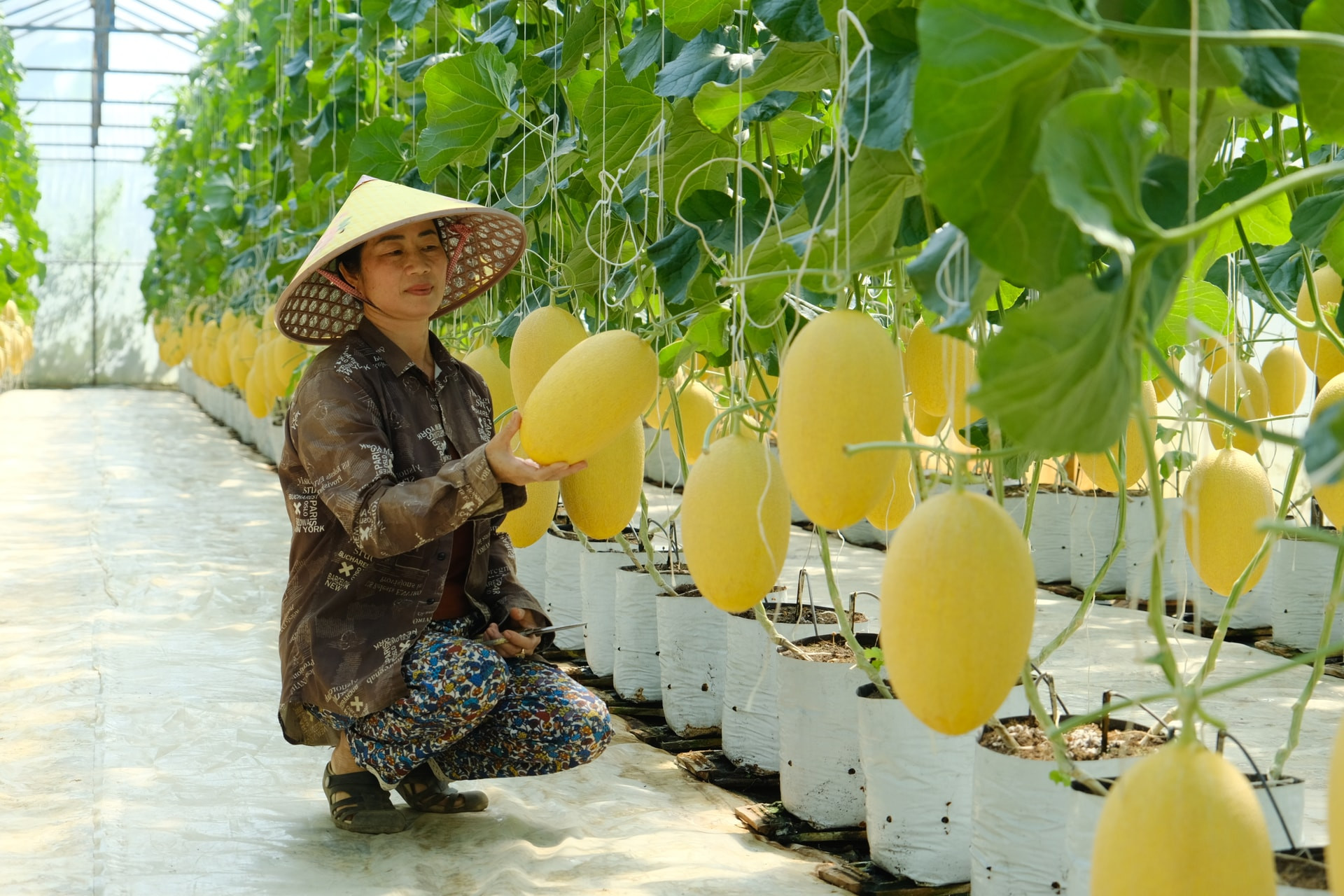
After researching and visiting high-tech melon farms in other localities, Canh recognized the crop’s strong potential, particularly as consumer demand for clean and safe agricultural products continues to grow.
However, the biggest obstacle was the high initial investment required for greenhouse infrastructure—a significant barrier for many farmers.
According to Canh, with an area of about 1,000 square meters, greenhouse construction costs range from VND 350-400 million, including the frame, covering net, and automatic irrigation system. The central irrigation control system accounts for a significant portion of the capital expenditure, while the remainder covers pipelines and drip irrigation. Investing in clusters of adjacent greenhouses can significantly reduce costs by sharing a single central control system.
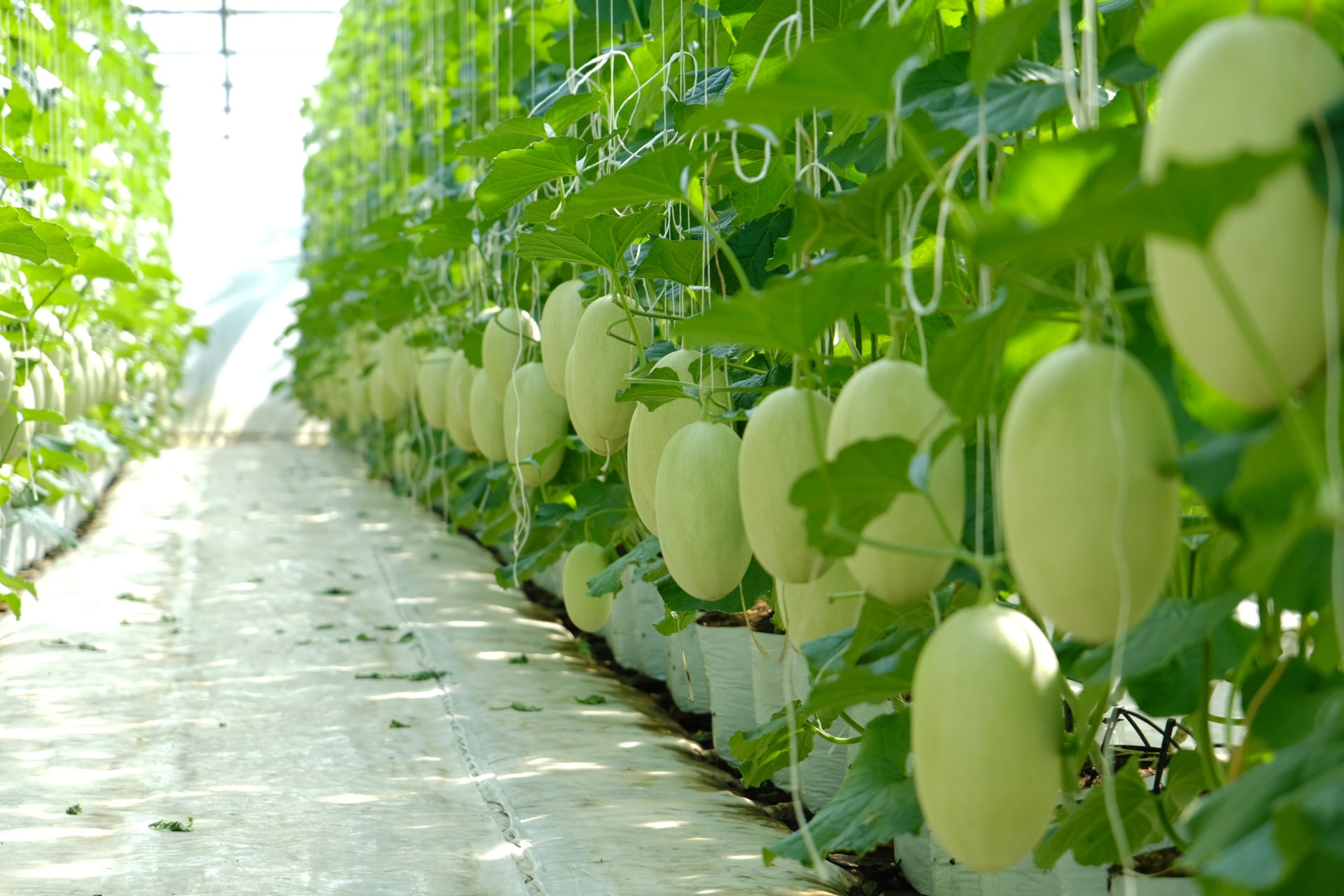
After more than two years of implementation, the family’s melon greenhouse model in Hamlet 5, Cat Tien Commune, has shown evident effectiveness. Each greenhouse spans over 500 square meters, with melons grown on substrate following strict safety procedures—from seed selection and nutrition management to irrigation and pest control.
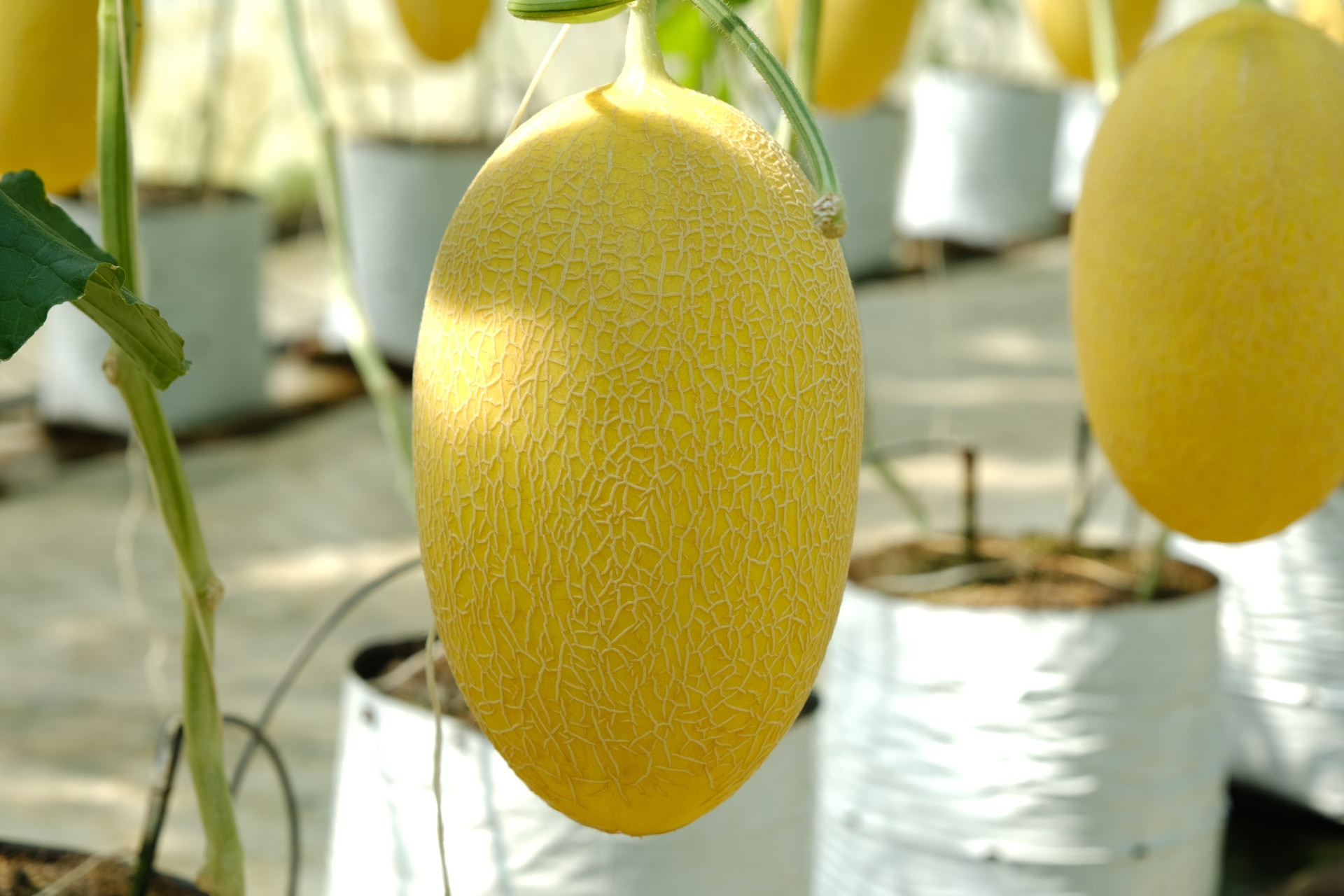
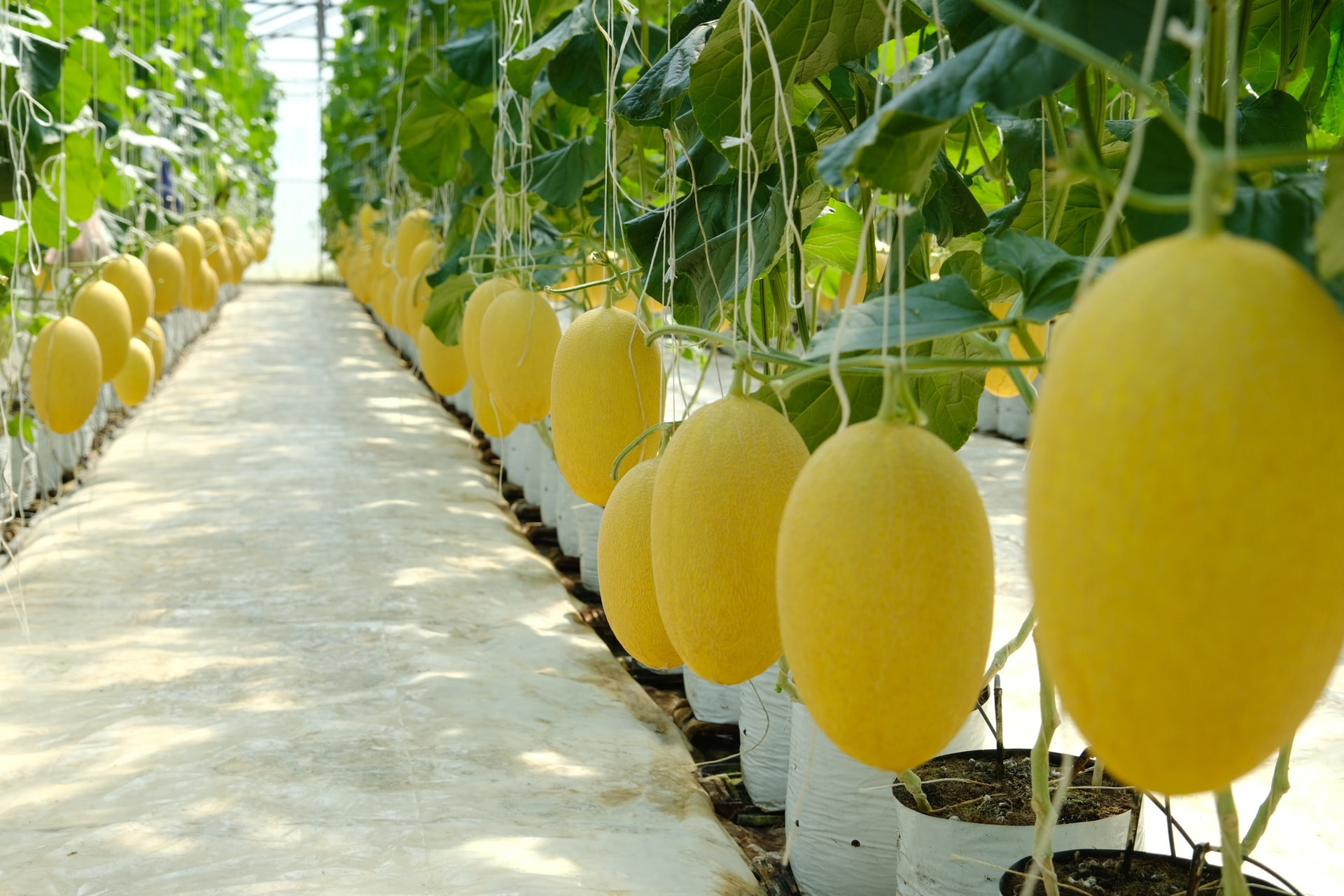
The chosen melon variety features yellow skin, orange flesh, high sweetness, and attractive appearance, making it popular in the market. Each year, the family plants three crops, with about 650-700 plants per crop. At harvest, each fruit weighs over 2 kilograms, with uniform quality and appealing presentation.
Greenhouse cultivation enables plants to thrive, reduces pests and diseases, and minimizes weather-related risks—especially during the rainy season, when field-grown melons are more prone to sap leakage, root rot, and vine damage.
“Growing melons in greenhouses helps prevent disease-carrying insects and reduces fruit blemishes, thereby improving yield and quality,” Canh shared.
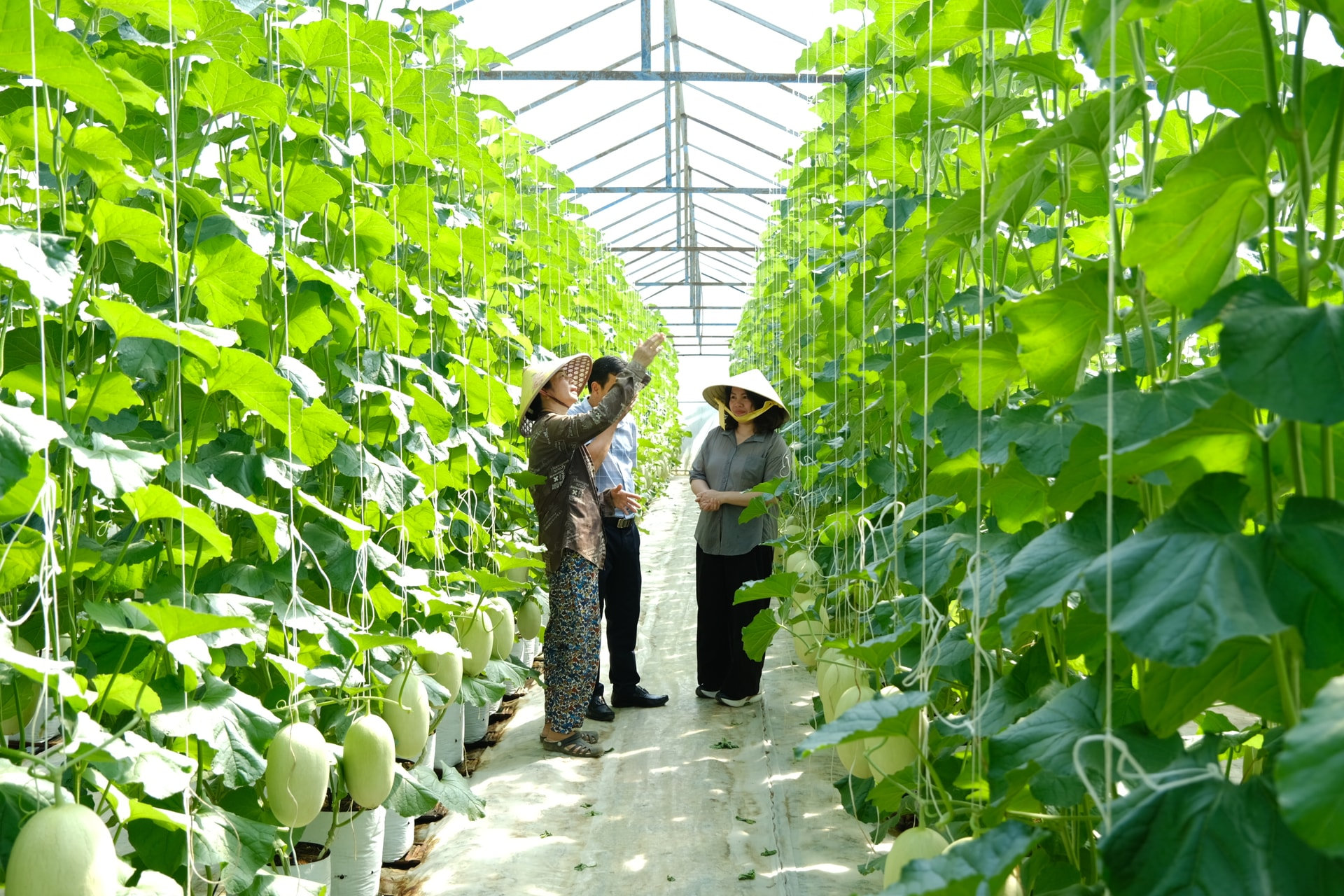
Beyond technical advantages, melons are highly nutritious and aligned with current consumption trends. As a result, the product is easy to market, maintains stable prices, and generates strong economic returns.
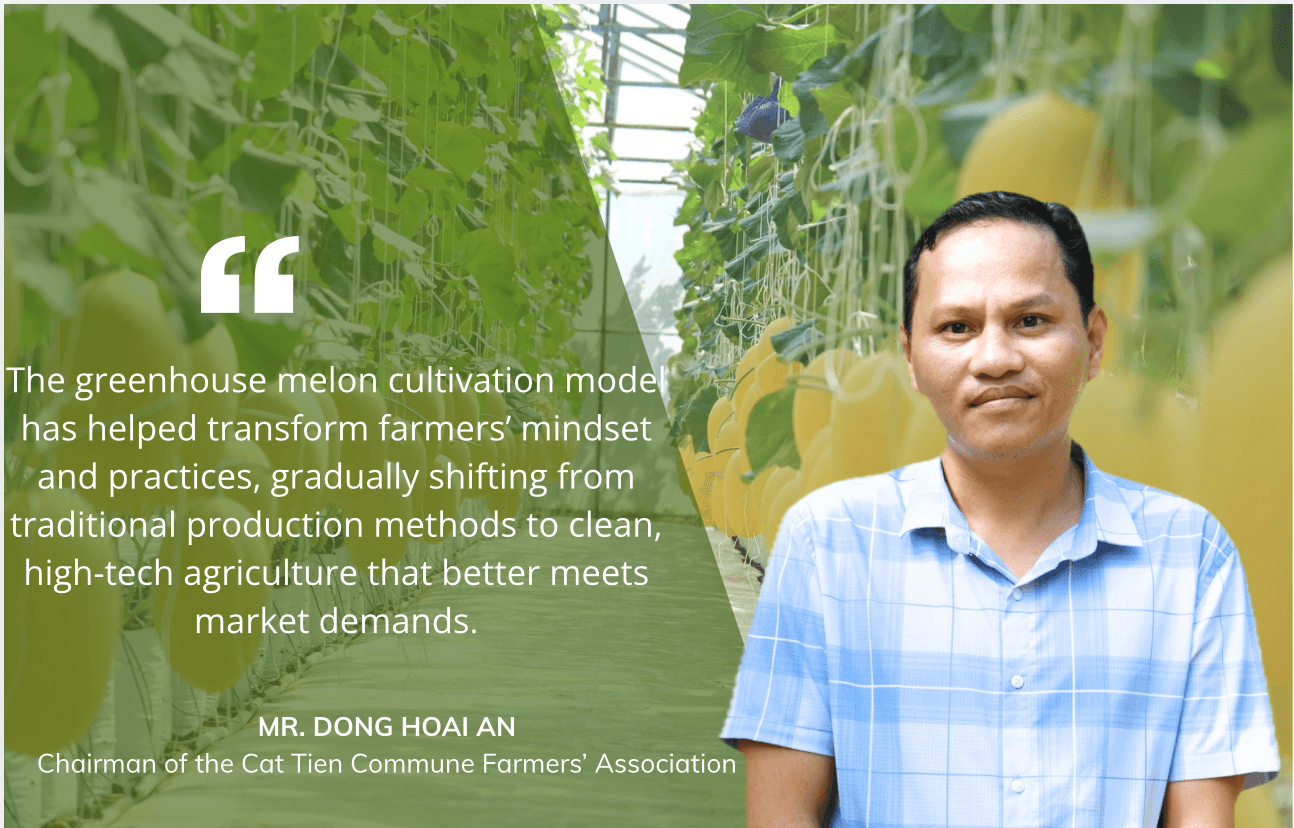
According to Dong Hoai An, Chairman of the Cat Tien Commune Farmers’ Association, this is a typical and effective household production model with strong potential for replication.
Currently, the family’s melons are primarily sold through retail channels and established agents. In the future, Canh aims to access additional capital to expand production, refine his cultivation processes, enhance product quality. His ultimate goal is to secure stable supply partnerships with major supermarkets and clean food retail chains.
With determination and a willingness to innovate, Dinh Van Canh is becoming a pioneer in bringing high-tech agriculture to Cat Tien, contributing to positive transformation in rural economic development toward modernization, sustainability, and efficiency.